


APR certification sets a high standard for every lami tube manufacturer. The certification confirms that products meet strict recycling and sustainability guidelines. Laminated tube production relies on lami tube making machine to achieve these requirements. Companies gain third-party validation, which builds trust with customers and supports market competitiveness.
Sustainable practices help manufacturers create recyclable blueloop tubes that align with global demands for eco-friendly packaging.
Key Takeaways
- APR certification confirms that lami tube products meet strict recycling and sustainability standards, enhancing brand credibility.
- Following the APR design guide can speed up the certification process and improve product quality, making it easier to meet market demands.
- Achieving APR certification opens access to new markets, allowing manufacturers to supply eco-friendly packaging to global brands.
- Investing in laminated tube making machine helps manufacturers create recyclable products that align with sustainability goals.
- Maintaining compliance with APR standards ensures manufacturers stay ahead of changing regulations and build consumer trust.
APR Certification Overview
What Is APR?
APR stands for the Association of Plastic Recyclers. APR sets standards for packaging and recycling. APR PCR Certification confirms that postconsumer resin (PCR) in packaging meets strict recycling guidelines. APR helps manufacturers prove that their materials are truly recycled. APR supports sustainability and protects the recycling industry’s integrity.
- APR PCR Certification is a program that certifies postconsumer resin for use in packaging.
- APR ensures that materials marketed as PCR are genuinely recycled content.
- APR supports sustainability commitments and the integrity of the recycling industry.
APR encourages manufacturers to use lami tube making machine. APR guides companies to create recyclable blueloop tubes. APR builds trust with customers and regulators.
Certification Standards
APR sets clear standards for packaging. APR requires manufacturers to follow strict recycling rules. APR standards focus on material quality and recyclability. APR checks if packaging meets these rules before granting certification. APR standards help companies improve their processes. APR standards encourage the use of recycled materials. APR standards support the global push for sustainable packaging.
APR standards also guide the selection of materials for lami tube making machine. APR standards help manufacturers produce blueloop tubes that meet recycling goals. APR standards make products more attractive to eco-conscious consumers.
Design Guide
APR provides a detailed design guide for manufacturers. APR design guide explains how to create packaging that meets recycling standards. APR design guide covers material choices, tube structure, and labeling. APR design guide helps companies avoid common recycling problems. APR design guide supports the use of recyclable blueloop tubes. APR design guide encourages innovation in lami tube making machine.
APR design guide includes tips for improving tube recyclability. APR design guide helps manufacturers meet market demands for sustainable packaging. APR design guide builds confidence in product quality and environmental impact.
Tip: Following the APR design guide can help manufacturers achieve certification faster and improve their reputation in the market.
Benefits for Lami Tube Manufacturer
Market Access
APR certification opens new opportunities for every lami tube manufacturer. Many global brands and retailers now require packaging that meets strict recyclability and sustainability standards. Companies that achieve successful certification gain access to these markets and can supply products to customers who demand eco-friendly solutions.
Lami tube making machine plays a key role in this process. The machine allows manufacturers to produce blueloop tube hd with the preferred design for recycling. The design of laminated tube packaging must meet APR guidelines to ensure plastics recyclability.
The following table shows how APR certification aligns with international sustainability standards for packaging:
| Aspect | Description |
|---|---|
| Certification Type | APR PCR Certification ensures third-party verification of recycled content from post-consumer sources. |
| Alignment with Standards | Developed in coordination with EU RecyClass, aligning with international sustainability frameworks. |
| Benefits | Meets legislative requirements, builds customer confidence, promotes standardization, and stabilizes the PCR market. |
Manufacturers who follow the preferred design for recycling can expand their reach and meet the needs of a growing market for recyclable blueloop tube and blueloop tube hd.
Note: The manufacture of recyclable tubes that meet APR standards helps companies stay ahead of changing regulations and customer expectations.
Sustainability Compliance
Sustainability has become a top priority for every lami tube manufacturer. APR certification demonstrates a strong commitment to environmental responsibility. The design of blueloop tube hd must support recyclability and use post-consumer resin.
Lami tube making machine enables precise control over the design and structure of laminated tube products. This control helps manufacturers meet the requirements for plastics recyclability and sustainability.
APR certification aligns with international sustainability frameworks. It supports the use of recycled materials and encourages the design of packaging that meets global standards. Companies that achieve certification can show their recyclable credentials and prove their dedication to sustainability.
- APR certification requires strict third-party validation.
- The design process must focus on recyclability and the use of recycled content.
- Blueloop tube hd products that meet APR standards support the global push for sustainable packaging.
APR certification also encourages innovation in the design of laminated tube packaging. Manufacturers can use lami tube making machine to create products that meet both performance and environmental goals.
Consumer Trust
Consumer trust has become essential for every lami tube manufacturer. APR certification provides third-party validation, which enhances credibility and builds confidence in the brand. The design of blueloop tube hd products must meet high standards for recyclability and safety.
APR certification involves a detailed process, including third-party testing and technical review. The following table outlines the main steps:
| Step | Description |
|---|---|
| 1 | Review Operating Procedures, Complete Program Agreement, & Submit Pre-Approval Application |
| 2 | Complete Third-Party Testing |
| 3 | Present Results to APR Membership in Webinar |
| 4 | Technical Panel Review |
Consumers look for packaging with strong recyclable credentials. They prefer products that use the preferred design for recycling and meet international safety standards. Blueloop tube hd products made with EVOH-based films comply with EU, FDA, and GB regulations. The all-plastic structure eliminates concerns about metal contamination, which increases product safety and trust.
- APR certification ensures that lami tube products are designed for recyclability.
- The design meets strict environmental standards, matching consumer preferences for sustainable packaging.
- Products use materials that can be effectively recycled.
Manufacturers who invest in the design and manufacture of recyclable tubes gain a competitive edge. They build lasting relationships with customers who value sustainability and transparency.
Certification Requirements
Main Criteria

APR certification sets clear expectations for every lami tube manufacturer. The process focuses on three main criteria that ensure products meet industry standards for recyclability and sustainability. These criteria help companies align their operations with global best practices and improve their market position.
The following table outlines the main criteria for APR certification:
| Criteria for APR Certification | Description |
|---|---|
| Access to Collection System | At least 60% of consumers or communities must have access to a collection system that accepts the item. |
| Sorting into Market-Ready Bale | The item must be likely sorted correctly into a market-ready bale of a particular plastic through commonly used material recovery systems. |
| Cost-Effective Processing | The item should be able to be processed cost-effectively into a postconsumer plastic feedstock suitable for new products. |
APR evaluates each lami tube product based on these criteria. The design of the tube must support easy collection and sorting. Manufacturers use lami tube making machine to create products that meet these requirements. The design process also considers how the tube will move through recycling systems and whether it can be processed efficiently.
APR certification encourages companies to focus on the design of their products from the earliest stages. By meeting these criteria, manufacturers demonstrate their commitment to sustainability and recyclability.
Note: Meeting the main criteria for APR certification helps manufacturers build trust with customers and regulators.
Steps To Certify
The path to APR certification involves several important steps. Each step ensures that the lami tube manufacturer follows best practices and meets the strict requirements set by APR. The process begins with a careful review of the product’s design and ends with official recognition from APR.
- Initial Assessment
The manufacturer reviews the design of the laminated tube to ensure it aligns with APR guidelines. This step often involves collaboration between the design team and technical experts. - Application Submission
The company submits an application to APR. The application includes detailed information about the tube’s design, materials, and intended use. - Third-Party Testing
APR requires independent testing of the product. The tests focus on the tube’s recyclability, material composition, and performance in recycling systems. - Technical Review
APR’s technical panel reviews the test results. The panel examines the design and evaluates whether the tube meets all certification criteria. - Certification Decision
If the product meets all requirements, APR grants certification. The manufacturer receives official documentation and can promote the product as APR certified. - Ongoing Compliance
Manufacturers must maintain compliance with APR standards. Regular reviews and updates to the design may be necessary as recycling technology and regulations evolve.
APR’s step-by-step process ensures that every certified product meets high standards for design and recyclability. The focus on design at each stage helps manufacturers create tubes that perform well in real-world recycling systems.
Tip: Early collaboration between design engineers and APR experts can speed up the certification process.
PCR Verification
Postconsumer resin (PCR) plays a key role in APR certification. APR requires strict verification of PCR content in lami tubes. This step ensures that manufacturers use genuine recycled materials and maintain transparency throughout the supply chain.
Manufacturers must document the source and quality of PCR used in the tube’s design. APR reviews this documentation and may request additional testing to confirm the presence of PCR. The design of the tube must allow for easy identification and separation of PCR during recycling.
APR’s verification process protects the integrity of the recycling industry. It also supports the use of high-quality recycled materials in new products. Manufacturers who achieve APR certification for PCR content can demonstrate their commitment to sustainability and responsible sourcing.
APR encourages companies to innovate in the design of their tubes. By using advanced lami tube making machines, manufacturers can optimize the design for both performance and recyclability. The focus on PCR verification ensures that certified products contribute to a circular economy.
Callout: Accurate PCR verification strengthens a manufacturer’s reputation and supports long-term success in the sustainable packaging market.
Impact on Operations
Process Improvements
APR certification drives significant process improvements for lami tube manufacturer. Companies invest in lami tube making machine to meet strict APR standards. These machines support efficient production and precise control over tube design. Manufacturers optimize their production lines to achieve high levels of automation and stability. The use of intelligent control systems reduces manual intervention and increases output. Modular design in production lines allows quick adaptation to changing market demands. Flexible switching between multiple specifications helps manufacturers meet diverse packaging requirements.
The table below highlights how APR-driven process improvements enhance production efficiency:
| Feature | Benefit |
|---|---|
| Fully Automation and High-Efficiency | Reduces manual intervention, increasing production capacity and output. |
| Mature and Stable Production Process | Ensures consistency in production indicators, leading to efficient operations. |
| Low-Energy Production System | Optimizes energy use, reducing waste and operational costs. |
| Intelligent Control System | Streamlines operations and enhances efficiency. |
| Modular Design in Production Line | Allows flexibility in production, adapting to various demands efficiently. |
| Flexibly Switched Multiple Specification | Meets diverse packaging requirements, enhancing production versatility. |
APR certification encourages manufacturers to refine their design processes. These improvements support the creation of tubes with high recyclability and consistent quality.
Regulatory Readiness
APR certification prepares lami tube manufacturer for regulatory challenges. Many regulatory bodies recognize APR standards for tube products. Companies that achieve certification demonstrate compliance with international guidelines. The design of each tube must meet strict requirements for recyclability and safety. APR certification provides assurance to regulators and customers.
The following table shows examples of products and companies recognized by regulatory bodies:
| Product Name | Company | Regulatory Body |
|---|---|---|
| Platina Tube | EPL Limited | Association of Plastic Recyclers (APR) |
| Polyfoil MMB Tube | Hoffmann Neopac | Association of Plastic Recyclers (APR) |
APR certification helps manufacturers stay ahead of changing regulations. Companies use advanced design strategies to ensure their products meet global standards. Regulatory readiness supports long-term business growth and market stability.
Tip: Regular updates to tube design and production processes help manufacturers maintain APR compliance and regulatory approval.
Competitive Edge
APR certification gives lami tube manufacturer a strong competitive edge. Companies that invest in certified design processes stand out in the market. Customers prefer products with proven recyclability and sustainable features. APR certification signals a commitment to quality and environmental responsibility. Manufacturers use innovative design techniques to create tubes that meet customer expectations.
APR certification supports brand reputation and customer loyalty. Companies that achieve certification can access new markets and build lasting relationships. The focus on design and recyclability positions manufacturers as leaders in sustainable packaging.
Block Quote: APR certification transforms operational practices, driving innovation and excellence in tube design.
Conclusion
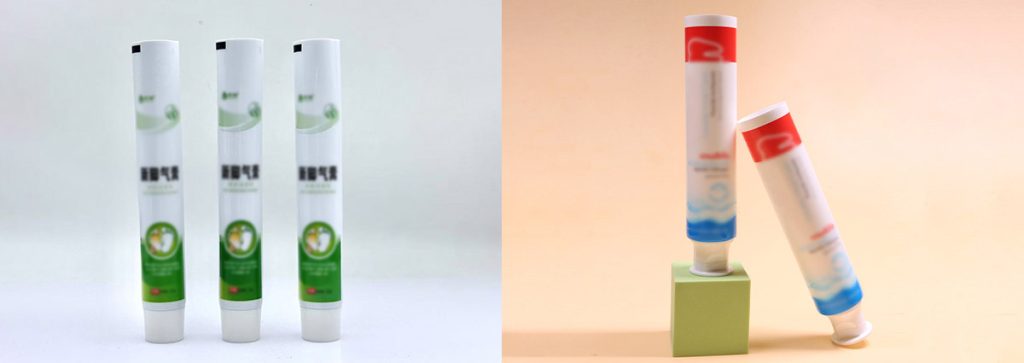
APR certification stands as a vital step for every lami tube manufacturer. Companies gain a clear path to sustainability, regulatory readiness, and increased consumer trust for recyclable blueloop tubes. Lami tube making machine helps manufacturers meet strict design and recyclability standards.
- The tube packaging market now faces stronger sustainability initiatives and new government regulations.
- Extended Producer Responsibility laws require producers to manage packaging waste.
- The adoption of APR certification will likely rise as eco-friendly practices become standard and recognition programs expand.
Taking action today positions manufacturers for long-term success in a changing market.
FAQ
What Does APR Certification Mean for Lami Tube Manufacturers?
APR certification shows that a manufacturer meets strict recycling and sustainability standards. It provides third-party validation. Companies can prove their commitment to eco-friendly packaging and gain trust from customers and regulators.
How Does Lami Tube Making Machine Help Achieve APR Certification?
Lami tube making machine allows precise control over tube design and material selection. Manufacturer uses the machine to create recyclable blueloop tubes that meet APR guidelines for recyclability and sustainability.
Why Is PCR Verification Important in the Certification Process?
PCR verification confirms that the tubes use genuine postconsumer resin. APR reviews documentation and testing results. This step ensures transparency and supports the recycling industry’s integrity.
What Are the Main Benefits of APR Certification?
Manufacturers gain market access, regulatory readiness, and increased consumer trust. APR certification also encourages process improvements and innovation in tube design.
Tip: Companies with APR certification stand out in the sustainable packaging market.
Can APR Certification Help Meet International Regulations?
APR certification aligns with global standards for recyclability and safety. Manufacturers who achieve certification can meet requirements from regulatory bodies in the EU, US, and other regions.