


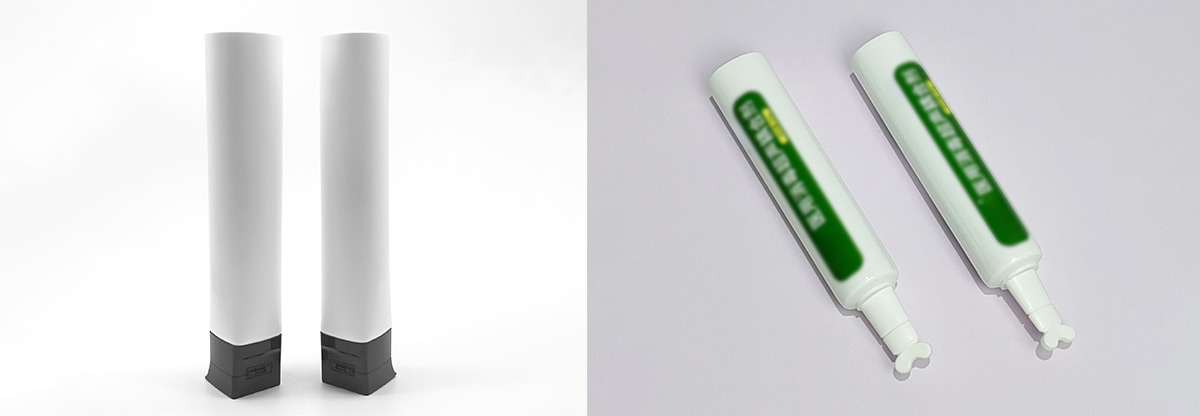
Material testing stands as a critical factor in preventing costly printing failures during lami tube production. Operators maintain quality by cleaning printing units and monitoring machines closely. Real-world testing of materials uncovers hidden issues before they affect production. Printing failures reduce efficiency, increase waste, and damage brand reputation. A proactive approach protects both product quality and operational stability.
Key Takeaways
- Material testing is essential for preventing printing failures in lami tube production. Regular tests help identify issues before they disrupt production.
- High-quality materials lead to better printing results. Testing for adhesion and compatibility ensures that inks and adhesives work well together.
- Operators should maintain strict cleaning routines for printing units. This practice reduces defects and supports consistent production quality.
- Real-time monitoring of production processes allows for early detection of defects. Quick responses to issues enhance efficiency and reduce waste.
- Investing in operator training improves production outcomes. Well-trained staff can spot problems early and apply effective solutions.
Material Testing in Lami Tube Production
Material Quality & Printing
Material quality plays a central role in laminate tube production. High-quality materials ensure that printing appears sharp, colors remain consistent, and tubes resist defects during use. Manufacturers must test each batch of laminate for surface smoothness, adhesion, and compatibility with different inks. These tests help identify issues before they cause failures on the production line.
Note: The laminate tube market is projected to reach $1.67 billion by 2026. This growth highlights the need for reliable quality control and efficient production processes.
The choice of printing technique also affects outcomes. The table below shows how different methods interact with various material types in laminate tube production:
| Printing Technique | Material Type | Effectiveness |
|---|---|---|
| Gravure | ABL Tube | High detail and color depth |
| Flexography | ABL Tube | Moderate detail |
| Offset | ABL Tube | Good for flat surfaces |
| Digital | ABL Tube | Variable detail |
| Silkscreen | Plastic Tube | Good for formed tubes |
| Hot Stamping | Plastic Tube | Limited detail |
Testing new materials and coatings in real-world conditions remains essential. This approach uncovers hidden challenges that may not appear in laboratory settings. For example, coatings can improve corrosion resistance and enhance performance in harsh environments. These benefits support both production efficiency and product quality.
Testing for Plate Failures
Plate failures can disrupt laminate tube production and reduce print quality. Common causes include incorrect CTP exposure settings, poor press chemistry readings, and improper handling or storage. The table below outlines these causes and offers solutions to prevent plate failures:
| Cause of Plate Failure | Description | Prevention Tip |
|---|---|---|
| Incorrect CTP Exposure Settings | Over exposure leads to loss of detail; under exposure causes premature wear. | Implement regular CTP maintenance program or service contract. |
| Poor Press Chemistry Readings | Can cause scumming, ink build-up, and emulsification. | Use correct products, follow maintenance practices, and perform regular quality control. |
| Poor Handling or Storage | Mishandling can lead to bending, scratching, and oxidation. | Handle with care and store plates face to face, avoiding extreme heat and light conditions. |
Manufacturers use several testing methods to detect potential plate failures before production begins. These include visual inspections, thermal imaging, acoustic emission monitoring, pressure differential monitoring, and vibration analysis. Each method offers unique strengths and limitations:
| Testing Method | Strengths | Limitations |
|---|---|---|
| Visual Inspections | Simplicity, low cost | Reactive nature, late detection of failures |
| Thermal Imaging | Real-time monitoring, non-destructive | Compromised effectiveness in high temperatures |
| Acoustic Emission Monitoring | Early-stage failure detection | Challenges with background noise |
| Pressure Differential Monitoring | Cost-effective, automated monitoring | Sensitivity limitations, may miss minor issues |
| Vibration Analysis | Detects mechanical anomalies | Complexity in isolating specific failure indicators |
Predictive maintenance and data analytics are becoming more important in the industry. These tools help identify problems early and reduce downtime, which supports production efficiency and quality.
Integrating Testing with Tube Machines
Integrating material testing with the lami tube making machine ensures that quality checks occur throughout the production process. Real-time monitoring allows operators to spot defects as soon as they appear. This approach reduces waste and prevents costly rework.
Testing new materials and coatings directly on tube machines provides several benefits:
| Benefit | Description |
|---|---|
| Enhanced Performance | Coatings eliminate issues like lost peaks and peak tailing, improving sensitivity in analytical applications. |
| Corrosion Resistance | Coatings provide up to ten times better corrosion resistance against aggressive chemicals. |
| Application Versatility | Coated tubing is used in various industries, enhancing performance in chromatography and diagnostics. |
| Integrity in Harsh Environments | Essential for industries like petrochemical and hydrogen production, ensuring system integrity. |
| Purity in Semiconductor Processes | Maintains ultra-high purity levels required in semiconductor manufacturing, preventing contamination. |
Operators must remain vigilant and follow strict maintenance routines. Regular cleaning and testing help maintain the performance of both the lami tube making machine and the laminated tube. These steps ensure that production efficiency stays high and that quality remains consistent. By addressing challenges early, manufacturers can implement solutions that protect both their products and their reputation.
Common Printing Failures & Causes
Printing failures in laminate tube production can disrupt efficiency and lower product quality. Operators often encounter several types of defects during production processes. Understanding these failures helps manufacturers develop effective solutions and improve maintenance routines.
Ink Smearing & Adhesion
Ink smearing and poor adhesion remain frequent challenges in lami tube production. Several factors contribute to these issues:
- Additives such as anti-blocks, glycols, and other OH additives can reduce ink adhesion, especially when using sensitive NCO terminated adhesives.
- Incompatibility between the ink system and the adhesive often leads to ink bleed or smearing.
- Solventless laminating adhesives, which contain low molecular weight polymers, may solvate inks and increase the risk of smearing.
- The absence of solvents in these adhesives means they stay liquid during curing, which can further impact ink stability.
Operators must monitor material selection and adhesive compatibility to prevent these failures.
Color Issues in Printing
Color inconsistencies can affect the appearance and marketability of laminate tubes. Several root causes include:
- Variations in substrate surface, such as inconsistent corona treatment, additive migration, or contamination.
- Problems with the ink layer, including poor bonding between ink and adhesive or inadequate drying.
- Adhesive inconsistencies, such as incorrect mixing ratios or micro-gel formation.
- Mechanical stress from tension fluctuations, poor winding, or weak splices.
- Environmental changes, including humidity shifts, temperature drops, or moisture in films.
- Trapped solvents can cause bubbles or delamination.
- Some films have low surface energy or weak metallization, which limits color performance.
Regular testing and process control help maintain color accuracy and consistency.
Lamination Coating Defects
Lamination coating defects often appear as bubbles or blisters. The table below summarizes these defects and their material-related causes:
| Defect Type | Description | Material Issues |
|---|---|---|
| Bubbles | Formed in the coating or during drying | Contaminants, process variables |
| Blisters | Occur during drying transition | Concentration gradients, drying rate |
Operators should address contaminants and control drying rates to reduce these defects.
Root Causes in Laminate Tube Production
Several root causes can trigger failures in laminate tube production:
- Uncontrolled thickness increases may result from material mixing issues before the screw, causing off-spec products and reduced efficiency.
- Incorrect film width can prevent proper sealing. Operators should check film centering and width.
- High temperatures may cause film to stick to wheels. Adjusting temperature and inspecting equipment can resolve this.
- Improper spacing of fin seal wheels can cut the seal. Checking spacing and spring adjustment helps prevent this.
- Film may pull out of fin seal wheels if alignment is poor. Ensuring proper contact with the heated surface is essential.
By identifying these root causes, manufacturers can implement targeted solutions and improve overall production quality.
Key Material Testing Methods
Adhesion & Surface Tests

Adhesion and surface tests play a vital role in laminate tube production. These tests help manufacturers evaluate how well materials bond together, which prevents failures during printing and use. Peel strength testing measures the force needed to separate bonded layers. This method gives insight into adhesive durability and resistance to peeling. Crosshatch adhesion testing uses a grid of cuts and tape to check coating adhesion, while pull-off adhesion testing measures the force required to detach a coating from its substrate. Peel testing comes in several forms, such as 90-degree, 180-degree, and T-peel tests, each suited for different laminate materials. These practices ensure consistent quality and support product performance.
Tip: Regular adhesion testing helps identify weak bonds early, allowing for quick solutions before full-scale production.
Thickness & Uniformity Checks
Thickness and uniformity checks are essential for maintaining quality in laminate tube production. Inconsistent or non-uniform pressure can cause lamination defects like wrinkles or open seams. Roll bending may lead to uneven pressure, which affects the quality of the laminate. Using crowned rolls helps achieve a uniform pressure profile, reducing the risk of defects. The table below highlights how these checks impact defect prevention:
| Evidence Description | Impact on Printing Defects |
|---|---|
| Insufficient or non-uniform pressure | Can cause wrinkles or open defects |
| Roll bending | Leads to uneven pressure and poor lamination quality |
| Crowned rolls | Improve uniformity and reduce defects |
Routine thickness checks help maintain production efficiency and prevent costly rework.
Ink Compatibility Testing
Ink compatibility testing ensures that inks and adhesives work well together during laminate tube production. This process checks for issues like ink smearing, poor adhesion, or color changes. By testing inks with different laminate materials and adhesives, manufacturers can avoid unexpected challenges and maintain consistent quality. These tests support the development of reliable solutions for common printing failures.
Real-Time Monitoring on Tube Machines
Real-time monitoring on tube machines allows operators to detect material issues as they occur. In-situ electrical resistance monitoring assesses the printing process, identifying problems like warping or poor inter-layer adhesion. Thermal and optical methods help control geometry and temperature, ensuring that production stays within set parameters. Multi-electrode measurements improve defect detection by minimizing the impact of nozzle position. Ongoing monitoring by operators supports quality control, defect detection, and process monitoring. The table below summarizes these key points:
| Key Point | Explanation |
|---|---|
| Quality Control | Essential for planning and improving processing quality in manufacturing. |
| Defect Detection | Ongoing monitoring helps identify defects during the manufacturing process. |
| Process Monitoring | Continuous monitoring ensures that quality standards are met. |
These practices help maintain production efficiency and consistent quality throughout the production processes.
Best Practices for Laminate Tube Production
Cleaning Printing Units
Operators maintain consistent quality by following disciplined processes for cleaning printing units. They remove ink residues and debris after each shift. These good maintenance practices prevent failures and support production efficiency. The lami tube making machine performs best when operators use controlled pre-press practices and regular ctp maintenance. Clean units help achieve correct plate specification and reduce the risk of defects in laminate tube production.
Operator Monitoring & Training
Trained operators play a key role in laminate tube production. They monitor production processes and respond quickly to challenges. Regular quality control checks allow operators to spot issues early. Training programs teach operators how to use the lami tube making machine and handle laminated tube materials. Operators learn to identify defects and apply solutions that improve efficiency and quality.
Tip: Operators who understand the importance of regular quality control can prevent failures before they affect production.
Environmental Controls
Manufacturers use environmental controls to manage humidity and temperature during printing. Real-time monitoring helps them intervene when conditions threaten material performance. High humidity can weaken the polymer matrix in laminate materials. Temperature extremes may cause expansion or contraction, leading to structural issues. By controlling these factors, manufacturers enhance the durability and reliability of the laminated tube and maintain consistent quality.
Testing Protocols in Production
Testing protocols form the backbone of quality assurance in laminate tube production. Operators perform adhesion, thickness, and ink compatibility tests throughout production processes. They use the lami tube making machine to run real-time checks and maintain efficiency. These practices help manufacturers address challenges and implement solutions quickly. Routine testing supports regular quality control and ensures that each laminate meets performance standards.
| Practice | Benefit |
|---|---|
| Regular cleaning | Reduces defects |
| Operator training | Improves efficiency |
| Environmental control | Enhances material performance |
| Testing protocols | Maintains consistent quality |
Manufacturers who follow these best practices achieve higher production efficiency and reduce failures in laminate tube production.
Benefits of Proactive Testing
Improved Quality & Consistency
Proactive testing in laminate tube production leads to higher quality and consistent results. Operators use regular material tests to detect defects early. They check laminate surfaces for smoothness and measure adhesion strength. These steps help prevent printing errors and maintain uniform color. Quality control teams monitor production lines and adjust parameters when they see irregularities. Consistent testing supports reliable performance and reduces the risk of unexpected challenges.
Note: Early detection of defects allows operators to correct issues before they affect the final product.
Waste Reduction & Cost Savings
Manufacturers reduce waste and save costs by integrating proactive testing into their maintenance routines. They identify faulty laminate batches before printing begins. This practice prevents unnecessary rework and lowers material consumption. Operators track production data and use real-time monitoring to spot problems quickly. Maintenance teams replace worn parts and clean machines regularly. These actions improve efficiency and minimize downtime.
| Benefit | Description |
|---|---|
| Less Material Waste | Early testing stops defective laminate usage |
| Lower Production Costs | Fewer errors mean less rework |
| Higher Efficiency | Maintenance reduces machine stoppages |
Enhanced Brand Reputation
A strong brand reputation depends on consistent quality and reliable products. Proactive testing helps manufacturers deliver laminate tubes that meet customer expectations. They avoid printing defects and ensure every tube looks professional. Maintenance routines keep machines in top condition. Customers trust brands that solve challenges and maintain high standards. Positive feedback and repeat orders support business growth.
Tip: Brands that invest in proactive testing and maintenance build lasting relationships with their customers.
Conclusion
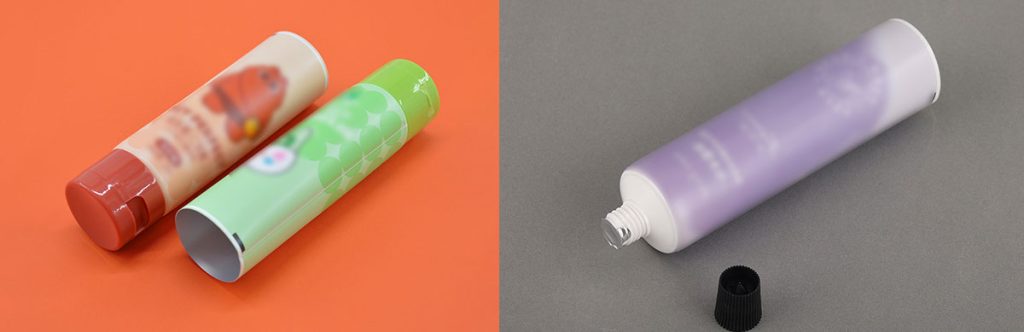
Material testing protects laminate tube production from costly printing failures. Operators who clean machines regularly and monitor processes maintain high standards. Real-world testing uncovers hidden issues and supports consistent quality. Manufacturers benefit from robust testing and maintenance protocols.
Manufacturers should invest in ongoing training and quality checks to build strong brands and reduce waste.
FAQ
What Causes Most Printing Failures in Lami Tube Production?
Printing failures often result from poor material quality, incorrect machine settings, or incompatible inks and adhesives. Operators can prevent many issues by testing materials and monitoring production closely.
How Often Should Operators Test Materials During Production?
Operators should test materials at the start of each shift and after any material change. Regular testing helps catch defects early and keeps production running smoothly.
Why Is Adhesion Testing Important for Laminate Tubes?
Adhesion testing checks how well layers bond together. Strong adhesion prevents ink smearing, delamination, and other defects. This test ensures that tubes meet quality standards.
Can Environmental Factors Affect Printing Quality?
Yes. High humidity or temperature changes can weaken materials and cause defects. Operators use environmental controls to keep conditions stable and protect print quality.
What Role Does Operator Training Play in Preventing Failures?
Operator training teaches staff to spot defects, use machines correctly, and follow testing protocols. Well-trained operators improve efficiency and reduce the risk of printing failures.