


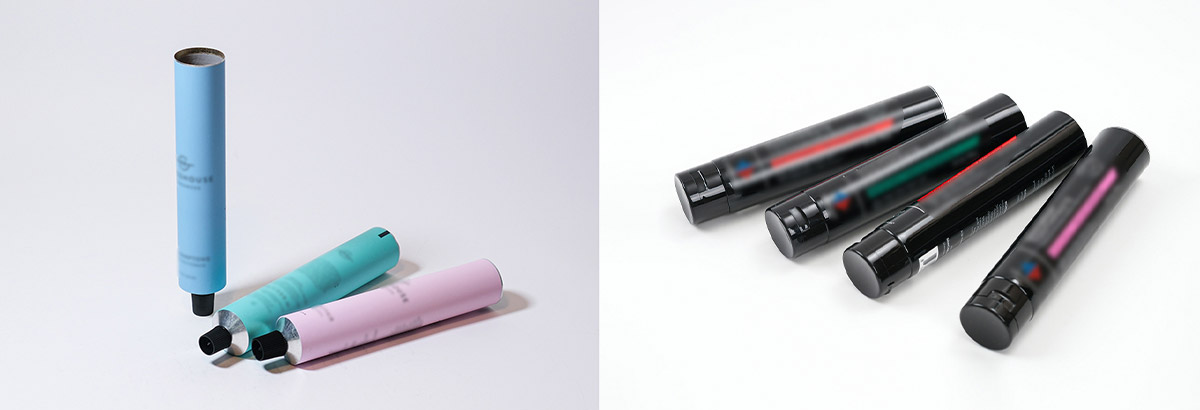
Statistical process control transforms laminated tube production by raising efficiency and quality. SPC enables early detection of process variations in roundness and straightness, which keeps quality at a high level. Operators use data from lami tube making machines for precise monitoring. The following table shows how metrics like average thickness, standard deviation, Cpk, and Ppk impact production and quality:
| Statistic | Description | Impact on Production |
|---|---|---|
| Average Thickness | Indicates material usage baseline | Helps run closer to target thickness, reducing waste |
| Standard Deviation | Measures process variation | Identifies improvements to tighten control |
| Cpk | Reflects short-term process capability | Aids in tuning line settings precisely |
| Ppk | Represents long-term process performance | Measures true output under real-world conditions |
Data-driven decisions play a key role in reducing defects and waste:
- Phased strategies for waste reduction lead to higher success rates.
- Statistical validation with control charts confirms performance improvements.
- Integrating spc with DMAIC identifies and eliminates root causes of waste.
Manufacturing plants that apply spc see measurable improvements in quality and productivity.
Key Takeaways
- Statistical Process Control (SPC) enhances quality and efficiency in laminated tube production by monitoring key metrics like roundness and straightness.
- Early detection of process variations through SPC prevents defects, reduces waste, and improves overall productivity in manufacturing.
- Real-time data collection from lami tube making machines allows operators to make quick adjustments, ensuring consistent quality in every product.
- Training staff on SPC principles and practices fosters a culture of continuous improvement, leading to higher customer satisfaction and better product outcomes.
- Effective communication and feedback loops among teams support timely responses to quality issues, driving ongoing enhancements in the production process.
Benefits of SPC in Laminated Tube Production
Improving Quality and Consistency
Statistical process control brings measurable improvement to laminated tube production by enhancing quality and consistency. SPC uses data-driven methods for quality control in manufacturing. Operators collect real-time data from each lami tube making machine. They monitor critical quality characteristics such as roundness and straightness. This approach helps them identify deviations early and maintain strict control over the process.
- SPC allows continuous monitoring of quality characteristics.
- Real-time analytics support timely corrections.
- Operators ensure that every laminated tube meets the required standards.
- The process reduces variability and improves consistency.
SPC fosters a culture of continuous improvement. Teams use data to drive decisions and refine their methods. They focus on quality control at every stage of manufacturing. This commitment to quality leads to higher customer satisfaction. Clients receive laminated tubes that meet their expectations for appearance and performance.
Reducing Defects and Waste
SPC plays a vital role in reducing defects and waste in laminated tube production. By monitoring quality characteristics, operators can detect issues before they become major problems. They use control charts to track process stability and spot trends that signal potential defects.
- Early detection of process variations prevents defective products.
- Teams address root causes quickly, which minimizes waste.
- Quality control measures help maintain high efficiency in production.
Manufacturing plants that use SPC see fewer rejected tubes and less material waste. This improvement in quality control leads to better resource utilization. Productivity increases as operators spend less time on rework and scrap management. The focus on quality characteristics ensures that each laminated tube meets strict standards. SPC supports both efficiency and quality, making it essential for modern laminated tube manufacturing.
SPC Fundamentals for Manufacturing Quality Control
Types of Variation in Production
Manufacturing quality control in laminated tube production depends on understanding the types of variation that can occur. These variations affect the final quality of each laminated tube. Operators must monitor every stage, from raw materials to finished products. The table below outlines the main types of variation found in this process:
| Type of Variation | Description |
|---|---|
| Raw Materials | Four primary raw materials: Laminate (ABL and PBL), Caps, Shoulders, Top Seal |
| Manufacturing Techniques | Slitting, Printing (Flexo, Letterpress, Digital), Tube Making, Sorting, Packing |
| Quality Checks | Detailed quality checks to meet industry standards |
By identifying these variations, teams can focus their monitoring efforts and improve manufacturing quality control.
Control Charts in Statistical Process Control
Control charts play a central role in spc for laminated tube manufacturing. These charts display process metrics over time, helping operators track stability and spot trends. Each control chart includes a center line for the average value, along with upper and lower control limits. When measurements from a lami tube making machine stay within these limits, the process remains stable. If values move outside the limits, operators know to investigate and adjust the process.
Control charts allow for quick identification of changes in quality. For example, if the length or roundness of laminated tubes starts to drift, the chart will show this trend. Teams can then act before defects occur. This approach supports consistent manufacturing quality control and reduces waste.
Data Collection with Lami Tube Making Machines
Accurate data collection forms the backbone of spc in laminated tube production. Operators use sensors and software on each lami tube making machine to gather real-time data. This information helps them identify defects and optimize processing parameters. Reliable data ensures that every laminated tube meets strict quality standards.
Manufacturing quality control relies on continuous monitoring and analysis. Teams use process modeling to reduce trial-and-error and improve efficiency. They also use testing methods to check quality throughout the product’s life. By focusing on data, manufacturers maintain high standards and deliver safe, reliable laminated tubes.
Tip: Early defect detection, multi-technology inspection, and real-time data collection are key principles of spc. These methods help prevent leaks, contamination, and waste, ensuring top quality in every laminated tube.
| Principle | Description |
|---|---|
| Early Defect Detection | Prevents leaks, contamination, and downstream waste, ensuring higher quality in production. |
| Multi-Technology Inspection | Achieves defect detection rates up to 99.9% in modern production lines, enhancing reliability. |
| Real-Time Data Collection | Allows immediate identification of trends or deviations, maintaining production quality. |
| Statistical Analysis | Cpk > 1.67 demonstrates compliance with pharmaceutical and cosmetic standards, ensuring safety. |
Implementing SPC in Laminated Tube Manufacturing
Identifying Critical Control Points

Teams in laminated tube production must first identify critical control points to implement spc effectively. These points represent the stages where process variation can impact quality the most. Operators examine each step, from raw material selection to final packing. They focus on parameters such as roundness, straightness, and wall thickness. The lami tube making machine often serves as a central hub for data collection and process monitoring.
A practical approach involves mapping the entire manufacturing process. Teams use flowcharts to visualize each stage. They then highlight areas where defects or waste are most likely to occur. For example, tube forming and sealing often require close attention. By pinpointing these stages, operators can apply spc manufacturing tools to monitor and control variation. This step lays the foundation for continuous process monitoring and long-term process improvement.
Staff Training and Awareness
Staff training and awareness play a vital role in successful spc implementation. Operators and technicians must understand both the principles and the practical aspects of statistical process control. Best practices for training and awareness include:
- Audit planning helps define objectives and select critical processes. A cross-functional team develops a structured checklist for effective audits.
- Document review ensures that training records match actual practices. Teams validate that documented procedures reflect real operations.
- On-site observation and interviews allow supervisors to observe operations and verify adherence to standard operating procedures. This step also assesses the effectiveness of training.
- Process capability and performance analysis uses spc data to check process stability and capability.
- Process control and non-conformance handling verify how teams manage non-conforming materials and implement corrective actions.
- Audit reports and improvement actions compile findings and recommendations. These drive continuous improvement and support quality enhancement.
Operators who receive regular training can respond quickly to process changes. They use spc tools to maintain quality control measures and support process optimization. Awareness programs also encourage staff to report issues and suggest improvements. This culture of engagement leads to better monitoring procedures and higher product quality.
Integrating SPC Technology
Integrating spc technology into manufacturing requires careful planning. Teams select software and hardware that fit the needs of the lami tube making machine and the overall production line. Modern systems collect real-time data on key parameters such as tube diameter, wall thickness, and seal integrity. Automated alerts notify operators when values approach control limits.
Manufacturers often use dashboards to display spc data. These dashboards show trends, control charts, and process capability indices. Operators can make quick decisions based on this information. For example, if the system detects a drift in tube roundness, the operator can adjust machine settings immediately. This integration supports continuous process monitoring and ensures that every laminated tube meets strict quality standards.
A successful integration also involves regular system updates and maintenance. Teams test new features and train staff on any changes. This approach keeps the spc manufacturing system reliable and effective.
Communication and Feedback Loops
Effective communication and feedback loops are essential for spc success in laminated tube production. Teams must share information about process performance, quality issues, and improvement actions. Regular meetings help operators, engineers, and managers stay aligned.
Feedback loops involve reviewing spc data and discussing results. Teams use this information to adjust processes and prevent future defects. For example, if a trend in wall thickness variation appears, the team investigates and implements corrective actions. This process supports long-term process improvement and quality enhancement.
Manufacturers also encourage open communication between shifts. Operators document any changes or issues in logbooks. This practice ensures that everyone stays informed and that quality control measures remain consistent.
Tip: Open communication and timely feedback help teams respond quickly to process changes. This approach reduces waste and supports ongoing improvement in laminated tube manufacturing.
Practical Examples in Laminated Tube Production
Monitoring Roundness and Straightness
Operators in laminated tube production rely on spc examples to monitor roundness and straightness. They use sensors on each lami tube making machine to collect measurements. These measurements help teams compare actual tube shapes to ideal specifications. When the system detects a deviation, operators can adjust machine settings immediately. This approach prevents defects and maintains high quality. Many manufacturing plants use these spc examples to ensure every laminated tube meets strict standards. Teams often review data trends to spot early signs of drift. This process supports continuous improvement and reduces waste.
Real-Time Quality Control
Real-time quality control stands as one of the most effective spc examples in modern manufacturing. Operators use advanced technology to inspect every laminated tube as it moves through the production line. The following table highlights several methods used for real-time monitoring:
| Method | Description | Effectiveness |
|---|---|---|
| Machine Vision Systems | High-resolution systems check seals at speeds over 250 tubes per minute. | 92% fewer rejects due to leaks compared to manual checks. |
| Ultrasonic Sealing Equipment | Uses force sensors and acoustic transducers to monitor seal quality. | Catches micro leaks down to 5 microns, ensuring product integrity in sensitive applications. |
| Infrared Cameras | Verifies thermal consistency during sealing processes. | Ensures temperatures are maintained within 2 degrees Celsius for proper fusion. |
| Laser Profilometers | Measures seal edge shapes to detect inconsistencies. | Rejects units with width differences greater than 0.1 mm, maintaining high conformity rates. |
These spc examples show how technology improves quality and efficiency. Operators receive instant feedback from the lami tube making machine, allowing them to correct issues before they affect large batches. Real-world spc examples like these help manufacturers maintain high standards and reduce costly rework.
Lessons from Industry Practice
Manufacturers share several real-world spc examples that highlight best practices. Teams often use daily review meetings to discuss process data and recent quality trends. Operators document every adjustment made to the lami tube making machine. This habit creates a clear record for future reference. Many plants encourage staff to suggest process improvements based on spc data. These examples show that open communication and teamwork drive success in laminated tube production. Continuous monitoring and feedback loops lead to fewer defects and higher customer satisfaction.
Note: Consistent use of spc examples in manufacturing leads to measurable improvement in both product quality and operational efficiency.
Conclusion

SPC improves laminated tube quality and reduces defects. Teams use spc to monitor every lami tube making machine and keep production consistent. For successful spc adoption, they should choose the right chart, set control limits from process data, and check measurement systems. Staff training on spc interpretation helps everyone respond to signals. Regular review of spc results keeps manufacturing efficient. Leaders should assess current quality control and consider spc for better laminated tube outcomes.
FAQ
What Is Statistical Process Control (SPC) in Laminated Tube Production?
SPC uses data to monitor and control the manufacturing process. Operators track key parameters like roundness and straightness on each lami tube making machine. This method helps maintain consistent quality in every laminated tube.
Why Should Manufacturers Use SPC with Lami Tube Making Machines?
Manufacturers use SPC to detect process changes early. This approach reduces defects and waste. Teams can quickly adjust the lami tube making machine settings to keep laminated tube quality high.
How Do Control Charts Help in Laminated Tube Manufacturing?
Control charts show trends in production data. Operators use these charts to spot unusual changes in laminated tube dimensions. Quick action based on chart signals prevents defects and keeps the process stable.
What Training Do Staff Need for Effective SPC?
Staff need training on data collection, chart interpretation, and machine adjustments. Regular practice helps operators use SPC tools confidently. Well-trained teams improve laminated tube quality and reduce errors.
Can SPC Reduce Costs in Laminated Tube Production?
Yes. SPC lowers costs by reducing scrap, rework, and downtime. Teams use real-time data from lami tube making machines to make fast corrections. This process saves materials and boosts productivity.