


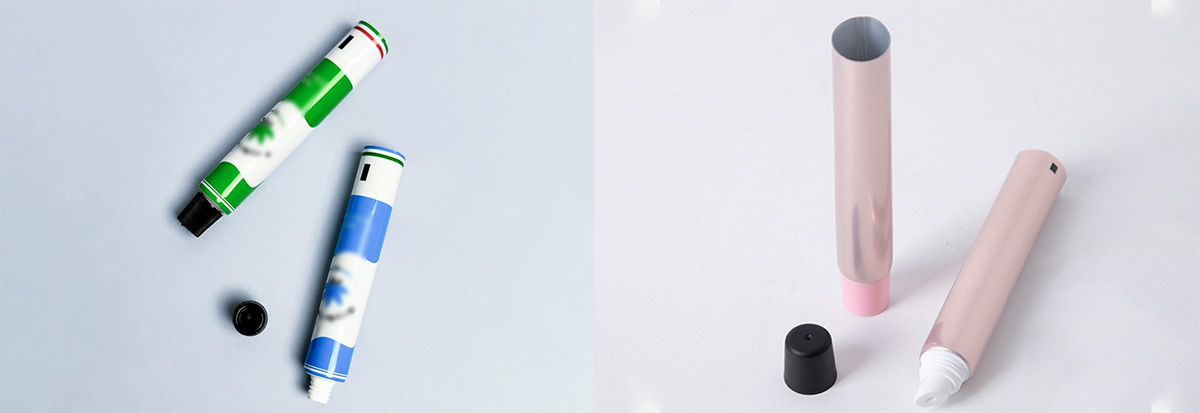
The circular economy has sparked a major transformation in the laminated tubes industry. Companies now focus on eco-design and efficient recycling, using lami tube making machines to create more sustainable packaging. Recent trends show a shift toward recyclable and biodegradable materials, as shown below:
| Evidence Type | Description |
|---|---|
| Market Shift | Significant shift towards sustainable practices in laminated tubes market. |
| Material Use | Increasing adoption of recyclable and biodegradable materials. |
| Innovation | Launch of recyclable laminated toothpaste tube by Kimpai Lamitube in April 2023. |
Many brands now prioritize sustainability.
- In December 2020, EPL Limited received global recognition for their Platina Tube, the first fully sustainable and recyclable tube, including the cap and shoulder.
- In June 2021, EPL Limited partnered with Unilever to supply Platina Tubes for the toothpaste category.
Collaboration across the packaging sector drives these changes, with each new laminated tube reflecting progress toward a greener future.
Key Takeaways
- The circular economy transforms the laminated tubes industry by promoting eco-design and efficient recycling.
- Sustainable packaging practices, such as using recyclable and biodegradable materials, are becoming essential for brands to meet consumer expectations.
- Collaboration among manufacturers, recyclers, and brand owners drives innovation and improves the recyclability of laminated tubes.
- Regulatory pressures encourage companies to adopt sustainable practices, leading to a growing market for eco-friendly packaging solutions.
- Investing in advanced technologies and materials will help manufacturers overcome challenges and shape a greener future for laminated tubes.
Circular Economy in Packaging
Principles of Circular Packaging
The circular economy introduces a new approach to packaging by focusing on resource efficiency and waste minimization. Companies in the laminated tube industry now design products that remain in use for as long as possible. They use eco-design principles to create packaging that supports recycling and reduces environmental impact. The following table outlines the core principles of circular packaging:
| Principle | Description |
|---|---|
| Keeping products and materials in use | Ensuring that products and materials are reused and recycled to extend their lifecycle. |
| Designing out waste and pollution | Creating packaging that minimizes waste and prevents pollution during production and disposal. |
| Regenerating natural systems | Implementing practices that restore and enhance natural ecosystems. |
Laminated tubes benefit from these principles by using recyclable materials and optimizing manufacturing processes. The use of a laminated tube making machine allows manufacturers to produce tubes with less waste and higher efficiency. This shift supports the broader goal of sustainable packaging across the industry.
Waste Reduction Strategies
Waste reduction strategies play a key role in the circular economy. Manufacturers of laminated tubes adopt several methods to minimize waste and improve recyclability. Many companies now use 100% monomaterial polypropylene (PP) that is aluminium-free. This material offers high barrier properties and chemical resistance, which helps maintain product quality. The tubes receive HTP_CYCLOS certification, showing a 98% recyclability score. They can be sorted into the PP recycling stream and mechanically recycled into new resin for non-food items. Thinner laminate walls also reduce raw material use while keeping performance high.
- Companies increase the use of recyclable and bio-based materials in laminated tube packaging.
- Recycled plastics divert waste from landfills and lower resource consumption.
- Bio-based polymers provide a sustainable alternative to traditional plastics.
- Compostable materials help reduce landfill waste and support a circular economy.
- Design optimization through lightweighting and minimizing material usage enhances resource efficiency.
- Refillable packaging systems offer further waste reduction.
These strategies, combined with lami tube making machines, help the industry move toward a future where sustainable packaging and recycling become standard practices.
Laminated Tubes Market Trends
Growth in Sustainable Packaging
The global laminated tubes market has experienced rapid growth due to the rising demand for sustainable packaging. Many companies now focus on eco-friendly solutions to meet consumer expectations and regulatory requirements. They invest in new materials and technologies that improve the recyclability of tubes. For example, manufacturers use mono-material structures that allow easier recycling. These structures help reduce waste and support a circular economy.
Germany leads Europe in adopting sustainable packaging practices. Companies in this region often use bio-based materials and lightweight designs. These choices lower the environmental impact of laminate tube packaging. In the Asia-Pacific region, rapid urbanization and a growing middle class drive the need for innovative packaging. Local manufacturers respond by developing recyclable tubes and exploring compostable options.
Note: Sustainable packaging not only benefits the environment but also strengthens brand reputation. Companies that adopt green practices often gain a competitive edge in the market.
The future of the laminated tubes market will depend on continued innovation. New barrier technologies and improved manufacturing processes will help companies meet strict sustainability goals. As a result, the industry expects to see more recyclable and bio-based tubes in the coming years.
Collaboration Across the Industry
Collaboration plays a crucial role in advancing sustainability within the laminated tubes market. Manufacturers, recyclers, and brand owners work together to create solutions that address environmental challenges. These partnerships help improve the design and recyclability of tubes.
- Manufacturers share best practices for material selection and tube design.
- Recyclers provide feedback on how to make tubes easier to process.
- Brand owners set ambitious sustainability targets and encourage suppliers to innovate.
A recent example highlights this trend. In 2021, several leading companies in Germany and the Asia-Pacific region formed alliances to develop recyclable tubes. These efforts resulted in new products that meet both performance and environmental standards.
| Stakeholder | Contribution to Sustainability |
|---|---|
| Manufacturers | Develop new materials and tube designs |
| Recyclers | Improve recycling processes for tubes |
| Brand Owners | Set sustainability goals and drive innovation |
The global laminated tubes market benefits from these collaborations. By working together, industry players can overcome technical barriers and accelerate the adoption of sustainable packaging. This teamwork ensures that the market continues to grow while meeting the needs of both consumers and the environment.
Regulatory and Market Drivers
Global Packaging Regulations
Governments around the world have introduced strict rules to promote sustainability in packaging. These regulations encourage companies to improve recyclability and reduce waste. The following table shows how major regions approach packaging laws:
| Region | Key Regulations and Initiatives |
|---|---|
| Europe | EU’s Circular Economy Action Plan, Packaging and Packaging Waste Directive, Single-Use Plastics Directive, Germany’s Packaging Act, France’s eco-design regulations. |
| Asia-Pacific | China’s recycling targets and waste sorting, Japan’s Containers and Packaging Recycling Act, South Korea’s EPR programs, Australia’s National Packaging Targets. |
| North America | EPR legislation in states like Maine, California, and Canada’s CCME guidelines for packaging stewardship. |
Europe leads with comprehensive policies that require companies to design recyclable packaging and limit single-use plastics. Asia-Pacific countries set ambitious recycling targets and promote extended producer responsibility (EPR) programs. North America sees states and provinces adopting stewardship guidelines and EPR laws. These regulations push the laminated tubes market to adopt recyclable materials and improve recycling systems.
Consumer Demand for Green Packaging
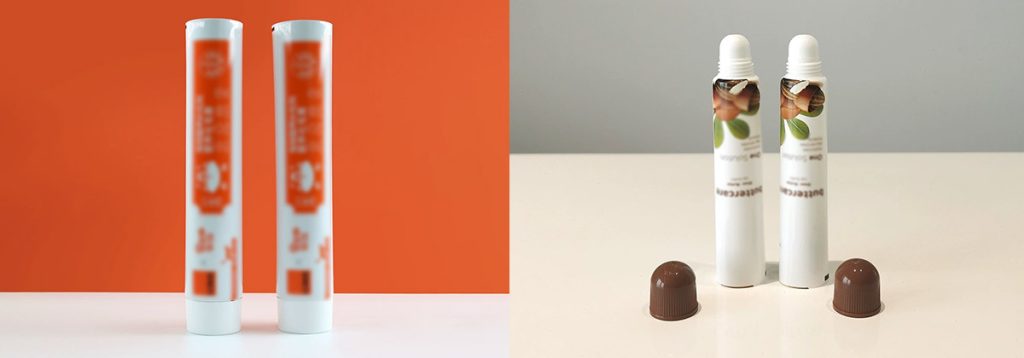
Consumer preferences have shifted toward eco-friendly packaging. People now expect brands to use sustainable materials and reduce environmental impact. Market research shows that the global laminate tube packaging market is changing because of this demand. Companies respond by developing recyclable and biodegradable tubes.
- The tube packaging market grows as consumers become more aware of sustainable options.
- Manufacturers create recyclable and sustainable laminated tubes to meet rising environmental awareness.
- Brands use biodegradable materials and recyclable plastics in their products.
This trend drives innovation in the laminated tubes. Companies focus on recyclability and eco-design to attract environmentally conscious buyers. As a result, the laminated tubes market continues to evolve, with more brands investing in green packaging solutions.
Regional Growth and Opportunities
Asia-Pacific Expansion
Asia-Pacific stands out as a dynamic region for the global laminated tubes market. Manufacturers in this area see strong growth due to rising demand for convenient and sustainable packaging. Urbanization and a growing middle class drive consumers to seek portable and hygienic tubes for cosmetics and personal care. The region also benefits from rapid advancements in packaging technologies, which improve both efficiency and product quality.
| Contributing Factors | Description |
|---|---|
| Increasing Consumer Demand | More people want portable, cost-effective, and hygienic packaging solutions. |
| Preference for Sustainable Packaging | Consumers favor sustainable options, such as post-consumer resins (PCR). |
| Advancements in Packaging Technologies | New technology makes tubes more appealing and functional. |
| Growth of E-commerce | Online shopping increases the need for efficient packaging. |
Local regulations and consumer trends in Asia-Pacific encourage the use of recyclable and bio-based materials. Many companies now offer biodegradable laminated tubes to meet both environmental standards and customer expectations. The ability to customize size, shape, and graphics attracts a wide range of industries, further boosting market growth.
Tip: Companies that invest in advanced production technology and customization options can capture more opportunities in this fast-growing region.
European Market Trends
Europe takes a different approach to the circular economy in packaging. Strict regulations, such as the EU Circular Economy Action Plan, push companies to use recyclable and biodegradable materials. Germany leads the way with high compliance standards, setting a benchmark for the rest of Europe. Manufacturers across the continent must innovate with sustainable materials to stay competitive.
The European laminated tubes market sees strong demand from the beauty sector. Consumers prefer transparent and eco-friendly packaging, which increases the popularity of tubes made from bio-based and recyclable materials. Government incentives also encourage companies to reduce their carbon footprint and develop new eco-friendly solutions.
| Driver | Description |
|---|---|
| Demand from Cosmetics and Personal Care | The beauty industry drives demand for laminated tubes. |
| Advanced Production Technology | New technology improves efficiency and quality. |
| Customization Options | Custom features attract more industries. |
The future of the laminated tubes market in Europe will depend on continued innovation and adaptation to evolving regulations. Companies that lead in sustainability will shape the direction of the industry.
Future of Laminated Tubes
Emerging Technologies
The future outlook for laminate tube packaging centers on new technologies and sustainable materials. Automation and AI-driven quality control now improve efficiency and precision in manufacturing. Digital printing technology allows companies to offer greater customization and personalization for tubes. These advances help brands respond quickly to changing consumer preferences.
Manufacturers also focus on innovation in industry-specific laminates and anti-microbial coatings. These features improve product safety and extend shelf life. The rise of advanced barrier technologies supports the development of fully recyclable laminate tubes and mono-material laminated tubes. Many companies now use bio-based laminate structures and recycled plastic laminate tubes to create a low-carbon alternative to traditional packaging.
Key trends shaping the laminated tubes market include:
- The use of recyclable pbl tubes and fully recyclable pbl tubes to meet stricter environmental regulations.
- The adoption of smart closures, such as RFID tags, to enhance product integrity and traceability.
- The shift toward reusable and recyclable packaging options.
Note: The global cosmetic laminated tube packaging market is expected to grow from $2.5 billion in 2023 to $4.2 billion by 2032, driven by consumer demand for sustainable and user-friendly solutions.
Ongoing Challenges
Despite rapid progress, the industry faces several challenges in achieving circularity and end-of-life recyclability. The use of mixed plastics and complex designs in tubes makes recycling difficult. Sustainable materials often cost more than virgin plastics, which can affect profit margins for manufacturers. Global supply chain disruptions, such as geopolitical events and natural disasters, can limit access to raw materials and increase production costs.
A table below summarizes the main challenges and opportunities:
| Challenge | Opportunity |
|---|---|
| Complex tube designs hinder recyclability | Innovation in mono-material and recyclable tubes |
| High cost of sustainable materials | Growth in demand for low-carbon alternatives |
| Supply chain vulnerabilities | Investment in local and bio-based materials |
Industry stakeholders continue to invest in research and development to address these issues. They prepare for future regulations by adopting biodegradable laminates and recyclable substrates. As the market grows, companies that lead in sustainability and innovation will shape the next generation of fully recyclable laminate tubes.
Conclusion

The circular economy continues to reshape the laminated tubes market. Manufacturers now use recyclable and eco-friendly materials to meet rising consumer and regulatory demands. Companies form partnerships with biotech firms to create specialized tubes for sensitive products. Regulatory pressures, such as strict FDA standards, push for higher quality and biodegradable packaging.
| Challenges | Opportunities |
|---|---|
| High material costs | Advanced material development |
| Regulatory variances | Strategic collaborations |
| Technological barriers | R&D investments |
Sustainable laminated tubes face challenges, but new materials and industry teamwork offer hope for a greener future. Consumers can help by choosing packaging that supports a circular economy.
FAQ
What Is a Laminated Tube?
A laminated tube is a type of packaging made by layering different materials. Manufacturers use these tubes for products like toothpaste, cosmetics, and pharmaceuticals. The layers provide strength, flexibility, and protection for the contents.
How Do Laminated Tubes Support The Circular Economy?
Laminated tubes support the circular economy by using recyclable or biodegradable materials. Manufacturers design these tubes for easy recycling. Many companies now use mono-material structures, which help reduce waste and promote resource efficiency.
Why Are Mono-Material Tubes Important?
Mono-material tubes use only one type of plastic. This design makes recycling easier and more effective. Companies can sort and process these tubes without separating different materials, which increases recycling rates and reduces environmental impact.
What Challenges Do Manufacturers Face with Sustainable Tubes?
Manufacturers face challenges such as higher costs for sustainable materials and complex recycling processes. They also need to meet strict regulations. Investment in research and new technology helps overcome these barriers.
How Can Consumers Support Sustainable Packaging?
Consumers can support sustainable packaging by choosing products with recyclable or biodegradable tubes. Reading labels and recycling tubes properly also helps. Consumer demand encourages companies to invest in greener solutions.