


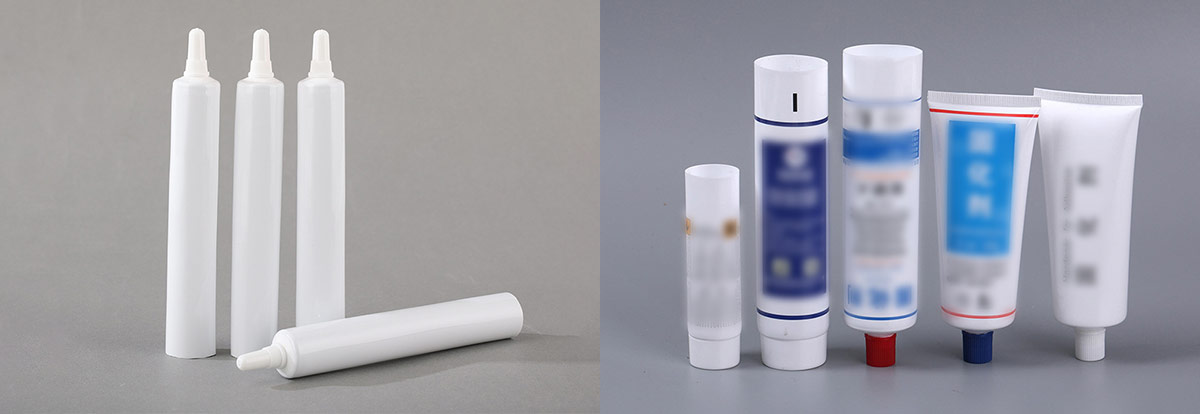
E-commerce and modern retail formats demand agile solutions in lami tube packaging. Brands now focus on lightweight, flexible, and durable designs to meet shifting consumer needs. The global personal care and cosmetics sector has surpassed $500 billion in 2024, with laminated tubes accounting for 42% of personal care packaging demand last year.
| Metric | Value |
|---|---|
| Global personal care and cosmetics sector | Over $500 billion in 2024 |
| Personal care segment laminate tube demand | 42% of total demand in 2023 |
| Growth influence of e-commerce | Increased need for durable packaging |
- The laminated tubes market will reach USD 2.51 billion in 2026.
- By 2035, it is projected to hit USD 4.28 billion.
- The CAGR is expected at 6.1% from 2026 to 2035.
Key Takeaways
- E-commerce growth drives demand for lightweight and durable lami tube packaging, ensuring product safety during shipping.
- Brands must adopt agile packaging solutions to meet the needs of omnichannel retail, balancing flexibility and consumer preferences.
- Personalization in packaging enhances brand identity, with digital printing allowing for unique designs and shorter production times.
- Sustainable materials are essential for modern packaging, appealing to eco-conscious consumers and reducing environmental impact.
- Advanced manufacturing technologies improve production speed and flexibility, enabling brands to quickly adapt to market changes.
Retail Formats and Agility
E-Commerce Impact
E-commerce platforms have transformed the way brands approach packaging. Companies now prioritize packaging that protects products during shipping and attracts consumers online. The rapid growth of online retail has increased the need for packaging that is both visually appealing and secure. Consumer expectations for packaging security and durability have risen. Brands must innovate with materials and designs to meet these demands and maintain product integrity during transit.
- E-commerce is projected to account for about 24.3% of laminate tube revenues by 2025.
- The sector is expected to grow at a CAGR of 8.1% through 2034.
- Online platforms such as Amazon and Alibaba are changing how consumers purchase products in laminate tubes, especially in oral care, cosmetics, and pharmaceuticals.
- The shift to online sales requires thicker, more damage-resistant laminate structures due to increased mechanical stress during shipping.
- E-commerce growth is especially strong in Asia Pacific and North America, creating new consumption channels for laminated tubes.
Omnichannel Trends
Omnichannel retail combines physical and digital shopping experiences. This trend drives the need for agile packaging solutions that work across multiple sales channels. Brands must adapt quickly to changing consumer preferences and retail environments.
- Lightweight packaging formats like flexible pouches and poly mailers are gaining popularity for their lower material usage and reduced shipping costs.
- These solutions enhance durability and versatility, especially for non-fragile goods.
- The shift to lightweight materials supports sustainability by lowering transportation emissions.
- The flexible plastic bags packaging market is expanding as industries like food, beverage, and personal care adopt these options for better logistics and product protection.
- Real-time data collection helps brands optimize demand and improve forecasting.
- Smart packaging technologies increase transparency and efficiency in the supply chain.
- Inconsistent packaging confuses consumers and disrupts the shopping experience, making a unified brand identity essential.
- Companies like Procter & Gamble, Hello Fresh, and Goby have introduced channel-specific packaging strategies to meet omnichannel demands.
Personalization Demands
Personalization has become a key factor in modern retail. Brands use advanced printing and design techniques to create unique packaging that stands out on shelves and online. Digital printing allows for flexible designs, shorter lead times, and efficient small-batch runs.
| Trend | Description |
|---|---|
| Customization and personalization | Brands use high-definition printing and unique designs for greater shelf appeal and brand identity. |
| Digital printing adoption | Digital printing offers flexible designs, shorter lead times, and efficient small-batch runs. |
- Consumers now prefer products with fewer preservatives and chemicals, which aligns with the protective qualities of lami tube packaging.
- The lightweight and portable nature of laminated tubes appeals to on-the-go consumers.
- Growing awareness of personal health and product safety increases demand for packaging that offers protection and peace of mind.
- The move toward natural and eco-friendly products influences manufacturers to choose packaging that meets these preferences.
Agility in Lami Tube Packaging
Lami tube packaging must adapt quickly to changes in consumer preferences and retail channels. Brands face pressure to deliver products that meet both online and offline demands. Agility in packaging ensures that companies can respond to market shifts, maintain product quality, and enhance customer satisfaction. The following sections explore how supply chain flexibility, production speed, and design innovations drive agility in this sector.
Supply Chain Flexibility
Manufacturers of lami tube packaging encounter several challenges when building flexible supply chains. They must address recyclability concerns, compliance costs, and raw material price fluctuations. The table below outlines these key challenges:
| Challenge Type | Description |
|---|---|
| Recyclability Concerns | Laminated tubes face significant recycling challenges due to their multi-material composition, which complicates the recycling process and increases costs. |
| Compliance Costs | Approximately 29% of packaging companies experience higher compliance costs due to changing labeling and safety standards, impacting their operational flexibility. |
| Price Fluctuations of Raw Materials | The volatility in the prices of essential raw materials, such as plastics and aluminum, creates unpredictability in production costs, forcing manufacturers to adjust their pricing strategies or absorb increased expenses. |
Supply chain agility allows companies to adapt to uncertainties and reduce packaging lead times. During events like the COVID-19 pandemic, manufacturers established new supply chains to meet urgent needs. This adaptability helps brands respond to demand fluctuations and supply chain disruptions. Lami tube making machine supports this flexibility by enabling quick changes in production runs and materials.
Production Speed
Production speed plays a critical role in the agility of lami tube packaging. Manufacturers use advanced technologies to increase output and reduce downtime. The following points highlight how production speed in laminated tube manufacturing compares to other packaging formats:
- Production rates for laminated tubes can reach between 60 to 120 tubes per minute, depending on the size and characteristics of the product.
- Sealing times for laminated tubes are notably quick, ranging from 1 to 3 seconds, which enhances overall production speed.
- The use of ultrasonic sealing technology allows for faster cycle times, with seal formation occurring in just 0.5 to 2 seconds.
Technological advancements have further improved production speed. The table below summarizes key technologies and their features:
| Technology Type | Features | Speed (tubes/min) | Sustainability Aspect |
|---|---|---|---|
| High-speed laminate tube lines | Capable of producing up to 600 tubes per minute, maximizing efficiency. | Up to 600 | Supports recyclable PBL and traditional ABL. |
| Decoseam™ technology | 360° decorated cosmetic tubes with premium aesthetics. | 100 to 240 | Utilizes recyclable PBL, paper, and PCR. |
| Decoplas™ lines | Fully automatic machines with complete 360° label decoration. | Up to 240 | Achieves sustainability with up to 100% PCR PE. |
| Plastomatic™ lines | High-quality, sustainable packaging with direct printing. | 100 to 240 | Uses lightweight, recyclable, and PCR materials. |
These innovations allow manufacturers to meet tight deadlines and respond to sudden changes in order volume. Fast production also supports last-mile delivery efficiency, ensuring products reach consumers quickly and in perfect condition.
Lightweight and Durable Design
The design of lami tube packaging must balance lightweight construction with durability. This balance is essential for both shipping and shelf appeal. The table below describes the materials and features that contribute to these qualities:
| Material/Feature | Description |
|---|---|
| Aluminum Barrier Laminate (ABL) | Contains an aluminum foil layer that protects against light, oxygen, and moisture. |
| Plastic Barrier Laminate (PBL) | Made of all-plastic layers with an EVOH barrier, offering flexibility and recyclability. |
| Multi-layer construction | Enhances durability and performance while maintaining a lightweight profile. |
| Advanced sealing options | Improves the integrity and aesthetic appeal of the packaging. |
Laminated tube designs use multi-layer construction to protect products from external factors while keeping the package light. Advanced sealing options improve both the strength and appearance of the packaging. These features help brands maintain a strong shelf presence and ensure products survive last-mile delivery. The use of recyclable materials in lami tube packaging also supports sustainability goals, which appeals to environmentally conscious consumers.
Strategies for Agile Packaging
Advanced Lami Tube Making Machine
Manufacturers rely on advanced lami tube making machine to achieve greater agility in production. These machines feature lightweight and compact filling equipment, which streamlines operations and reduces space requirements. The integration of IoT sensors enables remote monitoring and predictive maintenance, minimizing downtime and ensuring consistent output. Enhanced precision in filling processes delivers high-quality packaging with smooth finishes and reliable seals.
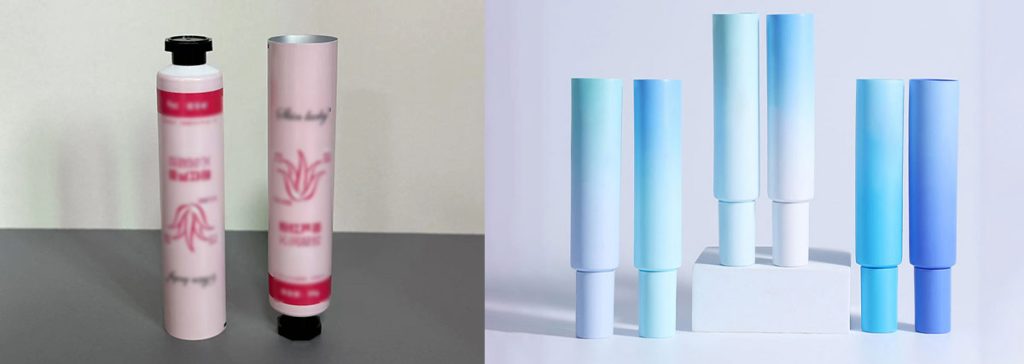
Recent innovations include digitally-controlled crimping systems and laser welding, which improve customization flexibility. Brands can experiment with tube design, closure options, and sizes. The adoption of Industry 4.0 frameworks allows for real-time data collection and process optimization. These advancements support faster production rates and high-speed capabilities, making it possible to respond quickly to market changes.
Note: Advanced lami tube making machine enables brands to incorporate smart packaging features, such as QR codes and augmented reality applications, which add value to the consumer experience.
| Aspect | Description |
|---|---|
| Customization Flexibility | Brands can experiment with tube design, closure options, and sizes. |
| Production Speed | Advanced machines deliver high-quality packaging at a faster rate. |
| Quality Assurance | Precise sealing and smooth finishes protect products from leakage and contamination. |
| Material Innovation | Use of bio-based plastics and recyclable polymers enhances sustainability. |
| Smart Packaging Features | Support for QR codes and AR applications adds value to the packaging experience. |
Manufacturers also utilize local suppliers and buffer stocks to enhance supply chain agility. Flexible production systems support small lot sizes and rapid color changeovers, allowing companies to adapt to shifting consumer preferences.
Automation and Digital Tools
Automation and digital tools play a crucial role in improving the agility of laminated tube production. Lean manufacturing and automated processes minimize lead times and increase efficiency. Smart manufacturing utilizes AI, robots, and IoT to streamline operations and ensure consistent quality.
| Aspect | Description |
|---|---|
| Manufacturing and Supply Chain | Lean manufacturing and automated processes minimize lead times and increase efficiency. |
| Smart Manufacturing | AI, robots, and IoT streamline processes and enhance consistency. |
| Data-Driven Decisions | Real-time analytics optimize material use and reduce waste. |
| Focus on Process Automation | Automated lines reduce human error and boost output, especially in high-demand sectors. |
| Investment Initiatives | Companies invest in eco-friendly materials and high-speed production technologies. |
Access to real-time data facilitates informed decision-making regarding costs, timelines, and compliance. The iterative nature of agile methodologies allows for ongoing feedback and adjustments, which can lead to significant improvements in sustainability. Collaboration across departments improves the chances of developing greener and more recyclable packaging.
Manufacturers expand local sourcing to reduce reliance on global supply chains. Enhanced inventory strategies, such as buffer stocks, help navigate market volatility and mitigate risks from trade measures. Automation projects, like automated tube cut off and forming, increase production capacity and resolve quality issues.
Sustainable Material
Sustainable materials have become essential in lami tube packaging. Manufacturers increasingly adopt recyclable laminates, mono-material solutions, and bio-based materials. Recyclable polyethylene (PE)-based tubes are popular in personal care and food sectors. Brands explore bio-based resins, such as sugarcane-derived PE, to enhance sustainability.
| Sustainable Practice | Impact on Environment |
|---|---|
| Use of PCR materials | Reduces reliance on virgin plastic |
| Recyclable materials (PE and PP) | Enhances recyclability and reduces waste |
| Lightweight designs | Lowers raw material usage and transportation emissions |
Lightweight designs lower raw material usage and transportation emissions. The use of post-consumer recycled (PCR) materials reduces reliance on virgin plastic. These practices align with consumer demand for eco-friendly options and regulatory pressures against non-recyclable plastics.
Manufacturers improve supply chain agility by adopting versatile materials that support rapid adaptation. The iterative approach of agile packaging strategies allows for ongoing feedback and adjustments, leading to better sustainability outcomes. Real-time analytics optimize material use and reduce waste, supporting environmental goals.
Tip: Sustainable materials not only reduce environmental impact but also enhance brand reputation and consumer trust.
Industry Examples and Trends
Cosmetics and Personal Care
The cosmetics and personal care industry continues to drive innovation in lami tube packaging. Brands respond to changing consumer habits and increased beauty awareness by adopting new packaging solutions. Several trends shape this sector:
- Skincare routines are becoming more complex, leading to higher demand for convenient and protective packaging.
- E-commerce and direct-to-consumer brands require lightweight and tamper-evident tubes for safe delivery.
- Digital printing technology allows brands to create customized tubes with high-quality graphics, enhancing shelf appeal.
- Many companies focus on eco-friendly options to attract environmentally conscious shoppers.
Manufacturers also prioritize scalability and flexibility. They design systems that handle small batch sizes and adapt quickly to new product launches. The table below highlights features of successful agile packaging solutions in this industry:
| Feature | Description |
|---|---|
| Scalability | Systems handle small batches and rapid demand shifts. |
| Modular Design | Flexible setups allow tool-free changeovers and use of 3D-printed parts. |
| Speed and Output | High-speed lines enable quick market entry for new products. |
| Safety | Packaging solutions emphasize safety and effectiveness. |
Regional Market Growth
Regional trends reveal strong growth in lami tube packaging adoption. Asia-Pacific leads with the highest growth rate, fueled by rising incomes and expanding retail networks. North America and Europe remain leaders in market revenue and innovation. The following table summarizes key regional drivers:
| Region | Growth Rate (CAGR) | Key Drivers |
|---|---|---|
| Asia-Pacific | 8.3% | Rising disposable incomes, retail expansion |
| North America | — | Innovation, strong consumer goods sector |
| Europe | — | High-quality demand, advanced designs |
Key factors influence these trends. North America focuses on sustainability and advanced technology. Europe emphasizes regulatory compliance and premium packaging. Asia-Pacific benefits from manufacturing hubs and a growing middle class. Latin America and the Middle East & Africa see evolving consumer preferences and increased investment in packaging.
Value Chain Collaboration
Collaboration across the value chain strengthens agility and innovation. Brands, suppliers, and technology providers work together to develop new materials and improve production processes. This teamwork helps companies respond quickly to market changes and regulatory requirements. Shared data and transparent communication support faster decision-making and better resource management. As a result, the industry delivers packaging that meets consumer expectations for quality, safety, and sustainability.
Conclusion
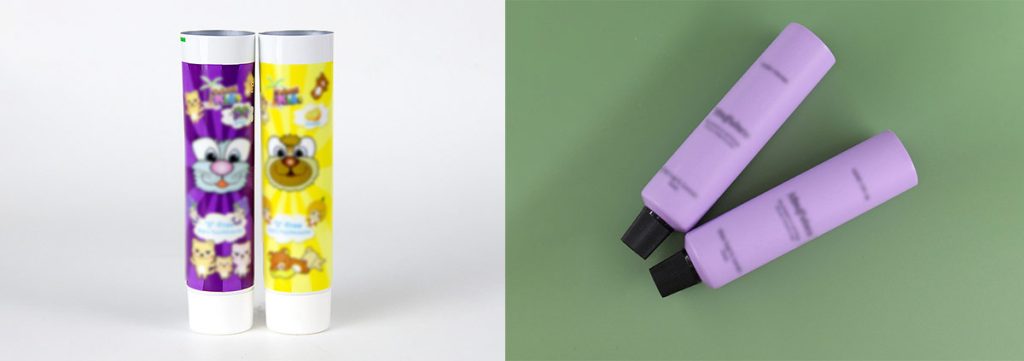
Agility in lami tube packaging shapes the future of modern retail. Brands and manufacturers invest in advanced machinery and digital tools to stay competitive. The table below highlights key trends for improving agility:
| Key Trend/Factor | Description |
|---|---|
| Consumer-Centric Packaging Solutions | Convenience and precise dispensing drive consumer preference. |
| Advancements in Closure Technology | New launches focus on sustainability and safety features. |
| Sustainable Packaging Solutions | Eco-friendly materials reduce environmental impact. |
Companies benefit from features such as exceptional barrier protection and sustainability innovations. Ongoing investment and collaboration will help brands adapt to evolving retail formats.
FAQ
What Is Lami Tube Packaging?
Lami tube packaging uses laminated layers to protect products. Manufacturers choose this method for its durability and flexibility. Many brands in cosmetics and personal care prefer lami tubes for their lightweight design and strong barrier properties.
How Do New Retail Formats Affect Packaging Choices?
New retail formats, such as e-commerce and omnichannel stores, require packaging that withstands shipping and attracts buyers. Brands select agile packaging solutions to meet these demands. They focus on lightweight, durable, and visually appealing designs.
Why Do Manufacturers Invest in Advanced Lami Tube Making Machine?
Manufacturers invest in advanced machine to increase production speed and flexibility. The machine allows quick changes in design and materials. It also supports high-quality finishes and efficient output.
Are Sustainable Materials Important in Lami Tube Packaging?
Sustainable materials play a key role in lami tube packaging. Brands use recyclable and bio-based materials to reduce environmental impact. Consumers trust companies that prioritize eco-friendly packaging.
How Does Automation Improve Packaging Agility?
Automation improves agility by streamlining production and reducing errors. Automated systems enable faster response to market changes. Real-time data helps optimize processes and maintain consistent quality.