


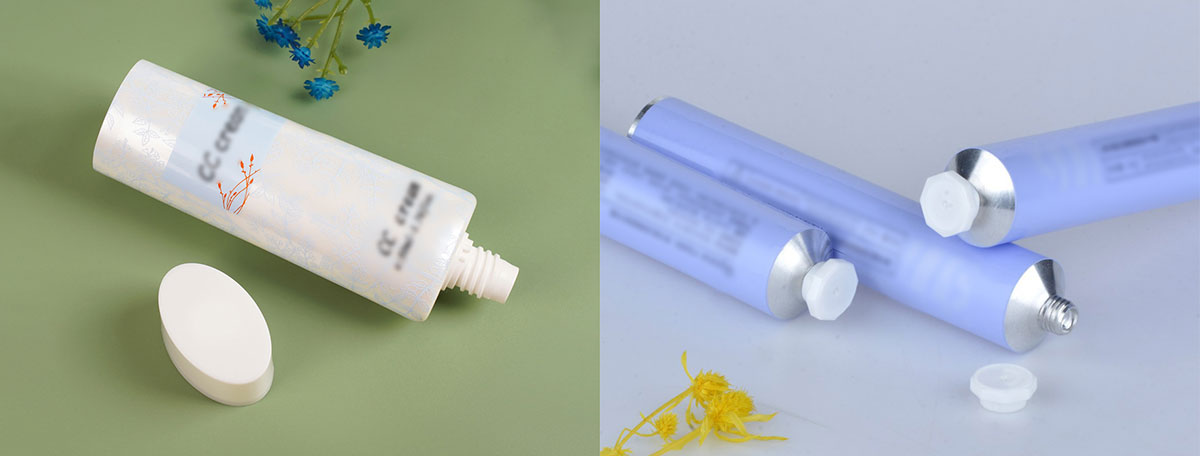
Manufacturers recognize that controlling surface tension and surface energy plays a vital role in the lami tube manufacturing process. Dyne testing offers a reliable way to measure these properties before printing or bonding. Without proper dyne level, ink may not adhere well, leading to defects in laminated tubes. Regular dyne testing on each lami tube making machine helps detect issues early. This approach reduces the risk of costly recalls from adhesion failures, saving thousands in lost revenue. Effective testing ensures consistent quality and strong adhesion, supporting superior product performance.
Key Takeaways
- Dyne testing is crucial for measuring surface energy, ensuring proper ink adhesion and preventing defects in lami tubes.
- Regular dyne testing helps identify issues early, reducing the risk of costly recalls and improving overall production efficiency.
- Different dyne testing methods, like the dyne pen and draw down methods, offer various levels of accuracy and practicality for manufacturers.
- Surface treatments, such as plasma and corona, enhance surface energy, improving wettability and adhesion for better product performance.
- Integrating dyne testing into production workflows allows for real-time adjustments, ensuring consistent quality and minimizing waste.
Surface Energy in the Lami Tube Manufacturing Process
What Is Surface Energy?
Surface energy describes the energy present at the surface of a material compared to its interior. In the lami tube manufacturing process, this property determines how materials interact during laminated printing and bonding. Scientists define surface energy as the excess energy at the surface, which results from the arrangement of electrons. This energy influences how easily a liquid, such as ink or adhesive, spreads across a surface.
- Surface energy measures the tendency of a material’s surface to interact with other substances.
- High surface energy allows liquids to spread, while low surface energy causes liquids to bead up.
- The ability of a surface to be wetted depends on its surface energy, which is crucial for the lami tube manufacturing process.
- Materials like polyethylene and polypropylene often have low surface energy, making them difficult to bond without treatment.
- Surface energy directly affects wetting, which is essential for strong adhesion.
Note: Loss of surface energy can occur due to poor raw material quality, impurities, or improper soaking. These issues may lead to defects during the lami tube manufacturing process.
Why Surface Energy Matters for Adhesion?
Surface energy plays a vital role in the success of printing and bonding steps. During the lami tube manufacturing process, dyne testing measures surface energy to ensure optimal wetting. When surface energy is high, liquids such as inks and coatings spread evenly, resulting in better adhesion and fewer defects.
The relationship between surface tension and surface energy determines how well a liquid wets a surface. For effective adhesion, the surface tension of the ink or adhesive must not exceed the critical surface tension of the substrate. A low contact angle means the liquid spreads well, which improves wetting and adhesion. High contact angles indicate poor wetting and weak bonds.
Different lami tube materials respond uniquely to surface energy treatments. For example, plasma treatment increases surface energy, lowers contact angles, and improves wettability. This process enhances the performance of multilayer tubes and helps prevent oxidation in aluminum layers. Dyne testing helps manufacturers monitor these changes and maintain consistent quality.
- Dyne level testing ensures that surface energy remains high enough for proper wetting.
- Regular monitoring prevents print defects and delamination.
- Surface energy treatments, such as plasma or corona, improve wettability and adhesion.
Dyne Testing Methods
Manufacturers rely on several dyne testing methods to measure surface energy in lami tube production. These methods help determine whether a surface is ready for printing, coating, or bonding. The three main approaches include the dyne pen method, cotton swab method, and draw down method. Each technique offers unique advantages and limitations in terms of accuracy, repeatability, and practicality.
Dyne Pen Method
The dyne pen method provides a quick way to assess surface energy on lami tubes. Operators use a special pen filled with a dyne solution to draw a line on the tube’s surface. The behavior of this line reveals the surface’s energy level. This method works well for routine checks on the production floor.
Tip: Always use fresh dyne pens and dispose of them after six months to avoid contamination and inaccurate results.
Standard dyne testing procedures for the dyne pen method include:
- Prepare the test surface. Clean it thoroughly, allow it to dry, and ensure it reaches room temperature.
- Select the appropriate dyne level. Start with a mid-range pen for most applications.
- Perform the test. Shake the pen, draw a line, and observe the line’s behavior.
- Interpret the results. Determine if the surface energy is adequate based on how the line behaves.
- Determine exact surface energy. Test with different dyne level pens to find the highest passing level.
Operators find the dyne pen method convenient for quick checks. However, this technique does not offer high accuracy and repeatability. Contamination can affect results, so proper handling is essential.
Cotton Swab and Draw Down Methods
The cotton swab method uses a swab dipped in dyne solution, which is then applied to the tube’s surface. The operator observes how the liquid spreads or beads. This method is standard in laboratory settings but can be subjective. Risks of contamination and spills exist, and results may vary between operators.
The draw down method involves spreading dyne solution across the surface using a metering rod. This technique ensures uniform thickness and provides more accurate and consistent results. Thorough cleaning after each test is necessary to maintain reliability.
| Method | Accuracy | Repeatability | Notes |
|---|---|---|---|
| Dyne Pen | Not highly accurate | Subject to contamination | Quick method, shows treated side, must be dated and disposed after 6 months |
| Cotton Swab | Somewhat subjective | Inconsistent | Standard method, risks of contamination and spills, requires lab environment |
| Draw Down Test | More accurate | Consistent | Metering rod ensures uniform thickness, requires thorough cleaning after use |
Operators choose the method based on the required level of accuracy and the environment. The draw down method suits situations where precise measurement is critical. The cotton swab method works for standard laboratory evaluation.
Assessing Surface Treatment Effectiveness
Dyne testing methods play a key role in evaluating the effectiveness of surface treatments in lami tube manufacturing. These tests measure changes in a film’s surface energy, which is crucial for determining whether treatments like corona, flame, or plasma have improved wettability.
- Dyne testing provides immediate feedback on surface treatment results.
- Proper execution of dyne tests is essential to avoid unreliable results and false assumptions about adhesion levels.
- The dyne test enhances material wettability by increasing surface energy, supporting better printability and bonding.
Operators use dyne testing to confirm that surface treatments have achieved the desired energy level. This evaluation helps prevent defects and ensures that lami tubes meet quality standards.

Impact of Dyne Levels on Print Quality
Ink Adhesion and Print Defects
Ink adhesion depends on the balance between surface tension and surface energy. When the surface tension of the ink matches the surface energy of the lami tube, the ink spreads evenly and bonds well. If the dyne level is too low, ink may bead up or fail to stick, causing smudging, poor color density, or even missing print areas. Dyne testing helps operators identify these issues before they affect the final product. Regular testing ensures that each tube meets the required standards for print quality.
Note: Poor ink adhesion often leads to customer complaints and product returns. Consistent dyne testing reduces these risks.
Delamination and Product Failure
Delamination occurs when layers of the lami tube separate. This problem often results from low surface energy or incorrect surface tension during the lami tube manufacturing process. When the dyne test shows insufficient energy, adhesives cannot form strong bonds between layers. This weak bond can cause the tube to peel or split during use. By monitoring dyne levels, manufacturers prevent delamination and improve product reliability.
The following table shows the recommended dyne level ranges for different materials and ink types:
| Material/Ink | Solvent | Water | UV |
|---|---|---|---|
| LDPE | 38-44 | 42-48 | 46-60 |
| HDPE | 38-44 | 42-48 | 46-56 |
| PET | 38-44 | 48-60 | 44-62 |
| PP | 38-44 | 42-48 | 44-60 |
| PVC | 38-44 | 42-48 | 42-60 |
| EVA | 38-44 | 42-48 | 42-60 |
Production Efficiency
Maintaining the correct dyne level improves production efficiency. When operators use dyne testing to monitor surface tension, they reduce downtime caused by print defects or delamination. Fewer rejected tubes mean less waste and lower costs. Quick detection of surface energy problems allows for immediate adjustments to the process. This proactive approach supports high-quality output and consistent performance.
Tip: Integrate dyne testing into every stage of production to catch issues early and maintain efficiency.
Maintaining Optimal Surface Energy
Surface Treatment Techniques
Manufacturers use several surface treatment techniques to maintain optimal wetting and adhesion in the lami tube manufacturing process. Plasma and corona treatment work well for substrates with low surface energy, which often struggle to bond with adhesives. These treatments increase the energy at the surface, making wetting more effective and improving coating consistency. Flame treatment also modifies the surface, but it presents safety concerns due to open flames.
| Treatment Method | Effectiveness | Safety | Production Speed |
|---|---|---|---|
| Corona Treatment | Effective for improving energy | Safer than flame treatment | Up to 600 m/min |
| Plasma Treatment | Most effective for activation | No open flames, safer | Up to 50 m/min |
| Flame Treatment | Effective but less precise | Involves open flames, less safe | Speedy but less precise |
Corona treatment creates reactive sites on the substrate, while plasma treatment provides uniform and controlled wetting. Flame treatment changes the surface chemistry through combustion. Each method alters the molecular structure, enhancing the interaction with adhesives and coatings.
Monitoring with Dyne Testing
Regular dyne testing helps operators maintain the minimum dyne level required for strong adhesion and wetting. Environmental factors, such as humidity and temperature, can affect dyne level stability. Elevated temperatures may reduce surface energy, causing a drift in dyne readings. Humidity can introduce variability, especially if moisture remains on the surface. Materials like nylon absorb water vapor, which complicates dyne testing results.
Operators monitor surface cleanliness and measure contact angles to ensure the substrate meets the minimum dyne level. Dyne testing also verifies coating consistency and detects when re-treatment is necessary. Cleanliness plays a critical role in achieving accurate results, so operators must keep surfaces free from contaminants.
Tip: Operators should perform dyne testing at regular intervals and document results to track trends and identify issues early.
Integrating with Lami Tube Making Machines
Manufacturers integrate dyne testing into the workflow of each lami tube making machine to ensure consistent wetting and adhesion. Automated systems can measure dyne levels during production, allowing operators to adjust surface treatments in real time. This integration reduces downtime and prevents defects in laminated tube.
Operators should set up process controls that include surface cleanliness checks, dyne testing, and monitoring of environmental conditions. When dyne levels fall below the minimum required, the system can trigger surface re-treatment using corona, plasma, or flame techniques. This approach maintains optimal surface energy and supports high-quality laminated tube production.
Note: Consistent monitoring and integration of dyne testing with lami tube making machines help manufacturers achieve reliable results and minimize waste.
Conclusion

Dyne level testing stands as a cornerstone for lami tube production. Regular monitoring of dyne ensures strong adhesion and reduces defects. Production teams benefit from ongoing training, such as Non-destructive Testing and Eddy Current Testing Tubes Level 2, which improve proficiency in dyne measurement.
| Training Program | Description |
|---|---|
| Non-destructive Testing (NDT) Training | Comprehensive training for various NDT methods, applicable to lami tube manufacturing. |
| Eddy Current Testing Tubes Level 2 | Specialized training focused on Eddy Current testing techniques for tubes, enhancing proficiency in testing processes. |
Manufacturers who integrate dyne testing with process controls achieve reliable results and continuous improvement.
FAQ
What Is the Ideal Dyne Level for Lami Tube Printing?
Most lami tube substrates require a dyne level between 38 and 44 dynes/cm for good ink adhesion. Operators should check manufacturer recommendations for specific materials and inks.
How Often Should Operators Perform Dyne Testing?
Operators should perform dyne testing at the start of each production run and after any surface treatment. Regular checks help maintain consistent quality and prevent defects.
Can Dyne Testing Detect Surface Contamination?
Yes. Dyne testing can reveal surface contamination. If the dyne solution beads or does not spread evenly, the surface may have oil, dust, or other contaminants.
Why Do Dyne Levels Drop After Surface Treatment?
Dyne levels can drop due to aging, handling, or exposure to moisture and dust. Operators should retest and, if needed, re-treat surfaces before laminated printing or bonding.