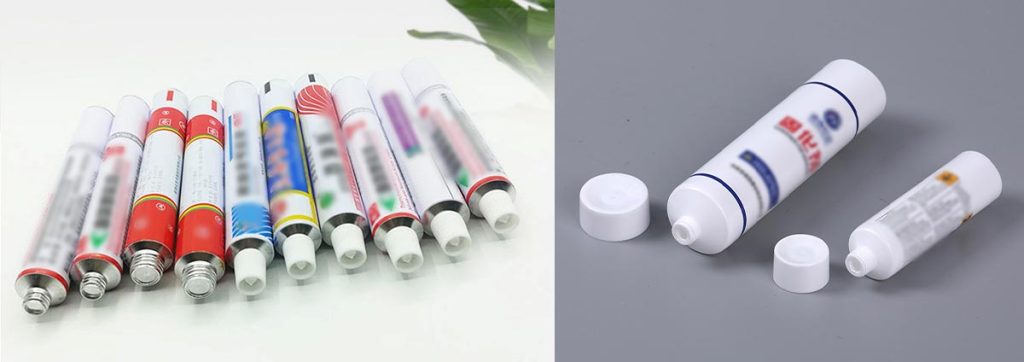
A technician can achieve reliable results by following a systematic setup for the lami tube making machine. Matching machine parameters to the job order brings several advantages to production efficiency. The table below shows how specific features impact output and consistency:
Feature
Impact on Production Efficiency
Fully Automation and High-Efficiency
Reduces manual intervention, increasing consistency and output
High-Precision Control System
Ensures accurate production according to specifications
Various Specification Production
Allows flexibility to meet diverse job order requirements
Energy-Efficiency Optimization System
Reduces operating costs through lower energy consumption
Modular design in production line
Adapts to different production needs, enhancing efficiency
Review the job order carefully. Confirm details like tube diameter, length, and material type to ensure accurate machine setup.
Adjust machine parameters based on job specifications. This includes settings for tube dimensions, sealing temperature, and print design to achieve high-quality output.
Conduct regular calibration and testing. Frequent checks help maintain machine performance and prevent errors during production.
Follow a detailed quality control checklist. This ensures all machine settings are correct and helps identify defects early in the process.
Prioritize safety during operation. Use personal protective equipment and follow safety protocols to reduce injury risks.
Job Order Requirements
Essential Information
Operators must review the job order before starting the setup. The job order provides critical details that guide the entire process. These details include tube diameter, length, wall thickness, print design, and material type. Each specification affects the final product and the way the lami tube making machine operates.
Tip: Always confirm the material type, such as laminated tube or plastic, because different materials require unique machine settings.
A typical job order includes:
Tube dimensions (diameter and length)
Wall thickness
Print layout and color requirements
Material type (e.g., laminated tube)
Quantity and delivery schedule
Operators should check for any special instructions. These may include requests for custom caps or unique sealing methods. Accurate information ensures the laminated tube making machine produces tubes that meet client expectations.
Translating Specs to Parameters
Operators must convert job order specifications into machine parameters. This step ensures the lami tube making machinerun efficiently and produce high-quality tubes.
Specification
Machine Parameter Example
Tube diameter
Adjust mandrel size
Tube length
Set cutting length
Wall thickness
Select material feed thickness
Print design
Configure print station settings
Material type
Adjust sealing temperature
Operators use the control panel to enter these values. Adjusting parameters like seal position and temperature is essential for laminated tube production. Operators should refer to the machine’s technical flow chart for guidance. They must verify each setting before starting production. This process reduces errors and improves output consistency.
Lami Tube Making Machine Setup
Control Panel Operation
Operators interact with the control panel to manage every aspect of machine operation. The control panel layout includes electric button switches, digital displays, and parameter adjustment interfaces. Each function supports efficient monitoring and control of the lami tube making machine. The table below outlines the main control panel features and their roles in operation:
Function
Description
Electric Button Switches
Activate systems, start processes, and initiate safety stops
Operation Modes
Select modes to optimize machine performance for specific job orders
Parameter Adjustments
Set speed, temperature, and other settings to match job requirements
Emergency Stop Button
Instantly halt machine operation for safety
Digital Display
Show real-time parameters for monitoring and adjustments
Operators use the control panel to enter job order specifications, such as tube diameter, wall thickness, and sealing temperature. The control system ensures accurate parameter input and supports efficient machine operation. Monitoring the digital display helps operators verify settings and maintain performance standards. The emergency stop button provides immediate safety control during any unexpected event.
Parameter Adjustment Steps
Operators follow a precise sequence when adjusting parameters on the laminated tube making machine. Proper setup steps ensure optimal performance and reduce production errors. The following ordered list describes the recommended procedure:
Clean and prepare the installation site, ensuring it is level, dry, and ventilated.
Confirm electrical power and pneumatic connections match machine requirements.
Assemble a skilled team with experience in packaging machinery setup.
Gather essential tools, including voltage testers and lifting equipment.
Inspect the machine for missing or damaged parts before unpacking.
Unpack components safely, using lifting assistance and following safety protocols.
Schedule safety training for all personnel involved in machine operation.
Position machine units according to the production line layout.
Set packaging parameters on the control panel, including sealing temperature and tube dimensions.
Inspect connections, lubrication points, safety covers, and emergency stops before powering on.
Conduct trial runs, starting with empty cycles, then load film to check sealing and alignment.
Adjust film tension and align sensors for accurate detection and cutting.
Calibrate seal position and temperature based on film material to ensure a secure barrier layer.
Check electrical wiring, voltage, grounding, and insulation.
Enforce PPE requirements for all personnel during installation and operation.
Monitor for common issues, such as equipment shaking, power problems, film misalignment, and sealing errors, and apply troubleshooting solutions as needed.
Operators must align the laminated tube and tongue so the center line matches the carriage tracks. The sealer arm should rest on the tube, with the center line of the bar corresponding to the tube. Adjusting parameters like sealer bar gap and spring tension ensures proper sealing. Operators check temperature with a pyrometer and adjust as needed. If temperature changes do not register, they inspect controls, wiring, and heaters. Jaw mounting bolts must be tightened after adjusting for proper meshing. Air pressure to the jaws should reach 80 psi for reliable operation.
Incorrect parameter adjustment steps can increase axial force, causing damage to the hole wall during drilling of laminated composites. Operators must adjust speed, rotational settings, and delamination thickness to reduce cutting force and improve drilling quality. Proper parameter adjustment supports machine efficiency and consistent output.
Note: Always refer to the machine’s flow chart for technical parameters and recommended settings. This ensures that each setup step matches the job order and maintains high performance.
Calibration and Testing
Calibration and testing play a vital role in maintaining the quality and efficiency of the laminated tube making machine. Operators must calibrate seal position and temperature based on the film material. This step ensures a secure barrier layer and prevents sealing errors. Calibration should follow manufacturer recommendations, which provide the best starting point for frequency.
Operators track calibration data over time to determine actual needs. Critical processes may require calibration before each use. Calibration is necessary after dropping an instrument, any impact or damage, or equipment relocation. Regular testing helps operators identify issues early and maintain machine performance.
Operators conduct trial runs to test parameter settings and machine operation. They start with empty cycles, then load film to check sealing and alignment. Adjusting parameters during testing helps operators achieve optimal results. Monitoring output and inspecting tube quality ensures that the setup meets job order requirements.
Tip: Frequent calibration and testing support consistent machine operation and high-quality laminated tube production.
Laminated Tube Making Machine Operation
Safety Precautions
Operators must prioritize safety during every stage of laminated tube making machine operation. The following steps help maintain a secure environment and support consistent production flow:
Operators wear personal protective equipment, including goggles, earplugs, and gloves, to reduce injury risks.
Setup and adjustment of machine settings must match job requirements, followed by a test run.
Safe cutting preparation involves cleaning the work area and securing the laminated tube.
Operators follow standard operating practices for cutting and monitor machine performance.
After cutting, operators turn off the machine, clean the area, and dispose of waste properly.
Emergency handling requires knowledge of the emergency stop button and safety stop buttons.
Training and evaluation keep operators aware of safety measures and proper control panel layout.
Wearing PPE and completing comprehensive training on equipment use and safety protocols significantly lowers operator injury rates. Proper use of point-of-operation safeguards and ongoing development of improved safety measures further enhance operator safety.
Common Mistakes
Mistakes during laminated tube making machine operation can disrupt production and reduce efficiency. The table below highlights frequent errors, their causes, and solutions:
Mistake
Possible Causes
Solutions
Jamming Issues
Incorrect pouch size, Overloading the laminator, Misaligned documents
Use correct pouch size, avoid overloading, and ensure proper document placement.
Wrinkling of Laminated Sheets
Feeding too quickly, Incorrect temperature settings
Adjust speed settings and check heat settings for pouch thickness.
Cloudy or Hazy Lamination
Insufficient heat, Low-quality laminating pouches
Ensure correct temperature and use high-quality pouches.
Overheating or Melting Pouches
Too high temperature, Using thin pouches with thick settings
Match temperature to pouch thickness as per the manual.
Bubbles Inside Laminated Sheets
Insufficient pressure, Inadequate heating
Inspect rollers for pressure and adjust heat settings gradually.
Laminating Pouch Won’t Seal
Incorrect heat settings, Wrong type of pouch
Use compatible pouches and ensure sufficient heat for sealing.
Operators also encounter maintenance mistakes, such as neglecting regular inspections, using incorrect tools, ignoring manufacturer guidelines, inadequate lubrication, neglecting safety precautions, and lack of documentation. These errors can impact machine performance, control, and production capability.
Troubleshooting
Effective troubleshooting protocols help operators maintain high-speed production and minimize downtime. The table below outlines key steps and their impact on machine operation:
Key Actionable Steps
Impact on Downtime
Implement ongoing training programs focusing on equipment operation and fault detection.
Enhances operator proficiency, leading to quicker fault identification.
Develop and display clear, visual SOPs at relevant machine points for immediate reference.
Reduces reliance on specialized technicians for common issues.
Produce quick troubleshooting guides covering frequent minor faults and corrective actions.
Accelerates fault resolution and minimizes stoppages.
Operators use the control panel and control system to monitor machine operation and quickly address faults. Regular monitoring of panel displays and settings supports efficient troubleshooting. Operators adjust speed, temperature, and other settings to restore optimal performance. Maintaining clear documentation and following SOPs ensures consistent control and production efficiency.
Quick access to troubleshooting guides and ongoing training improves operator response time and supports reliable laminated tube making machine operation.
Quality Control Checklist
Final Parameter Review
Operators perform a thorough review of all machine parameters before starting full-scale production. This step confirms that the lami tube making machine matches the job order specifications. A comprehensive checklist helps maintain consistent production flow and prevents errors. The table below outlines essential items for a quality control checklist:
Checklist Item
Description
Check Tube Alignment and Holding Mechanism
Ensure proper tube alignment to prevent product wastage and failed seals.
Inspect Filling Nozzle Precision and Cleanliness
Regular cleaning and maintenance of nozzles to ensure accurate product dosing.
Examine Hopper and Product Flow
Inspect for residue buildup and clean regularly for smooth dispensing.
Evaluate Sealing Mechanism and Heat Settings
Check heat settings to ensure proper sealing and product integrity.
Assess Machine Calibration and Sensor Accuracy
Regularly test sensor accuracy to prevent overfills or underfills.
Monitor Air Pressure and Temperature Controls
Ensure consistent air pressure and temperature settings for optimal seal strength.
Inspect Coding Jaws and Labeling Accuracy
Ensure proper functioning of labeling mechanisms for compliance standards.
Check Frame Stability and Machine Mounting
Inspect for wear or corrosion to maintain smooth operations.
Examine Electrical Components and Control Panel
Check for faults and ensure reliable control for efficient operations.
Review Maintenance Records and Schedule Regular Upkeep
Establish a proactive maintenance schedule to prevent breakdowns.
Standardized procedures in the checklist ensure that operators execute each step efficiently. This approach reduces human error and supports continuous improvement in production. Operators use the checklist to streamline setup and maintain high-quality output.
Operators who follow a detailed quality control checklist identify defects quickly and prevent issues from affecting subsequent manufacturing steps.
Output Inspection
After completing the setup and initial runs, operators inspect the output from the lami tube making machine. They check tube dimensions, wall thickness, print clarity, and seal integrity. Consistent inspection ensures that each laminated tube meets the required quality standards. Operators use the following steps to verify output:
Measure tube diameter and length with calibrated tools.
Examine wall thickness for uniformity.
Inspect print design for clarity and correct color.
Test seal strength and barrier integrity.
Check labeling for accuracy and compliance.
Record inspection results and report any defects.
A comprehensive quality control process streamlines production and reduces errors. Operators maintain high-quality products by monitoring output and adjusting machine parameters as needed. Continuous inspection supports ongoing improvements and ensures reliable production flow.
Regular output inspection guarantees that every laminated tube meets client expectations and industry standards. Operators who maintain strict quality control produce consistent, high-quality results.
Conclusion
Operators achieve consistent results when they follow each step for lami tube making machine and laminated tube line. Safety checks, accurate parameter adjustment, and thorough quality control support long-term success.
Proper documentation of changes ensures future consistency.
Operators who use the checklist and troubleshooting tips maintain high standards and deliver reliable products.
FAQ
What Should Operators Do If the Lami Tube Making Machine Displays an Error Code?
Operators should check the machine manual for error code definitions. They can inspect the control panel for faulty connections. If the issue persists, they should contact technical support.
Tip: Always record error codes for future troubleshooting.
How Often Should Calibration Be Performed on the Laminated Tube Making Machine?
Calibration should occur before each new job order. Operators must also calibrate after moving the machine or experiencing impact.
Regular calibration maintains tube quality
Follow manufacturer guidelines for best results
Which Parameters Affect the Seal Quality of Laminated Tubes Most?
Seal temperature, pressure, and alignment have the greatest impact. Operators should monitor these settings using the control panel.