


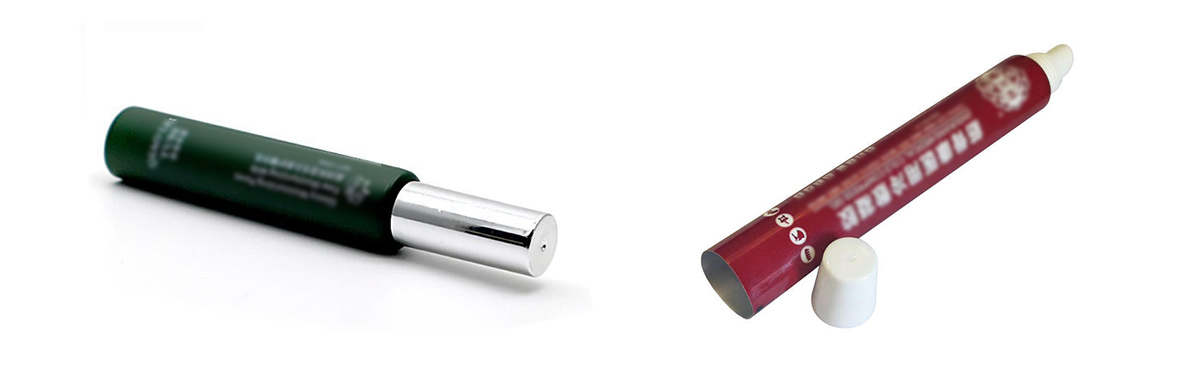
Quick action resolves misregistration in lami tube printing. Skilled operators inspect equipment, clean plates, and recalibrate the machine to restore quality.
Fast troubleshooting prevents wasted material and keeps printing sharp.
Technicians identify causes like alignment errors or tension issues and apply practical solutions. The lami tube making machine plays a critical role in ensuring accurate registration. Step-by-step checks help maintain consistent results.
Key Takeaways
- Regular cleaning of plates and cylinders is crucial. Clean surfaces prevent ink buildup and ensure sharp print quality.
- Proper calibration is essential when changing materials. Adjusting settings helps maintain accurate registration and prevents errors.
- Monitoring web tension and speed is vital. Correct settings reduce the risk of misregistration and improve print consistency.
- Using registration aids like microdots enhances precision. These tools help operators achieve better alignment and reduce errors.
- Routine maintenance and operator training are key. Scheduled checks and skilled staff lead to fewer misregistration issues and higher productivity.
Printing Misregistration Basics
What Is Misregistration?
Misregistration describes a situation where printed images or colors fail to align correctly on the substrate. In lami tube printing, this issue can occur in both flexography and gravure processes. Operators often notice misregistration when colors overlap incorrectly or text appears blurry. Several types of printing misregistration appear in technical manuals and case studies. The table below outlines the most common types:
| Type of Misregistration | Description |
|---|---|
| Back sheet flare | Lightweight paper printed with heavy ink coverage causes corners to fan out and misregister. |
| Back stretch | Compression of blanket and packing alters print length. |
| Waggle | Problems with the on-press register system or side guides lead to shifting. |
| Web growth | Paper edges lose moisture at different rates, changing size and causing misregistration. |
| Fit | Colors do not align due to temperature changes affecting film or plate size. |
Operators use flexography and gravure printing methods to achieve precise registration. They monitor the process closely to prevent these issues.
Why It Matters in Lami Tube Printing?
Accurate registration ensures that graphics and text appear sharp and professional. Poor registration affects the quality of the final product and can lead to wasted materials. The industry sets strict standards for registration accuracy in lami tube printing. The table below shows the accepted tolerance levels:
| Acceptability Level | Tolerance (µm) |
|---|---|
| Good | ≤ 50 |
| Sufficient | ≤ 100 |
| Insufficient | > 100 |
- Precise registration is essential for high-quality printing.
- Proper registration requires careful setup and calibration of printing equipment.
- Frequent monitoring during production is necessary to maintain registration accuracy.
ISO 12647 sets standards for commercial printing, including registration accuracy. These standards help manufacturers maintain quality and consistency. Operators who follow these guidelines reduce the risk of misregistration and improve overall product quality.
Causes of Misregistration
Plate and Cylinder Cleaning
Dirty plates or cylinders often cause registration problems in both flexography and gravure printing. Ink buildup or debris on these surfaces prevents proper image transfer. Operators should clean the plates and cylinders regularly to maintain sharp print quality. The lami tube making machine relies on clean components to ensure each color aligns correctly on the laminated tube. Neglecting this step can result in blurred images or color shifts.
Surface Damage Inspection
Surface damage, such as scratches or dents on plates or cylinders, disrupts the printing process. Damaged surfaces create uneven pressure and lead to misaligned images. Technicians must inspect all printing surfaces before each run. They should replace or repair any damaged parts to prevent recurring misregistration. Careful inspection helps maintain the integrity of the printed design.
Material Changes and Calibration
Switching to a new substrate or changing material thickness affects registration. The laminated tube making machine requires recalibration when operators introduce a different laminated tube material. Calibration ensures the machine compensates for variations in thickness or flexibility. Without proper adjustment, the print may shift or stretch, causing registration errors. Regular calibration keeps the process stable and consistent.
Tension and Speed Issues
Incorrect web tension or speed settings disrupt the printing process. Machine manufacturer guidelines highlight several key factors:
| Factor | Contribution to Misregistration |
|---|---|
| Web Tension | Disruptive nipping action at flexo print positions can lead to registration errors. |
| Speed Adjustments | Failure to adjust speed with substrate thickness can cause tension issues, leading to banding. |
| Printing Against Non-Driven Roll | Ideal web speed to plate speed match prevents friction and improves registration quality. |
Operators must synchronize the speed of the lami tube making machine with the substrate properties. Proper tension control prevents banding and keeps the print in register.
Alignment and Mounting
Alignment and mounting errors frequently cause misregistration in printing. Common issues include:
- Incorrect plate position or orientation
- Impression cylinder concentricity
- Cylinder, plate, or sleeve condition
- Gear condition
- Idle rollers dragging or rotating irregularly
- Malfunctioning web guide
- Web growth or fanning out
- Wandering web
- Substrate tension
- Incorrect tolerances
The table below shows a typical troubleshooting solution:
| Error Description | Solution |
|---|---|
| Plates not mounted in perfect registration | Re-mount plates in registration. Revise the preparation and mounting procedure. Check plate thickness, distortion, relief depth, and tape thickness. |
Operators should recalibrate the auto-registration system and check all mounting procedures. Careful alignment ensures each color prints in the correct position on the laminated tube.
Fixing Misregistration in Lami Tube Printing
Cleaning and Maintenance Steps
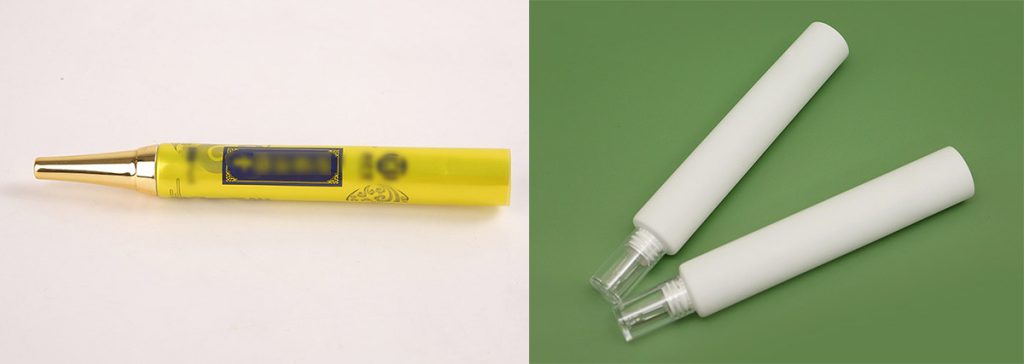
Operators maintain high print quality in lami tube printing by following a strict cleaning routine. Regular cleaning of plates and cylinders prevents ink buildup, which often leads to color inconsistency and registration deviation. Industry data shows that 70% of color problems in flexography result from poor cleaning of cylinders and anilox rollers. Clean surfaces help achieve precision in both flexography and gravure printing.
A step-by-step cleaning and maintenance procedure includes:
- Power off the lami tube making machine and disconnect it from the electrical source.
- Wipe down exterior surfaces with a damp, lint-free cloth.
- Follow manufacturer guidelines for cleaning interior components.
- Inspect and clean rollers using a designated roller cleaning solution.
- Lubricate moving parts such as gears and bearings as recommended.
- Use high-quality printing paper and load it correctly in the tray.
- Keep the printer dust-free and regularly check printheads.
- Use the correct ink cartridges for the printer.
- Update the printer’s software as needed.
- Place the printer on a level surface to avoid excessive vibration.
Regular cleaning enhances alignment and reduces misregistration. Operators who maintain the lami tube making machine ensure consistent quality and minimize inaccurate registration.
Calibration and Alignment
Calibration and alignment play a vital role in lami tube printing. Operators recalibrate the lami tube making machine whenever they change the laminated tube material or adjust thickness. Proper calibration compensates for variations in substrate flexibility and thickness, which helps maintain precision.
Alignment procedures include:
- Checking plate position and orientation before each run.
- Verifying impression cylinder concentricity.
- Inspecting the condition of cylinders, plates, and sleeves.
- Ensuring gears and idle rollers function smoothly.
- Recalibrating the auto-registration system for accurate color placement.
Operators use precision equipment to align all components. Careful alignment reduces registration deviation and improves overall print quality.
Tension Control
Tension control is essential for accurate registration in lami tube printing. Technical studies show that tension-induced distortion is a major cause of inaccuracies during roll-to-roll processes. Operators must monitor and adjust web tension to prevent stretching or shrinking of the laminated tube.
Key tension control practices include:
- Setting web tension according to substrate thickness.
- Synchronizing machine speed with substrate properties.
- Using driven rolls to match web speed to plate speed.
- Inspecting for friction or irregular roller movement.
Proper tension control ensures that flexography and gravure printing remain in register. Operators who manage tension effectively produce high-quality prints with minimal registration deviation.
Using Registration Aids
Operators use registration aids to achieve precision in lami tube printing. These aids include microdots, alignment marks, and auto-registration systems. The lami tube making machine often features automatic defect detection and rejection systems, which help maintain consistent registration.
| Machine Feature | Impact on Quality and Registration |
|---|---|
| Uniform wall thickness | Reduces risk of misregistration |
| Precise shoulder formation | Improves alignment of printed graphics |
| Leak-proof seals | Maintains substrate integrity |
| Consistent printing registration | Ensures sharp and accurate print quality |
| Automatic defect detection | Identifies and rejects tubes with errors |
Operators rely on these features to produce laminated tubes with high quality and accurate registration. Registration aids help reduce errors and maintain consistency throughout the printing process.
Tip: Operators who use registration aids and maintain their equipment achieve better results and reduce the risk of inaccurate registration.
Preventing Printing Misregistration
Regular Maintenance
Routine maintenance forms the backbone of consistent print quality in lami tube production. Operators schedule cleaning for plates, cylinders, and rollers to prevent ink buildup and debris. They inspect moving parts and lubricate gears to reduce wear. Technicians check the lami tube making machine for loose components or misaligned parts. Scheduled maintenance helps avoid sudden breakdowns and keeps the printing process stable. Many companies use maintenance logs to track cleaning and repairs, ensuring no step gets missed. This approach supports both flexography and gravure printing methods.
Operator Training
Well-trained operators play a key role in preventing misregistration. Training programs teach staff how to set up the lami tube making machine, mount plates, and adjust tension. Operators learn to recognize early signs of misregistration, such as color shifts or blurry images. They practice using registration aids like microdots and alignment marks for precise setup. Regular workshops keep skills sharp and introduce new techniques for improving print quality. Companies that invest in training see fewer errors and higher productivity.
Quality Control
Quality control systems help detect and prevent misregistration before it affects the final product. Modern print inspection systems use high-speed cameras and image analysis to monitor alignment markers during printing. These systems confirm that each color and layer aligns correctly. Registration control systems adjust for substrate movement or warping, maintaining accurate placement. Automated inspection can trigger immediate corrections, reducing waste and downtime.
- Quality control monitoring ensures precise alignment of colors and layers.
- Print inspection systems check alignment markers for accuracy.
- Registration control systems adjust for substrate movement.
- Automated inspection systems correct errors quickly.
Operators also use microdots and registration aids to maintain consistent alignment. These tools, combined with regular inspections, help deliver high-quality prints every time.
Conclusion

To fix and prevent misregistration in lami tube printing, industry experts recommend these steps:
- Control UV temperature to avoid film deformation.
- Maintain stable tension using servo motors.
- Consider material properties during production.
Regular maintenance supports long-term quality by:
- Enhancing machine reliability through cleaning and lubrication.
- Ensuring rollers deliver a high-quality finish.
- Keeping temperature and pressure settings precise.
- Calibrating equipment for accurate performance.
Operators who follow these best practices achieve reliable results and consistent print quality.
FAQ
What Causes Print Misregistration in Lami Tube Printing?
Several factors cause misregistration. Dirty plates, damaged surfaces, incorrect tension, and poor alignment often lead to this issue. Material changes without recalibration also contribute. Operators must check each factor to maintain print quality.
How Often Should Operators Clean Plates and Cylinders?
Operators should clean plates and cylinders before every production run. Regular cleaning prevents ink buildup and debris, which helps maintain sharp registration. Many companies follow a daily cleaning schedule for best results.
Can Automatic Registration Systems Prevent All Misregistration?
Automatic registration systems reduce most errors, but they cannot prevent every issue. Operators still need to monitor the process, check for mechanical problems, and perform regular maintenance. Technology helps, but human oversight remains essential.
Why Does Material Change Affect Registration Accuracy?
Material changes alter thickness and flexibility. The lami tube making machine requires recalibration to adjust for these differences. Without proper calibration, the print may shift or stretch, causing misregistration.
What Are the Best Practices for Preventing Misregistration?
Operators should follow a maintenance schedule, receive regular training, and use registration aids like microdots. Quality control systems help detect errors early. Consistent procedures and attention to detail ensure accurate registration in every print run.