


Operators often encounter several servo alarms in a lami tube making machine. These alarms include overcurrent, overload, overvoltage, undervoltage, and encoder fault alarms. Each alarm can cause downtime and reduce output.
- Overcurrent alarms signal issues with excessive current in the laminated tube making machine.
- Overload alarms indicate the motor in the lami tube making machine faces too much stress.
- Overvoltage and undervoltage alarms show unstable power supply in the lami tube making machine.
- Encoder fault alarms reveal problems with position feedback in the lami tube making machine.
Understanding these alarms helps operators prevent costly downtime and keep the lami tube making machine running smoothly.
Key Takeaways
- Recognize common servo alarms like overcurrent, overload, and encoder faults to prevent costly downtime.
- Monitor warning signs such as unusual noises or overheating to catch issues early and maintain production efficiency.
- Implement regular maintenance practices, including cleaning and lubrication, to reduce the risk of servo alarms.
- Ensure stable power supply and proper ventilation to protect the servo and motor from electrical faults and overheating.
- Stay proactive by scheduling inspections and addressing problems promptly to keep the lami tube making machine running smoothly.
Overcurrent Alarms in Lami Tube Making Machine
Causes of Overcurrent Alarms
Operators often see overcurrent alarms in a lami tube making machine when the servo motor faces abnormal conditions. Mechanical binding can occur if parts in the laminated tube production line jam or misalign. Excessive load happens when the machine tries to push more material than it can handle, stressing the servo system. Electrical faults, such as short circuits or damaged wires, also trigger overcurrent alarms. Overheating in the servo motor may result from continuous operation without proper cooling. These issues can disrupt the smooth flow of laminated tube manufacturing and lead to costly downtime.
Warning Signs to Watch for
Operators should pay close attention to several warning signs that indicate a potential overcurrent alarm. The servo motor may run hotter than usual, showing early signs of overheating. Unusual noises or vibrations from the machine often signal mechanical binding. Frequent tripping of the servo system points to electrical faults. Slow or jerky movement in the laminated tube process can mean excessive load. If the servo controller displays error codes related to current, operators should investigate immediately. Recognizing these warning signs helps prevent major failures and keeps production on track.
Tip: Early detection of warning signs reduces the risk of severe servo damage and overheating.
Solutions and Prevention
Operators can follow several steps to resolve and prevent overcurrent alarms in a lami tube making machine. First, inspect all moving parts for mechanical binding and clear any obstructions. Check the load on the servo motor and adjust the material feed to avoid excessive stress. Examine electrical connections for damage or loose wires. Monitor the servo temperature to prevent overheating, and ensure proper ventilation around the motor. Regular preventative maintenance, such as cleaning and lubricating components, helps avoid future alarms. Operators should keep a log of warning signs and address issues promptly to maintain efficient laminated tube production.
| Troubleshooting Step | Purpose |
|---|---|
| Inspect moving parts | Prevent mechanical binding |
| Adjust material feed | Reduce excessive load |
| Check electrical connections | Avoid electrical faults |
| Monitor temperature | Prevent overheating |
| Schedule maintenance | Reduce alarm frequency |
Overload Alarms and Servo Motor Failure
Why Overload Alarms Occur?
Overload alarms in lami tube making machine often signal that the motor faces more stress than it can handle. Operators notice these alarms when the servo tries to move parts that are blocked or jammed. Contamination from coolant, oil, or dirt can block critical areas, causing overheating and motor issues. The servo may also overheat if ventilation is poor or if worn-out parts restrict movement. Laminated tube production can suffer when these problems persist. The table below shows common causes and explanations for overload alarms:
| Cause | Explanation |
|---|---|
| Contamination | Contaminants like coolant, oil, and dirt can block critical parts, leading to overheating and motor issues. Regular inspections can help prevent this. |
| Overheating | Excessive heat can damage motors and connected systems. Causes include blockage, high temperatures, and worn-out parts. Proper ventilation is essential to manage heat. |
Symptoms Of Failing Servo Motor
Operators must recognize early symptoms of a failing servo motor to prevent downtime in laminated tube manufacturing. Common signs include excessive friction in bearings, electrical short circuits, and insulation breakdown. Worn-out windings force the motor to draw higher currents. Vibrations or wobbling during operation often indicate deeper problems. Loose shaft movement and increased backlash in the gearbox can disrupt the servo’s accuracy. Loss of feedback signals and incorrect positioning of the motor affect the quality of laminated tube production. Frequent power tripping and signs of rust or corrosion also point to servo motor failure. Motor stalling under load is a serious warning. The list below highlights these symptoms:
- Excessive friction in bearings or mechanical parts
- Electrical short circuits or insulation breakdown
- Worn-out windings requiring higher currents
- Excessive vibrations or wobbling
- Loose or imprecise shaft movement
- Increased backlash in the gearbox
- Loss of feedback signals
- Incorrect positioning of the motor
- Frequent power tripping due to overheating or excessive current draw
- Signs of rust or corrosion on metal components
- Motor stalling under load
Tip: Early detection of these symptoms helps operators avoid severe servo motor failure and maintain smooth laminated tube production.
Preventing Overload and Motor Failure
Operators can prevent overload alarms and servo motor failure by using effective strategies. Photoelectric sensing technology detects hazards and improves safety. Multi-directional control gives operators better command over the servo, reducing overload risks. Servo overload shutdown alerts automatically warn and shut down the motor when overload occurs. Regular cleaning and inspection remove contaminants and keep the motor running efficiently. Proper ventilation helps manage heat and prevents overheating. Operators should schedule maintenance checks to catch problems early and keep the laminated tube making machine in top condition.
| Feature | Description |
|---|---|
| Photoelectric sensing technology | Ensures operational safety by detecting potential hazards. |
| Multi-directional control | Provides comprehensive control to prevent overload situations. |
| Servo overload shutdown alert | Automatically alerts and shuts down the servo in case of overload. |
Note: Consistent maintenance and monitoring reduce the risk of failing servo motor and keep production lines efficient.
Overvoltage and Undervoltage Alarms
Power Supply Issues in Lami Tube Making Machine
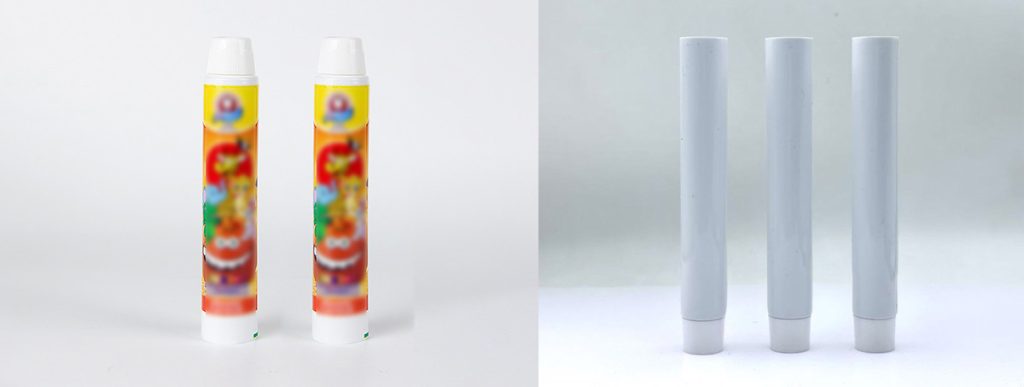
Lami tube making machine depends on a stable power supply to keep the servo and motor systems running smoothly. Incorrect synchronization of alternators often causes mismatches in voltage and frequency with the power grid. This mismatch can create overvoltage or undervoltage conditions. When these problems occur, the electrical system may suffer insulation breakdown or damage to sensitive components. Operators must monitor the power supply closely to protect the servo and motor from sudden voltage changes. Laminated tube production becomes vulnerable when voltage levels fluctuate.
Effects On Servo Motor Performance
Overvoltage and undervoltage alarms can affect the servo and motor in several ways. High voltage may cause the motor to overheat, which leads to insulation failure and shortens the motor’s lifespan. Low voltage can make the motor run inefficiently, resulting in poor torque and slow response. The servo may lose accuracy, causing errors in the laminated tube manufacturing. Operators might notice the motor stalling or failing to start. Frequent alarms disrupt production and increase the risk of permanent damage to the servo and motor.
Operators should pay attention to any changes in the sound or speed of the motor. Early detection helps prevent major failures.
Troubleshooting Voltage Alarms
Operators can follow a few steps to troubleshoot overvoltage and undervoltage alarms in a lami tube making machine:
- Check the main power supply for stability.
- Inspect alternator synchronization to ensure proper voltage and frequency.
- Examine all wiring and connectors for signs of wear or damage.
- Use a voltage stabilizer to protect the servo and motor from sudden spikes or drops.
- Schedule regular maintenance to keep the electrical system in good condition.
| Step | Purpose |
|---|---|
| Check power supply | Ensure stable voltage for motor and servo |
| Inspect alternators | Prevent mismatched voltage and frequency |
| Examine wiring | Avoid electrical faults |
| Use stabilizer | Protect against voltage fluctuations |
| Maintain system | Reduce alarm frequency |
Laminated tube production depends on a reliable servo and motor system. Regular checks and quick action help operators avoid downtime and keep the machine running efficiently.
Encoder Fault Alarms
Common Encoder Problems
Operators often face encoder malfunctions in lami tube making machine. These problems can disrupt the servo and motor system, causing errors in the laminated tube manufacturing. Dirt or oil on the encoder disk can block the sensor. Loose wiring or damaged cables may interrupt the signal between the encoder and the servo controller. Vibration from the motor can misalign the encoder, leading to inaccurate readings. Moisture or dust inside the encoder housing can cause short circuits. Incorrect installation of the encoder may also result in faulty signals.
Operators should keep the encoder area clean and dry to reduce the risk of problems.
Signs of Encoder Failure
Several warning signs can help operators detect encoder failure early. The servo may lose its position, causing the motor to move unpredictably. Laminated tube production may show errors in tube length or seam alignment. The motor might stall or run at inconsistent speeds. The servo controller could display error codes related to feedback loss. Operators may hear unusual noises from the motor or notice jerky movements. Frequent alarms or shutdowns often point to encoder issues.
A quick checklist for spotting encoder failure:
- Loss of position accuracy in the servo
- Unpredictable motor movement
- Errors in laminated tube dimensions
- Jerky or uneven motor speed
- Frequent servo alarms or shutdowns
Fixing and Preventing Encoder Faults
Operators can follow several steps to fix and prevent encoder faults in lami tube making machine. First, they should inspect the encoder and motor for visible damage. Cleaning the encoder disk and checking for loose wires can solve many issues. Proper alignment of the encoder with the motor shaft ensures accurate feedback. Operators should replace damaged cables and seal the encoder housing to keep out dust and moisture. Regular maintenance checks help prevent future problems. If encoder malfunctions persist, professional servo motor repairs may be necessary.
| Action | Benefit |
|---|---|
| Clean encoder disk | Prevents signal blockage |
| Check wiring | Ensures reliable feedback |
| Align encoder | Maintains servo accuracy |
| Seal housing | Blocks dust and moisture |
| Schedule maintenance | Reduces risk of failure |
Regular attention to the encoder and motor keeps the servo system reliable and supports smooth laminated tube production.
Environmental and Maintenance Factors
Impact of Poor Maintenance
Operators often overlook the importance of regular maintenance in lami tube making machine. Neglect leads to dust buildup, worn components, and loose connections. These issues increase the risk of servo alarms and disrupt laminated tube production. Poor maintenance allows contaminants to enter the motor housing. Dirt and oil can block ventilation paths, causing the motor to overheat. Mechanical wear from lack of lubrication puts extra stress on the servo and motor. Electrical interference from damaged cables or unshielded wiring can trigger false alarms. Operators who ignore scheduled maintenance see more frequent breakdowns and longer downtime.
How Harsh Conditions Cause Failing Servo Motor?
Harsh factory environments create challenges for the servo and motor system. High humidity and temperature swings accelerate corrosion inside the motor. Dust and debris can clog cooling fans, reducing airflow and raising motor temperature. Vibrations from nearby equipment may loosen servo mounts or misalign the motor shaft. Electrical noise from other machines can interfere with servo signals, leading to erratic motor behavior. Laminated tube production suffers when the motor cannot maintain precise movement. Operators must recognize that harsh conditions shorten the lifespan of both the servo and the motor.
Best Practices for Prevention
Operators can reduce servo alarms by following best practices for maintenance and environmental control. They should schedule regular inspections to check for dust, oil, and loose parts. Cleaning the motor housing and lubricating moving components prevent mechanical wear. Installing proper ventilation keeps the motor cool during laminated tube production. Shielding cables and grounding equipment minimize electrical interference. Operators should keep the machine area dry and free from debris. Training staff on maintenance routines ensures that the servo and motor stay reliable. A simple checklist helps operators remember key steps:
- Inspect and clean motor housing weekly
- Lubricate moving parts as recommended
- Check servo mounts and alignment
- Monitor temperature and humidity levels
- Shield cables to prevent interference
Consistent maintenance and a clean environment protect the servo and motor, supporting efficient laminated tube production.
Conclusion

Servo alarms in lami tube making machine often result from mechanical issues, electrical faults, or environmental factors. Regular maintenance and close monitoring help operators reduce the risk of servo problems. They should follow the troubleshooting steps and prevention tips discussed to keep the servo system reliable. When a servo alarm persists or becomes complex, operators should contact a professional. Consistent attention to the servo ensures smooth and efficient production.
FAQ
What Causes Frequent Servo Alarms in Lami Tube Making Machine?
Frequent servo alarms often result from poor maintenance, electrical faults, or harsh environmental conditions. Operators should check for dust buildup, loose connections, and unstable power supply. Regular inspections help reduce alarm frequency.
How Can Operators Quickly Reset a Servo Alarm?
Operators can reset a servo alarm by stopping the machine, clearing obstructions, and pressing the reset button on the controller. They should always check for underlying issues before restarting production.
Why Does the Servo Motor Overheat During Operation?
Servo motors overheat due to blocked ventilation, excessive load, or lack of lubrication. Operators should clean cooling fans, adjust material feed, and lubricate moving parts to prevent overheating.
What Should Operators Do If the Encoder Alarm Appears?
Operators should inspect the encoder for dirt, loose wires, or misalignment. Cleaning the encoder disk and securing connections often resolve the issue. Persistent alarms may require professional repair.
How Often Should Maintenance Be Performed on Lami Tube Making Machine?
Operators should perform basic maintenance weekly and schedule thorough inspections monthly. Regular cleaning, lubrication, and electrical checks keep the servo system reliable and reduce unexpected alarms.