


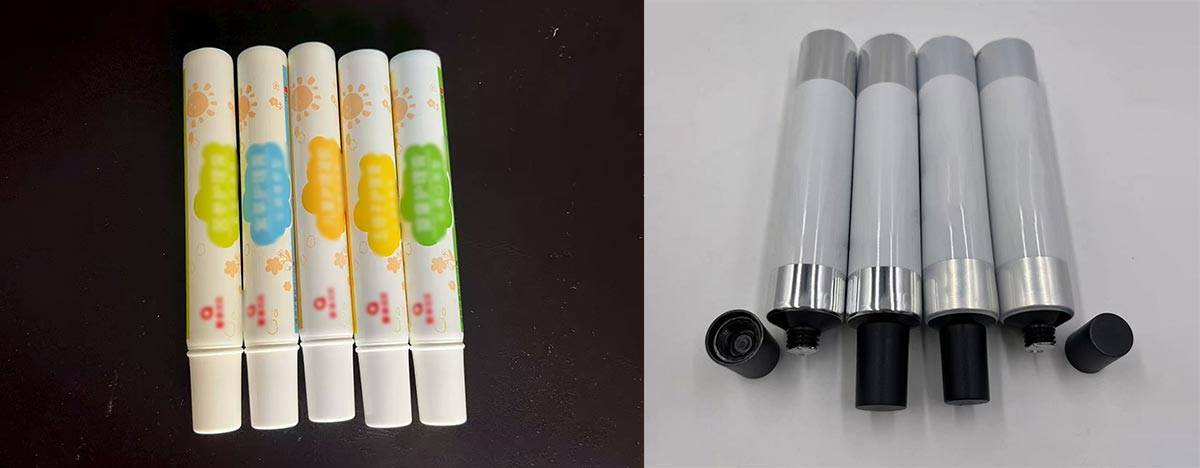
A reliable maintenance plan keeps every lami tube making machine running smoothly. Operators who use a monthly checklist notice fewer unexpected stoppages and better product consistency. Regular attention to equipment helps prevent costly breakdowns and supports stable, high-quality output. Proactive care extends the life of machines and boosts overall efficiency.
Key Takeaways
- Regular maintenance prevents unexpected downtime. Operators should follow a monthly checklist to keep machines running smoothly and avoid costly breakdowns.
- Consistent cleaning and lubrication enhance product quality. Well-maintained machines produce fewer defects and meet strict standards, ensuring customer satisfaction.
- Safety checks are crucial for protecting personnel and equipment. Operators must inspect fasteners, electrical systems, and emergency stops monthly to maintain a safe working environment.
- Documenting maintenance activities helps track progress. Keeping detailed records ensures that no critical tasks are missed and aids in identifying recurring issues.
- Training staff on maintenance procedures boosts efficiency. Well-trained operators can quickly address issues, leading to fewer errors and more reliable production.
Importance of Maintenance
Prevent Downtime
Every laminated tube making machine relies on regular maintenance to avoid unexpected downtime. When operators neglect scheduled tasks, several problems can arise:
- Severe structural damage may develop over time.
- Delayed production schedules can impact customer satisfaction and revenue.
- Costly breakdowns and unplanned outages disrupt operations.
- Emergency repairs often require higher labor and parts costs.
- Inadequate lubrication increases friction, causing faster wear of components.
- Ignoring safety precautions can result in accidents or injuries.
Routine inspections, cleaning, and lubrication help prevent these issues. Proactive maintenance strategies shift operations from reacting to problems to preventing them. This approach minimizes downtime and keeps the laminated tube production running smoothly. Scheduled maintenance tasks extend the lifespan of equipment and reduce the need for urgent repairs. As a result, the manufacturing process becomes more reliable and efficient.
Tip: Keeping detailed documentation of all maintenance activities helps avoid confusion and ensures that no critical tasks are missed.
Improve Product Quality
Consistent maintenance directly supports high product quality in laminated tube manufacturing. Well-maintained machines produce tubes with fewer defects and more consistent dimensions. Preventive maintenance also helps companies meet regulatory standards and pass audits with ease.
| Evidence Type | Description |
|---|---|
| Documentation | A maintenance plan shows adherence to Good Manufacturing Practices (GMP) and regulatory standards. |
| Risk Mitigation | Proactive issue identification helps prevent regulatory violations. |
| Auditing | A documented maintenance program aids in smooth audits by regulatory authorities. |
| Prolonged Equipment Lifespan | Regular inspections allow for early detection of wear, reducing unexpected breakdowns. |
| Optimized Performance | Well-maintained machines operate efficiently, enhancing productivity. |
| Data-Driven Decision Making | Maintenance records facilitate performance analysis and spare parts management. |
Operators who follow a structured maintenance plan for their lami tube making machine see fewer interruptions and higher product quality. Regular attention to equipment ensures that each laminated tube meets strict standards, supporting both customer satisfaction and business success.
Laminated Tube Making Machine Checklist
A well-structured maintenance checklist ensures reliable operation and consistent output from every laminated tube making machine. Operators who follow a monthly checklist reduce the risk of breakdowns and maintain high product quality. The following sections detail essential tasks for cleaning, lubrication, and safety checks.
Cleaning Tasks
Cleaning forms the foundation of any maintenance checklist for a laminated tube making machine. Operators must address both exterior and internal areas to prevent contamination and maintain efficiency. The checklist for cleaning tasks includes:
- Power off the machine and clean all exterior surfaces to remove dust and debris.
- Use a designated roller cleaning solution to clean the rollers and eliminate adhesive residue.
- Disassemble and clean modules separately, focusing on filling nozzles and tanks to prevent cross-contamination.
- Inspect and clean the feed tray to prevent jams and ensure smooth operation.
- Calibrate temperature and speed settings to maintain optimal lamination.
- Inspect heating elements for signs of wear and replace if necessary.
- Adjust pressure settings for uniform lamination and consistent tube quality.
- Use compatible laminating pouches to avoid damage to the machine.
- Check for wear and tear on all moving parts and replace damaged components.
Note: Regular cleaning of the rollers and filling system prevents residual buildup and foreign material contamination, which can compromise product quality.
Operators who follow this cleaning checklist keep the lami tube making machine free from contaminants and ensure that every laminated tube meets strict standards.
Lubrication Points
Lubrication is a critical part of the maintenance checklist for a laminated tube making machine. Proper lubrication reduces friction, prevents corrosion, and extends the lifespan of moving components. The checklist for lubrication tasks includes:
- Lubricate all moving parts with manufacturer-recommended lubricants.
- Focus on rollers, gears, and bearings, which experience the most wear during operation.
- Apply lubrication to the feed tray mechanism to ensure smooth material handling.
- Check and lubricate the pressure adjustment system for consistent lamination.
- Inspect and lubricate the heating element mounts to prevent sticking and uneven heating.
- Perform a deep cleaning once a month, removing all parts that handle products and washing them thoroughly before lubrication.
- Maintain a proper lubrication schedule to ensure timely maintenance and prevent unexpected breakdowns.
- Record each lubrication task in the maintenance checklist for accountability.
Operators who maintain regular lubrication tasks notice smoother machine operation and fewer instances of component failure. Lubrication not only reduces friction but also prevents corrosion, which can damage moving parts and shorten the lifespan of the laminated tube making machine.
Safety Checks
Safety checks are essential for every maintenance checklist. Operators must inspect fasteners, electrical systems, and other critical components to prevent accidents and ensure reliable machine performance. The checklist for safety tasks includes:
- Inspect all fasteners and tighten any loose bolts or screws.
- Check the electrical system for faults, examining wires and connections for wear or damage.
- Test emergency stop buttons and safety interlocks to confirm proper function.
- Verify that all guards and covers are securely in place.
- Run a test batch monthly to observe the machine’s speed and accuracy, addressing any irregularities.
- Document all safety checks in the maintenance checklist for future reference.
| Safety Task | Purpose | Frequency |
|---|---|---|
| Fastener Inspection | Prevent mechanical failure | Monthly |
| Electrical System Check | Avoid electrical hazards | Monthly |
| Emergency Stop Test | Ensure operator safety | Monthly |
| Guard and Cover Check | Protect against moving parts | Monthly |
| Test Batch Run | Detect operational issues | Monthly |
Operators who complete these safety tasks protect both personnel and equipment. A thorough safety checklist helps maintain a safe working environment and supports the long-term reliability of the laminated tube making machine.

Tip: Always record completed tasks in the maintenance checklist to track progress and identify recurring issues.
A comprehensive maintenance checklist for a laminated tube making machine covers cleaning, lubrication, and safety checks. Operators who follow this checklist each month ensure stable production, reduce downtime, and maintain high standards for every laminated tube.
Inspection and Preventive Maintenance
Wear Inspection
Operators should inspect every lami tube making machine for visible signs of wear each month. Worn rollers, gears, and bearings can cause uneven lamination or tube defects. They should look for scratches, grooves, or discoloration on moving parts. If any part shows excessive wear, replacement prevents further damage. Regular checks help maintain consistent quality in every laminated tube. Operators should also monitor the alignment of rollers and guides. Misalignment can lead to jams or material waste. By catching these issues early, teams reduce the risk of unexpected breakdowns and keep the machine running efficiently.
Electrical System Check
Electrical issues often disrupt production in a lami tube making machine. Operators should follow a structured approach during preventive maintenance. The most frequent problems include power failures and alarm signals. The table below outlines common issues and troubleshooting steps:
| Issue Description | Troubleshooting Steps |
|---|---|
| Equipment cannot be started and alarm light is on | 1. Check the power supply for normalcy and cable connections. 2. Inspect the control panel for proper lighting. 3. Test electrical components with a multimeter and replace faulty ones. |
Operators should also:
- Check the power cord for damage or loose connections.
- Test the outlet by plugging in another device.
- Inspect the circuit breaker for tripped breakers or blown fuses.
Routine electrical inspections help prevent hazards and ensure the machine operates safely. Teams should document all findings and repairs in the maintenance log.
Fastener Tightness
Loose fasteners can cause vibration, misalignment, or even machine failure. Operators should check all bolts, screws, and clamps on the lami tube making machine. Tightening these components prevents unnecessary movement and protects the laminated tube production process. Special attention should go to areas near high-speed moving parts. A monthly fastener check forms a key part of any preventive maintenance plan. Operators should use the correct tools and torque settings for each fastener. Consistent checks help maintain machine stability and extend equipment life.
Note: A thorough inspection routine supports long-term reliability and reduces costly downtime.
Maintenance Schedule
Monthly Plan
A structured maintenance schedule forms the backbone of reliable laminated tube production. Operators who follow a detailed maintenance schedule for their lami tube making machine can prevent unexpected breakdowns and maintain consistent output. Each month, the maintenance schedule should include comprehensive inspections of belts, chains, bearings, and the hydraulic system. These checks help identify wear, overheating, or contamination before they cause major issues. Regular adherence to a monthly maintenance schedule significantly extends the operational lifespan of the machine and supports stable production.
Below is a sample monthly maintenance schedule for a lami tube making machine:
| Week | Task Description |
|---|---|
| 1 | Inspect belts, chains, and bearings for wear |
| 2 | Clean and lubricate all moving parts |
| 3 | Check hydraulic system for leaks or contamination |
| 4 | Test electrical systems and safety interlocks |
| 4 | Review and tighten all fasteners |
Operators should document each completed task in the maintenance schedule. This record-keeping ensures accountability and helps identify recurring issues. A well-maintained lami tube making machine produces high-quality laminated tubes with fewer defects.
Note: Consistent use of a maintenance schedule reduces downtime and supports long-term equipment reliability.
Weekly Tasks Overview
Weekly maintenance tasks support the monthly plan by addressing routine needs. These tasks keep the lami tube making machine in optimal condition between major inspections. Operators should clean exterior surfaces, check for visible leaks, and monitor noise or vibration. Lubrication of high-wear points and quick safety checks help catch minor issues early.
A weekly maintenance schedule acts as a safeguard, ensuring that the machine operates smoothly and that the monthly maintenance schedule remains effective. By combining weekly and monthly schedules, manufacturers create a proactive approach that protects both the machine and the quality of every laminated tube.
Additional Maintenance Tips
Staff Training
Staff training plays a vital role in the efficiency and safety of any lami tube making machine operation. Well-trained operators understand how to follow safety measures and respond quickly to any issues. They can identify early signs of wear or malfunction, which helps maintain consistent output and high performance. Training sessions should cover the correct use of tools, proper cleaning techniques, and the importance of laser cutter maintenance. Operators who receive regular updates on safety protocols and machine handling can reduce accidents and improve overall efficiency. Teams that focus on staff development see fewer errors and more reliable output from the laminated tube line.
Tip: Schedule refresher courses every quarter to keep all staff updated on the latest safety measures and machine handling techniques.
Use Manufacturer Guidelines
Following manufacturer guidelines ensures that every lami tube making machine operates at peak performance. These guidelines provide step-by-step instructions for daily, weekly, and monthly maintenance. Operators should always refer to the manual for specific servicing schedules and recommended practices. Key manufacturer guidelines include:
- Daily cleaning of moving parts to maintain efficiency and output.
- Lubrication as necessary to support smooth performance.
- Replacement of worn-out parts to prevent breakdowns.
- Calibration of fillers for accurate output.
- Specific servicing schedules for each model to maximize efficiency.
A comparison of manufacturer-recommended practices and industry best practices shows strong alignment in most areas:
| Maintenance Practice | Manufacturer-Recommended Practices | Industry Best Practices |
|---|---|---|
| Prioritizing critical equipment | Yes | Yes |
| Preventive and predictive maintenance | Yes | Yes |
| Inventory management for spare parts | Yes | Yes |
| Communication protocols | Yes | Yes |
| Vendor relationships | Yes | Yes |
| Workforce training | Yes | Yes |
| Use of IoT and smart technologies | N/A | Yes |
| Regular updates to maintenance schedules | Yes | Yes |
| Root cause analysis (RCA) | N/A | Yes |
Operators who follow these guidelines achieve better efficiency, higher output, and improved safety across all laminated tube production processes.
Laser Cutter Maintenance
Laser cutter maintenance directly affects the quality and consistency of laminated tube seams. Regular attention to the laser cutter ensures high-quality cuts, which are essential for strong and reliable seams. Operators should focus on several key tasks:
- Clean optics regularly to prevent dust from reducing beam quality and cut precision.
- Inspect nozzles and collets to avoid disruptions in gas flow and beam alignment.
- Align chucks and support systems to prevent vibrations that can lower output accuracy.
- Calibrate the machine often to maintain cutting accuracy and seam quality.
- Keep the cutting area free of debris to ensure sensors and moving parts work correctly.
Laser cutter maintenance supports both safety and efficiency. Operators who perform these tasks see improved performance and more consistent output from the lami tube making machine. Proper laser cutter maintenance also reduces the risk of accidents, supporting strict safety measures in the workplace. Teams that prioritize laser cutter maintenance experience fewer disruptions and maintain high standards for every laminated tube produced.

Conclusion
A monthly maintenance checklist for every lami tube making machine supports reliable, long-term operation. Proactive care lowers total ownership costs by reducing downtime and optimizing resources. Operators benefit from fewer breakdowns and more predictable expenses.
- Predictive and condition-based maintenance help prevent failures.
- Regular audits and data analysis improve efficiency and reveal cost-saving opportunities.
- Teams who review and adapt their maintenance plans keep laminated tube production consistent and efficient.
A structured approach ensures each laminated tube meets quality standards and supports business success.
FAQ
What Is the Most Important Monthly Maintenance Task for a Lami Tube Making Machine?
Operators should focus on cleaning and lubricating all moving parts. These tasks prevent buildup and reduce wear. Regular attention keeps the lami tube making machine running smoothly and ensures each laminated tube meets quality standards.
How Often Should Operators Replace Worn Parts?
Operators should inspect the lami tube making machine monthly. If they find any worn or damaged parts, they should replace them immediately. Quick replacement helps maintain consistent laminated tube production and prevents unexpected breakdowns.
Why Is Lubrication Essential for Laminated Tube Production?
Lubrication reduces friction between moving parts. This process prevents overheating and extends the life of the lami tube making machine. Well-lubricated machines produce laminated tubes with fewer defects and more consistent quality.
What Safety Checks Should Operators Perform Each Month?
Operators should check fasteners, test emergency stops, and inspect electrical systems. They must also verify that all guards remain in place. These safety checks protect both workers and the lami tube making machine.
Can Operators Use Any Cleaning Solution on the Lami Tube Making Machine?
Operators should always use manufacturer-approved cleaning solutions. Unapproved chemicals may damage machine components or affect laminated tube quality. Following guidelines ensures safe and effective cleaning.