



Anti-counterfeiting technology drives innovation in laminated tube printing, protecting brands and consumers from growing counterfeit threats. Companies face economic losses, with counterfeit goods accounting for 2.5% of global trade and costing industries billions each year. The integration of lami tube making machine enables advanced security features, making laminated tube packaging more resilient. Anti-counterfeiting solutions now combine physical elements like holograms with digital tools such as QR codes, creating robust barriers against imitation. Innovation in printing continues to evolve, ensuring manufacturers can stay ahead of counterfeiters.
Key Takeaways
- Counterfeit products threaten brand credibility and consumer trust. Invest in advanced anti-counterfeit solutions like holograms and microprinting to protect your brand.
- Consumer safety is paramount. Use tamper-evident seals and shrink bands in laminated tube packaging to ensure product authenticity and protect customers from harmful counterfeits.
- Integrate innovative technologies like QR codes and RFID tracking into your packaging. These tools enhance product traceability and allow consumers to verify authenticity easily.
- Utilize laminated tube making machine to apply anti-counterfeit features consistently. This ensures high-quality production and helps manufacturers stay ahead of counterfeiters.
- Adopt a comprehensive anti-counterfeit strategy that combines physical and digital solutions. This approach strengthens security and builds consumer confidence in your products.
Counterfeiting Risks
Brand Impact
Counterfeit products pose a serious threat to companies that rely on laminated tube packaging. When fake items enter the market, they undermine the value of genuine products. Brands lose control over quality, and customers may receive substandard goods. Lami tube making machine helps manufacturers add anti-counterfeit features to packaging, but counterfeiters continue to find ways to imitate designs. Companies must focus on protecting your brand by using advanced anti-counterfeit solutions. A comprehensive brand protection strategy includes holographic seals, microprinting, and invisible ink. These features make it harder for counterfeit products to pass as authentic.
- Counterfeit laminated tubes can damage brand credibility.
- They lead to a loss of consumer trust.
- Consumers may link the brand to lower quality or unethical practices.
Brand protection relies on packaging that cannot be easily copied. Anti-counterfeit technology in laminated tube printing helps companies maintain market share and reputation. Protecting your brand means investing in secure packaging and staying ahead of counterfeiters.
Consumer Safety
Consumer safety remains a top priority for companies using laminated tube packaging. Counterfeit products often contain unsafe ingredients or fail to meet health standards. Packaging with anti-counterfeit features helps prevent these risks. Lami tube making machine allows manufacturers to add tamper-evident seals and shrink bands. These additions make it easier for customers to identify genuine products and avoid harmful counterfeits. Protecting your brand also means protecting consumers from danger.
- There is an increasing emphasis on product safety in the ABL and PBL tubes market.
- Concerns over counterfeit products are driving the demand for tamper-evident packaging solutions.
- Features like sealed caps and shrink bands are being adopted to enhance consumer protection and product authenticity.
Anti-counterfeit packaging supports consumer safety and builds trust. Companies that invest in secure packaging show commitment to protecting your brand and the well-being of their customers.
Anti-Counterfeiting Technology
Holographic Film
Holographic film stands out as one of the most effective anti-counterfeit solutions in laminated tube printing. Manufacturers use advanced holographic origination techniques, such as dot-matrix and electron-beam methods, to create intricate designs. These designs are difficult for counterfeiters to replicate. The integration of digital printing allows for variable data and serialization, which enhances security. Nanotechnology improves the optical effects and durability of holographic films. Multi-layered security features combine holograms with QR codes and RFID, creating robust anti-counterfeit packaging.
| Advancement Type | Description |
|---|---|
| Holographic Origination Techniques | Innovations in dot-matrix, electron-beam, and 3D/4D holographic origination for intricate designs. |
| Integration with Digital Printing | Allows for variable data and serialization, enhancing security features. |
| Use of Nanotechnology | Enhances optical effects and durability of holographic films. |
| Multi-layered Security Features | Combines holograms with QR codes, RFID, and digital verification platforms for added security. |
| Sustainability Initiatives | Development of eco-friendly holographic materials and production processes. |
Uflex’s holographic film provides strong anti-counterfeit protection for pharmaceutical packaging. Kurz Scribos developed a digitally verifiable hologram strip for the BMW Group. These commercialized solutions demonstrate the effectiveness of holographic film in deterring counterfeiters. Lami tube making machine enables precise application of holographic films on laminated tube, ensuring consistent quality and security.
Invisible Ink
Invisible ink represents another layer of anti-counterfeiting technologies in laminated tube printing. Material science advancements have led to the development of chromism and luminescence-based inks. These inks are difficult to replicate, making them valuable for anti-counterfeit packaging. Specialized inks, such as UV-fluorescent, thermochromic, and photochromic variants, provide quick on-site authentication. Manufacturers use solvatochromic, electrochromic, magnetochromic, and piezochromic inks to expand the range of anti-counterfeiting technologies.
- Chromism and luminescence enhance security by making inks hard to duplicate.
- UV-fluorescent and thermochromic inks allow for rapid verification.
- Sophisticated inks offer multiple layers of protection for laminated tube packaging.
Lami tube making machine supports the integration of invisible ink during the printing process. This ensures that anti-counterfeit features remain consistent across large production runs.
Microprinting
Microprinting has become a cornerstone of anti-counterfeiting technologies in the packaging industry. Manufacturers use microprinting to add tiny, barely visible text or images to laminated tube. Microtext and microprinting require magnification tools for verification, which adds an extra dimension of security. Nano text uses even smaller text that needs advanced microscopy to read. Counterfeiters struggle to reproduce these fine details because conventional printing methods cannot match the precision of microprinting.
| Evidence Description | Key Point |
|---|---|
| Microprinting involves printing tiny, barely visible text or images that can only be read with magnification. | It makes counterfeiting more difficult by integrating microprinted elements seamlessly into the design. |
| These techniques are highly effective in combating counterfeiting because they are difficult to replicate using conventional printing methods. | Counterfeiters struggle to reproduce the fine details of microtext or microprinting. |
| Microtext is not easily visible to the naked eye but can be verified with magnification tools. | This adds an extra dimension of security that counterfeiters may overlook due to the need for specialized equipment. |
| Nano text uses even smaller text that requires advanced microscopy to read. | This complexity makes it even harder for counterfeiters to replicate the packaging accurately. |
Microprinting and microtext and microprinting techniques are highly effective in anti-counterfeit packaging. Lami tube making machine allows manufacturers to apply microprinting during the printing process, ensuring that every laminated tube contains unique security features.
Lami Tube Making Machine Integration
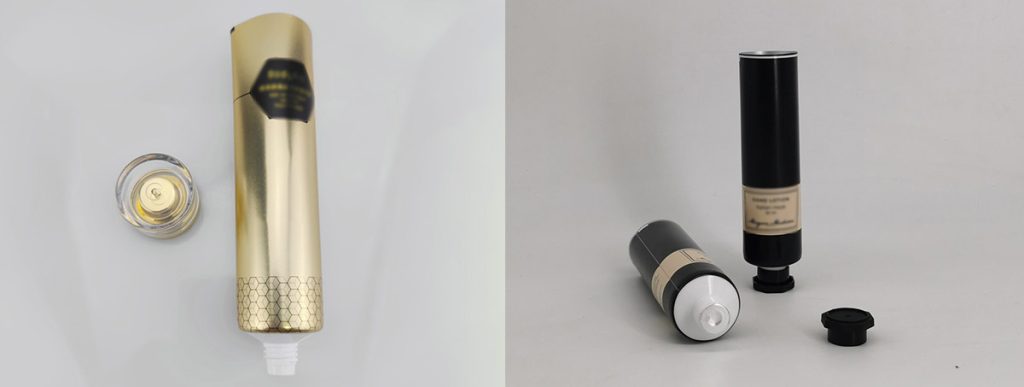
Lami tube making machine plays a vital role in the implementation of anti-counterfeiting technologies. The machine enables manufacturers to integrate holographic film, invisible ink, and microprinting into laminated tube packaging with precision. The machines support innovative printing techniques that enhance security and product authenticity. By automating the application of anti-counterfeit features, lami tube making machine ensure consistency and scalability in production.
Tip: Lami tube making machine helps manufacturers stay ahead of counterfeiters by enabling rapid adoption of new anti-counterfeiting technologies.
Manufacturers rely on these machines to produce laminated tubes with advanced anti-counterfeit packaging. The integration of security features during the printing process reduces the risk of imitation and protects both brands and consumers. Innovative printing techniques, combined with material science advancements, continue to drive progress in anti-counterfeiting technologies for laminated tube packaging.
Anti-Counterfeit Printing Techniques
Anti-counterfeit printing techniques have transformed the laminated tube industry, offering brands and consumers new levels of security and product integrity. Manufacturers rely on a combination of physical and digital authentication tools to protect products from imitation. The integration of lami tube making machine enables precise application of these advanced anti-counterfeit printing techniques, ensuring consistency and scalability in production. Companies such as Albéa and Cymmetrik have pioneered smart packaging solutions that combine QR codes, RFID tracking, and sequential numbering to enhance security and traceability.
QR Codes
QR codes have become a cornerstone of anti-counterfeit printing techniques in laminated tube packaging. These two-dimensional barcodes store product information and enable real-time authentication. Smart QR codes allow consumers to verify product authenticity using their smartphones. They also provide access to usage instructions and brand engagement features. Albéa and Cymmetrik have integrated smart QR codes into their laminated tube designs, supporting interactive experiences and building consumer trust.
- Smart QR codes enhance consumer engagement and product tracking.
- They provide real-time information and traceability for product authentication.
- Integration of QR codes supports interactive experiences and strengthens brand loyalty.
Lami tube making machine applies QR codes during the printing process, ensuring each laminated tube receives a unique identifier. This approach supports track and trace technologies, allowing manufacturers to monitor inventory and prevent counterfeiting. QR codes represent a vital link between physical packaging and digital authentication tools, making anti-counterfeit printing techniques more effective.
Tip: Consumers can scan QR codes on laminated tubes to confirm authenticity and access product details instantly.
RFID Tracking
RFID tracking stands out among anti-counterfeit printing techniques for its ability to provide unique identification and supply chain transparency. RFID tags embedded in laminated tube packaging enable automated inventory management and serialization. Healthcare and cosmetic brands use RFID tracking to monitor stock levels and expiration dates, reducing the risk of counterfeit products entering the market.
- RFID tracking allows for unique identification of products.
- Serialization and traceability improve supply chain transparency.
- Integration of RFID tags during manufacturing ensures automated inventory management.
Lami tube making machine facilitates the embedding of RFID tags during the printing process, supporting advanced track and trace technologies. RFID tracking works alongside other anti-counterfeit printing techniques to create multi-layered security. Brands benefit from 100% transparency in stock and expiration monitoring, which strengthens consumer confidence in product safety.
| Feature | Benefit |
|---|---|
| Unique Identification | Prevents counterfeiting and ensures product authenticity |
| Serialization | Enhances traceability throughout the supply chain |
| Automated Management | Supports real-time inventory and expiration monitoring |
Sequential Numbering
Sequential numbering is a fundamental anti-counterfeit printing technique that assigns a unique number to each laminated tube. This method enables manufacturers to track individual products and detect unauthorized duplication. Sequential numbering works in tandem with QR codes and RFID tracking, creating a robust system for product verification.
- Each laminated tube receives a distinct number during the printing process.
- Sequential numbering supports track and trace technologies and digital authentication tools.
- Brands can quickly identify and remove counterfeit products from the supply chain.
Cymmetrik and Albéa use sequential numbering in their smart packaging solutions, reinforcing security and traceability. Lami tube making machine automates the application of sequential numbers, ensuring accuracy and consistency across large production runs. Sequential numbering complements other anti-counterfeit printing techniques, providing an additional layer of security for laminated tube packaging.
Note: Sequential numbering helps brands maintain control over product distribution and supports rapid response to counterfeiting incidents.
Anti-counterfeit printing techniques such as QR codes, RFID tracking, and sequential numbering have become essential in the laminated tube industry. These methods, supported by lami tube making machine, offer brands powerful tools to protect products, enhance security, and build consumer trust. The combination of physical and digital authentication tools ensures that laminated tube packaging remains resilient against counterfeiting threats.
Counterfeit Products Authentication
Verification Methods
Manufacturers use a range of verification methods to protect against counterfeit products in laminated tube packaging. The authentication process combines both physical and digital anti-counterfeit solutions. Physical methods include holograms, color-shifting inks, and microprinting. These features allow immediate recognition and help customers verify authenticity. Digital methods, such as QR codes and RFID tags, enable real-time updates and integration with supply chain data. Lami tube making machine plays a key role in applying these anti-counterfeit features during the printing process, ensuring consistency and high security.
| Method | Description |
|---|---|
| Certifications | Ensure suppliers hold ISO 9001, FDA, or REACH certifications. |
| Sample Testing | Request physical samples to assess material quality and print precision. |
| Performance Metrics | Scrutinize response times and online revenue of suppliers. |
| Factory Audits | Visit facilities or use third-party inspectors to evaluate processes. |
| Operational Metrics | Cross-check on-time delivery rates, reviews, and reorder rates. |
Physical verification methods offer cost-effective solutions and immediate results. However, counterfeiters can sometimes mimic these features. Digital verification methods provide dynamic authentication and full traceability throughout the supply chain. These methods require investment in infrastructure but deliver higher levels of packaging security.
Note: Physical methods rely on visible tags and manual checks, while digital methods use technology for real-time authentication and supply chain integration.
Blockchain Traceability
Blockchain technology has transformed anti-counterfeit efforts in laminated tube printing. This technology creates an immutable record of every transaction in the supply chain. Each laminated tube receives a unique digital identity during the printing process. Blockchain technology ensures that every step, from manufacturing to delivery, is recorded and cannot be altered. This level of traceability helps combat counterfeit products and strengthens security.
Benefits of blockchain technology in packaging security include:
- Enhanced traceability through an unchangeable record of transactions.
- Stronger anti-counterfeit protection by verifying product authenticity.
- Increased transparency with a shared, real-time view of the supply chain.
- Improved efficiency and cost savings by reducing reliance on intermediaries.
Challenges exist when implementing blockchain technology. Companies must invest in new infrastructure and train staff. Collaboration among multiple stakeholders in the supply chain can be complex. Despite these challenges, blockchain technology offers unmatched security and authentication for laminated tube packaging.
Lami tube making machine supports the integration of blockchain-based digital identities during the printing process. This approach ensures that every laminated tube can be tracked and verified at any point in the supply chain. Blockchain technology, combined with advanced anti-counterfeit printing, sets a new standard for packaging security and authentication.
Conclusion
Anti-counterfeit technology strengthens the security of laminated tube packaging and reduces counterfeiting incidents. Brands use a mix of overt and covert anti-counterfeit features, such as holograms and security taggants, to protect products. Lami tube making machine enables precise integration of anti-counterfeit solutions, supporting tamper-evident seals and smart packaging.
| Aspect | Evidence |
|---|---|
| Sustainability Focus | Brands adopt recyclable and biodegradable laminated tube options. |
| Cost Challenges | Advanced anti-counterfeit features increase production costs. |
| Innovation Examples | Smart packaging and digital printing drive anti-counterfeit innovation. |
The market for anti-counterfeit laminated tube printing grows as brands seek real-time authentication and traceability. Technologies like QR codes, NFC chips, and AR markers improve anti-counterfeit verification. Investment in advanced anti-counterfeit solutions benefits brands by enhancing product safety and supply chain transparency.
Brands should implement comprehensive anti-counterfeit strategies, including overt and covert techniques, tamper-evident seals, and digital authentication. Lami tube making machine will continue to advance anti-counterfeit protection and sustainability in laminated tube packaging.
FAQ
What Is Anti-Counterfeit Technology in Laminated Tube Printing?
Anti-counterfeit technology uses advanced methods to prevent imitation of laminated tube packaging. Manufacturers add features like holograms, microprinting, and invisible ink. These solutions help brands protect products and ensure authenticity for consumers.
How Does a Lami Tube Making Machine Support Anti-Counterfeit Solutions?
A lami tube making machine enables precise integration of anti-counterfeit features during production. The machine applies holographic films, microprinting, and QR codes. This process ensures every laminated tube meets security standards and resists counterfeiting.
Why Should Brands Invest In Anti-Counterfeit Packaging?
Brands face risks from counterfeit products. Anti-counterfeit packaging protects brand reputation and consumer safety. Laminated tube solutions with security features help companies maintain trust and prevent financial losses caused by imitation goods.
Which Anti-Counterfeit Features Work Best for Laminated Tubes?
Manufacturers use holographic films, invisible ink, and RFID tags as effective anti-counterfeit features. These elements make laminated tube packaging difficult to copy. Combining physical and digital solutions increases protection against counterfeit threats.
Can Consumers Verify Laminated Tube Authenticity Easily?
Consumers can scan QR codes or check holographic seals on laminated tubes. These anti-counterfeit features allow quick verification using smartphones or visual inspection. Brands provide clear instructions to help users confirm product authenticity.