


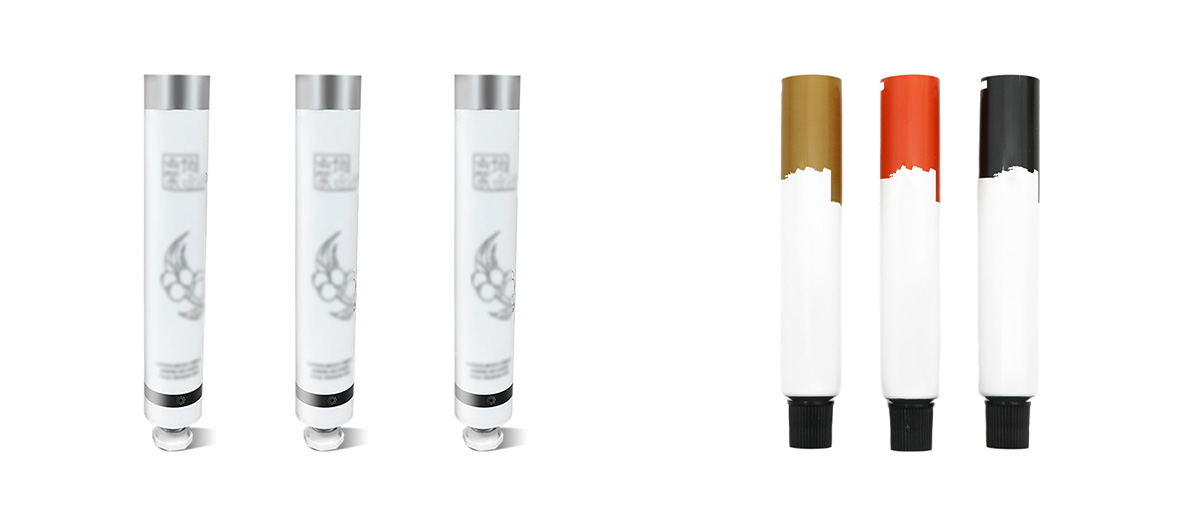
Digital printing has transformed lami tube manufacturing by meeting the growing need for small-batch customization. Brands now demand fast turnaround, unique designs, and eco-friendly packaging.
- Adoption of digital printing for laminated tubes increased by 37% from 2021 to 2024.
- Online retail and e-commerce growth drive this trend.
- Brands value quick, cost-effective production and flexibility.
| Key Trends | Description |
|---|---|
| Customization | High-quality, personalized packaging for cosmetics and luxury |
| Sustainability | Growing focus on eco-friendly materials and reduced waste |
| Fast Turnaround | Shorter lead times for small-batch runs |
Key Takeaways
- Digital printing boosts customization in lami tube manufacturing, allowing brands to create unique packaging that reflects their identity.
- This technology reduces setup time and costs, making it ideal for small-batch production and quick market responses.
- Eco-friendly materials and digital printing practices help manufacturers meet sustainability goals while minimizing waste.
- 360° seamless printing enhances product appeal, allowing for vibrant designs that attract consumer attention on retail shelves.
- Adopting digital printing positions manufacturers for growth, as it aligns with consumer demands for personalization and sustainability.
Lami Tube Manufacturing Challenges
Small-Batch Production Needs
Lami tube manufacturing faces unique challenges when producing small quantities. Many brands require frequent design changes and rapid market response. Manufacturers must adapt quickly to these demands. The use of a lami tube making machine can help, but several obstacles remain:
- Regulatory compliance and qualification cycles often extend timelines, making it difficult to switch suppliers.
- Recycling constraints create pressure to move away from traditional ABL laminates and toward mono-material solutions.
- Pricing pressure from global competitors reduces profit margins.
- Fragmentation of standards, especially for caps and closures, increases costs for clients ordering small batches.
Manufacturers also struggle with the complexity of laminate tube production. They must balance the need for flexibility with the cost of maintaining multiple standards. The demand for personalized packaging in cosmetics and pharmaceuticals adds another layer of difficulty. Many companies look for ways to optimize resources and reduce waste while still meeting strict quality requirements.
Traditional vs. Digital Printing
Traditional printing methods, such as gravure, require significant setup time and high initial investment. These methods work best for large runs but become inefficient for small-batch orders. The following table compares setup time and cost considerations:
| Printing Method | Setup Time | Cost Considerations |
|---|---|---|
| Digital Printing | Fast turnaround | Cost-effective for small runs, high for large runs |
| Gravure Printing | Time-consuming setup | Economical for large quantities, high initial investment |
Digital printing offers a solution for lami tube manufacturing by enabling fast, on-demand production. The Bottle-to-Tube process allows in-line digital decoration, which increases design flexibility. This technology supports features like embossing and unique bar codes for anti-counterfeiting. These options are not possible with traditional methods and help brands stand out in retail environments.
Manufacturers using digital printing benefit from rapid creation of complex models, lower fixed costs, and reduced labor. They can make real-time adjustments to production capacity and minimize material waste. This approach supports the growing need for customization in laminated tube packaging and helps companies stay competitive in a fast-changing market.
Digital Printing Technology
Fast Turnaround and On-Demand Production
Digital printing has changed the way manufacturers produce laminate tubes. This technology eliminates the need for traditional print plates, which reduces setup time and cost. Production can begin as soon as the artwork is ready. Manufacturers use digital offset printing to achieve fast turnaround for small-batch orders. The laminated tube making machine supports this process by allowing immediate adjustments to production runs.
Digital printing enables variable artwork, so brands can customize each batch with new designs. This flexibility helps companies respond quickly to market trends. The ability to print on demand means manufacturers do not need to keep large inventories of pre-printed tubes. They can produce only what is needed, which reduces waste and improves efficiency.
Key technological advancements in digital printing for laminate tubes include:
- High-resolution designs that create vibrant graphics and enhance brand identity.
- Personalization features that allow brands to connect with consumers.
- Integration of QR codes and NFC tags for interactive packaging experiences.
- Augmented reality applications that provide product information and tell brand stories.
- Flexo printing for higher production speeds and decorative finishes.
- Multi-layer co-extrusion techniques that improve barrier protection and shelf life.
- Improved adhesion methods for greater mechanical strength and durability.
- Use of bio-based polymers and recycled content for sustainable packaging.
Manufacturers prefer digital offset printing because it offers good printability and consistent quality. The process supports small-batch production and allows for rapid changes in design. Companies can use digital printing to create complete product packaging solutions that meet the needs of modern consumers.
360° Seamless Printing for Laminate Tubes
360° seamless printing has become a major innovation in the laminate tube sector. Technologies like DecoFusion™ and NEOSeam allow for uninterrupted artwork around the entire tube. This feature increases consumer engagement and brand visibility on retail shelves. Brands use these technologies to create eye-catching graphics that attract attention and improve their market presence.
Seamless printing eliminates visible seams, which enhances the aesthetic appeal of laminate tubes. Manufacturers can use this capability to produce packaging with photorealistic finishes and bold designs. The lami tube making machine works with digital printing systems to ensure precise alignment and high-quality results.
Successful applications of 360° seamless printing include the Holographic Laminate HAL Toothpaste Tube. This product uses full coverage printing to deliver vibrant designs and boost brand recognition. Companies in cosmetics and personal care industries rely on seamless printing to differentiate their products and connect with consumers.
The adoption of digital printing for laminate tubes is influenced by several factors:
- Dual-chamber designs that offer enhanced functionality.
- Airless dispensing systems that preserve product quality.
- Digitally printed tubes with high-impact graphics for targeted marketing.
| Factor | Description |
|---|---|
| Technological Advancements | QR codes and NFC-enabled caps increase customer involvement and traceability. |
| Customization | Digital printing allows for small batch runs with colorful, photorealistic finishes. |
| Sustainability | Manufacturers use recyclable and eco-friendly materials to meet consumer and regulatory demands. |
Consumers prefer customized packaging that reflects their brand identity. There is a growing demand for sustainable solutions in the laminate tube industry. Digital printing supports these trends by offering flexibility, good printability, and high-quality graphics for complete product packaging.
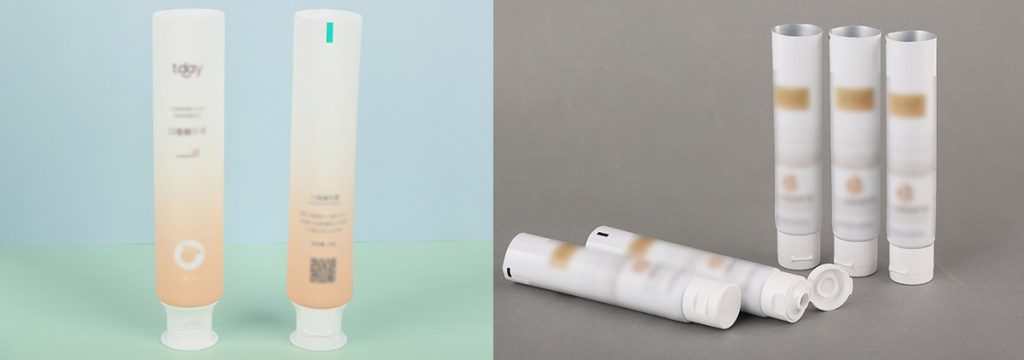
Benefits for Laminate Tubes
Customization and Personalization
Digital printing has unlocked new levels of customization for laminate tube manufacturers. Brands now create packaging that reflects their identity and connects with consumers. The technology enables manufacturers to print individual names, messages, or graphics on each tube. This approach supports marketing campaigns and limited-edition products.
Manufacturers value the ability to produce vibrant, high-quality images. Digital printing ensures that every tube looks professional and consistent. The process eliminates the need for printing plates, which speeds up production and allows for rapid design changes. Companies respond quickly to market trends and customer preferences.
Tip: Personalization increases consumer engagement and brand loyalty. Brands use customized packaging to stand out in crowded retail spaces.
The following table highlights the main benefits of digital printing for laminate tube manufacturers:
| Benefit | Description |
|---|---|
| Up to 7 Colors | Flexible design options for enhanced customization |
| Environmentally Friendly | Reduces waste and uses eco-friendly materials |
| 360° Printable Image | Enables complex images and seamless artwork around the tube |
Manufacturers use customization capabilities to create packaging that appeals to different audiences. Cosmetic and personal care brands rely on these features to launch seasonal products and special collections. The ability to personalize each tube supports brand storytelling and interactive experiences.
- Digital printing allows for personalization by enabling the printing of individual names or messages on products.
- It provides a quick time to market by eliminating the need for printing plates, thus speeding up the production process.
- The technology ensures high-quality image printing, enhancing the professional appearance of the brand.
Customization drives innovation in laminate tube manufacturing. Companies experiment with new designs and finishes to attract attention. The flexibility of digital printing supports frequent updates and small-batch production.
Cost-Effectiveness for Short Runs
Digital printing offers significant cost advantages for short-run laminate tube orders. Manufacturers eliminate manual setup, which reduces labor and material costs. The process supports small quantities without the high expenses associated with traditional methods.
Short-run production becomes more economical because digital printing does not require expensive plates or lengthy setup times. Companies produce only the amount needed, which minimizes waste and inventory costs. Fast turnaround times help brands launch products quickly and respond to market changes.
- Digital printing eliminates manual setup, making it more economical for smaller runs.
- It provides faster turnaround times, which is crucial for short-run orders.
- The ability to customize each piece without incurring significant extra costs enhances its cost-effectiveness for low-volume projects.
Manufacturers benefit from the flexibility to adjust orders and designs without additional fees. This approach supports frequent product launches and seasonal campaigns. Brands save money while maintaining high-quality standards.
The following table summarizes the cost-effectiveness of digital printing for laminate tube production:
| Feature | Impact on Short Runs |
|---|---|
| No Manual Setup | Reduces labor and material costs |
| Fast Turnaround | Enables quick product launches |
| Customization Per Piece | Supports unique designs without extra charges |
Customization remains a key driver of cost-effectiveness. Brands use digital printing to create small batches with unique graphics and messages. This strategy helps companies test new products and gather feedback before scaling up production.
Sustainability and Biodegradable Solutions
Eco-Friendly Materials in Lami Tube Manufacturing
Lami tube manufacturers have made significant progress in sustainability by adopting eco-friendly materials. Many companies now use monomaterial polypropylene (PP) tube laminates, which are 100% recyclable in the PP stream. Some manufacturers choose bio-based polyethylene made from renewable sources, which helps reduce the carbon footprint. Others use post-consumer recycled (PCR) and post-industrial recycled (PIR) materials to support sustainability goals. These eco-friendly options help brands meet the growing demand for eco-conscious packaging.
A shift toward biodegradable materials has also emerged. Manufacturers use biodegradable materials in tube closures and laminates, especially in personal care and oral care sectors. Bio-based polyethylene, made from waste and residue oils, meets strict regulatory standards. Companies also design tubes with fewer components, making recycling easier and supporting sustainable solutions.
| Sustainable Practice | Description |
|---|---|
| Recyclable Materials | Tubes can be recycled in various waste streams, including aluminum tubes. |
| Eco-friendly Materials | Biodegradable and recyclable materials used in tube closures. |
| Digital Printing | Customization and reduced waste in production. |
Note: About 30% of new product releases in cosmetics and pharma now feature recyclable laminate tubes. The personal care sector leads the shift toward biodegradable materials, covering 65% of the market.
Reducing Waste with Digital Printing
Digital printing plays a key role in sustainability for lami tube manufacturing. This technology allows for efficient handling of short production runs, which reduces overproduction and waste. Manufacturers can synchronize production with actual demand, minimizing unsold inventory and lowering the carbon footprint. Drop-on-demand technology, such as the Linoprint L system, further reduces excess material use during production.
Digital printing supports eco-friendly and biodegradable trends by enabling on-demand customization. Brands can produce only what they need, which helps prevent waste. High-speed direct digital ink-jet printing improves efficiency and reduces material waste, especially for high-value barrier tube laminates.
- Digital printing enables shorter print runs and on-demand production.
- Manufacturers reduce waste by producing only the required quantity.
- The shift to digital printing supports eco-conscious packaging and sustainable solutions.
Eco-friendly and biodegradable materials, combined with digital printing, help brands achieve their sustainability goals. Companies can offer packaging that appeals to eco-conscious consumers and meets regulatory requirements.
Conclusion
Digital printing empowers lami tube manufacturers to meet small-batch demands with speed, flexibility, and high-quality customization.
- It removes costly setup, enables rapid artwork changes, and supports personalized designs for new market opportunities.
- The technology achieves modern design standards and keeps production costs competitive.
| Benefit | Description |
|---|---|
| Aligning with Consumer Values | Manufacturers resonate with sustainability-focused buyers. |
| Enhancing Brand Credibility | Eco-friendly practices build trust and improve brand image. |
| Innovation and Differentiation | New materials open doors for product development and market positioning. |
Industry experts project a strong CAGR of 6.2% for laminate tubes. Startups and indie brands choose digital printing for short runs, reflecting their unique identities. Manufacturers who adopt digital printing and eco-friendly practices position themselves for future growth and consumer loyalty.
FAQ
What Makes Digital Printing Beneficial for Cosmetic Tube Manufacturers?
Cosmetic tube manufacturers gain fast turnaround, high-quality graphics, and cost savings with digital printing. This technology supports small-batch production and allows for frequent design changes. Cosmetic tube manufacturers can quickly meet consumer demands for unique, refillable, and sustainable cosmetic tubes.
How Do Cosmetic Tube Manufacturers Support Sustainability with Refillable Tubes?
Cosmetic tube manufacturers use refillable tubes to reduce waste. These tubes allow consumers to reuse packaging, which lowers environmental impact. Many cosmetic tube manufacturers now offer refillable options for cosmetic products, helping brands meet eco-friendly goals and appeal to the modern consumer.
Why Do Cosmetic Brands Prefer Refillable Tubes?
Refillable tubes help cosmetic brands reduce packaging waste and support sustainability. Cosmetic tube manufacturers design refillable tubes for easy use and attractive appearance. Consumers choose refillable cosmetic tubes because they want eco-friendly solutions and value the convenience of refilling their favorite cosmetic products.
How Do Cosmetic Tube Manufacturers Ensure Quality in Cosmetic Tubes?
Cosmetic tube manufacturers use advanced technology and strict quality checks. They select safe materials for cosmetic tubes and test each batch. Cosmetic tube manufacturers also work with brands to create refillable, durable, and attractive cosmetic tubes that meet consumer expectations for safety and performance.
What Trends Are Shaping the Cosmetic Tube Manufacturing Industry?
Cosmetic tube manufacturers see rising demand for refillable tubes, personalized designs, and eco-friendly materials. The cosmetic industry values innovation, so cosmetic tube manufacturers invest in digital printing and sustainable practices. Consumers want cosmetic tubes that reflect their values, so refillable and recyclable options grow in popularity.