


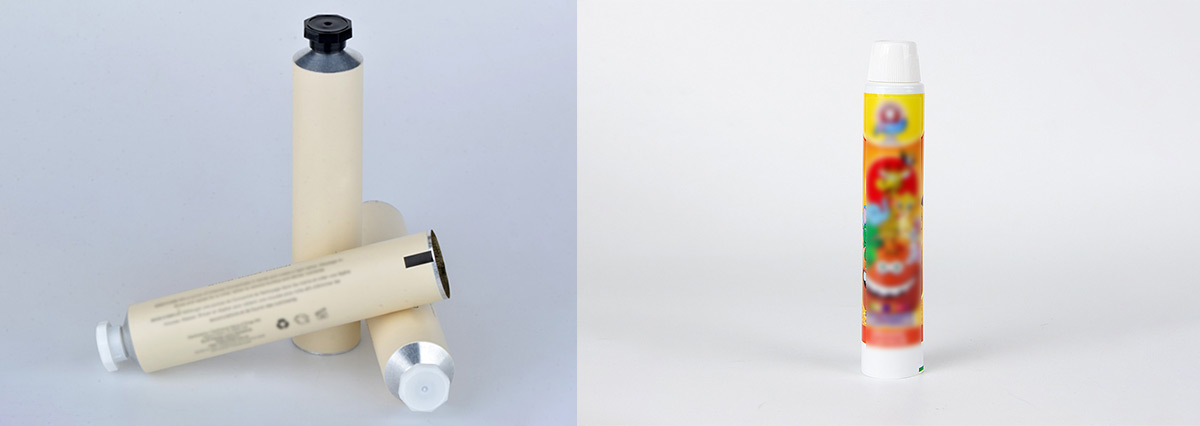
Manufacturers in lami tube manufacturing rely on EN 15386:2007 and ASTM D3359-02 to verify ink adhesion. Tape test, crosshatch, and manual abrasion methods provide measurable results. Equipment quality and regular cleaning of the lami tube making machine play a vital role in adhesion outcomes.
| Standard | Description |
|---|---|
| ASTM D3359-02 | Measures adhesion by tape test, widely used for coating films on metallic substrates. |
| Purpose | Assesses adhesion of coating films using pressure-sensitive tape. |
| Application | Test Method A for job sites; Test Method B for labs, with thickness limitations. |
Key Takeaways
- Regular testing of ink adhesion using standards like ASTM D3359-02 ensures product quality and prevents defects.
- Choosing the right substrate and adhesion promoter concentration significantly enhances ink adhesion and print quality.
- Maintaining a clean printing unit is crucial for strong ink adhesion; regular cleaning prevents contamination and improves results.
- Consistent monitoring of environmental conditions during printing helps maintain stable ink viscosity and adhesion quality.
- Documenting testing processes and results is essential for compliance with industry standards and building customer trust.
Importance in Lami Tube Manufacturing
Product Quality
Ink adhesion directly shapes the visual and functional quality of laminated tubes. Manufacturers observe that the right combination of substrate and adhesion promoter leads to better print results. The table below shows how different substrates and promoter concentrations affect ink adhesion and print quality:
| Substrate Type | Adhesion Promoter Concentration | Ink Adhesion Quality | Print Quality Metrics |
|---|---|---|---|
| PET Film | 0% | Poor | Low optical density |
| PET Film | 0.5% – 1.5% | Slight Improvement | Moderate optical density |
| BOPP Film | 1.0% – 1.5% | Significant Improvement | High optical density |
| PE Film | 1.0% | Best Adhesion | Highest optical density |
| PE Film | 2% | Ideal Adhesion | Optimal print quality |
Poor ink adhesion can cause several defects. These include voids, skips, hazy lamination, and ink smear. Each defect lowers the perceived quality of the product. Customers notice these flaws and may reject the tubes. Consistent testing helps prevent these issues and ensures that every tube meets high standards.
Tip: Regularly monitor ink and substrate compatibility to avoid common defects and maintain high print quality.
Compliance
Lami tube manufacturing must meet strict regulatory and industry standards. Compliance ensures that products are safe for consumers and the environment. The table below outlines key requirements:
| Compliance Requirement | Description |
|---|---|
| REACH SVHC Compliance | Ensures that cosmetic tube adhesives and inks do not contain harmful chemicals above set limits. |
| Role of Adhesives and Inks | Requires all inks and adhesives in cosmetic packaging to meet REACH SVHC standards. |
Manufacturers must document their testing processes and results. This documentation proves that each batch meets both customer and regulatory expectations. Failure to comply can result in product recalls or legal penalties. By following recognized standards, companies protect their reputation and maintain customer trust.
Standards for Ink Adhesion
EN 15386:2007
EN 15386:2007 sets out the requirements for testing ink adhesion on laminated tubes. This standard focuses on the packaging industry, especially for cosmetic and pharmaceutical products. It defines the procedures for preparing samples, applying test methods, and evaluating results. The standard ensures that manufacturers use consistent testing conditions. This consistency helps companies compare results across different production batches.
EN 15386:2007 also describes the environmental conditions for testing. Temperature and humidity can affect ink adhesion. The standard requires controlled conditions to ensure reliable results. Manufacturers who follow EN 15386:2007 can demonstrate that their products meet industry expectations for durability and appearance.
Note: Using EN 15386:2007 helps manufacturers avoid disputes with customers about print quality and tube performance.
ASTM D3359-02
ASTM D3359-02 provides two main methods for ink adhesion testing: Method A and Method B. Both methods use pressure-sensitive tape to measure how well ink sticks to the tube surface.
- Method A:
- The tester cuts an ‘X’ through the ink film.
- Pressure-sensitive tape is applied over the cut.
- The tape is removed quickly.
- The tester evaluates adhesion on a scale from 0 to 5, where 5 means no peeling and 0 means significant removal.
- Method A works best for thicker coatings and field testing.
- Method B:
- The tester creates a lattice pattern of cuts in the ink film.
- Tape is applied and removed as in Method A.
- The tester uses the same 0 to 5 scale.
- Method B is recommended for laboratory settings and coatings up to 5 mils thick.
- The standard includes pictorial guides to help with rating.
Both methods use clear criteria and visual aids to ensure accurate and repeatable results. The results are labeled as ‘A’ for Method A (e.g., 3A) and ‘B’ for Method B (e.g., 3B). This labeling helps manufacturers track and compare test outcomes.
Tip: Regular use of ASTM D3359-02 in lami tube manufacturing supports quality control and process improvement.
Industry and Customer Requirements
Manufacturers must meet not only international standards but also specific industry and customer requirements. High-performance inks and coatings are essential for meeting customer expectations. These requirements often go beyond basic adhesion and include resistance to abrasion, chemicals, and environmental factors.
- Meeting customer-specific adhesion needs can:
- Improve production efficiency.
- Enhance product differentiation in a competitive market.
- Reduce the risk of product returns or complaints.
- Suppliers play a key role by:
- Understanding the interactions between coatings, primers, and inks.
- Providing transparent information about ink solutions.
- Supporting manufacturers in selecting the right materials for each application.
Smooth and fast production processes depend on the right ink and coating choices. Manufacturers who meet customer requirements can build stronger business relationships and stand out from low-cost competitors.
Callout: Consistent communication with customers about ink adhesion standards and test results builds trust and supports long-term success in lami tube manufacturing.
Methods for Ink Adhesion Testing
Tape Test

The tape test stands as a primary method for evaluating ink adhesion on laminated tubes in lami tube manufacturing. Technicians use specialized equipment and follow strict procedures to ensure reliable results. The integration of the laminated tube making machine allows for consistent sample preparation and handling.
Step-by-step procedure:
- Prepare Equipment
Select adhesive tape with high peel adhesion, such as tesa 7475, tesa 7476, tesa 4102, or 3M Scotch® 810 Magic™ tape. Use a standard FINAT test roller and a tensile tester capable of peeling at a 180° angle with a jaw separation rate of 300 mm/min. A spectrophotometer, like X-Rite DTP22 or Datacolor Elrepho 3000, helps measure color differences. - Sample Preparation
Ensure the ink on the laminated tube is fully cured and dry. Prefer testing pure colors for more accurate results. Cut specimens to 30 mm by 175 mm. - Conditioning
Maintain the testing environment at 23°C ± 2°C and 50% RH ± 5% RH. Condition samples for at least four hours before testing. - Test Execution
Place the specimen flat and apply the adhesive tape smoothly, avoiding air bubbles. Use the FINAT roller to press the tape firmly. Bend the unattached tape back at a 180° angle. Fix the tape in the tensile tester and peel at 300 mm/min. - Evaluation
Measure the peel value in Newton per 25 mm. Assess the color difference (ΔE) before and after tape removal using the spectrophotometer.
Tip: Consistent use of the lami tube making machine for sample preparation improves repeatability and accuracy in tape testing.
Crosshatch Test
The crosshatch test provides a detailed assessment of ink adhesion, especially for rigid laminated tubes. This method uses a grid pattern to evaluate how well the ink adheres to the substrate.
Step-by-step procedure:
- Clean the surface of the laminated tube to remove dust and contaminants.
- Use a crosshatch cutting tool to create a grid pattern with ten or more cuts in each direction.
- Brush the surface gently to remove loose particles.
- Firmly press a piece of adhesive tape onto the crosshatch area.
- Remove the tape quickly at a 180-degree angle.
- Inspect the grid for adhesion loss and rate the result according to ASTM D3359 standards.
- Level 0: No loss of adhesion
- Level 1: Slight loss of adhesion
- Level 2: Moderate loss of adhesion
- Level 3: Significant loss of adhesion
- Level 4: Major loss of adhesion
- Level 5: Complete loss of adhesion
Note: The crosshatch test works best for rigid surfaces. Flexible or semi-rigid laminated tubes may yield inconsistent results.
Manual Abrasion
Manual abrasion offers a simple way to check ink adhesion without specialized equipment. Operators use physical force to test the durability of ink on the tube surface.
| Method | Advantages | Limitations |
|---|---|---|
| Manual Abrasion | Simple and does not require calibrated equipment. | Test accuracy is operator dependent. |
| Tape Test (ASTM D3359) | Provides a straightforward method for measuring adhesion. | Different tapes yield varying results based on surface texture and adhesive properties. |
| Crosshatch Test | Effective for assessing adhesion on rigid surfaces. | May not be suitable for flexible or semi-rigid materials, leading to inconsistent results. |
Procedure:
- Rub the inked surface of the laminated tube with moderate pressure using a standard eraser or cloth.
- Observe any visible ink removal or smearing.
- Rate the adhesion based on the amount of ink lost.
Operators often use manual abrasion for quick checks during lami tube manufacturing. This method does not require integration with the lami tube making machine, but results can vary depending on the operator’s technique.
Callout: Manual abrasion provides a fast assessment, but for critical applications, tape and crosshatch tests deliver more reliable and standardized results.
Best Practices
Cleaning Printing Unit
Regular cleaning of the printing unit is essential for maintaining strong ink adhesion in lami tube manufacturing. Operators should use lint-free cloths and soft brushes to remove paper dust, ink, and debris from the lami tube making machine. Cleaning solvents designed for printing equipment help dissolve stubborn residues. For plastic surfaces, isopropyl alcohol works well, while acetone is more effective for metal parts. Specialized tools may be needed to reach tight spaces. Always power down and unplug the machine before cleaning to ensure safety.
Regular cleaning prevents ink buildup on machine components. This practice allows ink to transfer smoothly onto the laminated tube, resulting in better adhesion and print quality.
Material Selection
Choosing the right materials directly affects ink adhesion. The substrate’s surface energy should be higher than the ink’s surface tension. For water-based inks, treat the substrate to 45-48 dynes/cm. UV inks require a surface energy near 60 dynes/cm or more. Cleaning the substrate with isopropyl alcohol removes oils and contaminants that weaken adhesion. Manufacturers often blend polyolefins with specific polymers or add chlorinated polyethylene to improve adhesion. Using raw materials with fewer plastic additives also helps prevent oil films that can interfere with ink bonding.
- Ensure substrate surface energy matches ink requirements.
- Select inks and coatings with compatible chemistry.
- Modify raw materials or use additives to enhance adhesion.
Printing Parameters
Controlling printing parameters ensures consistent ink adhesion. Maintain the printing environment at 18-25°C to keep ink viscosity stable. Allow inks to cure fully, which may take up to seven days for some substrates. Routine testing, such as tape tests or alcohol wipes, helps monitor adhesion quality. Operators should adjust machine speed and pressure based on the type of laminated tube and ink used.
- Monitor and adjust temperature and humidity in the print area.
- Schedule routine adhesion tests during production.
- Set curing times according to substrate and ink type.
Tip: Consistent process control and preventive maintenance on the lami tube making machine reduce defects and improve long-term product quality.
Conclusion
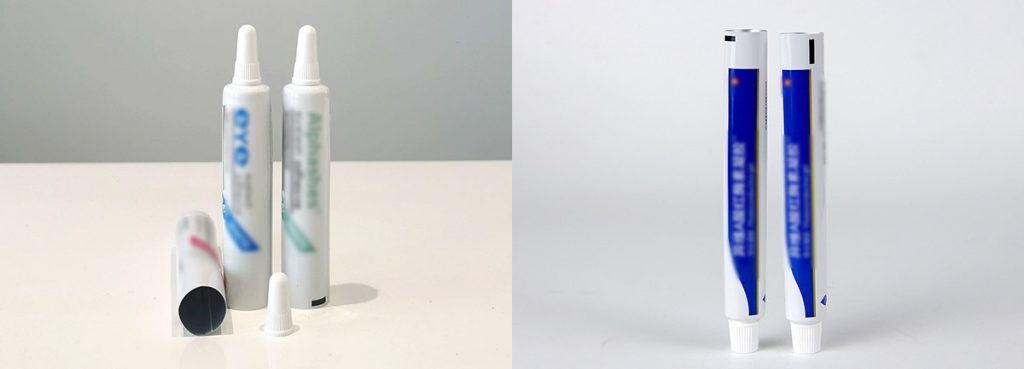
Manufacturers in lami tube manufacturing achieve reliable results by following EN 15386:2007 and ASTM D3359-02. Consistent testing prevents delamination and ensures regulatory compliance. Key takeaways from industry experience include:
- Consistent bond strength prevents product failure.
- Substrate compatibility and proper adhesive application improve finishes.
- Automation and eco-friendly materials support industry trends.
Manufacturers should optimize machine processes, maintain regular cleaning, and document all tests. Routine evaluation and process control help address challenges like surface energy variability and ink adhesion on difficult substrates.
FAQ
What Is the Most Common Ink Adhesion Test for Lami Tubes?
Technicians most often use the tape test. This method provides quick results and works well with standard equipment.
Tip: The tape test follows ASTM D3359-02 guidelines for reliable and repeatable outcomes.
How Often Should Manufacturers Perform Ink Adhesion Testing?
Manufacturers should test ink adhesion at the start of each production batch. Routine checks during production help catch defects early.
- Initial batch testing
- Periodic spot checks
- Final product inspection
Which Equipment Improves Ink Adhesion Testing Accuracy?
A tensile tester, FINAT roller, and spectrophotometer improve accuracy. These tools help measure peel strength and color changes.
| Equipment | Purpose |
|---|---|
| Tensile Tester | Measures peel force |
| FINAT Roller | Applies tape evenly |
| Spectrophotometer | Checks color change |
Can Manual Abrasion Replace Standard Adhesion Tests?
Manual abrasion offers a quick check, but it cannot replace standard tests. Tape and crosshatch methods provide more consistent and objective results.
Note: Use manual abrasion for fast assessments, but rely on standard tests for quality control.
Why Does Cleaning the Printing Unit Matter for Ink Adhesion?
Cleaning removes dust, ink residue, and oils. These contaminants weaken ink bonding. Regular cleaning ensures strong adhesion and better print quality.
- Lint-free cloths
- Isopropyl alcohol
- Scheduled maintenance