


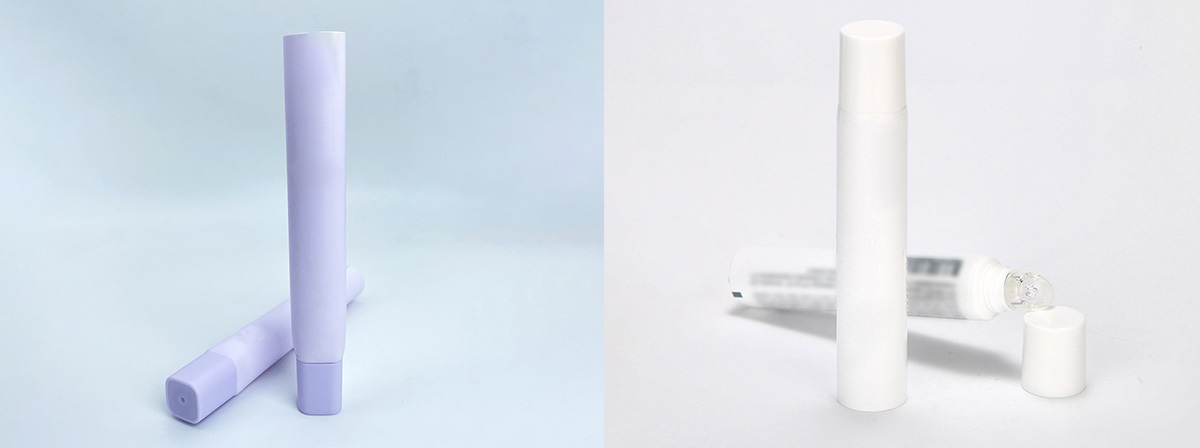
Bio-based plastics now play a critical role in the laminated tubes. Companies move away from fossil-based sources and choose bio-based materials to create more sustainable packaging. Recent studies show that bioplastics offer environmental benefits, such as lower carbon emissions and biodegradability. The industry now sees new supply chains using food waste and new industrial processes focused on the environment. Bioplastics help prevent waste and support a circular economy. Lami tube making machines adapt to process these innovative materials, helping companies produce eco tubes. Recyclable and eco-responsible laminated tube solutions gain importance as the environment remains a top priority.
Key Takeaways
- Bio-based plastics are essential for creating sustainable laminated tubes, reducing reliance on fossil fuels.
- Consumer demand for eco-friendly packaging drives companies to adopt bioplastics, enhancing brand loyalty.
- Bioplastics like PLA and PHA break down naturally, helping to reduce plastic waste and support the circular economy.
- Innovations in bioplastic materials and manufacturing processes are transforming the packaging industry for food and cosmetics.
- Despite challenges like high costs and recycling complexities, the future of laminated tubes looks promising with ongoing advancements in sustainability.
Laminated Tubes Market Shift
Industry Trends
The market for laminated tubes experiences rapid transformation as bioplastics become central to packaging innovation. Companies respond to the growing demand for eco solutions by shifting from traditional plastics to bio-based materials. Several trends shape this shift:
- The plastic barrier laminated tube market grows as more brands seek eco-friendly packaging.
- Manufacturers increasingly choose bio-based polymers and recyclable laminated structures over conventional plastics.
- Heightened environmental awareness drives the demand for sustainable packaging solutions.
Consumer preferences also play a significant role in this transformation. The following table highlights recent changes in the market:
| Evidence | Description |
|---|---|
| Consumer Awareness | Rising consumer awareness regarding sustainability influences packaging choices. |
| Market Growth | The cosmetic laminated tube packaging market is projected to grow from USD 2.5 billion in 2023 to around USD 4.2 billion by 2032, showing a shift toward sustainable options. |
| Consumer Preference | Over 60% of consumers prefer brands that offer sustainable packaging, highlighting the demand for eco-friendly solutions. |
Sustainability Drivers
Sustainability drives the adoption of bioplastics in laminated tubes. Several factors contribute to this movement:
- Government regulations ban single-use plastics, creating a need for sustainable alternatives.
- Extended producer responsibility schemes require companies to adopt sustainable packaging.
- Corporate sustainability commitments, such as science-based targets and net-zero pledges, encourage the use of bio-based materials.
- Consumer preferences for environmentally responsible packaging influence purchasing decisions and brand loyalty.
- Retail chains increasingly require suppliers to use sustainable packaging, boosting market demand.
Bioplastics offer environmental benefits that support the circular economy. They come from renewable resources, reducing reliance on fossil fuels. Their lower carbon footprint and compostability contribute to a more sustainable lifecycle. Bioplastics can be made from food sources like starch and cellulose, promoting circularity and reducing waste. Industrial composting of bioplastics further supports the environment and the circular economy. As the market for tubes evolves, bioplastics and eco packaging solutions continue to shape the future of laminated tubes.
Bioplastics Overview
What Are Bioplastics?
Bioplastics represent a new class of materials that come from renewable sources. These materials use resources like corn, sugarcane, and even food waste. Unlike traditional plastics, which rely on fossil fuels, bioplastics use bio-based materials. This shift helps reduce the impact on the environment and supports the move toward eco solutions in laminated tube packaging.
Bioplastics can serve many roles in the packaging industry. They appear in food containers, laminated tubes, and other packaging products. These materials offer a way to lower carbon emissions and reduce waste in the environment. Companies use bioplastics to create tubes for food, cosmetics, and personal care. The use of bioplastics in tubes helps brands meet consumer demand for sustainable packaging.
Note: Bioplastics can break down in the environment under the right conditions. This feature makes them different from traditional plastics, which can last for hundreds of years.
The global production of bioplastics has grown quickly. The table below shows the increase in production capacity over recent years:
| Year | Global Production Capacity (metric tons) |
|---|---|
| 2023 | 2 million |
| 2029 | 5.7 million |
This growth shows the rising demand for bioplastics in packaging, especially for food and tubes.
A comparison between traditional plastics and bioplastics highlights key differences:
| Feature | Traditional Plastics | Biodegradable Plastics |
|---|---|---|
| Raw Material Source | Derived from petroleum-based materials | Made from renewable resources like corn starch |
| Degradation Mechanism | Remain in the environment for long periods | Break down into non-toxic components in months |
- Traditional plastics come from fossil fuels like petroleum and natural gas.
- Bioplastics use renewable biological materials such as corn and sugarcane.
- Traditional plastics do not decompose easily. Bioplastics can break down in microbe-rich environments, helping to protect the environment.
Bio-based Plastic Types
Bioplastics include several types, each with unique properties and uses in packaging. The most common types used in the packaging industry are:
- Starch blends
- Polylactic acid (PLA)
- Polybutylene succinate (PBS)
- Polybutylene adipate terephthalate (PBAT)
- Polyhydroxyalkanoates (PHA)
- Bio-based polyethylene (bio PE)
- Bio-based polyethylene terephthalate (bio PET)
- Bio-based polyamide (bio PA)
The table below shows the market share of different bio-based plastics used in packaging:
| Type of Bio-based Plastic | Market Share (%) | Year |
|---|---|---|
| Biodegradable (starch blends, PLA, PBS, PBAT, PHA) | 52.68 | 2024 |
| Bio-based/non-biodegradable (bio PET, bio PE, bio PA) | N/A | N/A |
Biodegradable bioplastics hold the largest share in the packaging market. These materials often appear in food packaging and laminated tubes. They help reduce the impact on the environment by breaking down more easily than traditional plastics.
Bio-based plastics like PLA and PHA come from food sources. Companies use these materials to make tubes for food and personal care products. Bio-based polyethylene and bio PET also play a role in packaging, offering strength and flexibility for tubes.
Bioplastics support the circular economy. They use food waste and other renewable resources, reducing the need for fossil fuels. The use of bioplastics in laminated tubes and food packaging helps companies meet environmental goals and respond to consumer demand for sustainable products.
Tip: When choosing materials for laminated tubes, companies should consider the type of bioplastic, its source, and its impact on the environment.
Materials for Laminated Tubes
Bio-based Polyethylene
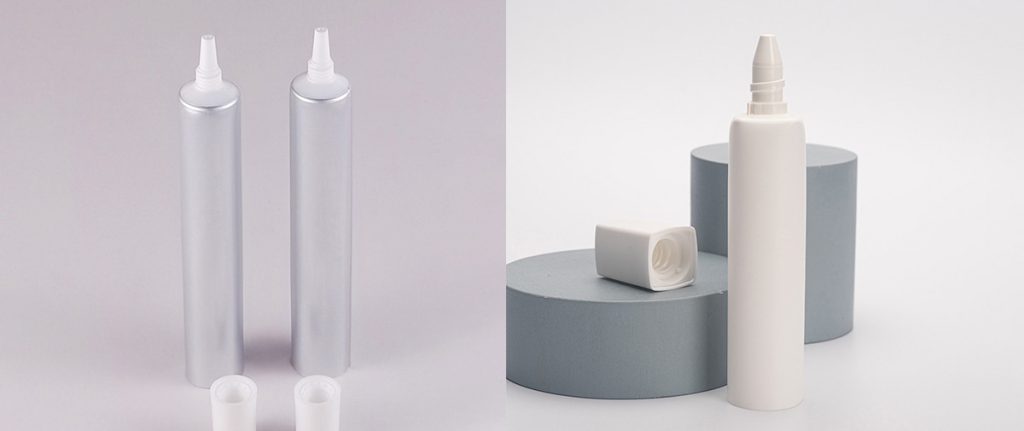
Bio-based polyethylene stands out as a leading material in the laminated tubes production. Manufacturers create this polymer using renewable resources, which helps reduce the environmental impact of packaging. The main source of raw material for bio-based polyethylene is ethanol. Producers derive ethanol from biomass, making it a sustainable choice for the industry.
| Source of Raw Material | Description |
|---|---|
| Ethanol | Derived from renewable sources (biomass) |
Sugarcane bioplastic plays a key role in this process. Companies extract ethanol from sugarcane, then convert it into polyethylene. This method supports the shift from fossil-based plastics to bio-based materials. Sugarcane bioplastic offers the same strength and flexibility as traditional polyethylene, so it fits well in tubes for food and cosmetic packaging. The use of sugarcane bioplastic in laminated tubes helps brands meet eco goals and respond to consumer demand for sustainable packaging.
Bio-based polyethylene also supports the circular economy. It reduces reliance on fossil fuels and lowers carbon emissions. The material can be recycled, which further decreases its impact on the environment. Many companies now choose bio-based polyethylene for tubes because it combines performance with environmental responsibility.
PHAs and PLA
Polyhydroxyalkanoates (PHAs) and polylactic acid (PLA) represent important bioplastics for laminated tubes. Both materials come from renewable resources, such as corn and sugarcane. They offer unique properties that make them suitable for packaging applications.
| Property | Description |
|---|---|
| Biocompatibility | PLA is compatible with biological systems, making it safe for various applications. |
| Biodegradability | PLA can break down naturally in the environment, reducing waste concerns. |
| Modifiability | PLA can be modified for different applications, enhancing its versatility. |
PHAs and PLA provide several benefits for the environment. They break down naturally, which helps reduce plastic waste. These bioplastics also support the use of food waste and other renewable resources. Tubes made from PHAs and PLA can serve the food and cosmetic industries, offering safe and sustainable packaging options.
However, some challenges exist with PHAs and PLA in packaging:
- Production difficulties: PHA production involves diluted bacterial solutions, making it more complex than traditional polymers.
- Consistency issues: Variability in bacterial strains and environmental conditions leads to inconsistent product quality.
- Scale-up challenges: Biological processes complicate the scaling of PHA production, affecting quality with each increase in scale.
- Economic factors: The high cost of PHA production, due to complex processes and low yields, makes it less economically viable compared to other materials.
Despite these challenges, PHAs and PLA continue to gain attention in the bioplastics market. Researchers and manufacturers work to improve production methods and lower costs. As technology advances, these materials may become more common in tubes for food and personal care packaging.
Terralene® and Drop-In Bioplastics
Terralene® offers a new approach to sustainable packaging. This compound is based on bio-PE, which comes from renewable resources like sugarcane. Terralene® serves as a drop-in bioplastic, meaning it can replace conventional plastics in existing manufacturing processes for laminated tubes. The material provides high barrier properties and excellent chemical resistance. These features make Terralene® ideal for packaging sensitive products, such as cosmetics and food.
Unlike biodegradable bioplastics like PLA, Terralene® maintains superior moisture and oxygen barrier capabilities. This advantage ensures an extended shelf life for products inside the tubes. Terralene® also supports the use of sugarcane bioplastic, which helps reduce the environmental impact of packaging. Manufacturers can use Terralene® in tubes without changing their current equipment, making it easier to adopt eco solutions.
Drop-in bioplastics, including Terralene®, allow companies to transition from fossil-based plastics to bio-based materials with minimal disruption. These materials help the industry move toward more sustainable packaging while maintaining product quality. Terralene® and other drop-in bioplastics play a key role in the future of laminated tubes, supporting both environmental goals and consumer expectations.
Note: Paper-based tubes also appear in the market as an alternative to plastic-based options. However, bioplastics like Terralene® and sugarcane bioplastic offer better barrier properties, making them more suitable for certain food and cosmetic packaging needs.
Applications in Packaging
Bioplastics for Food Packaging
Bioplastics for food packaging have become essential in the modern food industry. Companies use these materials in laminated tubes to preserve food quality and extend shelf life. Bioplastics for food packaging help maintain freshness and protect products from external factors. The food packaging sector continues to evolve, and bioplastics play a significant role in this transformation. Their use in laminated tubes reflects a broader shift toward sustainable packaging.
Polylactic acid (PLA) stands out among bioplastics for food packaging. PLA offers rigidity and transparency, making it suitable for tubes, salad containers, and drink cups. These food packaging materials provide a safe barrier for food. Manufacturers choose bioplastics for food packaging because they meet strict food safety standards. PLA and CPLA have received FDA approval in the United States and comply with EFSA regulations in Europe. These materials do not leach harmful chemicals, ensuring safety for direct contact with food and beverages.
The table below highlights key features of bioplastics for food packaging:
| Feature | Benefit |
|---|---|
| Food Safety | No harmful chemical leaching |
| Regulatory Compliance | FDA and EFSA approved |
| Shelf Life Extension | Preserves food quality in tubes |
| Transparency | Allows visibility of food products |
Bioplastics for food packaging support the environment by reducing reliance on fossil fuels. They use bio-based materials and help decrease waste. As the demand for sustainable food packaging materials grows, bioplastics for food packaging continue to shape the future of tubes in the food industry.
Cosmetic Tube Material
Cosmetic tube material has seen a shift toward bioplastics. These materials offer several advantages over traditional plastics. Bioplastics for cosmetic tubes come from renewable resources, which leads to fewer carbon emissions during production. They break down naturally or in composting facilities, reducing landfill waste and supporting the environment.
Manufacturers select bioplastics for cosmetic tube material because of their improved sustainability. These tubes use plant-based food packaging materials, which decreases reliance on fossil fuels. Bioplastics for cosmetic tubes emit fewer greenhouse gases and decompose in months, unlike conventional plastics that persist for centuries. Eco-friendly disposal becomes easier, and the environment benefits from reduced plastic pollution.
The use of bioplastics for cosmetic tube material aligns with consumer demand for sustainable packaging. Companies recognize the importance of using food packaging materials that support the environment and promote eco practices. Bioplastics for cosmetic tubes help brands meet their environmental goals while delivering high-quality packaging for personal care products.
Benefits of Bioplastics
Environmental Impact
Bioplastics offer significant advantages for the environment and the packaging industry. Companies use bioplastics in laminated tubes to provide an environmentally friendly alternative to traditional plastics. These materials support sustainability by reducing the reliance on fossil fuels. Bioplastics help lower greenhouse gas emissions during production. Manufacturers often use agricultural by-products and food waste, which promotes resource efficiency and sustainability considerations.
The circular economy benefits from bioplastics because they are compostable and biodegradable. When disposed of properly, bioplastics can enrich the soil instead of polluting it. This process supports environmental sustainability and helps reduce plastic waste in food packaging. Bioplastics also play a role in eco solutions for tubes, making them a preferred choice for brands focused on sustainability.
- Bioplastics provide a sustainable alternative to traditional plastics, reducing environmental impact.
- They help lower greenhouse gas emissions during production by reducing dependency on fossil fuels.
- Designed to be compostable and biodegradable, they can safely return to the ecosystem, enriching the soil instead of polluting it.
- Utilizing agricultural by-products and food waste for production promotes resource efficiency and sustainability.
The use of bioplastics in tubes supports the circular economy and encourages responsible food packaging practices. Companies continue to invest in bioplastics to meet consumer demand for sustainable and compostable solutions.
Recyclability
Recyclability remains a key factor in the adoption of bioplastics for packaging and tubes. Many bioplastics are compostable, which allows them to break down naturally in the environment. However, recycling bioplastics from laminated tubes presents challenges. The separation of laminates from one another can be difficult. The recycling symbol on packaging does not always guarantee that the tubes will be recycled.
The recycling of bio-based polymers and their composites faces significant challenges, particularly in the separation of bioplastics from other plastics. This separation is crucial for effective recycling, as mixed waste streams can hinder the recycling process. Companies address these issues by developing new technologies and improving sorting systems. These efforts support sustainability and help increase the recyclability of bioplastics in food packaging.
Manufacturers continue to explore ways to enhance the recyclability of bioplastics in tubes. The goal is to create packaging that supports the circular economy and reduces waste. As technology advances, the industry expects more efficient recycling solutions for bioplastics, making them an even stronger choice for sustainable food packaging.
Future Outlook
Innovations
Recent innovations in bioplastics are transforming the future of laminated tubes. Manufacturers now focus on creating packaging that supports the circular economy and protects the environment. New materials and technologies help companies meet sustainability goals while maintaining the quality of tubes for food and other products. The following table highlights some of the latest advancements in bioplastic materials for tubes:
| Innovation Name | Key Features | Sustainability Aspect |
|---|---|---|
| Platina Pro Vision | High-barrier transparent tubes for product visibility | Recyclable in Code 2 HDPE bottle stream |
| Etain | Fully-recyclable tube made with up to 50% PCR HDPE plastic material | Reduces virgin plastic usage |
| Super Titanium | Minimal input materials without compromising functionality | Reduces carbon footprint |
| Clarion | High clarity UV shield tube for brand visibility | Protects content against rancidity and color fading |
Lami tube making machines have also evolved. Companies like Wo-Olley and Aisa Machinery design machines that process biodegradable and recyclable laminates. These machines use bio-based and recycled materials to produce eco-friendly tubes for food and cosmetic packaging. The table below shows how machine technology supports sustainability:
| Source | Evidence |
|---|---|
| Wo-Olley | Innovations in materials science have led to the development of biodegradable and recyclable laminates, enabling the production of eco-friendly laminated tubes without compromising quality. |
| Aisa Machinery | Our machines are designed to produce eco-friendly packaging tubes, using bio-based and recycled materials while maintaining the highest quality standards. |
These innovations help the industry create tubes that meet the needs of food safety, sustainability, and the circular economy.
Mainstream Adoption
Mainstream adoption of bioplastics in laminated tubes faces several challenges. High costs and limited supply of bioplastics make it difficult for many companies to switch from traditional plastics. The food industry, which relies heavily on tubes for sauces, creams, and spreads, needs affordable and reliable materials. Waste management infrastructure also lags behind, especially for compostable packaging. Many regions lack the systems needed to process bioplastics from food tubes and other packaging.
The recycling of laminated tubes remains complex. Multi-layer construction makes it hard to separate materials for recycling, especially when food residues are present. The table below outlines the main barriers to widespread use of bioplastics in tubes and packaging:
| Barrier Type | Description |
|---|---|
| High Costs | Bioplastics are currently much more expensive than conventional plastics. |
| Limited Supply | There is a limited availability of bioplastics in the market. |
| Waste Management Infrastructure | Specific waste management systems are needed for compostable materials, which are not widely available. |
| Recycling Complexity | The multi-layer construction of laminated tubes complicates recycling processes. |
Despite these barriers, sustainable packaging trends continue to drive innovation. Companies invest in new solutions for food tubes and other packaging to support the circular economy and protect the environment. As technology advances, the industry expects greater adoption of bioplastics in tubes for food, cosmetics, and personal care. The future of laminated tubes will depend on continued progress in sustainability, the circular economy, and environmental protection.
Conclusion
Bio-based plastics have transformed laminated tubes by driving sustainability and innovation. Companies now evaluate chemical structures and life cycle assessments for better environmental outcomes. The table below highlights key industry impacts:
| Key Aspect | Description |
|---|---|
| Regulatory Changes | EU directives promote circular economy, influencing eco-friendly laminated tube adoption. |
| Market Dynamics | Firms innovate with biodegradable laminates and recyclable materials. |
| Sustainability Trends | Sustainable practices boost brand reputation and loyalty. |
Lami tube making machine continues to evolve, supporting new materials and eco-friendly solutions. Ongoing challenges include high costs and limited raw materials, but growing consumer demand and AI-driven advancements promise a bright future. Staying informed about bioplastics and sustainable packaging will help companies lead in this changing market.
FAQ
What Are the Main Benefits of Bio-Based Plastics in Laminated Tubes?
Bio-based plastics reduce carbon emissions and use renewable resources. They help companies meet sustainability goals. These materials also support the circular economy. Many brands choose them to improve their environmental impact.
Can Laminated Tubes Made with Bioplastics Be Recycled?
Some bioplastic tubes can be recycled, but recycling depends on local facilities and tube design. Multi-layer tubes may require special processes. Companies continue to improve recyclability through new materials and better sorting technology.
Are Bioplastics Safe for Food and Cosmetic Packaging?
Yes. Bioplastics like PLA and bio-PE meet strict safety standards. Regulatory agencies such as the FDA and EFSA approve these materials for direct contact with food and cosmetics. They do not leach harmful chemicals.
How Do Bioplastics Compare to Traditional Plastics in Performance?
Bioplastics often match traditional plastics in strength and flexibility. Some types, like Terralene®, offer excellent barrier properties. However, certain bioplastics may have lower heat resistance or different processing needs.
What Challenges Limit the Use of Bioplastics in Laminated Tubes?
High production costs and limited supply slow adoption. Recycling and composting infrastructure remains underdeveloped in many regions. Manufacturers also face technical challenges with multi-layer tube construction.