


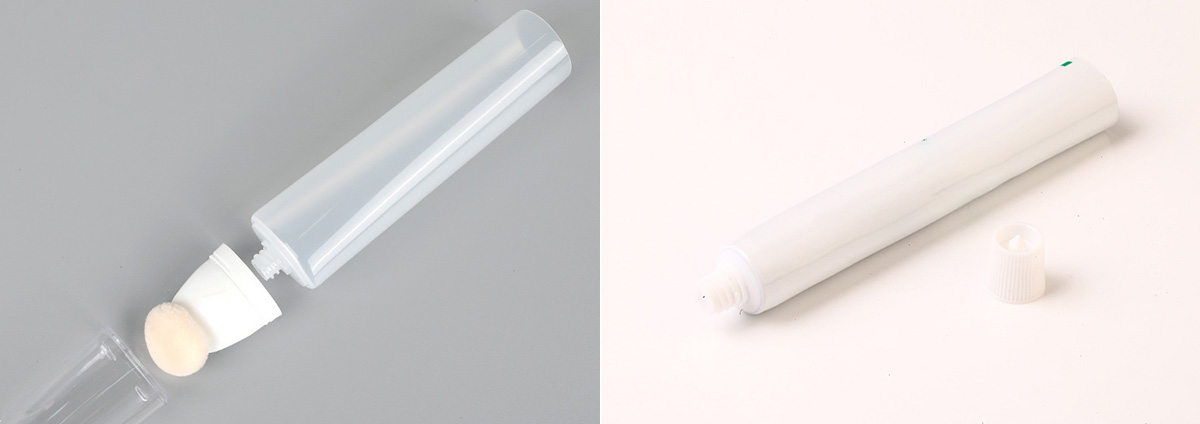
When alarms trigger on a lami tube making machine, operators must act quickly to prevent hazards. Stopping the equipment protects both workers and the laminated tube. Operators should secure the area and avoid resetting the system until they identify the root cause. Ignoring these steps can lead to defects in laminated tube production and unplanned downtime, which disrupts lami tube manufacturing efficiency.
Key Takeaways
- Stop the laminated tube making machine immediately when an alarm triggers. This action protects workers and prevents further damage.
- Record alarm details accurately, including the time and alarm code. This information aids in troubleshooting and reduces downtime.
- Secure the production area with warning signs to keep untrained personnel away. A clear area ensures safety and maintains product quality.
- Regular maintenance of the lami tube making machine is essential. Schedule cleaning and inspections to prevent unexpected alarms and ensure consistent performance.
- Train operators on alarm responses and troubleshooting. Knowledgeable operators can act quickly, reducing errors and improving sealing quality.
Immediate Actions in Lami Tube Manufacturing
Stop Equipment and Ensure Safety
Operators must act quickly when a servo overload alarm appears on a lami tube making machine. They should press the emergency stop button without delay. This action prevents further movement of the machine and protects everyone in the production area. Safety glasses and gloves help reduce the risk of injury from moving parts or hot surfaces. Operators should check that all team members have moved away from the equipment before taking any other steps.
Tip: Always keep the emergency stop button within reach during lami tube manufacturing. Quick access can prevent accidents and protect both workers and the laminated tube.
Record Servo Overload Alarms
Accurate records of servo overload alarms help maintenance teams find the root cause of the problem. Operators should write down the exact time the alarm occurred and note any unusual sounds or movements from the lami tube making machine. They should also record the alarm code displayed on the control panel. This information allows technicians to compare current issues with past incidents.
- Write the alarm code and time in the logbook.
- Describe any changes in machine speed or noise.
- Take a photo of the control panel if possible.
These records support faster troubleshooting and reduce downtime in laminated tube production.
Secure Laminated Tube Production Area
After stopping the machine and recording the servo overload alarms, operators must secure the production area. They should place warning signs near the lami tube making machine to alert others about the alarm. Only trained personnel should enter the area until the issue is resolved. Operators must check for any loose materials or spilled products that could cause slips or further damage.
Note: Keeping the area clear and organized helps protect the quality of the laminated tube and ensures a safe environment for everyone.
By following these steps, operators can respond to servo overload alarms efficiently. They help maintain safety, protect equipment, and support the smooth operation of lami tube manufacturing.
Identify Servo Alarms and Error Codes
Read Alarm Displays
Operators often see alarms first on the control panel of the lami tube making machine. The display usually shows a code or message that points to the problem. Reading the alarm display helps operators understand if the issue comes from the servo or another part of the system. They should check the screen for any blinking lights, error numbers, or warning symbols. A clear view of the display allows for quick action and reduces confusion during lami tube manufacturing.
Tip: Take a photo of the alarm display before making any changes. This record helps technicians later.
Use Lami Tube Making Machine Manuals
Every lami tube making machine comes with a manual that explains alarm codes and troubleshooting steps. Operators should keep the manual nearby for easy reference. When an alarm appears, they can look up the code in the manual to find out what it means. The manual often lists possible causes and solutions for each code. Using the manual saves time and helps protect the quality of the laminated tube.
- Find the alarm code in the manual’s index.
- Read the recommended actions for that code.
- Follow safety instructions before attempting any fixes.
Common Servo Error Codes
Servo error codes often signal problems with movement, power, or communication. Operators should learn the most common codes to respond quickly. The table below lists a few typical servo error codes found in lami tube making machine:
| Error Code | Meaning | Possible Cause |
|---|---|---|
| E01 | Overload Alarm | Excessive load or jam |
| E02 | Overheat Alarm | Poor ventilation |
| E03 | Encoder Error | Faulty wiring |
Recognizing these codes helps operators act fast and maintain smooth production of laminated tubes. Quick identification of alarms leads to less downtime and better product quality.
Troubleshooting Servo Overload Alarms
Check Power Supply and Connections
Operators should begin troubleshooting by examining the power supply and all electrical connections on the lami tube making machine. A stable power source ensures the motor receives the correct voltage and current. Loose wires, corroded terminals, or damaged cables can interrupt the flow of current and trigger overload alarms. Technicians must inspect the main power lines, servo drive terminals, and connectors for signs of wear or overheating. If the motor draws more current than normal, it may indicate a faulty connection or a failing component. Regular maintenance checks help prevent these issues and keep the laminated tube production running smoothly.
Tip: Always turn off the main power before touching any electrical parts to avoid injury.
Inspect Mechanical Load
A motor overload often results from excessive resistance in the mechanical system. Operators should check for worn bearings, misaligned shafts, or debris inside the lami tube making machine. These problems force the motor to work harder, increasing current draw and causing overload alarms. Aggressive acceleration settings or incorrect gain values can also make the motor operate inefficiently. Maintenance teams should look for signs of physical damage, such as unusual noises or vibrations, which may point to a jam or misalignment. Keeping the mechanical load within the motor’s design limits helps prevent repeated overloads and protects the quality of the laminated tube.
- Inspect all moving parts for smooth operation.
- Remove any debris or foreign objects from the machine.
- Adjust acceleration settings to match manufacturer recommendations.
Address Environmental Factors

Environmental conditions play a key role in motor performance. Excessive heat, dust, or humidity can push components beyond their operating limits and lead to overload alarms. Operators should ensure proper ventilation around the lami tube making machine. Overheating may result from blocked air vents or a buildup of dust on cooling fans. Voltage fluctuations in the facility’s power supply can also affect current levels and trigger overloads. Maintenance staff should monitor the temperature and humidity in the production area and use surge protectors to stabilize voltage. Addressing these factors reduces the risk of unexpected alarms and supports consistent laminated tube output.
Note: Clean the machine’s cooling system regularly to prevent overheating and maintain optimal motor performance.
Reset Servo After Fixing Issues
After resolving the root cause of the overload, operators can reset the servo to clear alarms. They should follow the lami tube making machine manual for the correct reset procedure. Most systems require pressing a reset button or cycling the main power. Operators must confirm that all issues—such as electrical faults, mechanical jams, or environmental hazards—have been addressed before restarting the machine. If the overload alarm returns after a reset, the problem may persist or involve deeper electrical faults. In these cases, consulting the manufacturer or a qualified technician ensures safe and effective troubleshooting.
Alert: Never reset the servo without fixing the underlying issue. Repeated overloads can damage the motor and increase downtime.
Common causes of servo overload alarms in lami tube manufacturing include:
- The motor encounters resistance beyond its design specifications.
- Worn bearings, misaligned parts, or debris increase the mechanical load.
- Incorrect acceleration settings or gain values reduce efficiency.
- Damaged windings, faulty encoders, or deteriorating capacitors alter electrical behavior.
- Excessive heat or voltage fluctuations push components past safe limits.
Effective troubleshooting combines careful inspection, regular maintenance, and prompt action. By addressing power, load, and environmental factors, operators protect both the lami tube making machine and the quality of the laminated tube. If alarms persist, professional support ensures long-term reliability and safety.
Prevention and Quality Assurance
Regular Maintenance for Lami Tube Making Machine
Regular maintenance ensures the lami tube making machine delivers consistent sealing quality. Technicians schedule cleaning, lubrication, and calibration to prevent problems with sealing temperature, pressure, and alignment. They inspect heating elements, check pressure sensors, and verify calibration of temperature controls. Maintenance teams replace worn parts before they cause defects or sealing failures. Monitoring the sealing area for debris or residue helps maintain sealing quality and reduces downtime. Routine checks on the servo system and sealing units keep the machine running at peak performance.
Tip: Maintenance logs help teams track calibration, pressure adjustments, and sealing temperature changes over time.
Operator Training on Servo Alarms
Operator training improves response to alarms and reduces errors that affect sealing quality. Training programs teach operators how to read alarm codes, perform sealing quality checks, and follow safe reset procedures. Operators learn to recognize problems such as abnormal pressure, sealing temperature fluctuations, or servo errors. The table below lists common operator actions that can lead to alarms in lami tube manufacturing:
| Alarm ID | Alarm Name | Common Operator Actions |
|---|---|---|
| 8 | Upper die servo system failure | Reset the fault and check the error code in the servo manual. |
| 9 | Lower die servo system failure | Reset the fault and refer to the servo manual for solutions. |
| 10 | Hot die servo system failure | Reset the fault and consult the servo manual for troubleshooting. |
| 11 | Servo power unit failure | Reset the fault and check the error code in the servo manual. |
| 12 | Servo control unit failure | Reset the fault and look up the error code in the servo manual. |
Operators who understand these alarms can act quickly, reducing downtime and preventing sealing defects.
Monitor and Log Alarm Incidents
Monitoring and logging alarm incidents supports quality improvement. Operators record each alarm, noting the time, alarm code, sealing temperature, and pressure settings. They document any sealing defects or issues with the lami tube making machine. Monitoring trends in alarms helps identify recurring problems, such as unstable sealing temperature or pressure drops. Maintenance teams use these logs to plan calibration and preventive repairs. Consistent monitoring ensures the sealing process remains stable and reduces the risk of sealing defects.
- Log alarm codes, sealing temperature, and pressure for each incident.
- Track calibration dates and sealing quality checks.
- Review logs to spot patterns in sealing failures or downtime.
Protect Laminated Tube Quality
Protecting laminated tube quality requires strict sealing quality control. Operators perform regular seal inspection and sealing quality checks. They monitor sealing temperature, pressure, and calibration to prevent defects. Identifying seal failures early stops defective tubes from reaching customers. Operators use visual inspection and pressure tests to check for weak seals, leaks, or misaligned seams. Monitoring sealing temperature and pressure during production helps maintain consistent sealing quality. Teams adjust calibration and temperature management to match material requirements. Quick action on alarms and sealing issues prevents downtime and ensures high-quality laminated tubes.
Note: Identifying seal failures and correcting sealing temperature or pressure problems keeps sealing quality high and reduces waste.
Conclusion
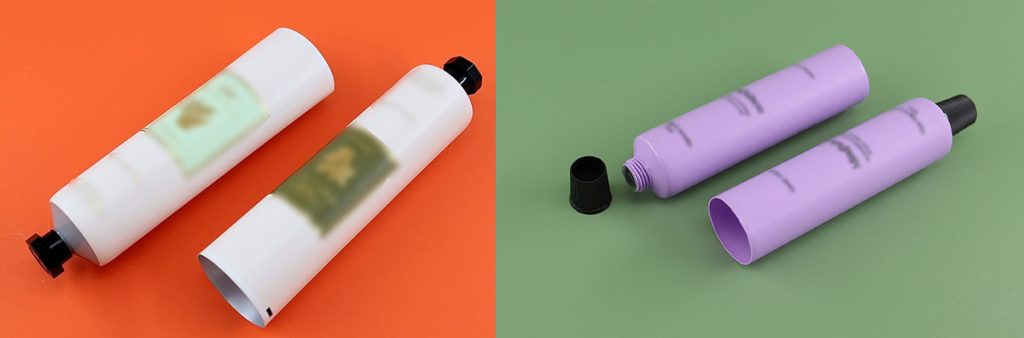
Operators who respond quickly to servo alarms on a lami tube making machine protect both safety and laminated tube quality. They use diagnostics to find the root cause before resetting the servo. Regular maintenance and training help prevent future issues. A simple checklist with steps for stopping equipment, recording alarms, and checking diagnostics supports fast action and quality assurance.
FAQ
What Should Operators Do First When a Servo Alarm Occurs?
Operators should stop the lami tube making machine immediately. They must secure the area and record the alarm code. This action protects both workers and the laminated tube product from further damage.
How Can Operators Identify the Cause of a Servo Alarm?
Operators should read the alarm display on the lami tube making machine. They can use the manual to match the code with possible causes. This step helps them find the root of the problem quickly.
Why Is Regular Maintenance Important for Servo Systems?
Regular maintenance keeps the servo system running smoothly. Technicians check for worn parts and clean the lami tube making machine. This routine prevents unexpected alarms and ensures high-quality laminated tube production.
Who Should Reset the Servo After an Alarm?
Only trained personnel should reset the servo after fixing the issue. They must follow the manual’s instructions. This practice prevents repeated alarms and protects the laminated tube from defects.
What Are Common Signs of Mechanical Problems in Laminated Tube Production?
Unusual noises, vibrations, or jams in the lami tube making machine often signal mechanical issues. Operators should inspect moving parts and remove debris to keep the laminated tube stable.