


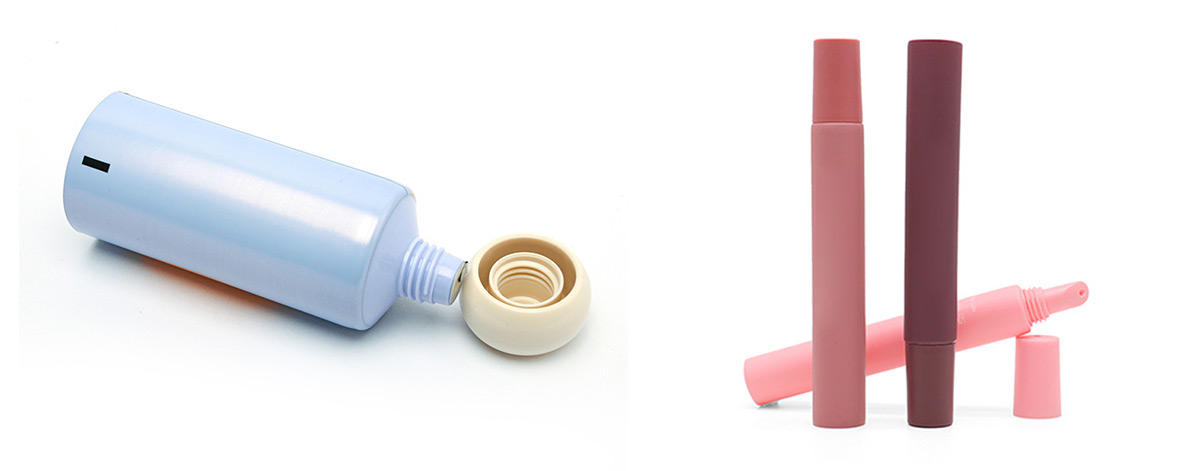
Effective packaging protects products and shapes consumer perception. Laminate tubes offer advanced barrier protection, while extruded tubes provide a reliable choice for many industries. Companies often evaluate packaging requirements based on durability, appearance, sustainability, and cost. Selecting between these tube types depends on how well they meet specific product needs.
Key Takeaways
- Laminated tubes use multiple layers, including aluminum or special plastics, to protect products from air, moisture, and light, extending shelf life.
- Extruded tubes are made from a single plastic material, offering durability and affordability but less protection against environmental factors.
- Laminated tubes provide vibrant, high-quality printing that enhances brand appeal, while extruded tubes focus on practical shapes and easy dispensing.
- Sustainability favors extruded tubes for easier recycling, but laminated tubes with recycled aluminum also support eco-friendly goals despite recycling challenges.
- Choosing between laminated and extruded tubes depends on product sensitivity, budget, and branding needs to ensure the best packaging solution.
Laminated Tubes in Packaging
Structure
Laminated tubes feature a multi-layered construction that combines the strengths of different materials. Manufacturers use a lami tube making machine to assemble these layers with precision. The structure typically includes an outer plastic layer for appearance, a barrier layer for protection, and an inner layer that contacts the product. Two main types exist: Aluminum Barrier Laminates (ABL) and Plastic Barrier Laminates (PBL). ABL tubes contain an aluminum foil layer, usually between 9µ and 30µ thick, which provides excellent protection against light, air, and moisture. PBL tubes use an all-plastic design, often incorporating an Ethylene Vinyl Alcohol (EVOH) copolymer barrier to limit oxygen permeation. This layered approach allows laminated tubes manufacturing to deliver both durability and flexibility.
Note: The lami tube making machine ensures consistent layer thickness and quality, which is essential for reliable packaging performance.
| Layer Type | Description / Function | Examples / Details |
|---|---|---|
| Aluminum Foil Layer | Provides light, air, and moisture barrier; reduces aroma absorption | Thickness typically 9µ to 30µ; silver, white, custom colors |
| Plastic Layers | Provide tube shelf appeal and shape retention | High gloss protective lacquer for barrier and flavor/fragrance protection |
| Barrier Layer (PBL) | Limits oxygen permeation, chemical resistance | Ethylene Vinyl Alcohol (EVOH) copolymer layer |
| Printing Layers | Wide variety of graphics using CMYK extended gamut | Enables high-end print quality and aesthetic appeal |
Barrier Properties
Laminated tubes excel in barrier protection. The aluminum foil in ABL tubes blocks light, air, and moisture, which helps preserve sensitive products. PBL tubes, while fully plastic, use EVOH barrier to resist oxygen transfer. This barrier function extends shelf life and maintains product integrity. Laminated tubes outperform many single-layer options in protecting contents from environmental factors.
Printability
Laminated tubes offer outstanding print quality. The outer plastic layer supports advanced printing techniques, including CMYK extended gamut graphics. Brands can achieve vibrant colors, sharp images, and a glossy finish. This printability enhances shelf appeal and supports strong branding. Laminated tubes allow for creative designs that attract consumer attention and communicate product value.
Extruded Tubes Overview
Material
Extruded tubes use a single material, most often polyethylene or polypropylene. Manufacturers create extruded plastic tubes by forcing molten plastic through a die, forming a continuous, seamless cylinder. This process results in a uniform wall thickness and a smooth surface. The simplicity of the material choice makes extruded plastic tubes a popular option for many brands. These tubes do not require multiple layers or complex barriers, which streamlines production and reduces material waste.
Durability
Extruded plastic tubes offer reliable durability for everyday packaging needs. The single-layer construction provides flexibility and resilience, allowing the tube to return to its original shape after squeezing. This feature makes extruded tubes ideal for squeeze tubes, which consumers use for products like toothpaste and creams. The seamless design prevents leaks and ensures consistent product dispensing. While extruded tubes do not match the barrier properties of laminated tubes, they protect contents from physical damage and maintain their shape during transport and use.
Applications
Many industries rely on extruded plastic tubes for packaging. Personal care products, such as lotions and gels, often use squeeze tubes made from extruded plastic tubes. The food industry also selects extruded tubes for condiments and spreads that do not require advanced barrier protection. Pharmaceutical companies choose extruded tubes for ointments and topical medications when product sensitivity is low. The cost-effectiveness of extruded tubes appeals to brands seeking reliable packaging without the need for high barrier properties.
Tip: Brands looking for a simple, affordable, and dependable packaging solution often select extruded plastic tubes for their products.
Barrier Protection Comparison
Laminated Tubes
Laminated tubes deliver exceptional barrier performance through advanced multi-layer construction. Manufacturers combine materials such as polyethylene, aluminum foil, and EVOH copolymer to create a robust shield against oxygen, moisture, and light. The aluminum barrier laminate (ABL) type blocks air and light, making it an air-tight packaging solution for products that demand maximum protection. Plastic barrier laminate (PBL) tubes use EVOH to resist oxygen and moisture, offering strong resilience and recyclability. Both types maintain product shelf life by preventing contamination and preserving freshness.
Laminated tubes support tamper-evident seals and high-quality printing, which enhances brand security and visual appeal.
The following table summarizes the barrier properties of different tube types:
| Tube Type | Barrier Layers & Materials | Oxygen Barrier | Moisture Barrier | Light Barrier | Additional Notes |
|---|---|---|---|---|---|
| ABL (Aluminum Barrier Laminate) | Polyethylene two-layer co-polymer + Aluminum foil barrier | Excellent (blocks air/oxygen) | Excellent (blocks moisture) | Excellent (blocks light due to aluminum foil) | Suitable for aggressive formulations, high-quality printing, tamper-evident seal |
| PBL (Plastic Barrier Laminate) | Polyethylene two-layer co-polymer + EVOH barrier | Excellent (blocks air/oxygen) | Excellent (blocks moisture) | Not specified (plastic only, no aluminum) | Environmentally friendly, recyclable, strong resilience, tamper-evident seal |
Extruded Tubes
Extruded tubes rely on single-layer plastic construction, typically using polyethylene or polypropylene. This design provides basic protection against physical damage and some environmental factors. However, extruded tubes lack specialized barrier layers, which results in inferior resistance to oxygen, moisture, and light compared to laminated tubes. These tubes do not offer air-tight packaging, so they suit products with lower sensitivity to external influences.
| Tube Type | Barrier Layers & Materials | Oxygen Barrier | Moisture Barrier | Light Barrier | Additional Notes |
|---|---|---|---|---|---|
| Extruded Tubes | Standard plastic extrusion (no special barrier layers) | Inferior to ABL and PBL | Inferior to ABL and PBL | Inferior to ABL (no aluminum foil) | Common but less advanced barrier properties |
Brands often select extruded tubes for cost-effective packaging when high barrier protection is not required.
Which Is Better?
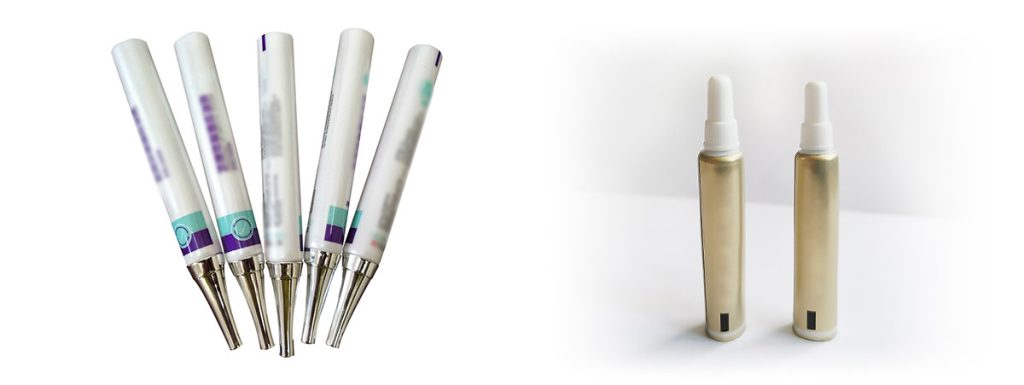
Laminated tubes outperform extruded tubes in barrier protection. They block oxygen, moisture, and light, making them ideal for products that require air-tight packaging and extended product shelf life. Cosmetics, skincare, food, pharmaceuticals, and industrial products benefit most from the superior barrier properties of laminated tubes. These tubes maintain ingredient effectiveness, preserve freshness, and ensure chemical stability.
The table below highlights product categories that gain the most from laminated tube packaging:
| Product Category | Examples of Products | Benefits of Laminated Tubes |
|---|---|---|
| Cosmetics and Skincare | Hair care products, moisturizing and cleansing products, gels, creams | Protects ingredients from contamination and external influences, maintains effectiveness and texture, enhances user experience and product quality |
| Food Products | Purees, spreads, dietary supplements, vitamins, minerals | Food-grade safe materials, preserves freshness and quality, provides safe packaging for edible products |
| Pharmaceutical Products | Topical creams, ointments, gels, pet medications, OTC medicines | Preserves potency and stability, non-reactive and non-toxic, maintains chemical properties |
| Industrial, Automotive, and Chemical | Adhesives, lubricants, paints, sealants | Non-reactive, protects from environmental damage, tamper-proof, durable, withstands extreme conditions |
Extruded tubes remain a practical choice for products that do not require advanced barrier features. They offer reliable durability and affordability, but they cannot match the air-tight protection provided by laminated tubes. Companies should evaluate product sensitivity and shelf life requirements before selecting the appropriate tube type.
Appearance and Branding
Design Options
Packaging design plays a crucial role in shaping how consumers perceive a product. Both laminated tubes and extruded tubes offer a wide range of design possibilities. Brands can select from various tube shapes, such as oval, round, tall, or short, to match the product’s intended image. Color choices, typography, and special finishes like matte or satin create a unique visual identity. Digital printing technology allows for vibrant, high-resolution graphics on both tube types, making it easier for brands to stand out on crowded shelves.
Material selection also influences the tactile experience. Laminated tubes can provide a smooth, glossy feel, while extruded tubes often deliver a softer, more flexible touch. Closure and seal options, including tamper-evident and foil seals, add to consumer confidence by ensuring product integrity. These design elements work together to create packaging that not only looks appealing but also feels trustworthy and premium.
Packaging that combines attractive visuals with a pleasant tactile experience encourages consumers to try and repurchase products.
Shelf Impact
The impact of packaging on the retail shelf cannot be overstated. Eye-catching designs draw attention and communicate product value instantly. Consumers often make purchasing decisions within seconds, so brands must use every element of the tube—shape, color, finish, and graphics—to their advantage. A well-designed tube enhances brand recognition and creates a memorable impression.
Different tube materials affect both the look and feel of the packaging. Laminated tubes often feature high-gloss finishes and sharp graphics, which help premium products stand out. Extruded tubes, commonly used for squeeze tubes, offer practical shapes and reliable dispensing, appealing to consumers who value convenience and usability. Sustainable packaging options also resonate with environmentally conscious shoppers, further influencing buying behavior.
- Key factors influencing shelf impact:
- Tube shape and size
- Print quality and finish
- Closure and seal type
- Material sustainability
A thoughtful approach to appearance and branding ensures that packaging not only protects the product but also drives consumer engagement and loyalty.
Sustainability
Eco-Friendly Choices
Sustainability has become a top priority for brands and consumers. Packaging manufacturers now focus on materials that reduce environmental impact while maintaining product safety. Laminated tubes and extruded tubes both offer eco-friendly options, but their approaches differ.
Laminated tubes often combine multiple layers of plastic with aluminum. Aluminum stands out as a sustainable material because of its recyclability, mechanical strength, and excellent barrier properties. Many major consumer brands select aluminum for its ability to protect products and support sustainability goals. The industry has shifted away from metals like tin and lead, favoring aluminum and plastics for safer, greener packaging. Recycled aluminum now appears in many laminated tube solutions, further reducing the carbon footprint.
Extruded tubes, especially those made from a single type of plastic, also support eco-friendly packaging. Manufacturers produce these tubes by extruding plastic particles into molten resin, creating a seamless structure. Mono-material extruded tubes, such as those made from high-density polyethylene (HDPE), align with modern sustainability standards. These tubes avoid the use of aluminum, making them easier to recycle and compatible with existing recycling streams.
Key eco-friendly materials in tube packaging:
- Aluminum (noted for recyclability and strength)
- Recycled aluminum
- High-density polyethylene (HDPE)
- Polypropylene
Recycling
Recycling remains a critical factor in sustainable packaging. Laminated tubes, especially those with aluminum-plastic composites, present significant recycling challenges. The main issue lies in separating the aluminum layer from the plastic layers. This process requires advanced recycling technologies, which are not always available in standard recycling facilities.
Extruded tubes, particularly those made from a single plastic material, offer a more straightforward recycling process. Mono-material tubes, such as HDPE-based options, meet mechanical recycling standards and can be processed within existing plastic recycling systems. These tubes do not contain aluminum, so they avoid the separation problem found in laminated tubes.
- Recycling challenges:
- Laminated tubes: Difficult to recycle due to mixed materials.
- Extruded tubes: Fully recyclable when made from a single plastic type.
Brands seeking sustainable packaging should consider both the material composition and the ease of recycling. Choosing mono-material extruded tubes or laminated tubes with recycled aluminum can help reduce environmental impact and support a circular economy.
Cost Factors
Laminated Tubes Cost
Laminated tubes present a higher cost profile due to their multi-layered construction and advanced barrier properties. Manufacturers rely on specialized equipment, such as the lami tube making machine, to assemble these tubes efficiently. This machine incorporates continuous processes and high production speeds, reaching up to 250 tubes per minute. The integrated capping systems with linear motors allow flexible tube finishing, supporting both push-on and screw caps. These features help reduce downtime and increase throughput, which offsets some of the initial investment in lami tube making machine.
Material costs for laminated tubes remain elevated because of the use of aluminum foil, EVOH copolymer, and high-quality plastics. The machine’s ability to minimize material waste, especially expensive ingredients like flavors, contributes to cost efficiency. In-house manufacturing of most components, except for the extrusion press, simplifies maintenance and lowers operational complexity. Options such as the Inner Barrier Liner (IBL) provide cost-effective barrier solutions, making laminated tubes more competitive in the market.
Note: The complexity of laminated tube production leads to higher upfront costs, but technological advancements in machinery help reduce ongoing expenses.
| Cost Factor | Impact on Laminated Tubes |
|---|---|
| Multi-layer materials | Higher material costs |
| Specialized machinery | Increased initial investment |
| High-speed production | Improved cost efficiency |
| Waste reduction features | Lower material loss |
| Maintenance simplification | Reduced operational costs |
Extruded Tubes Cost
Extruded plastic tubes offer a simpler and more affordable packaging solution. Manufacturers produce these tubes using a single material, such as polyethylene or polypropylene, which keeps material costs low. The extrusion process forms a seamless cylinder, reducing the need for complex machinery and minimizing labor requirements. Production lines for extruded plastic tubes operate with fewer steps, resulting in lower energy consumption and faster turnaround times.
Brands benefit from the cost savings associated with extruded plastic tubes, especially for products that do not require advanced barrier protection. The straightforward design and efficient manufacturing process make these tubes ideal for high-volume, budget-conscious applications. Maintenance costs remain low due to the absence of multi-layer assembly and specialized finishing systems.
Tip: Companies seeking reliable and cost-effective packaging often choose extruded plastic tubes for everyday products.
| Cost Factor | Impact on Extruded Plastic Tubes |
|---|---|
| Single-layer material | Lower material costs |
| Simple machinery | Minimal initial investment |
| Streamlined production | Reduced labor and energy costs |
| Low maintenance | Fewer operational expenses |
Conclusion
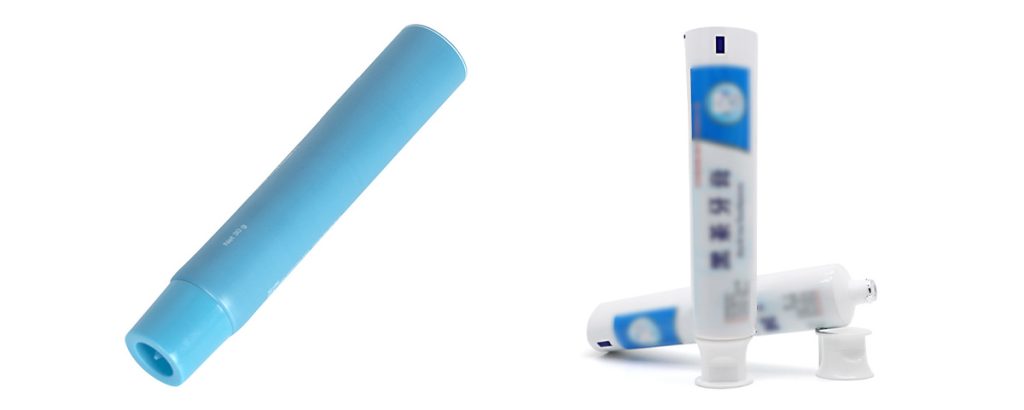
Selecting the right packaging depends on product needs, shelf life, and branding goals. Laminated tubes offer strong barrier protection and premium print quality. Extruded tubes provide a cost-effective tube solution for less sensitive products. Companies should assess which features matter most. By comparing these options, brands can choose the most effective tube solution for their products and market position.
FAQ
What Products Benefit Most from Laminated Tubes?
Laminated tubes suit products that require strong barrier protection. Cosmetics, pharmaceuticals, and food items often use laminated tubes to preserve freshness and prevent contamination. Brands select these tubes for sensitive formulations and premium packaging needs.
Are Extruded Tubes Recyclable?
Manufacturers design extruded tubes from single plastic materials, such as HDPE or polypropylene. These tubes enter standard recycling streams easily. Mono-material construction simplifies the recycling process and supports sustainability goals.
How Does Tube Choice Affect Branding?
Tube material influences print quality and shelf impact. Laminated tubes offer vibrant graphics and glossy finishes, enhancing brand visibility. Extruded tubes provide reliable shapes and practical dispensing, supporting consistent brand presentation.
Which Tube Type Offers Better Cost Efficiency?
Extruded tubes deliver cost efficiency for high-volume, everyday products. Their single-layer design reduces material and production expenses. Laminated tubes cost more due to multi-layer construction and specialized machinery.
Can Laminated Tubes Be Used for Eco-Friendly Packaging?
Laminated tubes incorporate recycled aluminum and advanced plastics. Some designs improve recyclability, but mixed materials present challenges. Brands seeking eco-friendly solutions should consider mono-material extruded tubes or laminated tubes with recycled content.