


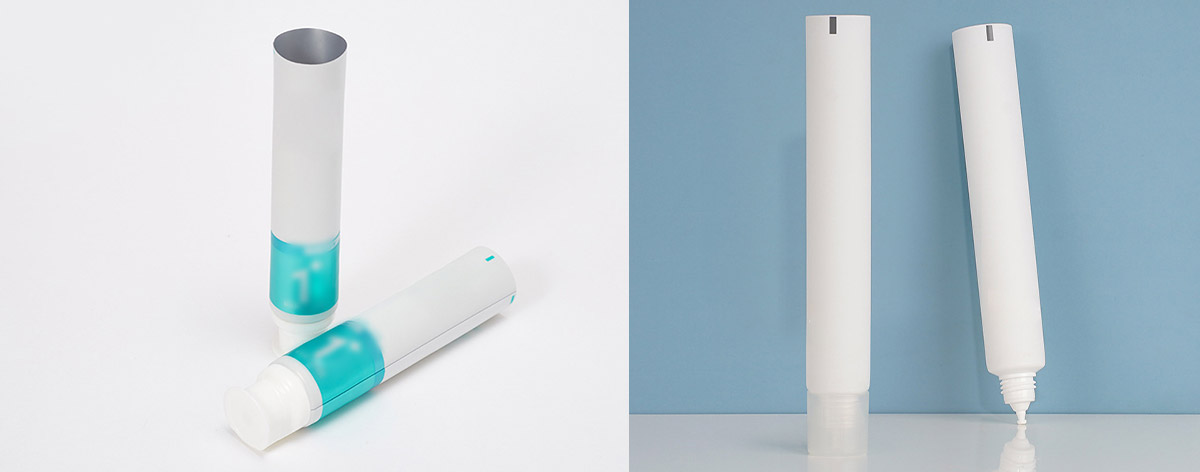
Sealing appearance plays a critical role in laminated tube production. Manufacturers often notice defects that impact quality and shelf appeal. They see uneven seals, weak joints, or surface marks that raise concerns about the process. A lami tube making machine controls sealing accuracy and consistency. Operators rely on testing, calibration, and maintenance to prevent issues and ensure reliable results.
Key Takeaways
- Regular visual inspections help identify sealing defects early, preventing larger quality issues in laminated tube production.
- Optimizing heat-sealing settings, including temperature and pressure, is crucial for creating strong, reliable seals.
- Maintaining proper supply roll tension ensures smooth material movement, reducing the risk of wrinkles and misaligned seals.
- Implementing a daily maintenance checklist supports consistent machine performance and helps catch small issues before they escalate.
- Conducting regular seal strength testing verifies that laminated tubes meet safety and performance standards.
Common Issues in Laminated Tube Production
Types of Sealing Defects
Manufacturers in laminated tube production often encounter several types of sealing defects. These issues can arise during the lamination process or when using a laminated tube making machine. The most frequently reported defects include:
- Delamination
- Inconsistent tube thickness
- Poor printability
- Difficulty in sealing
- Limited shelf life
Each defect can disrupt the lamination process and reduce the overall quality of the finished product. Delamination, for example, causes layers to separate, while inconsistent thickness leads to weak seals. Poor printability affects branding, and difficulty in sealing can result in leaks or contamination. Limited shelf life signals that the tube may not protect its contents effectively.
Visual Signs Of Poor Sealing
Operators rely on visual inspection to identify sealing issues in laminated tube production. Common indicators of poor sealing include:
- Cracks or breaks in the seal
- Discoloration of the seal
- Any signs of leakage around the cap
These signs often appear after lamination or during final inspection. Cracks and breaks suggest incomplete seals, while discoloration may indicate overheating or contamination. Leakage around the cap points to problems with the sealing process or the lami tube making machine settings.
Tip: Regular visual checks help catch defects early and prevent larger quality issues.
Impact on Product Quality
Sealing defects such as wrinkles or incomplete seals can lead to product contamination and loss of integrity. These problems compromise the shelf life of laminated tubes and can damage consumer trust. In modern times, food safety remains a top priority. Defective seals create a negative image among consumers and may reduce product sales and profitability. Seal failures also pose safety hazards, affecting not only the product but also personnel and public safety.
A strong lamination process and proper machine calibration help prevent these issues. Manufacturers who address defects quickly maintain high standards and protect their brand reputation.
Lamination Process Factors
Material and Wall Thickness Changes
Material selection and wall thickness play a vital role in lamination quality. Operators must choose compatible materials for laminated tube production to avoid defects. When they use materials with different melting points or chemical properties, the lamination process can produce weak seals or visible flaws. Wall thickness affects the strength and flexibility of the laminated tube. If the wall is too thin, the tube may collapse or split during sealing. If the wall is too thick, the lami tube making machine may struggle to apply even pressure, causing wrinkles or incomplete fusion.
Manufacturers often monitor wall thickness using precise gauges. They adjust the lamination process to maintain uniformity. Consistent thickness helps prevent defects such as delamination and uneven seals. Material changes require careful testing to ensure the new combination supports strong lamination quality. Operators document each change and observe the results during production runs.
Note: Regular material audits and thickness checks help maintain high lamination quality and reduce the risk of defects.
Heat-Sealing Optimization
Heat-sealing stands at the center of lamination quality. The lami tube making machine uses controlled heat to fuse layers of the laminated tube. Operators must optimize temperature, pressure, and dwell time to avoid common defects. Improper heat-sealing can cause weak seals, leaks, or visible marks. The following table shows how heat-sealing issues contribute to defects in laminated tube production:
| Factor | Description |
|---|---|
| Insufficient heat application | Worn or uneven heating elements can lead to weak seals that are not properly fused. |
| Misalignment of sealing jaws | Can cause inconsistent pressure, resulting in weak seals that may fail under stress. |
| Material compatibility issues | Using incompatible materials can lead to seals that are too weak or easily broken. |
Operators must inspect heating elements and sealing jaws regularly. They calibrate the lami tube making machine to ensure even heat distribution. Material compatibility also matters. If the layers do not bond well, the lamination process will produce seals that break easily.
- Insufficient heat application can result from worn heating elements, leading to weak seals.
- Misalignment of sealing jaws can create inconsistent pressure, causing weak seals that are prone to leaks.
- Material compatibility is crucial; using the wrong materials can lead to inadequate sealing.
Manufacturers often run test batches to find the best heat-sealing settings. They record temperature and pressure data for each production run. This approach helps them identify and correct defects before they reach the market.
Supply Roll Tension Adjustment
Supply roll tension affects the stability of the lamination process. Operators set the tension to keep the laminated tube material flat and smooth as it moves through the lami tube making machine. If the tension is too high, the material may stretch or tear, causing defects such as wrinkles or misaligned seals. If the tension is too low, the material can bunch up, leading to uneven lamination and poor appearance.
Manufacturers use tension control systems to monitor and adjust supply roll tension. They check the tension at the start of each shift and after any material change. Proper tension adjustment helps maintain lamination quality and prevents defects like delamination and surface marks.
Tip: Operators should include tension checks in their daily maintenance routine to avoid unexpected defects and ensure consistent lamination quality.
Preventing Laminated Print Defects
Cleaning and Calibration
Effective cleaning and calibration routines play a vital role in preventing laminated print defects during laminated tube production. Operators must focus on cleaning every part of the lami tube making machine, especially the rollers, to remove dust and debris. Cleaning the rollers with a designated solution prevents adhesive residue and wear, which can cause ghosting, spots, and streaks. Regular cleaning of the laminating machine ensures that no contaminants interfere with the lamination process.
Calibration also supports consistent results. Operators should calibrate temperature settings to match manufacturer specifications. Speed calibration helps avoid uneven lamination, while pressure adjustments ensure uniformity. The table below outlines essential cleaning and calibration procedures:
| Procedure Type | Description |
|---|---|
| Regular Cleaning | Clean the laminating machine, especially the rollers, to remove dust and debris. |
| Roller Maintenance | Inspect and clean rollers with a designated solution to prevent adhesive residue and wear. |
| Temperature Calibration | Ensure temperature settings are calibrated to manufacturer specifications for optimal results. |
| Speed Calibration | Adjust speed settings periodically to avoid issues like uneven lamination. |
| Pressure Adjustment | Check and adjust pressure settings to ensure uniform lamination and prevent defects. |
Operators should follow a daily maintenance checklist for cleaning and calibration. This routine reduces the risk of print quality problems and supports high-quality materials in laminated tube production.
Process Control Methods

Process control methods help operators maintain high standards in preventing laminated print defects. Cleaning the rollers and plates of the laminator removes adhesive buildup, which can cause streaks and spots. Operators allow the material to cool after lamination, giving the adhesive time to set and reducing the chance of ghosting. Adjusting pressure settings on the laminator ensures proper edge sealing. Feeding the material flat and evenly into the lami tube making machine prevents wrinkled edges. Using high-quality materials and following proper preparation procedures minimizes silvering and other print quality problems.
- Regularly clean the rollers and plates to prevent adhesive buildup.
- Allow sufficient cooling time after lamination for proper adhesive setting.
- Adjust pressure settings for effective edge sealing.
- Feed material flat and evenly to avoid wrinkles.
- Use high-quality materials and prepare them correctly to reduce defects.
- Improve anilox cell efficiency by adjusting machine speed and using higher-volume rollers.
- Conduct regular equipment maintenance and calibration.
- Select high-quality materials and manage lamination temperature.
These methods support consistent results in laminated tube production and help operators achieve the best possible appearance.
Hot Air Tube Sealing
Hot air tube sealing stands out as an efficient method for sealing plastic and laminate tubes. The process involves heating the inner seal area of the tube with hot air, then transferring it to a closing station for compression and cooling. This technique secures the seal and creates an attractive appearance. Operators monitor hot air temperature to ensure uniform sealing. Regular maintenance of sealing machines keeps performance consistent. Using proper sealing methods enhances the look of each laminated tube.
| Best Practice | Description |
|---|---|
| Temperature Consistency | Constant monitoring of hot air temperature ensures uniformity in sealing. |
| Machine Maintenance | Regular maintenance of sealing machines contributes to consistent performance and appearance. |
| Proper Sealing Methods | Utilizing effective sealing methods enhances the aesthetic quality of the seal. |
Hot air sealing works quickly, making it ideal for large production runs. This method applies to all plastic and laminate tubes, supporting a consistent sealing appearance and reducing the risk of print quality problems.
Troubleshooting and Maintenance
Seal Strength Testing
Seal strength testing plays a crucial role in maintaining the quality of laminated tube production. Operators use several standardized methods to evaluate bond strength and ensure seals can withstand daily handling and storage. Regular inspection of seal strength helps identify issues before products reach consumers.
| Testing Method | Description |
|---|---|
| ASTM F88 | Evaluates peelable medical package seals and determines the force required to open them. |
| ASTM F1140 | Tests internal pressurization failure resistance of unrestrained packages. |
| ASTM F2054 | Measures burst testing of flexible package seals using internal air pressurization. |
Operators select the appropriate test based on the type of laminated tube and the intended application. Consistent testing verifies that the lami tube making machine produces seals with adequate bond strength. Inspection teams document results and compare them to quality standards. When bond strength falls below acceptable levels, operators initiate troubleshooting lamination issues to prevent further defects.
Regular seal strength testing ensures that every laminated tube meets safety and performance requirements.
Equipment Calibration
Proper calibration of the lami tube making machine ensures consistent sealing performance and reduces the risk of recurring issues. Operators schedule calibration at regular intervals and after any major maintenance or material change. Calibration involves adjusting temperature, pressure, and speed settings to match manufacturer specifications.
A step-by-step troubleshooting guide helps operators resolve weak seals and poor appearance:
- Check substrate preparation. The substrate must be clean and dry before lamination.
- Use compatible materials. The laminating film should suit the substrate.
- Check adhesive quality. The adhesive must not be expired or contaminated.
- Check temperature and pressure settings. The lami tube making machine must be correctly calibrated.
- Use a different adhesive if issues persist. Some materials require specialized adhesives for optimal bond strength.
Operators document each calibration and inspection. This practice supports process control and helps identify patterns in troubleshooting lamination issues. When operators notice recurring problems, they review calibration records to pinpoint the root cause.
Daily Maintenance Checklist
A daily maintenance checklist helps operators prevent issues and maintain high-quality sealing appearance. Routine inspection and care of the lami tube making machine reduce downtime and extend equipment life. The checklist below outlines essential tasks:
| Task | Description |
|---|---|
| Clean the Sealing Surface | Remove any debris, dust, or residue from the sealing bars or plates. |
| Inspect for Wear and Tear | Check for signs of wear on the sealing elements, such as cracks or uneven surfaces. |
| Check for Loose Parts | Tighten any loose screws, bolts, or components to prevent malfunctions. |
| Lubricate Moving Parts | Apply lubricant to moving parts as recommended by the manufacturer. |
Operators perform inspection at the start of each shift. They look for visible signs of damage or contamination. Cleaning the sealing surface prevents residue buildup, which can cause streaks or weak seals. Lubrication ensures smooth machine operation and consistent pressure during sealing.
Tip: Consistent daily maintenance and inspection help operators catch small issues before they become major problems.
Inspection routines and maintenance checklists form the backbone of troubleshooting lamination issues. By following these steps, operators maintain strong bond strength and reliable sealing appearance in every laminated tube.
Conclusion
Manufacturers achieve strong sealing appearance in laminated tube production by focusing on process control, regular equipment maintenance, and consistent testing. Daily checklists and ongoing training build in-house expertise and support quality.
- Targeted training programs and innovation labs help teams adopt new technologies and best practices.
- Case studies show that technical evaluations and equipment upgrades, such as adjusting the lami tube making machine, resolve sealing issues and improve production.
| Benefit | Automated Systems | Manual Operations |
|---|---|---|
| Labor Cost Savings | $150,000-$250,000/year | N/A |
| Equipment Uptime | 95%+ | 75-85% |
| Maintenance Cost | 2-4% of equipment value | 6-8% |
Advanced AI technology now detects subtle defects in laminated tube seals, ensuring only high-quality products reach the market.
FAQ
What Causes Ghosting in Laminated Tube Production?
Ghosting often results from improper adhesive application or uneven film tension. Operators may notice ghosting effects when the lami tube making machine fails to maintain correct pressure. Advanced streak detection can help identify ghosting early, reducing common lamination issues and improving the overall production process.
How Can Operators Prevent Adhesive Curing Problems?
Operators should monitor curing time and temperature closely. Proper adhesive curing ensures strong bonds between film layers. Regular checks of the lami tube making machine settings help avoid incomplete curing, which can lead to weak seals and other common lamination issues in laminated tube production.
Why Is Advanced Streak Detection Important?
Advanced streak detection identifies defects like ghosting and streaks before they affect the final product. This technology helps operators maintain high-quality film appearance and prevents ghosting effects. Early detection supports a smoother production process and reduces waste in laminated tube manufacturing.
What Role Does Film Quality Play in Sealing Appearance?
High-quality film provides a smooth surface for adhesive application. Consistent film thickness helps the lami tube making machine create strong, even seals. Poor film quality can cause ghosting, streaks, or weak bonds, leading to visible defects in laminated tubes.
How Does Adhesive Selection Affect Laminated Tube Durability?
The right adhesive improves bond strength and durability in laminated tube production. Operators must choose adhesives that match the film and curing requirements. Proper adhesive curing prevents delamination and ensures the finished product withstands handling and storage.