


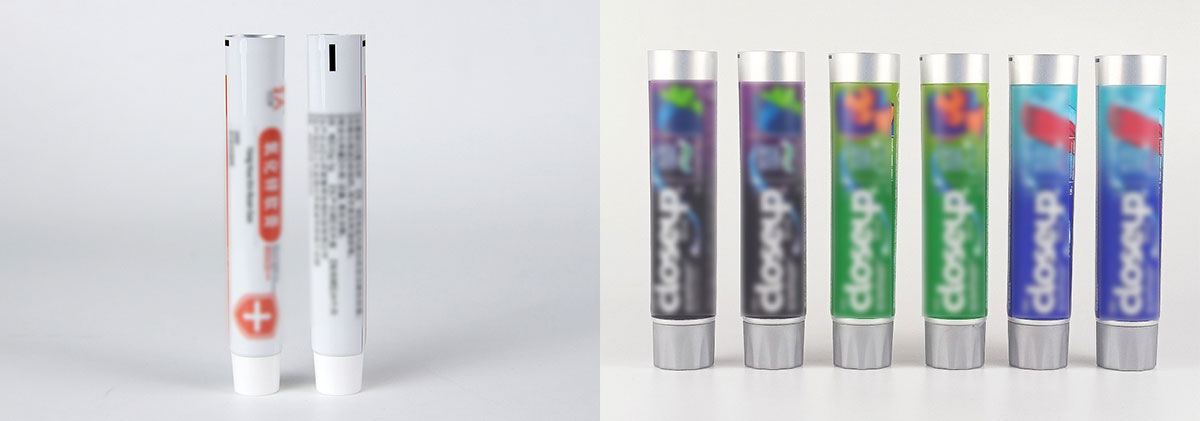
Solving flashing bubbles and weak bond issues in lami tube heading requires a focus on both process control and regular maintenance. Operators see that surface defects often relate to raw material quality and process parameters. When any imbalance occurs, the risk of lamination defects rises, which impacts both quality and reliability. Practical solutions and preventive tips help users of a lami tube making machine achieve consistent results, whether they have technical expertise or not.
Key Takeaways
- Regular inspections of laminated tubes help catch defects early. This practice reduces waste and improves overall production quality.
- Proper material selection is crucial. Use high-quality films with uniform thickness to prevent bubbling and ensure strong bonding.
- Maintain optimal machine settings. Adjust tension, feeding speed, and roller pressure to minimize defects and enhance lamination quality.
- Implement routine maintenance and inspections. Regular checks on adhesive systems and equipment help prevent issues and maintain consistent quality.
- Utilize diagnostic tools effectively. Techniques like ultrasonic testing can identify weak bonds early, ensuring reliable product performance.
Identifying Flashing Bubbles and Weak Bonds
Visual Signs to Watch for
Operators often notice surface defects during production of laminated tubes. Recognizing these signs early helps maintain quality and prevents further issues. The following table lists common visual indicators seen on tubes produced by a lami tube making machine:
| Indicator Type | Description |
|---|---|
| Bubbles in a line form | Bubbles appear in a line, repeating every few centimeters. |
| Bubbles running parallel with rollers | Bubbles align parallel to the rollers, indicating pressure issues. |
These patterns suggest problems with roller pressure or material feed. Technicians should inspect tubes for these signs during routine checks.
Tip: Consistent inspection of finished tubes helps catch defects before packaging. Early detection reduces waste and improves overall output.
Diagnostic Steps in Lami Tube Heading
Identifying the root cause of flashing bubbles and weak bonds requires a systematic approach. Industry experts recommend several steps to pinpoint issues in the heading process:
- Improve ventilation in molds by comparing vent sizes to supplier recommendations and adjusting as necessary.
- Ensure adequate clamping pressure during packing and holding to prevent mold flash.
- Reduce shot weight or feed setting to manage viscosity and prevent overfilling.
For weak bond detection in laminated tube production, technicians use several diagnostic tools. The pitch-catch test mode employs a dual-element ultrasonic probe. One element sends acoustic energy, while the other receives it. The bond’s condition affects the energy’s characteristics. Lower signal amplitude means a strong bond, while higher amplitude signals a weak or missing bond. Other effective methods include ultrasonic tests, lamb waves, mechanical impedance analysis, visual inspection, tap tests, low-frequency bond tests, thermography, and laser shearography.
Regular use of these diagnostic steps and tools ensures that the lami tube making machine produces tubes with strong bonds and minimal defects.
Causes of Flashing Bubbles and Lamination Adhesive Issues
Material and Adhesive Selection
Material quality and adhesive compatibility play a major role in the formation of flashing bubbles and lamination adhesive issues. Low-quality laminated films often have inconsistent thickness, which leads to uneven melting during lamination. This inconsistency can trap air, resulting in bubbling issues. Uneven surfaces or minor irregularities in raw materials prevent proper bonding, causing weak bonding and delamination issues. Operators using a lami tube making machine must select films with uniform thickness and smooth surfaces to reduce these risks.
Adhesive properties also influence the strength of the bond. Peel strength, surface tension, and surface treatment are critical for preventing weak bonding. The adhesive should have a surface tension lower than the substrate by about 10 dynes/cm to ensure effective wetting. Surface treatments such as corona or plasma enhance adhesion and help prevent delamination. The table below summarizes common lamination adhesive issues:
| Issue | Description |
|---|---|
| Improper Adhesive Application | Uneven application leads to air pockets and bubbles. |
| Film Not Sticking | Poor substrate preparation causes bubbling or peeling. |
| Peeling And Delamination | Heat or moisture exposure separates laminate from substrate. |
| Mismatch Of Adhesive And Substrate | Incompatible materials result in delamination. |
Note: Operators should always clean and prime substrates before lamination to avoid poor adhesion and delamination.
Machine Settings and Tension Control
Machine settings on the lami tube making machine directly affect the occurrence of flashing bubbles. Improper tension, fast feeding, and incorrect roller pressure contribute to these defects. If tension control is inadequate, mismatched elongations of the webs can cause curling or tunneling. When tension is relieved, the webs return to their normal state, creating voids or bubbles in the adhesive layer. This compromises bond strength and leads to lamination adhesive issues.
Maintaining steady web tension prevents wrinkles, telescoping, and bubbling issues. High-quality tension control systems ensure proper elongation of films during lamination. Operators must adjust roller pressure and feeding speed to match material specifications for laminated tube production.
Environmental and Operator Factors
Environmental conditions such as temperature and humidity have a significant impact on flashing bubble formation. Extreme temperatures affect adhesive viscosity and coating performance, which can lead to bubbles. High humidity causes condensation, triggering chemical reactions that produce carbon dioxide and bubbles within the laminate.
| Factor | Impact on Bubble Formation |
|---|---|
| Temperature | Alters viscosity and coating, increasing risk of bubbles. |
| Humidity | Causes condensation and chemical reactions, leading to bubble formation. |
Operator skill also matters. Inconsistent adhesive application or poor substrate preparation increases the risk of delamination and weak bonding. Regular training and strict process control help minimize these issues.
Solutions and Best Practices
Process Control for Flashing Bubbles
Operators using a lami tube making machine often encounter flashing bubbles during the lamination process. These bubbles can reduce retention efficiency and cause foam buildup, leading to weak bonding and delamination. To address these air problems, technicians should focus on process adjustments that improve foam control and retention aid performance.
Actionable steps for process control:
- Adjust tension settings on the lami tube making machine to maintain steady retention and prevent foam formation.
- Set feeding speed according to material specifications to minimize foam and flashing bubbles.
- Calibrate roller pressure to ensure uniform lamination and avoid air problems.
- Monitor foam buildup and retention aid dosage to optimize retention efficiency.
- Use defoamer agents to control foam and improve retention during lamination.
Tip: Regularly inspect the laminated tube for signs of flashing bubbles and foam. Early detection allows for quick solution implementation and prevents further defects.
A well-controlled process reduces the risk of flashing bubbles and foam, ensuring strong retention and reliable bonding in every laminated tube.
Fixing Lamination Adhesive Issues
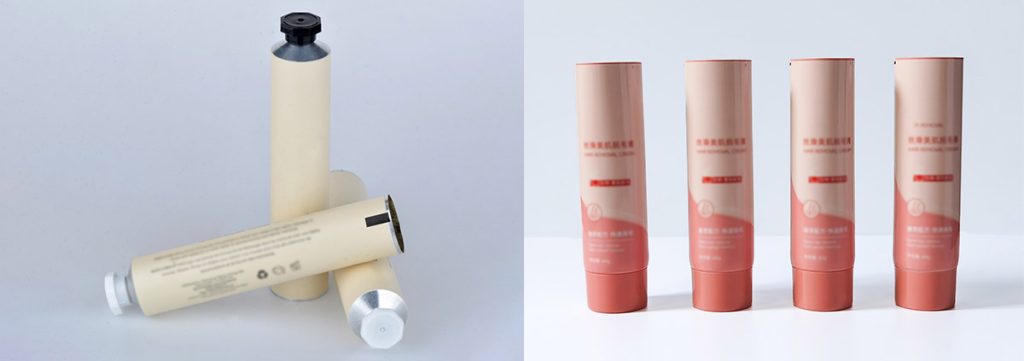
Lamination adhesive issues often arise from improper adhesive application, incompatible materials, or poor retention aid selection. Industry experts recommend several solutions to enhance foam control and retention efficiency in the lamination process.
Recommended solutions for adhesive application and bonding:
- Conduct material compatibility testing before starting the lamination process. This step ensures proper retention and prevents foam-related air problems.
- Select high-quality adhesive proven for laminated tube production. Reliable adhesive improves retention and reduces foam buildup.
- Apply surface treatments such as corona or plasma to enhance bonding and retention aid effectiveness.
- Follow recommended curing times to achieve optimal retention and prevent delamination.
- Implement quality control inspections to catch foam and retention issues early.
Operators should also focus on maintenance routines to minimize adhesive-related defects:
- Schedule regular maintenance of hot-melt systems to prevent charred adhesive and foam buildup.
- Clean hot-melt tanks and replace filters to maintain retention efficiency and avoid air problems.
- Monitor and lubricate pumps to ensure consistent adhesive application and retention aid performance.
Note: Consistent maintenance and inspection routines help maintain foam control and retention, reducing the risk of delamination and weak bonding.
Optimizing Lami Tube Making Machine Settings
Optimizing the lami tube making machine settings is essential for effective foam control, retention, and lamination quality. Proper machine calibration ensures strong retention aid performance and minimizes foam buildup.
Best practices for machine optimization:
| Setting | Solution for Retention and Foam Control |
|---|---|
| Tension | Adjust to maintain retention and prevent foam formation. |
| Feeding Speed | Set to match material needs and reduce foam and air problems. |
| Roller Pressure | Calibrate for uniform lamination and strong retention. |
| Adhesive Temperature | Monitor to avoid foam buildup and ensure proper retention. |
| Defoamer Dosage | Optimize to control foam and improve retention efficiency. |
Operators should regularly review machine settings and retention aid performance. They must adjust parameters based on foam control needs and lamination quality requirements. Using a defoamer in the process helps manage foam and maintain retention efficiency.
Callout: A well-optimized lami tube making machine delivers consistent lamination, strong retention, and minimal foam. Operators achieve reliable bonding and reduce the risk of delamination by following these solutions.
Technicians who apply these solutions and best practices ensure that every laminated tube meets quality standards. They maintain foam control, retention, and adhesive application throughout the process, resulting in durable and defect-free products.
Prevention and Quality Control
Routine Maintenance and Inspection
Routine maintenance and inspection play a vital role in preventing foam, air problems, and delamination during lamination. Operators schedule regular checks with the machine’s manufacturer or authorized service provider. They inspect all major components, including rollers and heating elements, to maintain retention and retention aid performance. Regular inspections catch potential air problems early and help implement a solution before defects occur.
Operators follow a checklist to ensure retention efficiency and foam control:
- Inspect adhesive application systems for clogs or uneven distribution.
- Clean and lubricate pumps to maintain consistent retention aid dosing.
- Monitor defoamer levels and adjust as needed for optimal foam reduction.
- Check storage conditions for resin and adhesive to prevent moisture-related air problems.
- Audit lamination equipment for wear and calibration issues.
A table summarizes the most effective preventive measures for reducing flashing bubbles and weak bonds:
| Preventive Measure | Description |
|---|---|
| Optimize resin drying and storage protocols | Ensures that moisture is minimized before the extrusion process. |
| Fine-tune temperature profiles and screw speeds | Adjusting these parameters can help in achieving optimal extrusion conditions. |
| Invest in vented extruders and precision tooling | These tools can help in reducing bubble formation during the extrusion process. |
| Regular audits using ultrasonic testing | Helps in maintaining consistent quality and identifying potential issues early. |
| Comply with ASTM/ISO standards | Ensures that the extrusion process meets industry standards for quality and performance. |
| Optimal drying parameters | Preheating resin at 150°C for 4–6 hours before extrusion to reduce moisture content. |
| Storage conditions | Using airtight containers and desiccants to keep moisture levels below 0.02%. |
| Resin Quality and Purity | Adhering to ASTM D3295 and ISO 12086 to ensure the quality of the resin used in the process. |
Tip: Operators who maintain strict inspection routines and follow preventive measures achieve higher retention efficiency and minimize foam and air problems.
Quality Assurance for Strong Bonds
Quality assurance ensures strong bonding and reliable retention in lamination. Operators use statistical process control methods to monitor process variations and prevent defects. Control charts track retention aid performance and foam levels, allowing operators to make timely adjustments and implement a solution when needed.
Operators rely on reliable tests to verify bond strength and retention efficiency. The following table lists common test models and their pull strength:
| Model | Type | Pull Strength | Test Element Size |
|---|---|---|---|
| GM01/6.3kN | Manual | 6.3 kN | Ø8.16mm to Ø50mm |
| GM04/20kN | Manual | 20 kN | Ø50mm |
| GM04/40kN | Manual | 40 kN | N/A |
| AT101E/6.3kN | Automatic | 6.3 kN | Ø8.16mm to Ø50mm |
| AT101E/20kN | Automatic | 20 kN | N/A |
| AT101E/40kN | Automatic | 40 kN | N/A |
Operators also follow ASTM F904 standards for separation of plies and bond strength testing. They use retention aid and defoamer to maintain foam control and retention efficiency. Regular audits with ultrasonic testing help identify weak bonding and air problems before they affect product quality.
- SPC methods prevent defects and reduce waste during lamination.
- Control charts improve process stability and retention efficiency.
- Operators foster continuous improvement by monitoring foam, retention aid, and adhesive application.
Note: Consistent quality assurance and process monitoring lead to strong bonding, reliable retention, and fewer air problems in laminated tube production.
Conclusion
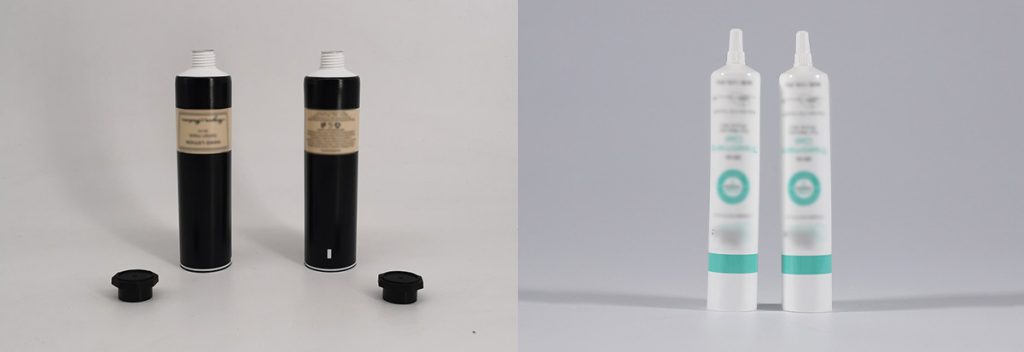
Operators achieve reliable results by following each solution for flashing bubbles and weak bond issues in lami tube heading. They start with a thorough inspection and apply every solution at each stage of the process. Regular maintenance and strict process control help prevent defects and maintain product quality. Technicians use a troubleshooting checklist to review every solution and monitor the process for improvement. They adjust machine settings, inspect adhesive application, and verify process stability. Each solution supports consistent output and strong bonds. Operators maintain process oversight and apply every solution to ensure quality. They review the process and update the solution checklist as needed. Strict process control and routine solution checks remain essential for success.
Effective management of bubble formation and weak bond issues in solventless lamination relies on meticulous process control and regular equipment maintenance. Ensuring strict oversight at every stage of the process is crucial for maintaining product quality.
- Operators apply each solution and monitor the process for ongoing improvement.
- A troubleshooting checklist helps maintain process stability and supports every solution.
FAQ
What Causes Flashing Bubbles in Lami Tube Heading?
Flashing bubbles often result from improper tension, fast feeding, or incorrect roller pressure. Material inconsistencies and environmental factors also contribute. Operators should monitor machine settings and material quality to reduce bubble formation.
How Can Operators Prevent Weak Bond Issues?
Operators can prevent weak bonds by selecting compatible adhesives, maintaining clean substrates, and following recommended curing times. Regular inspection and process control help ensure strong bonding throughout production.
Which Maintenance Steps Improve Lamination Quality?
Routine maintenance includes cleaning adhesive systems, lubricating pumps, and checking roller calibration. Operators should inspect equipment for wear and replace filters regularly. These steps help maintain consistent lamination quality.
Why Is Adhesive Selection Important for Lami Tubes?
Adhesive selection affects bond strength and durability. Using adhesives with proper surface tension and compatibility with substrates ensures effective lamination. Surface treatments like corona or plasma can further enhance adhesion.
What Tests Verify Bond Strength in Laminated Tubes?
Technicians use ultrasonic testing, pull strength tests, and visual inspections to verify bond strength. Control charts and statistical process control methods help monitor process stability and detect weak bonds early.