


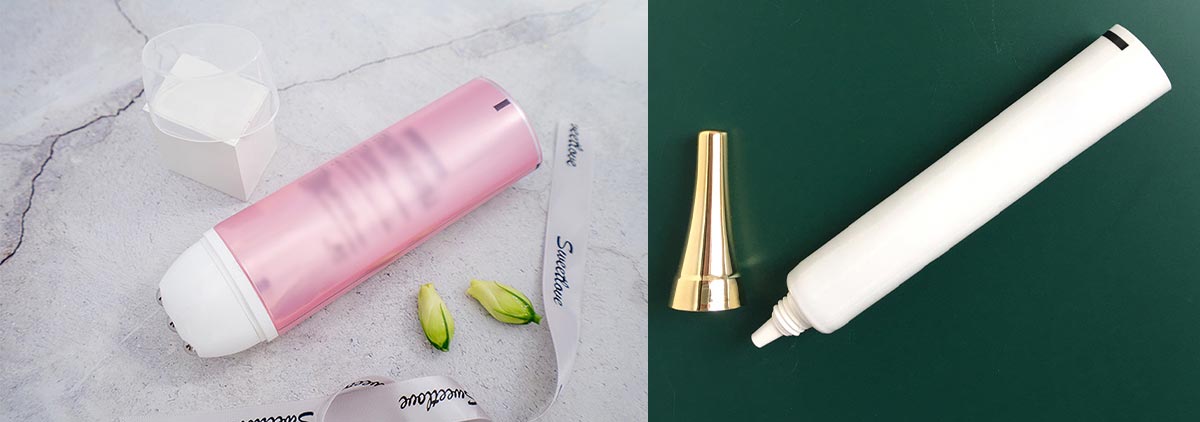
Efficient remote installation for lami tube production begins with clear planning. Teams secure a dedicated space for lami tube production, keeping the environment clean and organized. Equipment plays a critical role in lami tube production, so technicians verify all components before starting. Expert guidance supports each step of lami tube production, ensuring accuracy. Proper setup leads to consistent lami tube production and smooth operation throughout the production process.
- Clean space and correct layout set the foundation for lami tube manufacturing.
- Reliable equipment and skilled support help teams achieve optimal lami tube production results.
Key Takeaways
- A clean and organized workspace is essential for successful lami tube production. It prevents contamination and supports high manufacturing standards.
- Reliable equipment and skilled technicians are crucial for optimal production. Regular checks and maintenance ensure all machines function correctly.
- Clear team roles enhance efficiency. Each member should know their responsibilities to maintain consistent production quality and reduce downtime.
- Secure remote connections protect data during installation. Use strong authentication methods and encrypted protocols to ensure only authorized access.
- Accurate calibration and testing are vital. They help maintain control over the production process and ensure the final product meets quality standards.
Preparation for Lami Tube Production
Space and Environment
A successful lami tube production setup starts with the right space and environment. Teams allocate a dedicated area of 15–25 square meters for manufacturing. The environment must remain clean and organized to prevent contamination during production. Companies focus on eco-friendly practices by using biodegradable polymers and recyclable laminates. They also follow regulations for material safety and environmental impact. Laminated tubes offer protection against oxygen, bacteria, and UV degradation, which helps maintain product quality. Digital printing processes and fully recyclable plastic barrier tubes support sustainability goals.
Tip: A clean, well-ventilated space helps maintain high manufacturing standards and supports compliance with environmental regulations.
Equipment and Utilities
Manufacturing teams gather all essential equipment before starting production. The standard configuration includes a lami tube making machine, tube forming unit, digital printing system, and cutting or sealing devices. Each piece of equipment must be inspected for proper function. Reliable utilities such as stable electricity, compressed air, and water supply are necessary for smooth operation. The laminated tube making machine handles the main manufacturing tasks, while the printing system applies designs to the laminated tube. Teams use recyclable materials to reduce environmental impact and appeal to eco-conscious consumers.
- Essential equipment for lami tube production:
- Lami tube making machine
- Tube forming unit
- Digital printing system
- Cutting and sealing devices
- Quality control instruments
Team Roles
A qualified team ensures efficient manufacturing and equipment operation. Operators manage the lami tube making machine and monitor the production line. Technicians handle equipment setup, calibration, and troubleshooting. Quality control staff inspect laminated tubes for defects and verify compliance with standards. Supervisors coordinate the team and oversee the entire manufacturing process. Each member receives training on equipment safety and production protocols.
Note: Clear team roles and responsibilities help maintain consistent production quality and reduce downtime during manufacturing.
Remote Installation Process
Initial Connection
The remote installation process for lami tube production begins with establishing a secure connection between the production site and the remote support team. Teams implement strong identification and authentication controls, such as unique user IDs and multi-factor authentication, to ensure only authorized personnel access the lami tube making machine. They use encrypted protocols like VPNs to protect data and maintain confidentiality during the process. Centralized user rights management helps control access, and regular updates to firmware and security patches keep the system secure.
Tip: Segregating the machine network from other networks enhances security and reduces the risk of unauthorized access.
Operators and technicians verify the connection by exchanging test data and confirming real-time communication. This step ensures that the remote experts can monitor the process, provide guidance, and access necessary data for troubleshooting.
Machine Setup
After establishing a secure connection, the team proceeds with the setup of the lami tube making machine. The process starts with material selection, where operators choose suitable barrier, adhesive, and outer layers for the laminated tube. The team then prepares the digital printing system and configures the tube forming unit.
- Operators load the selected materials into the lami tube making machine.
- Technicians configure the printing system for the desired artwork and design.
- The machine forms the tube body by laminating the materials together.
- The extrusion system applies the necessary plastic layers, followed by the application of a thin aluminum layer for added protection.
- Adhesive is applied to bond the layers, and the curing system ensures a strong bond.
- The machine cuts and shapes the laminated material into tube bodies.
- The shoulder of the tube is formed near the cap area.
- Batch information is printed on each tube for traceability.
Throughout the setup, the remote expert provides step-by-step instructions and monitors real-time data from the lami tube making machine. Operators follow these instructions closely, ensuring each process step meets the required standards.
Web Width Measurement
Accurate web width measurement is essential for producing high-quality laminated tubes. During remote installation, teams use several methods to perform this measurement. The choice of method depends on the required accuracy, available equipment, and budget.
| Method | Pros | Cons |
|---|---|---|
| Manual Measurement | Simple, Inexpensive | Prone to errors, Time-consuming, Safety issues |
| Real-time Measurements with Edge Sensors | High accuracy, Real-time feedback | Requires sensor repositioning, Can be expensive |
| Real-time Measurements with Wide Band Edge Sensors | High accuracy, No repositioning needed | May be expensive, Limited to web width measurement |
| Camera-Based Machine Vision Systems | Can track features, Flexible | Requires setup, May need calibration |
Operators often use real-time measurement systems with edge sensors for continuous monitoring. These systems provide real-time feedback, allowing technicians to make immediate adjustments to the lami tube making machine. Camera-based machine vision systems offer flexibility and can track features on the web, but they require careful setup and calibration.
Note: Consistent web width measurement ensures uniform tube quality and reduces material waste.
Teams collect measurement data at multiple points during the process. They analyze this data to detect any deviations and maintain control over the production process. Real-time measurement tools help operators respond quickly to any changes, ensuring the web width measurement remains within specified tolerances.
Calibration and Testing
Calibration and testing are critical steps in the remote installation process. Technicians begin by sliding the guide piece of the calibration tube over the top of the assembly and securing it with hose clamps torqued to the correct specification. They turn the air pressure to zero, open the air valve, and slowly allow the calibration to invert inside the liner.
At the halfway point, technicians remove the Bats, stuff the knot into the Quik Shot™, and flip the Bats outward. They set the pressure to 20 psi, hold a rag over the back of the Quik Shot™ to minimize lubricant spray, and open the air valve quickly to complete the inversion. The team checks the mark on the pull strap to confirm the calibration is fully inverted as expected.
During calibration, operators use real-time measurement tools to monitor the process. They collect data on web width measurement, tube thickness, and other critical parameters. The remote expert reviews this data and provides feedback to ensure the lami tube making machine operates within the required specifications.
Testing follows calibration. The team runs a series of test cycles, measuring the output at each stage. They compare the measurement data to the target values, making adjustments as needed. This process ensures the laminated tube meets quality standards before full-scale production begins.
Callout: Accurate calibration and thorough testing help maintain control over the production process and ensure consistent product quality.
Key Equipment and Technologies
Essential Equipment
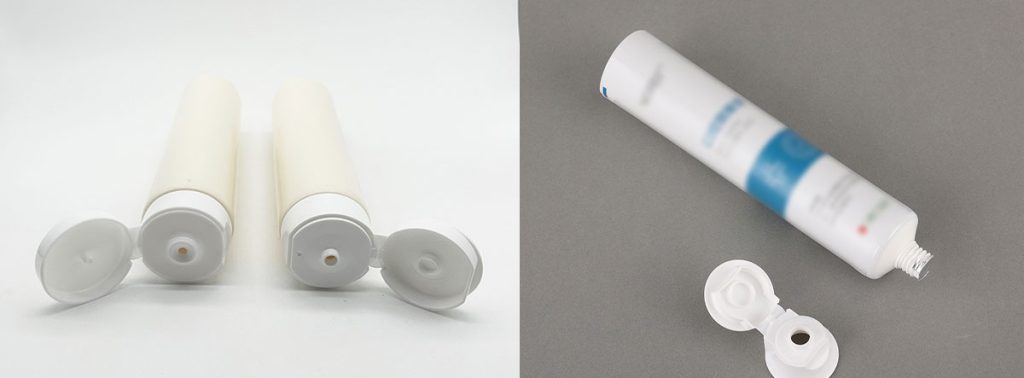
Lami tube production relies on advanced laminated tube filling and sealing machine. The lami tube making machine forms the core of the process. Operators use this equipment to shape, fill, and seal each laminated tube with precision. Laminated tube filling and sealing machine includes tube forming units, digital printing systems, and high-speed cutting and sealing devices. These machines handle both automatic filling and sealing machines and semi automatic filling and sealing machines, depending on production needs.
Quality control depends on the integration of sensors throughout the laminated tube filling and sealing machine. Sensors monitor tube thickness, web width, and sealing temperature. They provide real-time data, allowing operators to maintain strict control over the filling and sealing process. Laminated tube filling and sealing machine also supports a variety of packaging solutions, ensuring each laminated tube meets quality standards before packaging.
| Feature | Description |
|---|---|
| High-speed decoration | Allows for quick decoration on finished tubes before packing, enhancing supply agility. |
| 360° decoration | Enables comprehensive decoration, including seams and caps, with photorealistic quality. |
| Just-in-time delivery | Combines speed and decoration capabilities for rapid market responsiveness. |
Tip: Modern laminated tube filling and sealing equipment with advanced sensors improves quality control and reduces waste.
Software Tools
Operators use specialized software to control laminated tube filling and sealing machine. These tools manage machine parameters, monitor sensors, and collect data insights for quality control. The software provides dashboards that display filling and sealing performance, packaging rates, and sensor alerts. Teams analyze data insights to optimize control over the production process and improve laminated tube quality.
Software tools also support remote troubleshooting. Technicians can access laminated tube filling and sealing machine from off-site locations, adjust settings, and resolve issues quickly. This capability ensures continuous control and minimizes downtime.
Communication Channels
Effective communication channels play a vital role in remote installation and ongoing control. Teams use secure video conferencing, instant messaging, and shared dashboards to coordinate filling and sealing operations. These channels allow operators, technicians, and quality control staff to share sensor data and resolve packaging challenges in real time.
Note: Reliable communication channels help maintain control over laminated tube filling and sealing machine, support quality control, and ensure smooth packaging operations.
Troubleshooting and Support
Common Issues
Operators often face several challenges during remote installation of lami tube making machine. One frequent issue involves sensor misalignment, which can disrupt web width measurement and affect product quality. Teams sometimes encounter inconsistent sealing due to temperature fluctuations in the equipment. Power interruptions may cause the equipment to lose calibration, leading to production delays. Incorrect machine settings can result in uneven tube thickness or poor print quality.
Tip: Regularly check all equipment sensors and connections to maintain control over the production process.
A table below summarizes common issues and possible solutions:
| Issue | Solution |
|---|---|
| Sensor misalignment | Realign sensors and recalibrate equipment |
| Inconsistent sealing | Adjust temperature settings on equipment |
| Power interruptions | Recalibrate and restart equipment |
| Uneven tube thickness | Review machine control parameters |
| Poor print quality | Inspect printing equipment and adjust |
Teams should document each problem and the steps taken to resolve it. This practice helps maintain control and improves future troubleshooting.
Remote Assistance
Remote assistance provides valuable support when teams face complex equipment problems. Operators can connect with remote experts using secure video calls or shared dashboards. These channels allow real-time sharing of equipment data, which helps experts diagnose issues quickly.
To access remote support, teams should:
- Ensure all equipment is connected to a secure network.
- Use approved communication tools for sharing control data.
- Prepare detailed logs from the equipment for review.
- Follow expert instructions step by step to regain control over the process.
Note: Quick access to remote assistance reduces downtime and keeps equipment running smoothly.
Remote experts guide teams through troubleshooting, calibration, and control adjustments. This support ensures that operators maintain high standards and keep all equipment functioning at peak performance.
Best Practices for Production
Communication
Clear communication supports every stage of lami tube production. Teams use video calls, instant messaging, and shared dashboards to coordinate tasks. Operators report machine status and production updates to supervisors. Technicians share sensor data and troubleshooting steps with remote experts. Quality control staff document inspection results and notify the team about defects.
Tip: Regular team meetings help everyone stay informed and address issues quickly.
A table below shows common communication tools and their uses:
| Tool | Purpose |
|---|---|
| Video Calls | Real-time problem solving |
| Messaging Apps | Quick updates |
| Shared Dashboards | Data sharing |
Safety
Safety remains a top priority in lami tube production. Operators wear protective gear, such as gloves and safety glasses, when working with machines. Technicians check equipment for loose wires and secure all moving parts before starting production. Supervisors train staff on emergency procedures and monitor compliance with safety rules.
- Key safety practices:
- Use lockout devices during maintenance.
- Keep walkways clear of obstacles.
- Store chemicals in labeled containers.
Web width monitoring helps prevent accidents by alerting operators to material jams or misalignment. Teams respond quickly to sensor warnings and stop machines if needed.
Documentation
Accurate documentation improves efficiency and supports quality control. Operators record machine settings and production rates in daily logs. Technicians track calibration steps and automated measurement results. Quality control staff file inspection reports and note any defects found during testing.
Note: Well-organized records make troubleshooting easier and help teams maintain high standards.
Teams use digital forms to store data and share information with remote experts. Supervisors review documentation regularly to identify trends and improve production processes.
Conclusion

Remote installation for lami tube production requires careful preparation, reliable equipment, and expert guidance. Teams secure a clean workspace, gather essential machines, and assign clear roles. They follow step-by-step instructions and use real-time data to maintain quality. Adhering to best practices in communication, safety, and documentation helps teams achieve efficient and safe production.
Teams that focus on preparation and expert support consistently produce high-quality laminated tubes.
FAQ
What Is The Minimum Space Needed for Lami Tube Production?
A team needs at least 15 square meters for basic lami tube production. This space allows for machine placement, operator movement, and safe workflow. Larger setups may require up to 25 square meters.
How Can Teams Ensure Secure Remote Installation?
Teams use VPNs, unique user IDs, and multi-factor authentication to protect remote connections. Regular firmware updates and network segregation also help maintain security.
Tip: Always verify user access before starting remote installation.
Which Equipment Is Essential for Starting Production?
Operators need a lami tube making machine, tube forming unit, digital printing system, and cutting or sealing devices. Quality control instruments help monitor tube thickness and sealing temperature.
- Essential tools:
- Tube forming unit
- Printing system
- Cutting device
What Should Teams Do If the Machine Loses Calibration?
Technicians should recalibrate the equipment by following the manufacturer’s instructions. They must check sensor alignment and restart the machine.
Note: Document each step to help with future troubleshooting.
How Do Teams Maintain Safety During Production?
Operators wear gloves and safety glasses. Supervisors train staff on emergency procedures. Technicians inspect machines for loose wires and secure moving parts.
| Safety Practice | Purpose |
|---|---|
| Lockout devices | Prevent accidents |
| Clear walkways | Avoid tripping |
| Labeled containers | Safe chemical storage |