


The laminated tube market continues to expand, driven by rising demand across diverse sectors.
- The market size reached USD 2802.80 million in 2023 and is projected to grow to USD 3908.79 million by 2029, with a CAGR of 5.70%.
- Estimates suggest the laminated tube market will hit USD 2.1 billion by 2033, maintaining a CAGR of 6.3%.
| Industry | Significance |
|---|---|
| Cosmetics and Personal Care | Superior barrier properties protect product integrity and enhance shelf life. |
| Food and Beverage | Customizable packaging solutions support brand differentiation and sustainability goals. |
| Pharmaceuticals | Protects contents from moisture, air, and light, maintaining product quality. |
| Household Care | Provides lightweight, durable packaging that appeals to consumers. |
Laminated tubes offer great barrier protection and customizable design, making them essential for packaging. Lami tube making machines now deliver improved output rates and enable innovative material options, shaping key market insights and influencing market trends.
Key Takeaways
- The laminated tube market is projected to grow from USD 2802.80 million in 2023 to USD 3908.79 million by 2029, driven by demand in cosmetics, food, and pharmaceuticals.
- Sustainability is a key trend, with over 60% of consumers preferring brands that use eco-friendly packaging, pushing manufacturers to innovate with recyclable and biodegradable materials.
- Technological advancements in laminated tube making machine enhance production efficiency, allowing for faster, more customizable packaging solutions that meet evolving consumer needs.
- Asia-Pacific is the fastest-growing region for laminated tubes, fueled by rising disposable incomes and increased demand for personal care and food packaging.
- Stakeholders should focus on sustainability, digital innovation, and supply chain resilience to capitalize on market growth and meet consumer expectations.
Market Analysis
Market Size
The laminate tube packaging market has demonstrated consistent growth over recent years. In 2024, the global laminate tube packaging market reached a value of USD 2.78 billion. Projections for 2025 indicate an increase to USD 2.94 billion, reflecting a positive trend in market size. By 2033, analysts expect the market to expand to USD 4.61 billion, driven by rising demand for advanced packaging solutions across multiple industries.
| Year | Market Value (USD Billion) | Change from Previous Year |
|---|---|---|
| 2024 | 2.78 | N/A |
| 2025 | 2.94 | Positive |
| 2033 | 4.61 | Projected Growth |
The global laminate tube packaging market continues to benefit from the adoption of innovative materials and manufacturing technologies. Lami tube making machines have played a pivotal role in boosting production efficiency and enabling manufacturers to meet the evolving needs of end users. The market size reflects the increasing preference for laminate tube packaging in cosmetics, pharmaceuticals, food, and household care sectors.
Regional performance varies significantly. North America leads the market, driven by demand for high-quality and visually appealing packaging. Europe remains a key player, but the Asia-Pacific region is expected to experience the fastest growth. Investments from international beauty brands and economic expansion in China and India contribute to this rapid development. The popularity of personal care products and the influence of social media further accelerate market growth in Asia-Pacific.
The laminate tube packaging market is segmented by material type, end-use industry, and geography. Manufacturers utilize polyethylene, aluminum, polypropylene, and paper-based laminates to address diverse packaging requirements. The main end-user industries include cosmetics and personal care, pharmaceuticals, food, household care, and industrial applications. Geographically, the market spans North America, Europe, Asia-Pacific, the Middle East & Africa, and Latin America.
Growth Rate
The global laminate tube packaging market is projected to achieve a robust compound annual growth rate (CAGR) from 2025 to 2030. Analysts estimate a CAGR of approximately 5.7% to 6.3% during this period. Several key factors contribute to this sustained growth:
| Key Factor | Description |
|---|---|
| Multi-layer barrier technology | Enhances product shelf life by resisting oxygen, UV, and moisture. |
| Customizability and aesthetic appeal | Advanced printing and tactile finishes improve shelf impact. |
| Sustainability potential | Bio-based laminates and recyclable mono-material tubes support green packaging initiatives. |
| Global adoption across verticals | Versatile use in healthcare, food, industrial, and personal care sectors. |
| High CAGR regions | Asia-Pacific, particularly India and Southeast Asia, shows CAGR above 6.5% due to rising incomes. |
| Healthcare packaging innovation | Growth in investment for pharma-grade laminate tubes with anti-microbial features. |
| Automation in tube manufacturing | Investments in automated systems reduce turnaround time and costs. |
| Startups in sustainable packaging | Increased venture capital in bio-laminate solutions using renewable materials. |
| OEM partnership expansion | Collaborations with cosmetic and pharma OEMs for private label production create lucrative contracts. |
Manufacturers continue to invest in lami tube making machines to enhance automation and reduce costs. These machines support the production of laminate tube packaging with improved barrier properties and customizable designs. The market analysis and size reflect the impact of technological advancements and the growing emphasis on sustainability.
The Asia-Pacific region stands out for its high CAGR, fueled by economic growth and increased consumer spending on packaged goods. International beauty brands invest heavily in this region, responding to the rising demand for personal care products. North America maintains its leadership position by focusing on quality and convenience, while Europe remains significant but grows at a slower pace.
Note: The laminate tube packaging market will likely see further segmentation and specialization as manufacturers respond to evolving consumer preferences and regulatory requirements. Companies that invest in advanced lami tube making machines and sustainable materials will gain a competitive edge.
Laminated Tube Market Overview
Definition
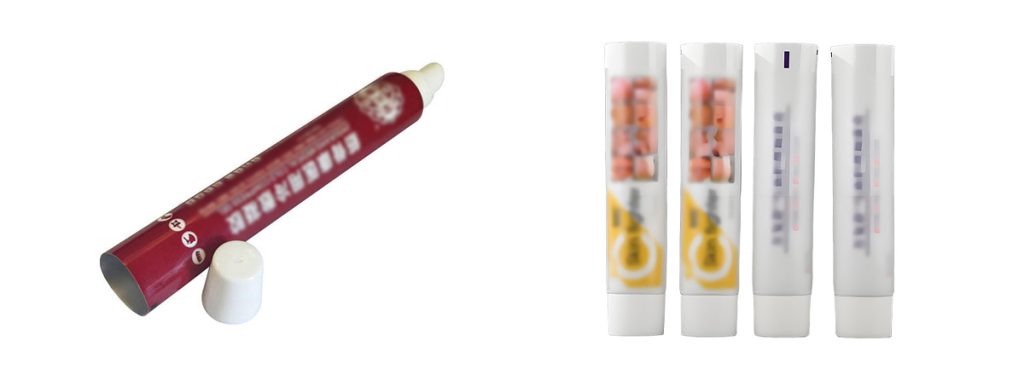
Laminated tubes represent a specialized packaging solution designed for products requiring enhanced protection and visual appeal. Manufacturers construct these tubes from multiple layers, typically combining polymers and aluminum. This multi-layer composition sets laminated tubes apart from traditional plastic or aluminum tubes, which often use a single material. The following table highlights the distinguishing features:
| Feature | Laminated Tubes | Other Tubes (Plastic/Aluminum) |
|---|---|---|
| Material Composition | Multiple layers: polymers and aluminum | Single material: plastic or aluminum |
| Barrier Protection | Superior resistance to light, oxygen, moisture | Varies; often less effective |
| Customizability | Advanced printing and flexible design options | Limited customization |
| Durability | High durability and wear resistance | Aluminum is durable; plastic less so |
| Cost | Often more affordable than aluminum tubes | Aluminum can be more expensive |
Laminated tubes offer puncture resistance and moisture protection, which extends shelf life. Manufacturers can design custom shapes and caps, supporting unique branding strategies. The use of lami tube making machines enables precise layering and consistent quality, contributing to the laminated tubes market share and overall market dynamics.
Applications
Laminated tubes serve a wide range of industries, each benefiting from their protective and customizable properties. In cosmetics, key players use laminated tubes for lotions, creams, and gels, ensuring product integrity and convenience for consumers. Pharmaceutical companies rely on these tubes for ointments and topical medications, where barrier protection against moisture and light is critical. Food manufacturers package sauces and condiments in laminated tubes to prevent contamination and spoilage, maintaining freshness.
The lamination process enhances barrier properties, making laminated tubes ideal for sensitive items such as condensed milk and pharmaceutical ointments. Their flexibility in design supports effective branding, which is essential for key players seeking to increase market share. The adoption of lami tube making machines allows manufacturers to meet industry analysis requirements for hygiene and dosage accuracy, especially in pharmaceuticals.
Laminated tubes market share continues to grow as key players expand into new sectors. The laminated tubes market dynamics reflect rising demand for packaging that preserves product quality and supports sustainability initiatives.
Market Growth Analysis
Growth Drivers
The laminated tubes market growth reflects a dynamic shift in consumer preferences and industry standards. Manufacturers observe a rising demand for advanced packaging in personal care & cosmetics, pharmaceuticals, and food sectors. Companies in personal care & cosmetics prioritize packaging that preserves product integrity and enhances shelf appeal. Pharmaceutical firms require packaging that maintains sterility and extends shelf life. Food producers seek solutions that prevent contamination and spoilage.
The laminate tube packaging market is experiencing a significant shift toward sustainable and environmentally friendly solutions, driven by increasing consumer awareness and stringent regulatory policies. More than 60% of consumers now prefer brands that offer sustainable packaging, pushing manufacturers to innovate in material science and production techniques.
Sustainable packaging solutions have become a central focus for industry leaders. Many manufacturers now invest in biodegradable and recyclable materials to meet regulatory requirements and consumer expectations.
The rise in demand for sustainable packaging has also pushed the market toward eco-friendly options, with many manufacturers shifting towards biodegradable and recyclable materials.
Personal care & cosmetics brands lead the adoption of sustainable innovations, using laminated tubes that combine durability with eco-friendly features. The market growth analysis shows that sustainability trends influence purchasing decisions and drive product development. Companies that embrace sustainable packaging solutions gain a competitive advantage and expand their market share.
The growth potential in the laminated tube sector remains strong. The rising demand for premium packaging in personal care & cosmetics and pharmaceuticals supports continued investment in lami tube making machines. These machines enable manufacturers to produce high-quality tubes with advanced barrier properties and customizable designs.
Technology Trends

Technological advancements in lami tube making machines have transformed production processes and improved efficiency. Automation, artificial intelligence, and sustainability-focused innovations now define the competitive landscape.
| Technology Trend | Impact on Production Efficiency |
|---|---|
| Automation | Enhances speed and precision in manufacturing processes. |
| AI Integration | Increases adaptability to market demands and optimizes production. |
| Sustainability Focus | Promotes eco-friendly practices and reduces resource consumption. |
Manufacturers use lami tube making machines to achieve consistent quality and reduce turnaround times. AI integration allows companies to respond quickly to changing market demands and optimize resource allocation. Sustainability-focused technologies help reduce waste and support the development of sustainable packaging solutions.
Advancements in barrier materials and printing technologies further shape the laminated tube market. Companies invest in multilayer structures to improve oxygen and moisture resistance, extending product shelf life. Smart packaging features, such as QR-code-enabled tubes, enhance consumer engagement in premium personal care & cosmetics segments. Lightweighting strategies reduce material usage by up to 12%, maintaining durability and lowering production costs.
| Evidence Type | Description |
|---|---|
| Multilayer Structures | Enhanced oxygen and moisture barriers extend product shelf life. |
| Smart Packaging | QR-code-enabled tubes improve consumer engagement in premium segments. |
| Lightweighting | Reduces material usage by up to 12% while maintaining durability and cutting production costs. |
Sustainable innovations in lami tube making machine technology support the industry’s transition to eco-friendly practices. The market growth analysis highlights how these trends contribute to the overall growth potential of the laminated tubes market. Companies that invest in advanced manufacturing and sustainable packaging solutions position themselves for long-term success.
Major Trends
Material Innovations
Manufacturers in the laminated tube industry continue to advance material science, responding to market dynamics and sustainability demands. In 2024, HuhtamäkiOyj launched the blueloop™ Tube ONE, a high-barrier laminated tube that eliminates EVOH, improving its recyclability and supporting circular economy goals. This innovation maintains product protection and shelf life, while aligning with the shift toward eco-friendly packaging. The industry also sees a growing preference for bio-based and biodegradable plastics, which offer effective barriers and reduce environmental impact.
Lami tube manufaturing machine enables the incorporation of recyclable materials and post-consumer recycled content. Companies now use bio-based polyethylene and polypropylene to decrease reliance on fossil fuels. Weight-saving laminates minimize material usage, enhancing sustainability. Tube manufacturers collaborate with recycling associations to improve the acceptance of recyclable tube design in municipal waste programs. The Tube Council promotes sustainable developments, aiming for tubes to meet food compliance standards and support premium packaging solutions.
- Incorporation of post-consumer recycled materials enhances sustainability.
- Use of bio-based polyethylene and polypropylene reduces reliance on fossil fuels.
- Development of weight-saving laminates minimizes material usage.
- Tube manufacturers work with recycling associations to improve recyclability.
- Chemical recycling creates new PE resins from waste oils.
- Laminated tubes provide lightweight barriers against oxygen and UV degradation, preserving freshness and reducing food waste.
Design Flexibility
Design flexibility remains a key driver in the laminated tube market dynamics. Advancements in digital printing allow brand owners to create short-run, customized packaging solutions with photographic-quality images, ideal for limited-edition products. The adoption of PBL tubes supports eco-friendly packaging and recyclable materials, meeting consumer expectations for sustainability.
| Trend | Benefit for Brand Owners |
|---|---|
| Advancements in digital printing | Enables short-run, customized designs with photographic-quality images, ideal for limited-edition products. |
| Adoption of PBL tubes | Offers sustainability and recyclability, aligning with consumer demand for eco-friendly packaging solutions. |
| Unique finishes and designs | Enhances brand differentiation and consumer appeal, making products stand out on retail shelves. |
Laminated tubes offer extensive customization options, including unique finishes and advanced printing techniques. These features help brands differentiate products and enhance perceived quality. Innovative closure systems improve user experience, especially in cosmetics and personal care. The flexibility in design supports the market’s dynamics, allowing manufacturers to respond quickly to changing trends and consumer preferences.
Regional Performance
High-Growth Regions
The laminated tube market shows significant variation in growth across global regions. Asia-Pacific leads the industry with the highest compound annual growth rate (CAGR), followed by Latin America. The following table highlights the projected CAGR for these regions from 2025 to 2030:
| Region | CAGR (%) |
|---|---|
| Asia-Pacific | 7.5 |
| Latin America | 5.4 |
Asia-Pacific’s rapid expansion results from strong demand for personal care, pharmaceuticals, and food packaging. Manufacturers in this region invest heavily in lami tube manufacturing machine to meet rising production needs. Latin America also demonstrates robust growth, driven by increasing consumer awareness and the adoption of innovative packaging solutions.
Regional Drivers
Several factors fuel the growth of the laminated tube market in emerging economies:
- Rising disposable income in countries such as India and China.
- Urbanization increases demand for personal care products.
- The middle-class population is expanding, with a forecasted 40% growth by 2030 in key Asian markets.
- Consumers show greater awareness of premium and eco-friendly products.
- Innovations in packaging materials, including bio-based and biodegradable options, support sustainability.
Government regulations play a crucial role in shaping regional market dynamics. Authorities encourage manufacturers to use recyclable materials and reduce carbon footprints. Social trends, such as heightened awareness of oral hygiene and a preference for eco-friendly packaging, influence product development. Companies must also comply with strict sourcing transparency and packaging safety standards.
The medical laminate tube packaging segment faces challenges from regulatory scrutiny, especially in pharmaceuticals. Asia-Pacific benefits from government initiatives that enhance healthcare infrastructure and promote domestic manufacturing. North America and Europe, as mature markets, enforce stringent regulations and prioritize eco-friendly packaging. These factors drive continuous investment in lami tube making machines and sustainable laminated tube solutions across all regions.
Future Outlook
Market Evolution
The laminated tube market will experience significant transformation over the next five years. Manufacturers observe that consumer preferences now favor visually appealing and durable packaging. Sustainability trends continue to drive market growth, with companies adopting post-consumer resins and exploring eco-friendly materials. Technological advancements in packaging solutions, such as the latest lami tube making machine models, enable higher production efficiency and support innovative designs.
Environmental concerns and government regulations on plastic usage shape market growth. Fluctuating raw material prices challenge manufacturers, prompting them to seek alternative sources and optimize supply chains. The COVID-19 pandemic has increased demand for hygienic packaging, further accelerating market growth. E-commerce expansion creates new opportunities for portable packaging solutions, especially in regions like Asia-Pacific, where rising disposable income and urbanization fuel market growth.
Manufacturers invest in research and development to create recyclable laminated tube options. Hybrid materials that combine plastic laminates and aluminum laminates provide a competitive edge. Innovations in closure materials align with eco-conscious consumer preferences, supporting market growth across North America, Europe, and Asia-Pacific.
- Consumer preferences for durability and aesthetics
- Sustainability trends and post-consumer resins
- Technological advancements in lami tube making machine
- Fluctuating raw material prices
- Environmental regulations
- Demand for hygienic packaging
- E-commerce and portable packaging needs
Actionable Insights
Stakeholders can capitalize on market growth by adopting targeted strategies. Companies should prioritize sustainability, investing in eco-friendly materials and recyclable laminated tube designs. Digital innovation, such as advanced printing and smart packaging, streamlines operations and enhances customer engagement. Building resilient supply chains ensures consistent product availability and mitigates risks from market fluctuations.
| Actionable Insight | Description |
|---|---|
| Focus on sustainability | Prioritize sustainable practices to meet market growth demand and enhance brand value. |
| Embrace digital innovation | Invest in digital technologies to improve efficiency and customer engagement. |
| Enhance supply chain resilience | Build robust supply chains to ensure consistent product availability. |
| Make strategic investments | Identify high-potential areas for investment to drive market growth and returns. |
Manufacturers should implement high-speed and flexible lami tube making machine lines to boost production efficiency. Digital printing enables brand differentiation, while improved regional supply capabilities help mitigate risks. By focusing on these strategies, stakeholders position themselves to benefit from ongoing market growth and evolving consumer demands.
Conclusion
The laminated tube market will continue to grow through 2030, driven by sustainability and lami tube making machine. AI and automation now improve production consistency and speed, supporting rapid customization and reducing waste.
Key recommendations for stakeholders:
- Develop sustainable mono-material and bio-based tubes.
- Collaborate with resin producers and recycling consortia.
- Launch refill and returnable tube programs.
- Integrate intelligent packaging features.
- Diversify suppliers and expand regional manufacturing.
- Use predictive analytics for procurement.
- Adopt Industry 4.0 for process optimization.
| Opportunity | Description |
|---|---|
| Investment Potential | Strategic recommendations highlight areas for high returns and growth. |
| ROI Analysis | Financial projections help evaluate profitability and guide investments. |
| Feasibility Studies | Market demand and cost assessments support informed decision-making. |
| Industry Dynamics | Collaboration and innovation drive competitive advantage. |
| Competitive Landscape | Porter’s Five Forces Analysis informs strategic planning. |
Stakeholders should monitor market dynamics and emerging trends to stay ahead in the evolving laminated tube sector.
FAQ
What Is a Laminated Tube?
A laminated tube uses multiple layers of materials, such as polymers and aluminum, to protect products from moisture, air, and light. Manufacturers prefer laminated tubes for cosmetics, pharmaceuticals, and food packaging due to their durability and barrier properties.
How Does a Lami Tube Making Machine Improve Production?
A lami tube making machine automates the manufacturing process, increasing speed and consistency. Companies use these machines to produce high-quality laminated tubes with advanced designs and improved barrier protection.
Why Do Brands Choose Laminated Tubes for Packaging?
Brands select laminated tubes because they offer superior product protection, customizable designs, and lightweight packaging. These features help companies enhance shelf appeal and maintain product quality in competitive markets.
Are Laminated Tubes Environmentally Friendly?
Many laminated tubes now use recyclable or bio-based materials. Manufacturers invest in sustainable lami tube making machine to reduce waste and support eco-friendly packaging initiatives.
What Industries Benefit Most from Laminated Tubes?
Cosmetics, pharmaceuticals, and food sectors benefit most from laminated tubes. These industries require packaging that preserves product integrity, extends shelf life, and supports branding efforts.