


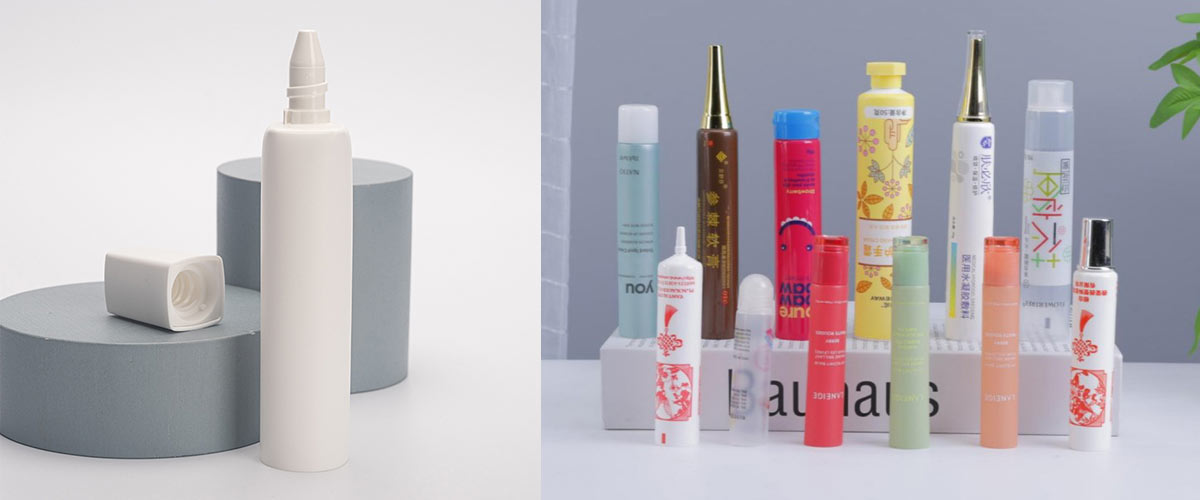
A laminated tube serves as a multi-layered packaging solution designed for optimal product protection and barrier protection. Companies use lami tube making machine to combine materials such as plastic and aluminum, creating tubes that shield contents from oxygen, moisture, and light. Industries value laminated tube packaging for its ability to preserve product integrity and extend shelf life. The market for laminated tube packaging continues to expand as demand rises in cosmetics, pharmaceuticals, and food sectors.
| Source | Market Size (USD) | Year | CAGR (%) | Forecast Period | Notes |
|---|---|---|---|---|---|
| Data Bridge Market Research | 566.16 million | 2021 | 13.60 | 2022-2029 | Expected to reach 1,570.26 million by 2029 |
| Fortune Business Insights | 9.74 billion | 2024 | 5.74 | 2025-2032 | Tube packaging market including laminate tubes, projected 15.16 billion by 2032 |
| Grand Market Insights (GMI) | 1.6 billion | 2023 | 6.9 | 2024-2032 | Focused on laminated tubes market, driven by sustainability trends |
Key Takeaways
- Laminated tubes use multiple layers of plastic and aluminum to protect products from air, moisture, and light, keeping them fresh longer.
- These tubes offer strong durability and allow vibrant, high-quality printing that helps brands stand out on shelves.
- Different types of laminated tubes suit various needs, balancing protection, flexibility, and recyclability for cosmetics, pharmaceuticals, and food.
- Advanced manufacturing machines produce laminated tubes efficiently, ensuring consistent quality and supporting sustainable production.
- Laminated tubes support sustainability efforts by using eco-friendly materials and improving recyclability while maintaining excellent product protection.
Laminated Tube Packaging
What Is a Laminated Tube?
A laminated tube is a type of packaging made from multiple layers of materials, often combining plastics and metals, to create a strong barrier against external elements. These tubes protect products from light, air, and moisture, which helps maintain freshness and quality. Laminated tubes have become popular in industries such as cosmetics, pharmaceuticals, and food because they offer both durability and attractive design options.
Laminated tubes come in several types, each designed for specific needs. The most common varieties include Aluminum Barrier Laminates (ABL) and Plastic Barrier Laminates (PBL). ABL tubes feature an aluminum layer sandwiched between plastic layers, providing excellent protection against light and oxygen. PBL tubes use only plastic layers, including a special EVOH barrier that blocks gases while keeping the tube flexible. Manufacturers also produce all-plastic tubes (APT) for applications where metal is not required.
Note: The choice of tube type depends on the product’s sensitivity to air, light, and moisture, as well as branding and sustainability goals.
Structure and Materials
Laminated tubes use a multi-layer construction to achieve their unique properties. Each layer serves a specific function, contributing to the tube’s overall performance.
- The outer layer, usually made of polyethylene or polypropylene, provides a smooth surface for high-quality printing and branding.
- The barrier layer, often aluminum or EVOH, blocks oxygen, moisture, and light, preserving the product inside.
- Adhesive layers bond the materials together, ensuring strength and flexibility.
- The inner layer, which contacts the product, is made from food-safe or pharmaceutical-grade plastic.
Here is a table summarizing the main types of laminate tubes and their structures:
| Laminated Tube Type | Layer Composition | Key Features and Functions |
|---|---|---|
| Aluminum Barrier Laminate (ABL) | Three layers: plastic – aluminum – plastic | Aluminum layer acts as a barrier blocking light, air, moisture, odor, and flavor absorption; combines barrier properties of aluminum with plastic tube feel. |
| Plastic Barrier Laminate (PBL) | Five layers: plastic – adhesive – EVOH – adhesive – plastic | EVOH layer provides gas and oxygen barrier; excellent barrier properties; suitable for sensitive formulations; good decoration capabilities. |
| Ethylene Vinyl Alcohol (EVOH) Layer | Used as a gas barrier layer within plastic laminates | Blocks oxygen and gases to protect contents; often combined with other plastics to maintain flexibility. |
| All Plastic Tube (APT) | Three layers of plastic | Holds form and shape like extruded plastic tubes; no metal layer. |
The combination of plastic and aluminum layers in laminated tubes enhances barrier protection, extending shelf life and improving durability. These multi-layer tubes also allow for vibrant, full-surface printing, which supports strong branding and product differentiation. However, the complex structure can make recycling more challenging, as separating the layers requires specialized facilities. Some manufacturers now explore bio-based laminates, such as PHA and PLA, to address environmental concerns, though these materials face limitations in recycling infrastructure and cost.
Manufacturing Process
The production of laminated tubes involves several precise steps, each designed to ensure quality and efficiency. The process begins with material selection, where manufacturers choose the appropriate plastics, aluminum, and barrier films based on the product’s requirements.
- Material Selection: Manufacturers select materials such as aluminum, plastic, and barrier films for the tube layers.
- Printing and Design: Advanced printing technologies, like flexographic or rotogravure printing, apply artwork and graphics to the outer layer.
- Lamination: The selected materials are laminated together using heat and pressure, forming a seamless multi-layer sheet.
- Extrusion of Plastic Layers: Plastic layers are extruded to create the inner and outer surfaces of the tube.
- Aluminum Layer Application: For ABL tubes, a thin aluminum layer is added to provide a barrier against light, air, and moisture.
- Adhesive Application: Adhesives bond the different layers securely.
- Curing and Lamination: The adhesive is cured through controlled heating and cooling, resulting in a strong laminated structure.
- Tube Formation: The laminated sheet is cut and shaped into individual tubes.
- Shoulder Formation: The tube shoulder is formed near the cap by folding and sealing.
- Printing of Batch Information: Manufacturing date, batch number, and product details are printed on the tube.
- Cap Attachment: The cap is attached to provide a secure seal.
- Quality Control and Inspection: Each tube undergoes inspection to ensure it meets quality standards.
- Packing and Distribution: Finished tubes are packed and prepared for shipment.
Lami tube making machine plays a crucial role in this process. The machine can produce up to 110 tubes per minute, improving efficiency and consistency. Laminated tube making machine uses advanced welding technology to ensure strong, seamless joints and feature user-friendly interfaces for easy operation and quick mold changes. The closed cooling systems reduce power consumption and maintenance costs, making production more sustainable and cost-effective. By integrating semi-automatic injection molding, manufacturers can further streamline the process, resulting in high-performance laminated tubes with reliable quality.
Laminated Tubes vs. Extruded Tubes
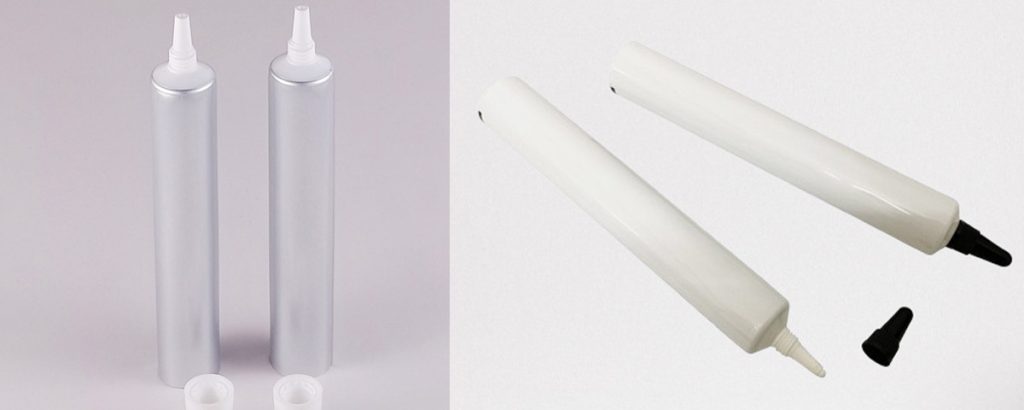
Laminated tubes and extruded tubes differ in structure, barrier properties, and applications. Laminated tubes use a multi-layer construction, often combining plastic and aluminum, while extruded tubes are made by simultaneously extruding multiple plastic layers to form a seamless tube.
| Tube Type | Structure | Barrier Layer | Appearance | Recyclability | Key Properties | Typical Applications |
|---|---|---|---|---|---|---|
| Laminated Tubes (ABL) | Multiple layers with aluminum foil sandwiched between plastic layers | Aluminum foil | Metallic sheen with visible seam | Less recyclable due to aluminum content | Excellent protection against light, air, moisture; seam visible; less flexible | Sunscreens, medicinal ointments, premium cosmetics requiring high protection |
| Laminated Tubes (PBL) | Plastic laminate with EVOH barrier, seamless | EVOH (Ethylene Vinyl Alcohol) | Seamless, smooth, vibrant colors | Highly recyclable | Good oxygen barrier; plastic memory allows shape retention after squeezing | Cosmetics, personal care, pharmaceuticals, environmentally friendly products |
| Extruded Tubes (Co-extruded) | Multiple plastic layers extruded simultaneously, seamless | EVOH or similar plastic barrier | Seamless, customizable in color and finish | Recyclable | Good barrier properties; seamless design; high customization | Premium cosmetics, personal care, food products requiring seamless appearance and flexible barrier options |
Laminated tubes, especially ABL types, provide superior protection for sensitive products but can be less flexible and harder to recycle. PBL tubes offer a balance of barrier protection and recyclability, making them suitable for environmentally conscious brands. Extruded tubes, with their seamless design and flexible barrier options, are ideal for premium products that require a flawless appearance.
Tip: When choosing between laminated tubes and extruded tubes, companies should consider product sensitivity, branding needs, and sustainability goals. A reputable laminate tube manufacturer or laminate tube supplier can help identify the best solution for each application.
Laminated tube packaging continues to evolve as consumer preferences shift toward sustainability, convenience, and product safety. High-performance laminated tubes meet these demands by combining advanced barrier protection with attractive design and efficient manufacturing.
Features of Laminated Tube
Barrier Properties
Laminated tubes deliver superior barrier properties by combining multiple layers of plastic and aluminum. This structure creates a high level of protection against oxygen, moisture, and light. The aluminum barrier laminate (ABL) tubes include an aluminum layer that blocks light and air, making them ideal for sensitive formulations. Plastic barrier laminate (PBL) tubes use EVOH to provide maximum barrier protection while remaining flexible and recyclable. These features help prevent oxidation, spoilage, and contamination, which leads to shelf life extension and longer shelf life for products. Laminated tubes also block odors and harmful contaminants, preserving product quality and taste. For sensitive formulations in cosmetics and pharmaceuticals, maximum barrier protection ensures product protection and stability.
Laminated tubes outperform many other packaging options in terms of superior barrier properties, making them the preferred choice for sensitive formulations that require maximum barrier protection.
Durability
The mechanical strength of laminate tubes stands out among packaging materials. Burst strength tests show that laminated tubes can withstand internal pressure without rupturing, which is crucial for storage and transport. Specialized tests, such as tensile and shear strength, further confirm their durability. Compared to aluminum tubes, laminate tubes resist denting and creasing, maintaining their shape and appearance. The table below highlights the durability of different tube materials:
| Tube Material | Durability Characteristics |
|---|---|
| Laminated Tubes | Enhanced durability, less prone to denting, balanced strength |
| Aluminum Tubes | Durable but dents easily, higher production cost |
| Plastic Tubes | Lightweight, retains shape, versatile design |
| Paper Tubes | Durable with lining, limited moisture barrier |
These features make laminated tubes suitable for sensitive formulations that demand both product protection and reliable performance.
Appearance and Design
Laminated tubes offer a wide range of design options that enhance branding and shelf appeal. Brands can choose from various shapes, sizes, and closure types to create a distinctive look. Advanced printing technologies, such as offset, flexographic, and silk screening, allow for vibrant graphics, metallic effects, and tactile finishes. These options help brands express identity and attract consumers. Laminate tubes support full-sleeve printing, embossing, and custom varnishes, which contribute to a premium appearance. The combination of protective layers and customizable design makes laminated tubes ideal for sensitive formulations that require both superior barrier properties and strong visual impact.
- Offset printing supports up to 8 colors for detailed artwork.
- Silk screening adds tactile, upscale effects.
- Hot stamping introduces metallic finishes for luxury branding.
Sustainability
Sustainability has become a key focus in laminate tube production. Manufacturers use FSC-certified paper, soy-based inks, and biodegradable laminates to reduce environmental impact. Some laminated tubes now feature plant-based liners or are made entirely from paper, supporting recyclability and compostability. The lightweight design of laminated tubes lowers transportation emissions. Recycling rates for laminated tubes have reached about 30%, which is higher than many other plastic packaging formats. Ongoing innovations aim to improve recyclability, such as removing aluminum barriers and using mono-material solutions. These efforts help address environmental concerns while maintaining the key advantages of laminated tubes, including superior barrier protection and product protection for sensitive formulations.
Applications
Cosmetics
Laminated tubes have become the preferred choice for packaging in the cosmetics and personal care industry. Their multi-layer construction makes them ideal for cosmetic products that require protection from air, light, and moisture. Many brands use these tubes for face creams, brow fillers, and other skincare products. The layered design preserves the integrity of sensitive formulations and extends shelf life. Laminated tubes offer a smooth, attractive appearance, which is important for skin care packaging. They also provide a good tactile feel and strong protection, combining the benefits of plastic and metal. Consumers appreciate the tamper-resistant, hygienic, and lightweight qualities. These features make laminated tubes ideal applications for laminated tubes in cosmetics.
Laminated tubes help maintain product quality by preventing contamination and spoilage, while their compatibility with various caps and closures ensures user convenience.
Common applications of laminated tubes in cosmetics and personal care include:
- Face creams and lotions
- Skincare products such as cleansers and face wash
- Premium cosmetic formulations that require moisture retention
Pharmaceuticals
Pharmaceuticals rely on laminated tubes to protect sensitive formulations and ensure patient safety. These tubes must meet strict regulatory standards, including FDA regulations and ISO certifications. Manufacturers design laminated tubes with airtight seals and tamper-evident caps to prevent contamination and maintain product integrity. The multi-layer structure shields pharma and healthcare products from light, oxygen, and moisture, which helps preserve medicine potency and freshness. Laminated tubes also prevent cracks, splits, and leaks, ensuring safe storage and transport. Customization options allow for different shapes and sizes, but all designs must comply with regulatory requirements.
- Laminated tubes are widely used for ointments, gels, and liquid medications.
- The packaging supports easy dispensing and reduces contamination risk.
- Important information, such as batch numbers and expiration dates, can be printed directly on the tube.
Food Industry
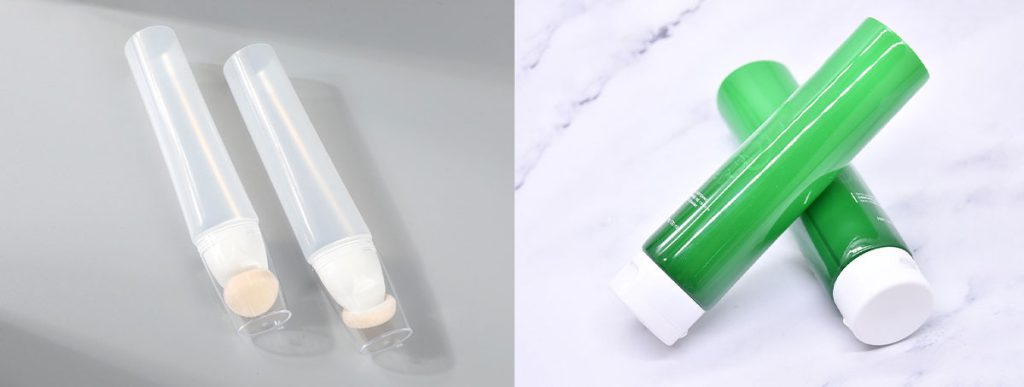
The food industry uses laminated tubes for a variety of products that require strong barrier protection. These tubes are common for packaging mustard, butter, cream, garlic jelly, and ginger. The multi-layer construction keeps food fresh by blocking moisture, air, and light. Laminated tubes are lightweight and easy to squeeze, making them convenient for consumers. The packaging also prevents contamination and spoilage, which is essential for food safety. Manufacturers can print branding and nutritional information directly on the tube, enhancing shelf appeal.
- Food products packaged in laminated tubes include:
- Mustard
- Butter
- Cream
- Garlic jelly
- Ginger
- The tubes help maintain freshness and extend shelf life for various food items.
Conclusion
Laminated tube solutions stand out in modern packaging because they offer strong barrier protection, customizable designs, and improved sustainability. Manufacturers use lami tube making machine to produce tubes that keep products safe from moisture, oxygen, and light. Brands benefit from vibrant printing and tamper-evident seals, which support effective marketing and product safety. Companies should work with a laminate tube manufacturer or laminate tube supplier to select the best materials, closures, and decoration options for their needs.
FAQ
What Makes Laminated Tubes Different from Regular Plastic Tubes?
Laminated tubes use multiple layers, often including aluminum, to provide better protection against air, moisture, and light. Regular plastic tubes usually have a single layer and offer less barrier protection.
Can Laminated Tubes Be Recycled?
Some laminated tubes can be recycled, especially those made with all-plastic layers. Tubes with aluminum barriers may require specialized recycling facilities. Local recycling rules may vary.
Why Do Cosmetic Brands Prefer Laminated Tubes?
Cosmetic brands choose laminated tubes for their strong barrier properties, attractive appearance, and ability to keep products fresh. These tubes also allow for high-quality printing and unique designs.
Are Laminated Tubes Safe for Food and Pharmaceuticals?
Manufacturers use food-safe and pharmaceutical-grade materials for the inner layer of laminated tubes. These tubes meet strict safety standards and help protect sensitive products from contamination.