



Uneven cuts often occur in a lami tube machine due to tool wear, incorrect settings, or material defects. Inconsistent cut quality can lead to weak seals and reduce the reliability of laminated tube packaging. Customers notice poor cuts, which lowers satisfaction and trust. Production teams see lower efficiency when burrs clog equipment or cause rework. Effective solutions help maintain smooth cuts and improve overall output.
Key Takeaways
- Regularly inspect and replace worn tools to maintain cutting accuracy and reduce burr formation.
- Adjust machine parameters like laser power and cutting speed to ensure clean cuts and minimize defects.
- Monitor machine vibration and stability to prevent uneven cuts and improve overall cut quality.
- Implement proper lubrication and cooling systems to reduce heat buildup and enhance the cutting process.
- Provide ongoing training for operators to ensure they can identify issues early and maintain high-quality standards.
Common Causes in Lami Tube Machine
Manufacturers often encounter uneven cuts and burrs on the cutting edge when operating a lami tube machine. These issues can result from several common causes. Regular monitoring and maintenance help prevent inconsistent cut quality and improve accuracy.
Tool Wear
Tool wear stands out as one of the most frequent causes of uneven cuts and burrs. Cutting blades and tools lose sharpness over time, which leads to subtle unevenness and material burrs. Operators notice burrs on the surface and uneven edges, especially after extended use. Routine inspection and timely replacement of worn tools maintain accuracy and reduce burr formation.
Tip: Schedule tool checks after every production shift to catch early signs of wear.
Incorrect Parameters
Incorrect parameter settings in the lami tube making machine often cause inconsistent cut quality and burrs. Operators must adjust settings such as laser power, cutting speed, and gas pressure to match the material and thickness. The table below shows recommended settings for optimal cuts:
| Parameter | Recommendation |
|---|---|
| Laser Power | Set to the minimum required level for clean cutting. |
| Cutting Speed | Increase to help dissipate heat and reduce thermal damage. |
| Gas Pressure | Fine-tune based on specific cutting requirements. |
| Focus Height | Adjust to ensure correct positioning of the laser beam. |
| Machine Calibration | Adjust settings according to material and thickness. |
Accurate parameter adjustment ensures clean cuts and minimizes burrs on the cutting edge.
Material Inconsistencies
Material inconsistencies, such as variations in bonding strength and composition, affect the cutting process and lead to burrs and uneven cuts. Laminated tube materials with weak adhesive bonding produce more material burrs and reduce accuracy. High-quality raw materials and consistent bonding strength improve the surface finish and reduce burr formation.
- Material inconsistencies influence the quality of cuts in lami tube machines.
- Weak bonding results in laminate damage and burrs.
- Advanced models show that chip geometry and adhesive force impact cutting quality.
Machine Vibration
Machine vibration and instability represent another common cause of uneven cuts and burrs. Vibrations disrupt the cutting process and create inconsistent cut quality. Operators use vibration meters and seismic transducers to monitor machine stability. The table below lists recommended techniques:
| Technique Type | Description |
|---|---|
| Vibration Meters | Used for routine operational monitoring and diagnostic studies. |
| Seismic Transducer | Measures absolute velocity or acceleration on non-rotating parts like bearing housings. |
| Non-Contacting Transducer | Senses vibratory displacement between the shaft and structural members, typically used for rotating parts. |
| Measurement Criteria | Based on r.m.s. velocity for non-rotating parts and peak-to-peak displacement for rotating parts. |
Regular vibration monitoring helps maintain accuracy and prevents burrs on the cutting edge.
Note: Consistent checks for these common causes in the lami tube machine and laminated tube production help reduce downtime and improve product quality.
Laser Cutting Machine Issues
Laser cutting machine performance plays a critical role in the quality of cuts on a lami tube making machine. Operators often encounter burrs and uneven cuts when the laser cutting machine does not function at optimal levels. Understanding the main issues helps maintain high standards in laminated tube production.
Insufficient Output Power
Insufficient output power from a laser cutting machine leads to uneven cuts and poor edge quality. Inconsistent power output can result from fluctuations in the power supply, problems with the laser tube, or faults in the power control system. These issues cause the laser cutting machine to deliver less energy than required, which affects the final product. Uneven cuts reduce the reliability of the laminated tube and may cause weak seals. Regular calibration and monitoring of the laser cutting machine ensure stable power output and consistent results.
Power Fluctuations
Power fluctuations in a laser cutting machine disrupt the cutting process. Sudden changes in power can cause the laser to cut too deeply or not enough, leading to burrs and rough edges on the laminated tube. Operators should monitor the power supply and use voltage stabilizers to prevent these fluctuations. Consistent power helps the lami tube making machine produce clean, accurate cuts every time.
Worn Nozzle
A worn nozzle in a laser cutting machine significantly impacts cut quality. Nozzle wear disrupts the flow of assist gas, which leads to inconsistent cutting and increased burr formation. Maintaining the correct nozzle standoff is crucial for effective gas flow. A worn nozzle can create supersonic gas flow, resulting in shock waves that negatively affect the cutting process. Disruptions in gas flow may cause molten material to cool too quickly, forming burrs on the laminated tube.
“When the nozzle is not at the right height, those shock waves interact with the workpiece surface and the kerf in a negative way… The protruding spatter interrupts the gas flow dynamics and deflects that supersonic shock wave on the kerf. This erratic molten-metal evacuation can lead to burrs.”
Operators should inspect and replace nozzles regularly to maintain optimal performance. Routine maintenance of the laser cutting machine prevents burrs and ensures high-quality cuts on every laminated tube.
Cutting Speed and Line Speed
Unstable Cutting Speed
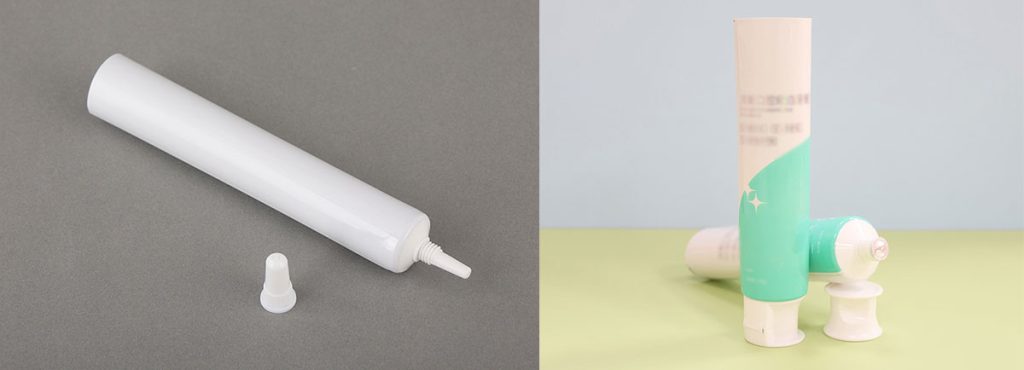
Unstable cutting speed often leads to uneven cuts in the laminated tube making machine. When the speed fluctuates, the contact force between the tool and the laminated tube changes rapidly. This instability causes the tool to dig too deep or not enough, resulting in rough edges and burrs. Operators notice that the quality of cuts drops when the machine cannot maintain a steady speed.
The following table shows how different cutting speeds affect the process:
| Cutting Speed (r/min) | Axial Force Characteristics | Observations |
|---|---|---|
| 2000 | Greater fluctuations | Instability in contact force at the start |
| 4000 | Relatively stable | Less fluctuation compared to 2000 r/min |
| All speeds | Fluctuations at 1/2 stage | Caused by drill bit processing layered area |
At lower speeds, the lami tube making machine experiences more force fluctuations, which increases the risk of uneven cuts. Higher speeds provide more stability, but operators must still monitor for changes during the process. Regular checks and adjustments help maintain consistent speed and improve the finish on each laminated tube.
Tip: Use digital speed controllers to keep the cutting speed steady and reduce the chance of burrs.
Slow Line Speed
Slow line speed can also cause problems with cut quality. When the laminated tube moves too slowly through the machine, the tool spends more time in contact with the material. This extra time increases heat buildup and can melt or deform the edges. As a result, operators see more burrs and uneven cuts on the finished product.
To avoid these issues, operators should set the line speed according to the material and thickness of the laminated tube. Faster line speeds help remove heat quickly and produce cleaner cuts. Regular calibration of the lami tube making machine ensures the line speed matches production needs.
Note: Always balance line speed with cutting speed for the best results and fewer defects.
Uneven Cuts: Troubleshooting and Solutions
Alignment Checks
Alignment plays a crucial role in preventing uneven cuts and burrs on the cutting surface of laminated tubes. When the laser cutting machine or lami tube machine falls out of alignment, operators often notice rough edges and deviations from the intended cutting path. Regular alignment checks help maintain the accuracy of cuts and improve the overall surface finish.
| Machine Type | Recommended Inspection Interval |
|---|---|
| General Machines | 6 to 9 months |
| Printing Presses | More frequent due to speed |
| Corrugators | Longer intervals due to tolerances |
| Newly Installed Lines | Shorter intervals initially |
| Older Machines | Shorter intervals due to wear |
Operators should inspect the drive system, pulleys, and couplers for tightness and cleanliness. Misalignment can cause the laser cutting machine to produce distorted shapes or miss the intended cutting path. Cleaning the focusing lens and aligning the laser beam also prevent issues with the cutting surface.
Tip: Schedule alignment checks based on machine type and age to reduce the risk of uneven cuts and burrs.
A well-aligned lami tube machine ensures that each cut follows the correct path, resulting in a smooth finish and fewer defects.
Lubrication and Cooling
Proper lubrication and cooling systems are essential for reducing burr formation and maintaining a high-quality finish on the cutting surface. The right system minimizes heat buildup and friction, which can otherwise lead to burrs and uneven cuts.
- Minimum Quantity Lubrication (MQL) uses a small amount of coolant mixed with compressed air. This method lowers costs, reduces tool wear, and improves the surface finish of laminated tubes.
- Cryogenic cooling, which uses liquid nitrogen or carbon dioxide, absorbs heat during machining. This environmentally friendly option helps prevent burrs and keeps the cutting surface smooth.
Operators should regularly check and maintain lubrication and cooling systems on both the lami tube machine and the laser cutting machine. Consistent maintenance ensures that the cutting tool operates at optimal temperature and reduces the risk of burrs forming on the surface.
Note: Regular maintenance and cleaning of lubrication and cooling systems extend the lifespan of the lami tube machine and improve the quality of cuts.
Operator Training
Operator training stands as one of the most effective solutions for reducing uneven cuts and burrs in lami tube making machine operations. Well-trained operators understand how to set correct parameters on the laser cutting machine, monitor the cutting process, and identify early signs of burr formation.
- Training programs teach operators to adjust laser power, cutting speed, and focus position for different materials.
- Regular updates keep operators informed about new techniques and maintenance practices.
- Quality control should begin at the start of production, with operators checking the cutting surface for defects.
Operators who receive ongoing training can quickly spot and correct issues, leading to fewer uneven cuts and a better finish on each laminated tube.
Quality control checks at every stage help maintain high standards and reduce waste.
Continuous improvement in process monitoring, combined with operator training, allows real-time tracking of production metrics. Advanced monitoring systems on the laser cutting machine can reduce defects by up to 15%, directly improving the quality of the final product. By focusing on training and process control, manufacturers achieve a higher first pass yield and better overall equipment effectiveness.
Conclusion

Manufacturers achieve high-quality cuts in lami tube making machine by focusing on regular maintenance, precise parameter settings, and thorough operator training. They benefit from long-term cost savings through preventive maintenance and automation. Key strategies include:
- Scheduling routine inspections and using advanced tools for quality control.
- Training operators to spot issues early and maintain proper alignment.
- Cleaning and replacing critical components to prevent burrs on laminated tubes.
Continuous improvement and data-driven monitoring help maintain reliable production and superior product quality.
FAQ
What Causes Burrs on Laminated Tubes?
Tool wear, incorrect machine parameters, and material inconsistencies often cause burrs on laminated tubes. Operators notice burrs when the lami tube making machine runs with dull blades or unstable cutting speed.
How Often Should Operators Check Alignment on a Lami Tube Making Machine?
Operators should check alignment every six to nine months for most machines. Older machines and newly installed lines require more frequent inspections. Regular checks help maintain cut quality and prevent uneven edges.
Why Does Cutting Speed Affect the Quality of Laminated Tubes?
Cutting speed changes the contact force between the tool and the laminated tube. Unstable speed causes rough edges and burrs. Operators use digital controllers to keep speed steady and improve surface finish.
What Maintenance Steps Reduce Burr Formation?
Operators replace worn tools, clean nozzles, and maintain lubrication systems. Routine inspections and preventive maintenance on the lami tube making machine help reduce burrs and ensure smooth cuts.
Can Operator Training Improve Cut Quality?
Operator training teaches correct parameter settings and early defect detection. Well-trained operators adjust the lami tube making machine for different materials and monitor the cutting process, leading to fewer burrs and better product quality.