


Braille on lami tubes plays a vital role in the pharmaceutical market, helping visually impaired patients safely identify their medicines.
- 91% of visually impaired respondents believe braille packaging enhances therapy and solves challenges in medication identification.
- In the EU, guidelines require Braille on all pharmaceutical packaging, while the US follows voluntary standards for self-adhesive labels and tubes.
| Region | Requirement for Braille on Pharmaceutical Packaging |
|---|---|
| EU | Mandatory |
| US | Optional (non-binding recommendations) |
Manufacturers face unique challenges achieving approval for accurate Braille on lami tubes, yet effective solutions continue to emerge.
Key Takeaways
- Braille on lami tubes is crucial for helping visually impaired patients identify their medicines safely.
- Manufacturers must use precise materials and advanced printing techniques to ensure accurate Braille application.
- Regular training for staff on Braille standards and quality control is essential for maintaining high safety standards.
- Inline inspection systems and manual checks work together to verify Braille accuracy during production.
- Continuous improvement in processes and technology enhances the quality and compliance of Braille on pharmaceutical packaging.
Lami Tubes: Material and Printing
Material Properties
Lami tubes serve as a popular choice in flexible packaging for medicines. Their smooth, flexible surface allows for precise Braille application, which is essential for patient safety. Manufacturers use a lami tube making machine to produce these tubes, ensuring consistent quality and surface finish. The choice of material directly affects the success of Braille printing.
| Material Type | Properties | Impact on Braille Printing |
|---|---|---|
| Aluminum Barrier Laminate (ABL) | Exceptional barrier properties; protects against light, moisture, and oxygen | Excellent printing capabilities |
| All Plastic Tube (APT) | Lightweight; good barrier properties; aesthetic appeal | Suitable for various printing techniques |
| Plastic Barrier Laminate (PBL) | Good barrier properties; EVOH layer blocks gas and oxygen migration | Outstanding decoration capabilities, including Braille printing |
- Aluminum Barrier Laminate (ABL) consists of three layers: plastic, aluminum, and plastic. This structure provides excellent protection and printing results.
- All Plastic Tube (APT) offers stability and compatibility with many formulations, making it a reliable option for flexible packaging.
- Plastic Barrier Laminate (PBL) features a special EVOH barrier that prevents gas and oxygen from entering, which helps maintain product integrity.
The laminated tube structure supports both product safety and the technical requirements for Braille.
Rotary Flexo Printing
Rotary flexo printing stands out as a preferred method for applying Braille to lami tubes. This process uses flexible printing plates and continuous rolls, which makes it ideal for high-speed production. The rotary flexo system ensures that each Braille dot is raised to the correct height and position, meeting strict pharmaceutical standards.
A laminated tube making machine integrates rotary flexo printing into the production line. This combination allows for precise control over ink application and embossing, which is crucial for readable Braille. The process works well with the smooth surface of laminated tubes, delivering consistent results across large batches. Rotary flexo printing also supports various designs and text, making it versatile for flexible packaging needs.
Tip: Consistent material quality and advanced printing technology help maintain Braille accuracy on every tube.
Pharmaceutical Braille Artwork
Artwork Layers
Designers create pharmaceutical braille artwork using digital tools that separate braille text from other visual elements. This separation helps maintain accuracy and clarity throughout the production process. They often face several challenges when preparing artwork for lami tubes:
- Collaboration can become difficult if outdated methods slow down teamwork.
- Regulatory validation requires strict compliance with guidelines to avoid fines or product rejection.
- Resource access issues may arise when managing multiple artwork files.
- Readability and visual integrity must balance, since deep embossing for braille text can distort graphics.
- Board thickness limitations can cause production problems if not addressed in the artwork.
- Multi-language or multi-market requirements add complexity, as different braille codes must be included in the artwork.
- Cost and tooling concerns appear when custom dies are needed for small runs.
- Quality control demands continuous checks to ensure the forming of braille characters meets standards.
Designers follow industry standards to organize artwork layers for pharmaceutical packaging. The process involves clear separation and communication of braille content. The table below outlines the recommended steps:
| Step | Description |
|---|---|
| 1 | Present all texts, graphic elements, and die-line except for the braille text on the first page. |
| 2 | Present only the braille text and the die-line on the second page. |
| 3 | Ensure that the braille content is clearly communicated and agreed upon by all parties involved. |
| 4 | Use a distinct color for braille text that is not used elsewhere in the artwork for clarity and verification. |
Note: Approved artwork must always include separate layers for braille text and visual elements. This separation allows for easier verification and reduces errors during production.
Designers must share approved artwork with all stakeholders before production begins. This step ensures that everyone understands the placement and specifications of braille content.
Font and Cell Size
Selecting the correct font and braille cell dimensions is essential for pharmaceutical packaging. Designers use specific standards to guarantee that braille text remains readable and compliant with regulations. The Marburg Medium font is widely accepted for pharmaceutical braille artwork. It meets guidelines set by organizations such as the European Blind Union and the Can-Am Pharmaceutical Braille Standard.
| Braille Font Standard | Compliance Guidelines |
|---|---|
| Marburg Medium | Can-Am Pharmaceutical Braille Standard for USA and Canada, ECMA Euro Braille Standard, European Blind Union Guidelines |
Designers must pay close attention to braille cell dimensions. The height, diameter, and spacing of each dot affect legibility. Approved artwork should specify these measurements to ensure consistency. The forming of braille characters depends on accurate cell size and dot placement.
Best practices for pharmaceutical braille artwork include:
- Use Marburg Medium font for all braille text.
- Specify braille cell dimensions in the artwork file.
- Verify that the artwork meets both local and international standards.
- Share approved artwork with production teams for final checks.
Tip: Consistent braille cell dimensions and clear artwork layers help maintain quality and compliance in pharmaceutical packaging.
Designers must update artwork regularly to reflect changes in regulations or market requirements. They should always review approved artwork before starting production to avoid costly errors.

Technical Accuracy
Dot Height
Accurate braille cell dot height is essential for pharmaceutical packaging. The height of each dot determines whether patients can read the braille text by touch. Regulatory guidelines set clear targets for dot height to maintain consistency and safety.
- The CEN standard recommends a target braille cell dot height of 0.20mm for embossed materials.
- The Marburg Medium font, commonly used in pharmaceutical packaging, does not specify a dot height but defines other important dimensions such as dot diameter and spacing.
Manufacturers use advanced technology to measure and verify braille cell dot height on lami tubes. The following table shows common methods:
| Method | Description |
|---|---|
| Non-contact optical technique | Measures braille dot height without touching the surface. |
| Laser triangulation | Provides precise readings of braille cell dot height. |
| Quality control standards | Uses NF EN ISO 17351 to test packaging for compliance. |
Consistent dot height ensures that braille text remains readable and meets legal requirements. Quality control teams check every batch to prevent errors that could affect patient safety.
Legibility Testing
Legibility plays a critical role in braille text on pharmaceutical packaging. If the dots are too flat or too high, patients may struggle to read the information. Braille text legibility depends on several factors, including dot height, spacing, and the smoothness of the tube surface.
Manufacturers conduct regular legibility testing to ensure that braille text meets industry standards. They use both machine-based and manual checks.
- Approximately 8% of all FDA recalls from 2012 to 2023 resulted from labeling issues, making labeling errors the leading cause of drug recalls worldwide.
- While the exact percentage of recalls due to braille inaccuracies is unknown, any error in braille text can compromise patient safety.
Quality teams often invite visually impaired individuals to test braille text legibility. Their feedback helps identify problems that machines might miss. Regular testing and feedback loops help companies maintain high standards and reduce the risk of costly recalls.
Layout and Position
Placement Rules
Manufacturers must follow strict placement rules when adding Braille to lami tubes for medicines. The position of Braille text affects readability and compliance. Designers use standard layout specifications to guide the placement of Braille dots. They avoid placing Braille near tube seams, crimped ends, or areas with high curvature. These spots can distort the dots and make the text unreadable.
Regulatory bodies provide clear guidelines for Braille placement. For example, the European Medicines Agency recommends placing Braille on the main body of the tube. Designers measure the available space and select a location that allows for full Braille cells. They check that the text does not interfere with printed graphics or product information. The goal is to make Braille easy to find and read by touch.
A well-planned layout helps maintain consistency across batches. Manufacturers use templates and digital artwork to ensure every tube meets the same standards. They review placement during quality control checks. This process supports patient safety and regulatory compliance.
Tip: Always verify the placement of Braille text before starting production. Early checks prevent costly errors and recalls.
Avoiding Overlap
Overlap between Braille and other printed elements can cause confusion and reduce legibility. Designers must keep Braille dots separate from logos, barcodes, and product details. They use the principle of standardisation of positioning to avoid overlap. This approach ensures that Braille remains distinct and easy to read.
Manufacturers create artwork with clear boundaries for Braille areas. They test samples to confirm that dots do not touch other graphics. If overlap occurs, they adjust the design and repeat testing. Quality teams inspect finished tubes for any signs of interference.
A table can help summarize best practices for avoiding overlap:
| Practice | Benefit |
|---|---|
| Separate Braille areas | Improves readability |
| Test sample tubes | Identifies potential problems |
| Adjust artwork quickly | Maintains compliance |
Designers update artwork as needed to reflect changes in regulations or branding. They prioritize clear, readable Braille for every batch.
Quality Control
Inline Inspection
Manufacturers use advanced inline inspection systems to monitor Braille quality during lami tube production. These systems check each tube in real time, ensuring that every dot meets the required standards for height, spacing, and placement. One leading technology, the Sensee Digital Braille Press System, integrates directly into existing production lines. This system supports high-speed Braille embossing and provides instant feedback to operators. The table below highlights its main features:
| Technology Name | Description | Key Features |
|---|---|---|
| Sensee Digital Braille Press System | High-speed, on-demand Braille printing for labels and flexible packaging. | Integrates with production lines, enables variable-data Braille embossing, real-time quality control, works on various substrates. |
Real-time inspection helps prevent errors before they reach the next stage. Operators can stop production immediately if the system detects a problem. This approach reduces waste and ensures that each tube delivers clear, readable Braille for patients.
Note: Inline inspection systems play a crucial role in maintaining consistent quality across large batches.
Manual Checks
Even with advanced technology, manual quality control remains essential. Skilled workers perform hands-on checks to verify the accuracy and clarity of Braille text. The recommended procedures include:
- Proofreading by touch: Two separate proofreadings take place. The creator checks first, followed by a certified proofreader.
- Consistency: The tactile graphic, including keys and notes, must follow Braille code rules and remain consistent across all graphics.
- Knowledgeable proofreader: The proofreader should understand the subject matter to catch errors and omissions.
Manual checks add a human perspective to quality control. Workers can identify subtle issues that machines might miss. This dual approach—combining technology and human skill—ensures that every lami tube meets the highest standards for safety and accessibility.
Training and Improvement
Staff Training
Effective Braille on lami tubes depends on well-trained staff. Employees need to understand both the technical and regulatory aspects of Braille printing. Training programs often include hands-on workshops, classroom sessions, and regular assessments. These sessions teach staff how to operate specialized equipment, recognize Braille standards, and identify common errors.
A strong training program covers several key areas:
- Braille standards and regulations: Staff learn about local and international guidelines.
- Machine operation: Employees practice using embossing and printing machines.
- Quality control: Workers develop skills to spot and correct Braille defects.
- Feedback and improvement: Teams review errors and share solutions.
Regular training ensures that staff stay updated on new technologies and best practices. This approach reduces mistakes and improves product safety.
Process Updates
Continuous improvement keeps Braille printing accurate and compliant. Companies review their processes to adopt new technologies and respond to changing regulations. Recent advancements in 3D printing have started to influence Braille production for pharmaceuticals. These technologies allow for more precise and customizable Braille features on lami tubes.
The table below highlights some recent developments in Braille printing technology:
| Source | Description |
|---|---|
| 3D Printing: Advancements in the Development of Personalised Pharmaceuticals for Older Adults | Explores how 3D printing enables personalized medicines with Braille for visually impaired patients. |
| Design and 3D printing of signs with Braille system | Shows ongoing progress in using 3D printing for Braille, relevant to pharmaceutical packaging. |
| Revealing Three-Dimensional Printing Technology Advances for Oral Drug Delivery | Describes the creation of tactile medication forms, including Braille, using 3D printing. |
Manufacturers update their processes by testing new materials, adopting advanced inspection systems, and integrating 3D printing where possible. They also review feedback from quality checks and customer reports. This cycle of evaluation and improvement helps companies maintain high standards and adapt to future needs.
Companies that invest in staff training and process updates lead the way in safe, accessible pharmaceutical packaging.
Conclusion
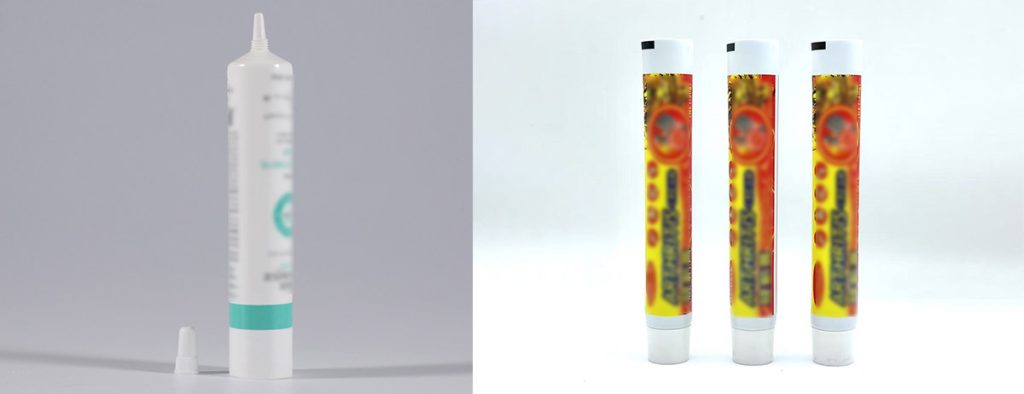
Manufacturers follow essential steps to ensure accurate braille text on lami tubes, including precise artwork, technical checks, and ongoing staff training. These actions protect patients and help companies meet legal standards.
| Benefit | Description |
|---|---|
| Patient Safety | Braille labels on lami tubes reduce medication errors for visually impaired patients. |
| Regulatory Compliance | Accurate braille text supports laws that require medication names in braille, improving accessibility. |
Continuous improvement in braille printing processes increases market competitiveness and revenue for pharmaceutical manufacturers. This approach also expands access for visually impaired individuals and strengthens societal welfare.
FAQ
What Is the Purpose of Braille on Lami Tubes?
Braille on lami tubes helps visually impaired patients identify medicines safely. It supports accessibility and reduces medication errors. Regulatory agencies require Braille for pharmaceutical packaging in many regions.
How Do Manufacturers Check Braille Accuracy?
Manufacturers use inline inspection systems and manual checks. Machines measure dot height and spacing. Skilled workers proofread by touch. Both methods help maintain high standards for safety and compliance.
Which Braille Font Is Used for Pharmaceutical Packaging?
Designers use the Marburg Medium font for pharmaceutical Braille. This font meets international guidelines and ensures clear, readable Braille on medicine tubes.
Can Braille Overlap with Other Printed Elements?
Braille should not overlap with logos, barcodes, or product details. Designers create separate areas for Braille. This practice keeps the text readable and prevents confusion.
Why Is Staff Training Important for Braille Printing?
Staff training teaches employees about Braille standards, machine operation, and quality control. Well-trained staff reduce errors and improve product safety. Regular training keeps teams updated on new technologies.