


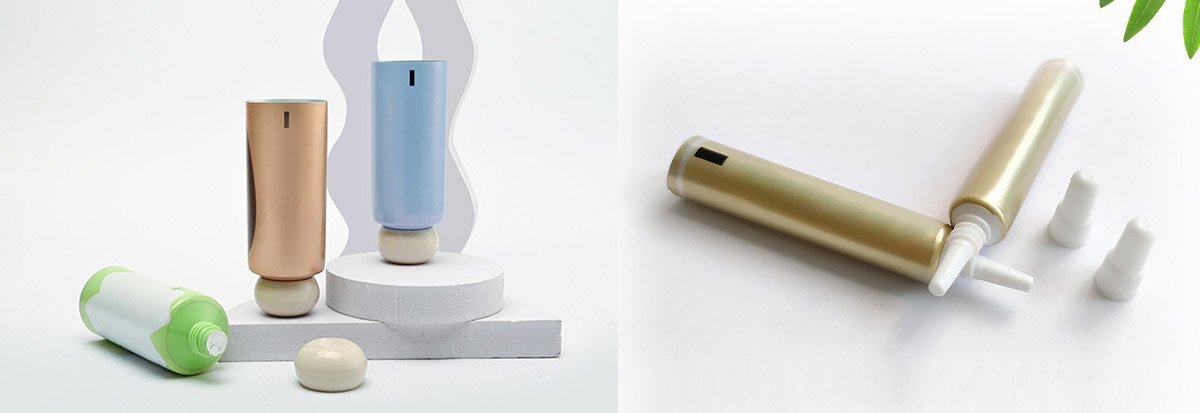
Manufacturers face a critical decision when choosing tube between ABL and PBL for packaging. Each tube type offers distinct advantages in barrier protection, sustainability, and production cost. ABL tubes use an aluminum layer for strong oxygen and moisture resistance, while PBL tubes rely on advanced plastic layers for flexibility and recyclability. Proper tube selection ensures product safety and aligns with growing environmental demands. The global tube packaging market reflects this balance, with approximately 50–60% using ABL and 40–50% relying on PBL technology:
| Tube Type | Approximate Global Market Share (%) |
|---|---|
| ABL (Aluminum Barrier Laminate) | 50 – 60 |
| PBL (Plastic Barrier Laminate) | 40 – 50 |
Understanding these core differences guides effective tube manufacturing decisions.
Key Takeaways
- ABL tubes use an aluminum layer to provide strong protection against oxygen, moisture, and light, making them ideal for pharmaceuticals and food products needing long shelf life.
- PBL tubes rely on multiple plastic layers with an EVOH barrier, offering flexibility, excellent printability, and better recyclability, suited for cosmetics and personal care items.
- Laminated tubes (ABL and PBL) offer superior barrier properties and branding options compared to extruded tubes, but recycling remains a challenge due to multi-layer structures.
- Choosing the right tube manufacturing machine depends on material compatibility, automation level, production speed, and future upgrade potential to ensure efficient and high-quality output.
- Sustainability trends favor PBL tubes for easier recycling and lower environmental impact, but manufacturers must consider local recycling infrastructure and product protection needs.
Tube Manufacturing Overview
ABL Tubes
ABL tubes, also known as aluminum barrier laminated tubes, combine plastic layers with a thin aluminum foil barrier. Manufacturers select these tubes for products that require exceptional protection from oxygen, moisture, and light. The aluminum layer, typically between 9µ and 30µ thick, provides a robust shield, making ABL tubes ideal for pharmaceuticals, toothpaste, and food packaging. The tube manufacturing process for ABL tubes involves several precise steps:
- Resin selection and preparation: Operators choose and dry plastic resin pellets.
- Extrusion process: Machines heat and push molten plastic through a die to form hollow tubes.
- Cooling and sizing: Water baths or air cooling solidify tubes and ensure uniform dimensions.
- Printing and labeling: Technicians apply brand logos and regulatory information.
- Cutting and finishing: Equipment cuts tubes to length and seals or threads the ends.
- Quality control and inspection: Inspectors test wall thickness, flexibility, leak resistance, and print durability.
ABL laminated tubes offer a metallic luster but have limited printing flexibility compared to other tube types.
PBL Tubes
PBL tubes, or plastic barrier laminated tubes, use multiple specialized plastic layers to achieve barrier properties. These tubes often incorporate ethylene vinyl alcohol (EVOH) as a barrier layer, which limits oxygen permeation. PBL tubes stand out for their flexibility, lightweight structure, and ease of recycling. Manufacturers prefer PBL tubes for cosmetics, personal care, and products with less stringent barrier requirements. The tube manufacturing process for PBL tubes mirrors that of ABL tubes, but co-extrusion technology enables the creation of multilayer plastic tubes with enhanced barrier performance. PBL laminated tubes support exquisite printing and intricate design options, offering strong branding opportunities.
Note: PBL tubes generally provide moderate barrier protection but excel in environmental friendliness and cost-effectiveness.
Laminated Tubes vs. Extruded Tubes
Laminated tubes and extruded tubes differ in both structure and application. Laminated tubes, including both ABL and PBL types, feature multiple layers bonded together—often with adhesives or co-extrusion—to achieve specific barrier and aesthetic properties. Extruded tubes, sometimes called co-extruded tubes, form by pushing molten polymers through a die, creating a seamless, thicker structure.
| Aspect | Laminated Tubes (Adhesive Lamination) | Extruded Tubes (Extrusion Lamination) |
|---|---|---|
| Structure | Thin adhesive or co-extruded layers; can include aluminum or EVOH | Thicker polymer layers; seamless construction |
| Energy & Process | Lower energy, requires curing time, humidity control | Higher energy, immediate use, no curing time |
| Substrate Compatibility | Compatible with PET, PE, Nylon, Aluminum Foil, PP | Similar compatibility, requires substrate treatments |
| Application Features | Better for aggressive sterilization, supports detailed printing | Can be tinted for color, robust for high-volume production |
| Limitations | Sensitive to environmental conditions, thin aluminum may wrinkle | Requires higher heat, thicker structure |
Laminated tubes provide versatility in barrier and design, while extruded tubes offer durability and efficient production for high-volume needs. Co-extruded tubes, a subset of extruded tubes, further enhance barrier properties by integrating multiple polymer layers in a single process.
Construction
Material Layers
Laminated tubes and extruded tubes differ significantly in their internal structure. Laminated tubes use a multi-layer design, combining several materials to achieve specific performance goals. Manufacturers often select these tubes for products that require advanced protection and branding flexibility.
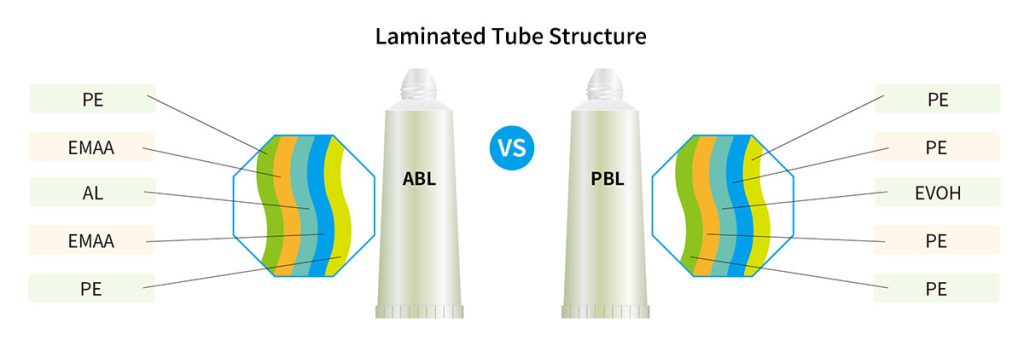
The typical material layers in laminated tubes vary by type. ABL tubes, or aluminum barrier laminated tubes, feature a core aluminum foil layer sandwiched between inner and outer polyethylene (PE) films. This structure provides a lightweight yet robust barrier. In contrast, PBL tubes, known as plastic barrier laminated tubes, utilize multiple PE layers and an EVOH (ethylene-vinyl alcohol copolymer) barrier. This configuration enhances flexibility and improves resistance to oxygen and moisture.
The following table summarizes the typical material layers and their impact on performance:
| Tube Type | Typical Material Layers | Impact on Performance |
|---|---|---|
| ABL (Aluminum Barrier Laminated) | PE inner film, PE outer film, 10μm aluminum foil | Provides good isolation, lightweight (20-30% lighter than all-aluminum tubes), corrosion resistance, oxidation resistance, good printing quality, soft touch, wrinkle resistance, and health safety due to plastic inner wall. Aluminum layer enhances barrier and oxidation resistance while reducing aluminum usage by 80%. |
| PBL (Plastic Barrier Laminated) | Six PE layers, two bonding layers, EVOH (ethylene-vinyl alcohol copolymer) layer | Offers excellent barriers to water vapor, oxygen, and aroma, high flexibility preventing cracking under deformation, high reliability, and suitability for a wide range of applications including cosmetics, pharmaceuticals, and food. EVOH layer significantly improves oxygen and vapor barrier performance. |
Laminated tubes benefit from this multi-layer approach. The aluminum layer in ABL tubes delivers strong isolation and corrosion resistance. The EVOH layer in PBL tubes boosts oxygen and vapor barrier properties. Both types of laminated tubes maintain a soft touch and support high-quality printing.
Extruded tubes, on the other hand, rely on a seamless construction. Manufacturers create these tubes by pushing molten polymers through a die, forming thick, uniform walls. This process results in extruded tubes that are robust and suitable for high-volume production. However, extruded tubes may lack the advanced barrier properties found in laminated tubes, especially when compared to those with aluminum or EVOH layers.
Note: The choice of material layers directly affects tube performance, including barrier strength, flexibility, and suitability for different product categories.
Plastic Barrier Laminate vs. Aluminum Barrier
The selection between plastic barrier laminate and aluminum barrier laminated tubes shapes both durability and product protection. Each barrier type offers unique advantages, making the decision critical for manufacturers.
Plastic barrier laminate, used in PBL tubes, consists of multiple plastic layers with an EVOH core. This structure provides excellent resistance to water vapor, oxygen, and aroma transfer. Laminated tubes with plastic barrier laminate excel in flexibility, allowing them to withstand repeated squeezing without cracking. These tubes also offer high reliability and suit a broad range of applications, from cosmetics to pharmaceuticals.
Aluminum barrier, found in ABL tubes, introduces a thin aluminum foil between plastic layers. This design delivers outstanding protection against light, air, and moisture. Laminated tubes with aluminum barriers extend product shelf life and prevent oxidation. The aluminum layer also reduces the total amount of metal used, making the tube lighter than traditional all-aluminum options.
The following table compares key aspects of aluminum barrier tubes and plastic barrier laminate tubes:
| Aspect | Aluminum Barrier Tubes | Plastic Barrier Laminate Tubes |
|---|---|---|
| Barrier Properties | Excellent against light, air, moisture | Enhanced barrier with combined plastic layers |
| Product Protection | Protects contents, extends shelf life | Better protection against chemical interactions |
| Flexibility | Limited flexibility | Greater design flexibility |
| Durability | Durable, lightweight, tamper-evident | Durable with enhanced protection |
| Chemical Reactivity | May require internal coatings to prevent reactions | Minimizes chemical interaction risks |
| Production Complexity | Simpler production | More complex production |
| Cost | Lower production cost | Higher production cost |
| Recycling | Highly recyclable | Recycling is challenging due to layered materials |
Laminated tubes with aluminum barriers provide reliable durability and straightforward recyclability. Plastic barrier laminate tubes, however, offer superior product protection and design flexibility, though they present more challenges in recycling and production complexity.
Manufacturers must weigh these factors when choosing between laminated and extruded tubes. Laminated tubes deliver advanced barrier properties and branding options, while extruded tubes offer simplicity and strength for less demanding applications.
Barrier Properties
Oxygen and Moisture Resistance
Manufacturers prioritize oxygen and moisture resistance when selecting tube packaging for sensitive products. ABL tubes feature a thin aluminum layer sandwiched between plastic films. This design creates a plastic-metallic tube with exceptional resistance to both oxygen and moisture. The aluminum barrier blocks nearly all gas and vapor transmission, making ABL tubes suitable for pharmaceuticals and food items that demand advanced barrier properties.
PBL tubes rely on an EVOH barrier within their all-plastic construction. EVOH provides strong protection against oxygen ingress, although its performance depends on humidity levels. PBL tubes achieve oxygen transmission rates (OTR) below 0.01 cc/m²/day, with some EVOH layers reaching OTR values under 0.005 cc/m²/day. These rates indicate robust barrier performance for most cosmetic and personal care products.
| Tube Type | Oxygen Transmission Rate (OTR) | Barrier Layer Details |
|---|---|---|
| PBL Tube | < 0.01 cc/m²/day | EVOH barrier layer with OTR < 0.005 cc/m²/day |
| ABL Tube | Not numerically specified | Described qualitatively as having extraordinary OTR and WVTR properties |
Tip: Brands seeking advanced barrier properties for oxygen and moisture should consider ABL tubes for maximum protection. PBL tubes offer reliable performance for less demanding applications.
Light Protection
Light exposure can degrade sensitive formulations, especially those containing vitamins or natural extracts. ABL tubes provide superior light protection due to the aluminum barrier. The metallic layer reflects and absorbs light, shielding contents from UV and visible rays. This feature extends shelf life and preserves product quality.
PBL tubes, constructed entirely from plastic, offer moderate light protection. Manufacturers can enhance this property by adding pigments or UV-blocking additives to the plastic layers. However, PBL tubes do not match the light-blocking capability of ABL tubes. Products requiring advanced barrier properties against light typically benefit from the aluminum layer in ABL tubes.
Note: For products vulnerable to light-induced degradation, ABL tubes deliver the highest level of protection. PBL tubes suit items with lower sensitivity to light.
Printability and Design
Surface Options
Manufacturers recognize that surface finishing plays a crucial role in tube packaging. Both ABL and PBL tubes offer a wide range of finishing options that enhance visual appeal and print quality. PBL tubes support glossy and matte finishes, which provide distinct textures. Glossy surfaces increase brightness and clarity, while matte finishes deliver a sophisticated, understated look. Hot and cold stamping techniques add metallic effects in gold, silver, or color, elevating the tube’s elegance and helping brands stand out on retail shelves.
A variety of printing methods, such as offset, flexographic, and gravure, allow for multi-color artwork and photographic images. Offset printing supports up to eight colors, making it ideal for full sleeve designs. Flexographic printing delivers fine detail and clarity, while gravure excels in color strength, especially for dark and metallic tones. Embossing and debossing create tactile effects, adding depth and a premium feel to the tube surface. Varnishes, including gloss, matte, and spot, protect the print and can highlight specific design elements.
| Surface Finishing Option | Description and Influence on Print Quality |
|---|---|
| Glossy and Matte Finishes | Glossy enhances brightness; matte offers elegance. |
| Hot and Cold Stamping | Metallic foil effects highlight brand elements. |
| Varnishes (Gloss, Matte, Spot) | Protects print and adds visual emphasis. |
| Embossing and Debossing | Tactile effects create premium appeal. |
| Metallic Overshell | Upscale appearance and enhanced decoration. |
| Silk Screening | Raised tactile effect, suitable for dark plastics. |
| Offset Printing | Multi-color artwork and full sleeve printing. |
| Flexographic Printing | Photographic quality and fine detail. |
| Gravure | Exceptional detail and color strength. |
Tip: Premium surface treatments and advanced printing methods help brands achieve superior packaging design and consistent print quality.
Branding Flexibility
ABL and PBL tubes provide manufacturers with extensive branding flexibility. PBL tubes, in particular, support up to eight colors and photo-like images, enabling intricate artwork and vibrant graphics. The plastic structure of PBL tubes retains its form after repeated handling, ensuring that branding elements remain sharp and undistorted throughout the product’s lifecycle. ABL tubes combine plastic and aluminum layers, offering reliable print durability and barrier properties.
Brands in cosmetics, pharmaceuticals, food, and chemical industries benefit from these decoration capabilities. Embossing, debossing, and metallic overshells allow for unique tactile and visual effects, reinforcing brand identity. Silk screening and offset printing further expand creative possibilities, supporting detailed logos and full-color imagery. These features make tube packaging a powerful tool for differentiation in competitive markets.
Manufacturers leverage these options to create packaging that aligns with their brand vision and meets consumer expectations for quality and aesthetics. Effective packaging design not only protects the product but also communicates brand values and attracts attention on store shelves.
Recyclability and Sustainability
ABL Tubes Recycling
ABL tubes present unique recycling challenges due to their multi-layer structure. These laminated tubes combine aluminum and plastic, making separation and processing difficult for most recycling facilities. The global recycling rate for ABL tubes stands at approximately 30%. Europe has seen a 15% increase in the adoption of recyclable ABL tubes, driven by strict environmental regulations. North America, which accounts for about a quarter of the global market, also emphasizes safe and contamination-free packaging. Governments in both regions continue to tighten packaging waste regulations, with more than 20% of new laws focusing on waste reduction. Some brands in cosmetics and personal care have shifted around 10% of their packaging to more sustainable alternatives, responding to consumer demand for eco-friendly packaging. Despite these efforts, laminated tubes with aluminum barriers remain less recyclable than single-material options.
PBL Tubes Recycling
PBL tubes use a multi-layer plastic laminate, which complicates recycling because the different plastics are hard to separate. Laminated tubes in this category often combine several types of plastic, making traditional recycling methods less effective. The industry is responding by developing new materials and technologies, such as recyclable laminates and biodegradable polymers. Manufacturers now customize materials to meet both sustainability goals and consumer preferences. However, the lack of widely adopted recycling technologies for PBL tubes highlights a gap in the market. The push for innovation continues, as companies seek to improve the recyclability of laminated tubes while maintaining product protection and cost-effectiveness.
Manufacturers face ongoing challenges in recycling laminated tubes, but innovation in materials and processes offers hope for improved sustainability.
Environmental Trends
Sustainability and eco-friendly packaging have become central to the laminated tubes market. Rising consumer awareness drives demand for recyclable and biodegradable packaging. Manufacturers respond by producing laminated tubes with recyclable materials and reducing plastic content through minimalistic designs. The trend toward sustainable packaging solutions encourages the use of multi-layered materials with less plastic. Regulatory goals, such as the EU’s target for all packaging to be recyclable by 2030, push companies to invest in research and development. Stricter global regulations on plastic waste and the environmental impact of plastics motivate the industry to create greener laminated tubes. As a result, opportunities for biodegradable and recyclable ABL and PBL tubes continue to grow, aligning with both consumer preferences and regulatory requirements.
Cost Factors
Material Costs
Material costs play a significant role in tube manufacturing. ABL tubes use a combination of polyethylene and aluminum foil. The aluminum layer increases the overall cost due to its market price volatility. Manufacturers often monitor the cost of aluminum closely, as fluctuations can impact profit margins. PBL tubes rely on multiple plastic layers, including EVOH, which also affects cost. EVOH is more expensive than standard polyethylene, but it provides essential barrier properties. Companies seeking cost-effective packaging often compare the price of raw materials for both tube types.
A table below summarizes typical material costs for ABL and PBL tubes:
| Tube Type | Key Materials | Relative Material Cost |
|---|---|---|
| ABL | PE, Aluminum Foil | Medium to High |
| PBL | PE, EVOH | Medium |
Manufacturers select tube materials based on product requirements and cost targets. They balance barrier performance with the need for cost-effective packaging.
Production Costs
Production costs include labor, energy, machine maintenance, and waste management. ABL tube manufacturing requires specialized equipment to handle aluminum foil, which can increase setup cost. The process involves precise lamination and cutting, adding to operational cost. PBL tube production uses co-extrusion technology, which streamlines manufacturing and reduces labor cost. Automated lines improve efficiency and lower cost per unit.
Companies evaluate production costs to determine the best approach for cost-effective packaging. They consider machine compatibility, speed, and upgrade options. Semi-automatic lines offer lower initial cost but may limit output. Fully automatic lines deliver higher speed and reduce labor cost, supporting large-scale production.
Tip: Manufacturers should analyze both material and production costs to achieve cost-effective packaging solutions.
Machine Selection
Laminated Tube Making Machine
Selecting the right equipment is essential for laminated tube manufacturing. Manufacturers often rely on specialized machines designed for both ABL and PBL tubes. Lami tube making machine stands out as a dedicated solution for producing laminated tubes. This machine handles the unique requirements of both aluminum barrier laminate (ABL) and plastic barrier laminate (PBL) tubes.
Laminated tube making machine supports the production of tubes with complex multi-layer structures. It accommodates the integration of polyethylene layers, co-polymer adhesives, and aluminum foil for ABL tubes. For PBL tubes, the same machine manages the assembly of multiple plastic layers, including the EVOH barrier. The lami tube making machine enables manufacturers to achieve high-quality finishes, such as glossy or matte surfaces, and supports features like Tamper Evident Safety Seals (TESS).
Key features of laminated tube making machine include:
- Compatibility with both ABL and PBL tube structures.
- Precision in layering and bonding materials.
- Support for advanced surface finishes, including metallic, iridescent, or holographic effects.
- Integration of safety features like TESS.
- Flexibility to switch between tube types with minimal downtime.
These machines ensure that tube manufacturing meets industry standards for barrier performance, appearance, and product safety.
Key Selection Criteria
Choosing the right machine for laminated tube manufacturing involves several critical factors. Manufacturers must evaluate machine compatibility, automation level, production speed, investment, and upgrade potential.
1. Machine Compatibility for ABL and PBL Tubes
A suitable machine must handle the distinct material properties of ABL and PBL tubes. For ABL tubes, the equipment must manage the delicate aluminum foil barrier, ensuring precise lamination without damaging the metal layer. For PBL tubes, the machine must support the co-extrusion of multiple plastic layers, including the EVOH barrier. The lami tube making machine offers this versatility, allowing seamless transitions between tube types.
2. Automation: Semi-Automatic vs. Fully Automatic Lines
Manufacturers face a choice between semi-automatic and fully automatic production lines. Semi-automatic systems combine human labor with machinery. Operators perform tasks such as loading, unloading, and quality checks, while the machine handles repetitive operations like welding and cutting. This approach offers flexibility and lower initial investment, making it suitable for small to medium production volumes. However, semi-automatic lines operate at slower speeds and may introduce variability due to human involvement.
Fully automatic lines eliminate the need for manual intervention. The laminated tube making machine manages all stages, from material feeding to assembly, inspection, and unloading. This setup delivers higher production speeds, consistent quality, and greater efficiency. Fully automatic systems suit large-scale tube manufacturing, where reliability and output are top priorities. The initial investment is higher, but the long-term benefits include reduced labor costs and minimal downtime.
3. Production Speed and Investment
Production speed directly impacts output and profitability. Fully automatic machines achieve faster cycle times, supporting continuous operation and high-volume orders. Semi-automatic machines offer slower throughput but provide adaptability for custom or short-run projects. Investment decisions depend on production goals, available capital, and long-term business strategy.
4. Upgrade and Expansion Options
Modern tube manufacturing demands flexibility. Manufacturers should consider machines that allow for future upgrades, such as adding new modules for advanced printing or inspection. The ability to adapt to changing market requirements ensures long-term value and competitiveness.
Tip: Manufacturers should assess their current and future needs before investing in a lami tube making machine. A careful evaluation of automation level, compatibility, and scalability will help maximize return on investment.
A comparison of key factors in machine selection:
| Criteria | Semi-Automatic Line | Fully Automatic Line |
|---|---|---|
| Human Involvement | Required for loading, inspection | None during operation |
| Production Speed | Moderate | High |
| Investment | Lower initial cost | Higher initial cost |
| Flexibility | High (adaptable to changes) | Lower (optimized for volume) |
| Suitability | Small to medium production | Large-scale, continuous production |
| Upgrade Potential | Moderate | High (modular systems available) |
Selecting the right machine ensures efficient tube manufacturing, consistent product quality, and the ability to meet evolving market demands.
Comparison Table
Barrier
Laminated tubes deliver advanced barrier protection for sensitive products. ABL tubes use an aluminum foil layer, which blocks moisture, oxygen, and light. This makes them ideal for pharmaceuticals and food. PBL tubes rely on plastic films such as EVOH, PET, or PA for their barrier. These tubes offer balanced protection but do not match the robust performance of aluminum. Extruded tubes, while strong, often lack the sophisticated barrier properties of laminated tubes. The table below summarizes these differences:
| Feature / Property | ABL Tubes (Laminated) | PBL Tubes (Laminated) | Extruded Tubes |
|---|---|---|---|
| Barrier Layer | Aluminum foil | EVOH, PET, PA plastic films | Thick polymer wall |
| Barrier Against | Moisture, oxygen, light | Moisture, oxygen, aroma | Moderate barrier |
| Typical Applications | Pharmaceuticals, food | Cosmetics, personal care | Toothpaste, creams |
Laminated tubes, especially ABL, provide superior protection for products needing extended shelf life.
Printability
Laminated tubes support high-quality printing and branding. PBL tubes excel in printability, allowing for vibrant graphics and detailed designs. ABL tubes offer good print surfaces but may have some limitations due to the metallic layer. Extruded tubes can be printed but often lack the same level of detail and finish as laminated tubes. Brands seeking standout packaging often choose laminated tubes for their design flexibility.
Recyclability
Recyclability remains a challenge for laminated tubes. PBL tubes, made entirely from plastic, are more recyclable and align with sustainability goals. ABL tubes, with their aluminum layer, face recycling difficulties because separating materials is complex. Extruded tubes, if made from a single plastic, can be easier to recycle. The industry continues to innovate, aiming to improve the recyclability of all laminated tubes.
Cost
Cost plays a major role in tube selection. ABL tubes have higher material and production costs due to the use of aluminum and complex manufacturing. PBL tubes use cheaper plastics, making them more affordable, but the multi-layered structure still adds to the cost. Extruded tubes, with simpler construction, often offer lower costs for high-volume production. Fluctuations in raw material prices, such as aluminum and plastic, impact the final cost of all tube types.
Machine Compatibility
Modern filling machines handle both laminated tubes and extruded tubes efficiently. ABL tubes work well with automatic filling lines, especially for creams and toothpaste. PBL tubes, being fully plastic, also run smoothly on these machines and support sustainability initiatives. Selecting the right machine involves considering material compatibility, automation features, and energy efficiency. Digital controls and real-time monitoring help maintain consistent quality and reduce downtime.
Choosing the Right Tubes
Product Needs
Selecting the most effective tube solution begins with a clear understanding of product requirements. Manufacturers evaluate barrier properties, compatibility with aggressive ingredients, and branding needs. ABL tubes deliver excellent protection against light, moisture, oils, and volatile chemicals. These tubes suit pharmaceutical products such as liniment creams and antiseptics. PBL tubes, featuring an EVOH barrier layer, protect contents from oxygen and oils. Their plastic memory retains tube shape after handling, which enhances shelf appeal for cosmetics and personal care items.
The table below highlights key product characteristics for both tube types:
| Product Characteristic | ABL Tubes Characteristics | PBL Tubes Characteristics |
|---|---|---|
| Barrier Properties | Excellent barrier against light, moisture, oils, fats, volatile chemicals, microorganisms | EVOH barrier layer protects from oxygen and oils |
| Suitability for Aggressive Products | Well suited for aggressive pharmaceutical products | Versatile for cosmetics, pharmaceuticals, food, and chemicals |
| Structural Memory | Less retention of tube shape after handling | Plastic memory retains tube structure after handling |
| Printing and Surface Finish | Variety of shapes, sizes, colors; tamper-evident safety seal | Up to 8 printed colors, premium surface treatments, glossy and matte finishes, tamper-evident safety seal |
| Transparency/Color Options | White or silver aluminum barrier | White, transparent, or semitransparent plastic barrier |
| Industry Compatibility | Pharmaceutical, cosmetic, food, industrial | Cosmetics, pharmaceutical, food, chemical & technical products |
| Marketing Needs | Custom design options to meet marketing needs | Unmatched clarity and artwork solutions compared to CoEx tubes |
Manufacturers choose tubes based on the product’s sensitivity, branding strategy, and market segment. ABL tubes offer strong barrier properties for pharmaceuticals, while PBL tubes provide versatility and premium design for cosmetics.
Sustainability Goals
Sustainability shapes packaging decisions across industries. Brands in cosmetics and personal care increasingly favor PBL tubes because these tubes align with eco-conscious objectives. PBL tubes, made entirely from plastic, simplify recycling and reduce environmental impact. ABL tubes, containing aluminum foil, require specialized recycling and contribute to a higher carbon footprint.
Brands should consider local recycling infrastructure when selecting tube materials to maximize sustainability benefits.
Key sustainability considerations include:
- Sustainability goals emphasize recyclability, favoring mono-material tubes with high recycled or bio-based content.
- Lifecycle assessments show that using recycled or bio-based plastics, such as sugarcane PE, significantly reduces carbon footprint.
- Emerging innovations include compostable coatings and hybrid tubes that minimize plastic content, reflecting consumer and regulatory pressure for sustainable packaging.
Manufacturers balance product protection with sustainability by choosing tubes that meet both functional and environmental requirements. The shift toward PBL tubes reflects industry commitment to reducing waste and supporting responsible consumption.
Conclusion
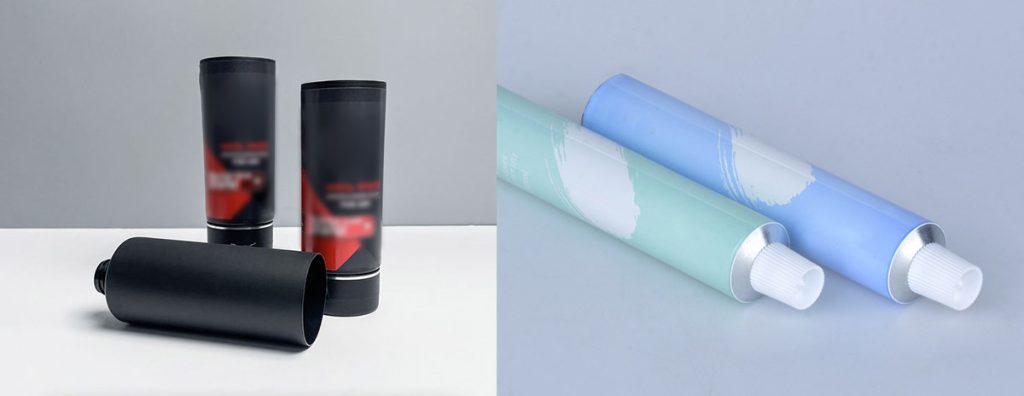
Tube manufacturing in ABL and PBL differ in barrier strength, recyclability, and cost. Selecting the right tube and machine depends on material compatibility, production capacity, and customization options, as shown below:
| Factor | Explanation |
|---|---|
| Material Compatibility | Machines must handle specific materials for quality and performance. |
| Production Capacity | Output should match demand and precision requirements. |
| Customization Options | Ability to modify tooling for unique projects. |
Companies benefit by consulting suppliers or industry experts, reviewing standards, and continuously refining their processes for optimal results.
FAQ
What Products Benefit Most from ABL Tubes?
Pharmaceuticals, toothpaste, and food products often require ABL tubes. These tubes provide strong protection against oxygen, moisture, and light. Manufacturers choose ABL tubes for items that need extended shelf life and high barrier performance.
Are PBL Tubes More Sustainable than ABL Tubes?
PBL tubes use only plastic layers, making them easier to recycle in many regions. Brands focused on sustainability often select PBL tubes. However, local recycling capabilities and regulations can affect the actual environmental impact.
Can One Machine Produce Both ABL and PBL Tubes?
Laminated tube making machine supports both ABL and PBL tube production. These machines allow manufacturers to switch between tube types with minimal downtime, increasing flexibility and efficiency.
How Do Barrier Properties Affect Product Shelf Life?
Barrier properties prevent oxygen, moisture, and light from reaching the product. Strong barriers, like those in ABL tubes, help maintain product quality and extend shelf life. PBL tubes also offer good protection, especially for less sensitive products.