



Efficient mold change techniques play a critical role in reducing downtime in lami tube manufacturing. Downtime leads to substantial losses in both productivity and revenue. In many plants, the mean time between failures reaches about 420 hours, while high-performing lines can operate for over 1,250 hours before issues arise. Each hour of downtime on a pharma-grade line can cost ₹1.2 lakh, and a four-hour breakdown may result in over ₹4.8 lakh in lost revenue. The lami tube making machine often requires frequent mold changes, which makes this process a major focus for operational improvement.
- Key statistics:
- Mean time between failures: 420 hours
- Validated operation: ≥ 1,250 hours
- Downtime cost per hour: ₹1.2 lakh
- Four-hour breakdown loss: over ₹4.8 lakh
Key Takeaways
- Efficient mold changes can significantly reduce downtime, leading to increased productivity and cost savings.
- Standardizing mold change procedures enhances training and minimizes errors, improving overall efficiency.
- Implementing quick mold change systems and automation can drastically cut mold change times and boost output.
- Regular predictive maintenance helps prevent unexpected breakdowns, ensuring smoother operations and consistent quality.
- Investing in training and preparation for mold changes empowers teams to work more effectively and safely.
Reducing Downtime in Lami Tube Manufacturing
Impact on Production and Costs
Reducing downtime in lami tube manufacturing leads to significant improvements in both production output and cost savings. When the laminated tube making machine operates without frequent interruptions, factories can produce more laminated tubes in less time. This efficiency means that companies can meet customer demands quickly and avoid delays in delivery.
The relationship between downtime reduction and cost savings appears clearly in several areas. The following table shows how different aspects of the process contribute to lower costs:
| Aspect | Impact on Cost Savings |
|---|---|
| Lower raw material usage | Reduces costs associated with materials and waste |
| Fewer rejected products | Increases output, minimizing overproduction costs |
| Energy efficiency | Lowers energy costs by reducing idle time |
| Labor efficiency | Frees up labor for more valuable tasks, reducing labor costs |
Factories that focus on reducing downtime also see fewer rejected laminated tubes. This improvement results from a more stable molding process and fewer errors during the mold changing process. As a result, companies spend less on raw materials and energy, and workers can focus on higher-value tasks.
Key Benefits of Efficient Mold Changes
Efficient mold changes offer several advantages for lami tube manufacturing. Quick mold or die changes reduce downtime and keep the lami tube making machine running smoothly. The use of hydraulic clamps and standardized connectors allows workers to complete the mold changing process faster and with fewer mistakes.
The table below highlights the main benefits of efficient mold changes:
| Benefit Description | Explanation |
|---|---|
| Quick mold/die change reduces downtime | Implementing quick mold change methods, such as hydraulic clamps, significantly cuts down the time needed for mold changes. |
| Standardized operations enhance training and efficiency | Standardizing procedures allows for easier training of new employees and reduces the risk of skill loss among experienced workers. |
| Automation potential through robots or mold changing carts | Once procedures are standardized, automation can be introduced, further increasing efficiency in mold changes. |
Robotic systems for mold changes ensure that each component is positioned consistently. This consistency minimizes errors that can occur with manual handling. In lami tube manufacturing, consistent mold positioning directly improves the quality of each laminated tube produced. Efficient mold changes also support a safer work environment by reducing the need for heavy manual lifting and repetitive tasks.
Understanding Molding Machine Downtime
Common Causes in Lami Tube Manufacturing
Molding machine downtime often disrupts the production process in lami tube manufacturing. Operators see several recurring issues that lead to these interruptions. The lami tube making machine can experience wear on its moving parts, especially when running for long periods. Machinery wear stands out as a leading cause, as components degrade and require replacement. Improper screw design sometimes creates pressure differences inside the molding machine, which increases the risk of breakdowns. Incorrect barrel alignment also contributes to inefficiency and can shorten the lifespan of the equipment.
Abrasive fillers, used in some laminated tube formulations, speed up the wear on machine parts. Bridging, or the clumping of feed material, blocks the feed throat and forces operators to stop the process to clear the obstruction. The table below summarizes these common causes:
| Cause of Downtime | Explanation |
|---|---|
| Machinery Wear | Predictive maintenance helps monitor wear and prevent failures. |
| Improper Screw Design | Incorrect design leads to pressure issues and more downtime. |
| Incorrect Barrel Alignment | Misalignment causes inefficiency and extra wear. |
| Abrasive Fillers | These materials increase wear on machine components. |
| Bridging | Clumping blocks the feed throat and stops production. |
Operators must address these problems quickly to keep the molding process running smoothly. Regular checks and predictive maintenance reduce the risk of unexpected downtime.
Effects on Delivery and Customer Satisfaction
Molding machine downtime affects more than just the factory floor. When a mold change takes too long or a breakdown occurs, the production of laminated tubes slows down. Delays in the process can lead to missed delivery deadlines. Customers expect reliable shipments, especially in industries like pharmaceuticals and cosmetics.
Late deliveries damage a company’s reputation. Clients may choose other suppliers if they experience repeated delays. Consistent molding machine downtime also increases costs, which can force manufacturers to raise prices or accept lower profits. By reducing downtime and improving mold change efficiency, companies can meet customer expectations and maintain strong business relationships.
Tip: Tracking downtime events and their causes helps managers find patterns and prevent future issues.
Molding Process Challenges
Frequency of Mold Changes
Lami tube manufacturing requires frequent mold changes to meet different product specifications. Each laminated tube may need a unique shape or size, so operators must switch molds often. The lami tube making machine must handle these changes quickly to keep up with production schedules. High demand for custom packaging increases the number of mold change operations in a typical workday. Operators must follow a precise process to avoid errors during each mold change. If they skip steps or rush, the risk of defects in the laminated tube rises. Predictive maintenance helps reduce unexpected downtime by identifying wear before it causes a breakdown. This approach keeps the molding process stable and supports consistent quality.
Bottlenecks in Mold Change Operations
Several bottlenecks can slow down the mold changing process. Manual handling of heavy molds takes time and increases the chance of injury. Workers may struggle with aligning the mold correctly, which leads to delays. Outdated equipment can make the mold change operations even slower. Lack of standardized tools or connectors forces operators to spend extra time searching for the right parts. Training gaps also create problems, as new workers may not know how to simplify mold change operations. The following list highlights common bottlenecks:
- Manual lifting and positioning of molds
- Non-standardized connectors and tools
- Insufficient training for operators
- Delays in the mold change process due to equipment issues
Note: Regular reviews of mold change operations can reveal hidden inefficiencies. Teams should document each step and look for ways to improve the process.
When companies address these bottlenecks, they can reduce downtime and improve the overall efficiency of the molding process. A focus on continuous improvement ensures that each mold change supports high-quality laminated tube production.
Strategies for Efficient Mold Changes
Quick Mold Change Systems
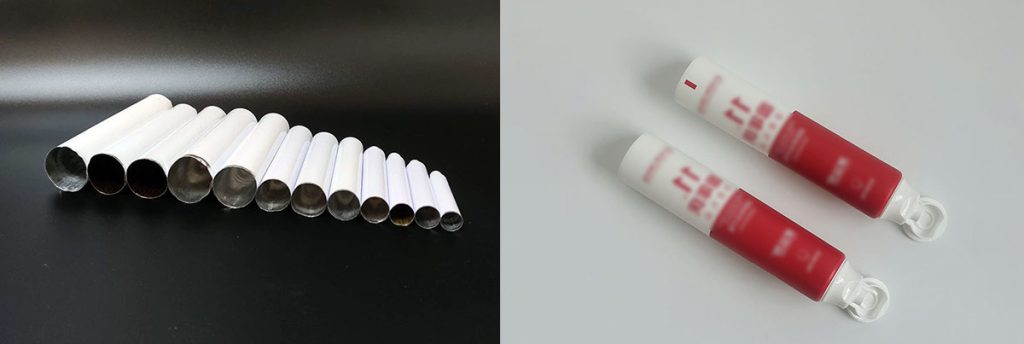
Quick mold change systems play a vital role in modern lami tube manufacturing. These systems allow operators to switch molds on the lami tube making machine in a fraction of the time required by traditional methods. Companies that implement a quick mold change system can reduce downtime and increase production output. Operators use features like sliding rails, pre-aligned guides, and quick-release mechanisms to streamline the mold changing process.
Tip: Plan each mold change in advance. Prepare all necessary tools and molds before stopping the machine. This planning step ensures a smooth transition and minimizes idle time.
A quick die change system also supports fully automated mold changing. Automation reduces manual labor and the risk of errors. When operators combine quick mold change systems with automation, they achieve higher efficiency and consistent quality for every laminated tube.
Fast Clamping and Standardized Connectors
Fast clamping and standardized connectors further speed up the mold changing process. Magnetized platens secure molds quickly, eliminating the need for traditional fasteners. Advanced methods, such as quick couplers and robotics, decrease mold changeover time even more. These improvements allow the lami tube making machine to return to production faster.
The following benefits result from using fast clamping and standardized connectors:
- Magnetized platens reduce the time spent on traditional fasteners.
- Quick couplers and robotics decrease mold changeover time.
- Reduced changeover time leads to improved productivity and increased profits.
- Faster changeovers allow resources to be deployed to other tasks more quickly.
- Lower costs are achieved as time saved translates to higher production uptime.
- Magnetic clamping systems reduce mold change times significantly, often by hours.
- They eliminate the need for press downtime due to mold heating or cooling.
- The process of changing molds can be completed in minutes, even with hot molds.
- Standardizing the changeover process improves safety by reducing the handling of heavy tooling.
- Enhanced part quality is achieved through uniform clamping across the entire mold surface.
Standardized connectors also support fully automated mold changing. Uniform connections make it easier to automate the process and ensure consistent results for every laminated tube.
Preparation and Setup Improvements
Preparation and setup improvements form the foundation of efficient mold changes. Operators should organize all tools, molds, and materials before starting the mold changing process. A well-organized workspace reduces confusion and prevents delays. Planning each step in advance helps teams avoid mistakes and ensures that the lami tube making machine returns to operation quickly.
A simple checklist for preparation and setup might include:
- Verify the next mold is clean and ready for installation.
- Gather all required tools and connectors.
- Review the mold change sequence with the team.
- Confirm that safety equipment is available and in use.
- Prepare the workspace by removing unnecessary items.
Note: Regularly update the checklist based on feedback from operators. Continuous improvement leads to better results over time.
Predictive Maintenance for Molding Machines
Predictive maintenance helps companies avoid unexpected breakdowns during the mold changing process. Technology upgrades, such as software that predicts when to replace screws, keep the lami tube making machine in top condition. Operators should conduct maintenance according to the manufacturer’s suggested schedule and integrate high-tech predictive maintenance tools.
Scheduled maintenance, combined with predictive maintenance, ensures that the molding process remains stable. This approach supports optimization and reduces the risk of unplanned downtime. Teams that use predictive maintenance can plan mold changes around maintenance windows, further improving efficiency.
Specialized Equipment for Rapid Changes
Specialized equipment enables rapid mold changes in lami tube manufacturing. The following table highlights common equipment and their benefits:
| Equipment Type | Description |
|---|---|
| MUD Quick-Change Systems | Optimizes performance and lowers operational costs with tailored setups for fast turnaround. |
| MUD Quick-Change Mold Base Adapter | Converts traditional mold bases into quick-change setups, enhancing efficiency without full replacement. |
| MUD Waterline Purge System | A mechanical system for flushing waterlines, requiring minimal maintenance and integrated into machines. |
| MUD Injection Mold Building | Uses a standardized frame with interchangeable inserts to reduce costs and lead times for various productions. |
Operators who use specialized equipment can complete mold changes faster and with fewer errors. These tools support both manual and automated processes, making them suitable for any lami tube making machine.
Training for Mold Change Efficiency
Training ensures that every operator understands the correct steps for efficient mold changes. Well-trained teams follow standardized procedures, which reduces mistakes and improves safety. Training programs should include hands-on practice with quick mold change systems, fast clamping devices, and specialized equipment.
A sample training checklist includes:
- Review the mold change sequence and safety protocols.
- Practice using quick mold change and fast clamping systems.
- Learn how to identify and resolve common issues during the process.
- Understand the importance of planning and preparation.
- Participate in regular refresher courses to maintain skills.
Callout: Continuous training keeps teams up to date with the latest technology and best practices. This investment leads to higher efficiency and better product quality.
By focusing on these strategies, companies can reduce downtime, improve the efficiency of the mold changing process, and deliver high-quality laminated tubes to their customers.
Real-World Applications in Lami Tube Manufacturing
Case Example: Downtime Reduction Success
A leading packaging company in India decided to upgrade its lami tube making machine to address frequent downtime during the mold change process. The company produced a wide range of laminated tube sizes for cosmetic and pharmaceutical clients. Before the upgrade, each mold change took over 90 minutes, which caused delays and increased costs. The company introduced quick-change systems, standardized connectors, and a predictive maintenance schedule.
After these improvements, the average mold change time dropped to just 25 minutes. Operators followed a clear process for each change, and the team used a checklist to prepare tools and molds in advance. The company also trained staff to handle the new equipment and procedures. As a result, the plant increased its molding output by 18% and reduced rejected laminated tube products by 12%. Customers noticed faster deliveries and higher quality.
Tip: Companies that invest in both technology and training see the best results in reducing downtime.
Mold Change Efficiency Checklist
A practical checklist helps teams assess and improve their mold change process. The following list covers essential steps for any lami tube making machine operation:
- Confirm the next mold is clean and ready.
- Gather all tools and connectors before starting.
- Review the mold change sequence with the team.
- Check that safety equipment is in place.
- Inspect the lami tube making machine for any issues.
- Follow predictive maintenance guidelines.
- Record the time taken for each mold change.
- Review the process after completion and note improvements.
| Step | Purpose |
|---|---|
| Prepare molds and tools | Prevents delays and confusion |
| Review safety protocols | Ensures operator safety |
| Track mold change duration | Identifies areas for further improvement |
Teams that use this checklist can streamline the mold change process and maintain high standards for every laminated tube produced.
Conclusion
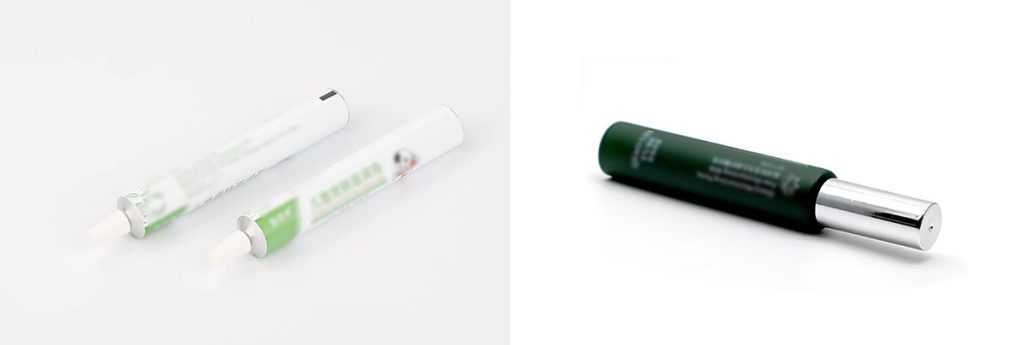
Manufacturers can reduce downtime in lami tube making machine by focusing on these main strategies:
- Perfect pre-work planning for every mold change.
- Standardize and simplify mold change operations.
- Use quick mold change systems for faster results.
- Train personnel to follow mold change procedures.
- Move toward automation for future mold changes.
Efficient mold change techniques improve productivity, lower costs, and boost customer satisfaction. The table below shows how advanced mold solutions support laminated tube quality and cost savings:
| Technique | Benefit |
|---|---|
| Advanced Cooling Channels | Reduces cycle time and improves consistency |
| Customized Gating Systems | Minimizes defects in each laminated tube |
| High-Quality Materials | Lowers defect rates and increases durability |
| Tailored Ejection Systems | Prevents damage during mold removal |
Manufacturers should review their current mold change process and seek new ways to improve. Continuous improvement ensures the best results for every production run.
FAQ
What Is the Main Purpose of a Mold in Lami Tube Manufacturing?
A mold shapes the laminated tube during production. The lami tube making machine uses the mold to form each tube with precise dimensions. This process ensures that every laminated tube meets quality standards and customer requirements.
How Often Should Operators Change the Mold?
Operators should change the mold whenever the production line switches to a different size or design of laminated tube. Frequent changes help the lami tube making machine produce a wide range of products for various industries.
What Are the Signs That a Mold Needs Maintenance?
Visible wear, uneven tube shapes, or increased defects signal that the mold requires maintenance. Regular checks help operators keep the lami tube making machine running smoothly and prevent costly downtime.
How Does Efficient Mold Change Improve Production?
Efficient mold change reduces downtime and increases the output of laminated tube products. The lami tube making machine returns to operation faster, which helps companies meet delivery deadlines and maintain high product quality.
Can Automation Help with Mold Changes?
Automation can speed up mold changes and reduce errors. Automated systems on a lami tube making machine handle heavy molds safely and consistently. This technology supports higher efficiency and better quality for every laminated tube.