


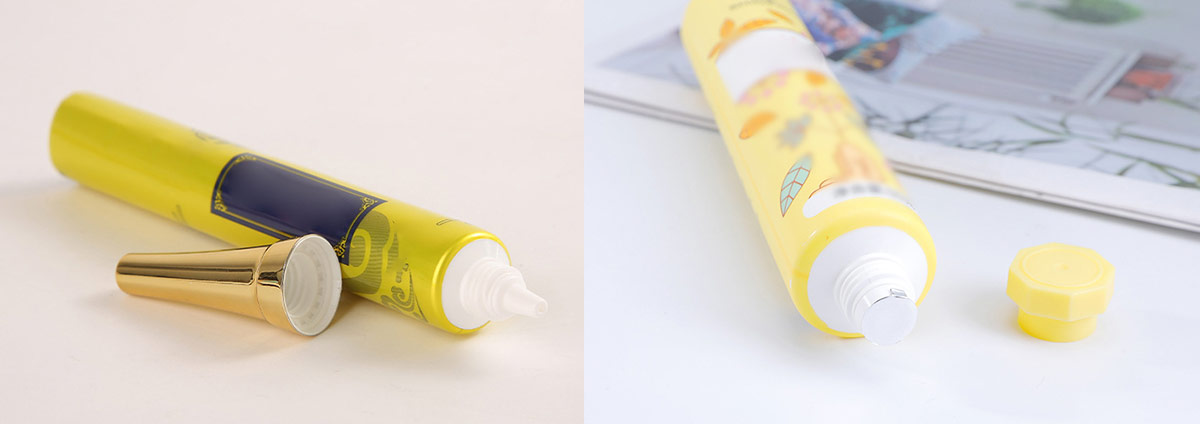
Shoulder defects in lami tube manufacturing threaten product integrity and customer trust. The shoulder functions as the cap attachment point, making its condition vital in seamless tube manufacturing. Defect behavior such as leakage and misshaped shoulders can cause product failure. Early detection remains essential for quality control and defect recognition. Operators use early detection to analyze issues, preventing defects and promoting seamless production. Early detection, combined with manufacturing analysis, supports continuous improvement.
Early detection increases reliability and reduces the risk of costly recalls.
Key Takeaways
- Shoulder defects can lead to product failure and customer complaints. Early detection is crucial for maintaining quality.
- Common shoulder defects include lamination separation, leakage, and surface marks. Regular inspections help catch these issues early.
- Proper machine calibration and mold maintenance reduce the risk of defects. Consistent monitoring ensures high production quality.
- Defects can increase costs and waste. Early detection and process control help minimize these impacts.
- Continuous improvement practices like Six Sigma can enhance quality and reduce defect rates in lami tube manufacturing.
Shoulder Defects Overview
Definition in Lami Tube Manufacturing
Shoulder defects in lami tube manufacturing refer to any irregularities or faults that occur in the shoulder area of the tube during production. The shoulder connects the body of the tube to the cap, forming a critical transition zone. Defects in this area can include lamination separation, surface marks, wrinkling, or incomplete shaping. These issues often result from problems in the lamination process, improper machine settings, or raw material inconsistencies. Quality audits frequently highlight leakage from shoulders as a commonly reported defect.
- Common types of shoulder defects include:
- Lamination separation or delamination
- Surface marks or discoloration
- Wrinkling and creasing
- Incomplete or misshaped shoulders
- Leakage from shoulders
Lamination defects can compromise the tube’s ability to protect its contents. Production teams must monitor these issues closely to maintain high quality standards. Regular analysis of defects helps identify root causes and supports continuous improvement in manufacturing.
Why the Shoulder Matters?
The shoulder plays a vital role in lami tube manufacturing. It ensures a proper seal when the tube is closed, which is essential for maintaining structural integrity. The cap attaches directly to the shoulder, so any defect in this area can lead to leakage or product failure. Lamination quality in the shoulder area determines whether the tube can withstand pressure during use and transport.
Production teams focus on the shoulder because it affects both the function and appearance of the final product. A seamless transition from the body to the shoulder improves customer satisfaction and reduces the risk of returns. Lamination defects in the shoulder can increase waste and production costs. Quality control measures target this area to prevent defects from reaching the market.
Tip: Regular inspection of the shoulder during production helps catch lamination defects early and ensures consistent quality.
Types of Shoulder Defects
Leakage Issues
Leakage issues represent one of the most critical defects in the shoulder area of a laminated tube. When the seal between the shoulder and the tube body fails, the contents can escape, leading to product spoilage and customer complaints. Industry experts identify several main causes of leakage in lami tube manufacturing:
- Wrong sized button
- Improperly inflated balloon
- Stretched-out tube
- Dysmotility
Operators often notice leakage during quality checks. The lami tube making machine must maintain precise control over the shoulder formation process to prevent these defects. Leakage not only affects product integrity but also increases waste and costs. Early detection of leakage issues helps manufacturers address problems before tubes reach the market.
Tip: Regular calibration of the laminated tube making machine reduces the risk of leakage and improves overall surface quality.
Lamination Defect
A lamination defect occurs when the layers in a laminated tube fail to bond correctly, especially in the shoulder area. This defect can result from improper temperature settings, uneven pressure, or contamination during production. Lamination defects compromise the barrier properties of the tube, making it vulnerable to moisture and oxygen ingress. The lami tube making machine must apply consistent heat and pressure to achieve proper lamination.
Manufacturers monitor lamination defects closely because they can lead to shrinkage cavity formation and reduce surface quality. When lamination fails, the tube may develop weak spots that split under pressure. Production teams use advanced inspection systems to detect lamination defects early and maintain high standards.
Note: Lamination defects often appear as visible lines or bubbles on the shoulder, signaling poor surface quality.
Wrinkling and Creasing
Wrinkling and creasing are common defects in the shoulder area of laminated tubes. These defects arise when mechanical mismatch or strain affects the substrate during production. Several process factors contribute to wrinkle formation:
- Mechanical mismatch due to applied strain on the substrate can lead to wrinkle formation. This occurs when the substrate is prestretched before the deposition of the top-layer film, causing wrinkles upon strain release.
- The mismatch of thermal expansion coefficients between 2D materials and metal substrates during cooling can cause unsynchronized deformation, contributing to wrinkles.
- In the wet transfer process, trapped droplets at the membrane-substrate interface can lead to wrinkles after evaporation due to the minimization of elastic energy.
Wrinkles and creases can lead to uneven pressure distribution during the lamination process, which may compromise the integrity of the seal in lami tubes. Proper alignment and maintenance of laminators are essential to minimize these defects and ensure effective sealing. A properly aligned and maintained hot roll laminator is crucial for achieving wrinkle-free lamination. If the laminator is not adequately aligned, it can lead to wrinkling problems that ultimately affect the sealing performance of lami tubes.
Shrinkage cavity formation often accompanies wrinkling, further reducing surface quality. Operators must adjust process parameters to prevent these defects and maintain the appearance of the tube.
Discoloration and Surface Marks
Discoloration and surface marks affect the visual appeal and surface quality of laminated tubes. These defects can result from contamination, improper curing, or uneven heating during shoulder formation. Surface defects such as marks, streaks, or spots may indicate underlying lamination problems or issues with the lami tube making machine.
Customers expect a flawless finish on their products. Discoloration and surface defects can lead to brand reputation damage and increased returns. Manufacturers use automated inspection systems to detect surface defects early and maintain consistent quality.
Alert: Surface defects often signal deeper lamination issues or shrinkage cavity formation in the shoulder area.
Incomplete or Misshaped Shoulders
Incomplete or misshaped shoulders occur when the lami tube making machine fails to form the shoulder correctly. This defect can result from incorrect mold alignment, insufficient material, or process interruptions. Misshaped shoulders compromise the tube’s ability to seal properly and may lead to leakage or shrinkage cavity formation.
Operators monitor shoulder formation closely to prevent these defects. Incomplete shoulders often appear uneven or asymmetrical, affecting both function and surface quality. Production teams adjust machine settings and molds to ensure consistent shoulder formation.
Tip: Regular mold maintenance and process audits help reduce the risk of incomplete or misshaped shoulders in laminated tube production.
Heading Defects

Heading defects encompass a range of problems that occur during the attachment of the shoulder to the tube body. These defects can include surface defects, laminated print defects, and barrier layer issues. The table below summarizes typical heading defects and their root causes:
| Defect Type | Description | Root Causes |
|---|---|---|
| Surface Defects | Bubbling, Wrinkling, Adhesion | Dust and debris, uneven pressure, misalignment, trapped air, wrong tools |
| Laminated Print Defects | Ghosting, Spots, Streaks | Improper adhesive application, inadequate surface cleaning, incorrect temperature or pressure settings |
| Barrier Layer Issues | Compromise in protection against oxygen and moisture | Failure of the aluminum barrier, leading to spoilage and contamination |
Heading defects often result in shrinkage cavity formation and poor surface quality. These defects can reduce the protective properties of the laminated tube and lead to product failure. Operators must address heading defects promptly to maintain product integrity and customer satisfaction.
Note: Consistent monitoring of heading defects ensures high surface quality and reduces waste in lami tube manufacturing.
Causes of Defects in Lami Tube Production
Lami Tube Making Machine Malfunctions
Defects often arise in lami tube production due to malfunctions in the lami tube making machine. When the machine operates outside optimal parameters, heading defects such as incomplete shoulders and poor lamination can occur. Faulty temperature control, misaligned components, or worn-out parts disrupt the production process. Operators must perform regular inspection and maintenance to ensure consistent quality. Machine calibration supports process control and reduces the risk of defects in laminated tube manufacturing.
Tip: Scheduled inspection and preventive maintenance of the lami tube making machine help maintain high quality and minimize heading defects.
Mold and Shoulder Mold Issues
Mold and shoulder mold problems contribute significantly to defects in lami tube production. Incorrect mold alignment or damaged molds can cause misshaped shoulders and lamination failures. These issues often result in heading defects that compromise the tube’s ability to seal. Production teams rely on precise mold design and frequent inspection to maintain process control. Proper mold care ensures consistent lamination and reduces the occurrence of defects.
Raw Material Problems
Quality raw materials play a crucial role in lami tube manufacturing. Impurities, inconsistent thickness, or poor bonding properties in raw materials lead to lamination defects and heading defects. Process engineers identify casting, hot rolling, and cooling as critical stages where defects may originate. The table below summarizes common causes:
| Cause | Description |
|---|---|
| Casting | Inadequate deoxidation or improper pouring temperature can lead to impurity segregation and inclusion formation along grain boundaries. |
| Hot Rolling and Forging | Uneven deformation, improper temperature control, or insufficient homogenization promote microstructural banding and layer formation. |
| Cooling and Heat Treatment | Rapid cooling or uneven temperature distribution can cause microstructural segregation and residual stresses, fostering lamination. |
Consistent inspection and analysis of raw materials support process control and help prevent defects in the production process.
Process Parameter Variations
Variations in process parameters such as temperature, pressure, and speed often result in defects during lami tube production. Incorrect settings can cause lamination failures, heading defects, and poor surface quality. Operators must monitor and adjust process parameters to maintain control and ensure quality. Automated inspection systems help detect deviations early, allowing for corrective action before defects impact production.
Operator and Environmental Factors
Operator skill and environmental conditions influence defect rates in lami tube production. Inadequate training or lack of attention can lead to improper process control and increased heading defects. Environmental factors such as humidity, dust, and temperature fluctuations affect lamination and overall quality. Regular training, strict inspection routines, and controlled environments support defect prevention and maintain high standards in laminated tube manufacturing.
Note: Continuous analysis and process control help reduce the impact of operator and environmental factors on heading defects.
Impact on Quality and Performance
Product Integrity
Shoulder defects in lami tube production directly affect product integrity. The lamination process must create a strong barrier to protect the contents. When defects appear, the tube may leak or lose its protective qualities. Inspection teams often find that poor lamination leads to weak seals. Operators use regular inspection and process control to maintain high production quality. A single defect can cause contamination or spoilage. Production teams rely on analysis to identify the root causes of defects and improve the process.
Note: Inspection at every stage of lami tube manufacturing helps prevent defects and ensures product safety.
Brand and Aesthetic Concerns
Defects in the shoulder area can damage a brand’s reputation. Customers expect lami tube production to deliver products with flawless appearance. Discoloration, surface marks, and misshaped shoulders reduce the visual appeal. Lamination defects often result in uneven surfaces or visible lines. Inspection systems detect these issues before products reach the market. Companies use strict process control to maintain consistent production quality. Aesthetic defects can lead to customer complaints and loss of trust.
- Common aesthetic concerns include:
- Surface marks from poor lamination
- Uneven shoulder formation
- Discoloration due to process errors
Cost and Waste
Defects in lami tube production increase costs and waste. When inspection reveals defects, manufacturers must discard or rework affected tubes. Lamination failures often require additional production steps. Process control helps reduce waste by catching defects early. Production quality improves when teams use analysis to optimize the process. Frequent defects lead to higher material costs and lower efficiency. Companies invest in advanced inspection systems to minimize waste and maintain profitability.
| Impact Area | Description | Solution |
|---|---|---|
| Material Waste | Defective tubes must be discarded | Early inspection and control |
| Rework Costs | Additional production steps increase expense | Process optimization |
| Efficiency Loss | Frequent defects slow production | Improved lamination and analysis |
Tip: Continuous inspection and process control help reduce costs and support sustainable lami tube manufacturing.
Conclusion

Lami tube manufacturing demands careful inspection and analysis to address heading defects and maintain product quality. Teams rely on advanced systems for detecting defects. The table below shows the effectiveness of different inspection methods:
| Quality Control Measure | Effectiveness in Detecting Defects | Notes |
|---|---|---|
| Laser-based triangulation system | High | Detects mismatch defects immediately after welding, allowing for timely corrective actions. |
| NDT systems | Moderate | Typically used as a final check, less effective for immediate detection compared to laser. |
| Eddy Current Testing | Low | Often misses mismatch profile defects that laser systems can detect. |
| Ultrasonic Testing | Low | Similar limitations as Eddy Current Testing in detecting specific defects. |
Continuous improvement practices help teams in preventing defects and reducing heading defects. Six Sigma and FMEA encourage regular inspection, machine maintenance, and adherence to SOPs. Companies use analysis to identify root causes and improve inspection routines. Teams at PT Lamipak Primula Indonesia and PT XYZ reduced defect rates by focusing on machine conditions and process optimization.
- Six Sigma and FMEA highlight machine conditions as a major source of heading defects.
- Regular inspection and process analysis lower defect rates and improve product quality.
Teams achieve better results by combining advanced inspection systems with continuous improvement strategies.
FAQ
What Are the Most Common Shoulder Defects in Lami Tube Manufacturing?
Operators often find lamination separation, leakage, wrinkling, and misshaped shoulders. These defects affect both the tube’s function and appearance. Regular inspection helps teams identify these problems early.
How Can Manufacturers Prevent Leakage Issues in the Shoulder Area?
Manufacturers use machine calibration and mold maintenance to prevent leakage. They monitor process parameters and inspect the shoulder during production. Early detection reduces waste and improves product reliability.
Why Does Discoloration Occur on the Shoulder of Lami Tubes?
Discoloration usually results from contamination, uneven heating, or improper curing. Teams maintain clean environments and control temperature settings to avoid surface marks. Automated inspection systems help detect discoloration quickly.
Which Inspection Methods Work Best for Detecting Shoulder Defects?
Laser-based triangulation systems detect mismatch defects immediately after welding. Non-destructive testing (NDT) systems provide moderate effectiveness. Eddy current and ultrasonic testing often miss specific shoulder defects.
| Inspection Method | Effectiveness |
|---|---|
| Laser-based triangulation | High |
| NDT systems | Moderate |
| Eddy current testing | Low |
| Ultrasonic testing | Low |
What Continuous Improvement Practices Help Reduce Defects?
Teams use Six Sigma and FMEA to analyze root causes and optimize processes. Regular machine maintenance and process audits support defect prevention. Continuous improvement ensures high-quality lami tube production.
Tip: Frequent training and process reviews help operators maintain consistent quality.