


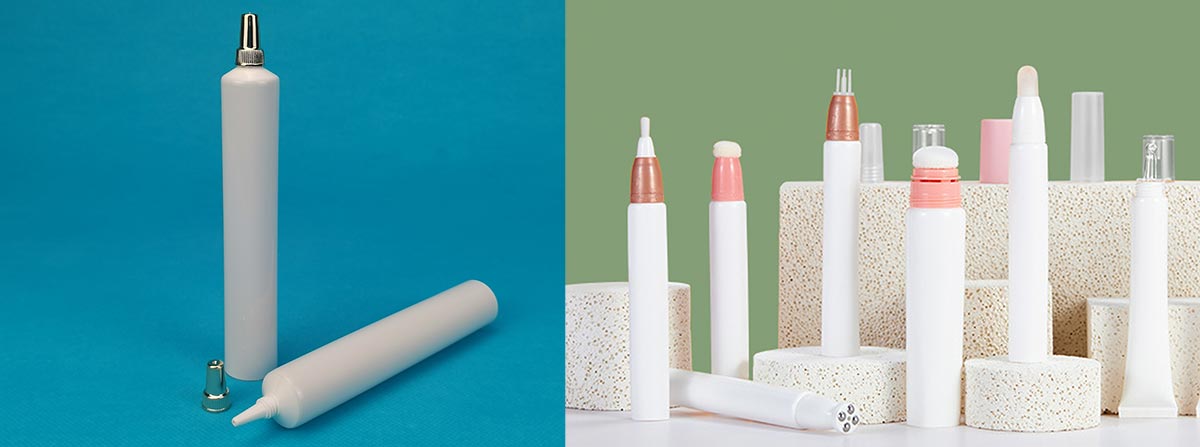
Children face real dangers from accidental medicine ingestion, often caused by easy access to unsecured tubes. Recent data highlights the scale of the problem:
| Substance Category | No. Cases | % |
|---|---|---|
| Cleaning Substances (Household) | 87,031 | 10.1 |
| Analgesics | 78,993 | 9.1 |
| Cosmetics/Personal Care Products | 78,721 | 9.1 |
| Foreign Bodies/Toys/Miscellaneous | 69,513 | 8.0 |
| Dietary Supplements/Herbals/Homeopathic | 59,575 | 6.9 |
| Antihistamines | 40,924 | 4.7 |
| Vitamins | 40,343 | 4.7 |
| Topical Preparations | 33,739 | 3.9 |
| Pesticides | 29,541 | 3.4 |
| Plants | 28,770 | 3.3 |
Child-resistant caps act as a critical barrier, and studies show they can reduce child mortality from unintentional ingestion by nearly half. Families rely on these caps for daily protection. Manufacturers use lami tube making machine to produce medicine tubes with secure closures, supporting both safety and regulatory responsibility. The rapid growth in the child-resistant packaging market reflects a global commitment to preventing tragedies and ensuring safer homes.
Key Takeaways
- Child-resistant caps significantly reduce the risk of accidental medicine ingestion among children, protecting families from potential harm.
- Proper storage of medicines in their original containers with safety caps securely fastened is crucial for preventing accidental poisonings.
- Manufacturers must comply with strict regulations to ensure child-resistant packaging is effective, balancing safety for children and usability for adults.
- Investing in child-resistant packaging enhances brand reputation and builds consumer trust, leading to increased loyalty and sales.
- Continuous innovation in packaging technology, such as smart features and eco-friendly materials, supports safety and sustainability in the pharmaceutical industry.
Child-Resistant Caps in Pharmaceutical Safety
Preventing Accidental Ingestion
Child-resistant packaging stands as a cornerstone of product safety in the pharmaceutical industry. Over the past five decades, researchers have shown that child-resistant packaging significantly reduces the risk of accidental ingestion prevention among children. Each year, nearly 60,000 children under five accidentally ingest medications, which highlights the ongoing need for effective safety caps and packaging solutions. The Poison Prevention Packaging Act (PPPA) set important safety criteria for pharmaceutical packaging, aiming to reduce these incidents.
- Over 50 years of research supports the effectiveness of child-resistant packaging in accidental ingestion prevention.
- The annual number of childhood poison exposures reported to poison centers in the United States dropped by 24.39% from 2009 to 2019.
- This reduction represents a 22.86% decrease per 100,000 children aged 0–19 years.
- For children aged 0–5 years, the average annual percentage change was −3.03%, showing a consistent decline in accidental ingestions.
- Child-resistant packaging has contributed to lower child mortality rates.
Child-resistant closures, such as safety caps and child-proof caps, use mechanisms that make it difficult for young children to open medicine tubes. These closures require actions like pressing down and twisting, which most children cannot perform. However, they are not foolproof. In 2020, over 1.3 million cases of poisoning exposure among children under six were reported, which shows the need for continuous improvement in safety measures and packaging solutions.
Laminated tube making machine plays a vital role in producing secure pharmaceutical tubes. These machines manufacture laminated tubes with advanced child-resistant closures, meeting strict safety criteria and supporting product safety. Pharmaceutical companies rely on these machines to ensure that every medicine tube meets industry standards for child safety rules.
Safeguarding Families
Child-resistant packaging protects families by reducing the risk of accidental ingestions at home. Real-world incidents show the importance of proper packaging solutions and consumer education. A study found that over half of child poisonings involved children accessing medications after adults removed them from child-resistant packaging. This finding emphasizes the need for families to keep medicines in their original containers with safety caps securely fastened.
In a recent case, a two-year-old boy named Isaac opened a child-resistant medication bottle within moments, leading to a medical emergency. This incident demonstrates that while child-resistant packaging provides an essential layer of protection, it also requires responsible handling by adults. Another tragic event from a century ago involved a child named Patricia, who ingested strychnine after her mother placed the pills back in the medicine cabinet without proper safety measures. Before the invention of child-resistant caps, unintentional poisoning was the leading cause of injury for children under five, with around 500 deaths reported annually in the United States.
Today, a child in the United States visits the emergency room for accidental medicine-related poisoning every nine minutes. These statistics highlight the ongoing need for robust product safety and effective packaging solutions. Pharmaceutical manufacturers must prioritize child-resistant packaging and safety caps to protect families and maintain compliance with safety criteria.
Lami tube making machines and laminated tubes have become essential in the production of secure pharmaceutical packaging. These technologies help companies meet industry standards for product safety and accidental ingestion prevention. By investing in advanced packaging solutions, manufacturers demonstrate their commitment to child safety rules and the well-being of families.
Note: Child-resistant packaging, safety caps, and proper consumer education work together to reduce the risk of accidental ingestions. Families should always store medicines in their original containers and keep them out of reach of children.
How Does Child-Resistant Packaging Work?
Mechanisms and Designs
Manufacturers use several mechanisms to make medicine tubes safer for families. These designs help prevent children from opening containers and accessing harmful substances. The most common mechanisms include:
- Push-and-turn caps: Users must press down and twist at the same time.
- Twist and push lids: These require twisting and pushing together, often seen on cleaning products.
- Squeeze-and-turn caps: Larger bottles use this design, which needs squeezing and turning.
- Breakable seals or rings: These show if someone has opened the package.
- Difficulty for small hands: All these mechanisms challenge children’s grip and coordination.
Other designs also appear in medicine packaging:
- Pull rings: Users remove the lid and peel back a protective layer.
- Squeeze-and-pull bottles: Pinching the sides while pulling the lid away.
- Push screw caps: Pushing down while twisting left.
- Flip-off caps with arrows: Aligning arrows and flipping up the cap.
Testing shows that child-resistant packaging works well for most families. The table below highlights how different age groups perform with these closures:
| Testing Group | Requirement | Percentage of Success |
|---|---|---|
| Children (42-51 months) | Must not open the package during 10 minutes | 80% |
| Adults (50-70 years) | Must open the package within 5 minutes | 90% |
Child-resistant packaging protects children but remains accessible for adults. Manufacturers must balance safety and usability.
Child-Resistant vs. Child-Proof

Many people confuse child-resistant packaging with child-proof packaging. The difference matters for safety and expectations.
- Child-resistant packaging reduces the chance that children can open medicine tubes. It does not guarantee complete prevention.
- Child-proof packaging suggests total safety, but no design can stop all determined children.
- Regulatory agencies report that child-resistant packaging lowers toxicant exposure and decreases child mortality rates.
- These closures are more challenging for children than regular caps, but adults can still open them when needed.
Families should understand that child-resistant packaging offers strong protection, but supervision and safe storage remain important.
Regulations for Child-Resistant Closures
CPSC and FDA Standards
The Poison Prevention Packaging Act sets the foundation for child-resistant packaging in the United States. This law requires that packaging for hazardous substances, including pharmaceuticals, must be difficult for children under five to open but accessible for adults. The Consumer Product Safety Commission (CPSC) enforces these rules and outlines specific regulatory requirements for primary pharmaceutical packaging. Manufacturers must consider the nature of the substance and follow industry standards to achieve child-resistant classification. The Food and Drug Administration (FDA) also plays a role in ensuring that pharmaceutical packaging meets safety expectations.
Many types of medicines require child-resistant closures. These include acetaminophen, aspirin, dietary supplements, diphenhydramine, fluoride, ibuprofen, imidazolines, lidocaine, methyl salicylate, mouthwash, naproxen, OTC switch medications, and prescription medications. The CPSC requires that 85% of children must fail to open the packaging within five minutes, and 80% after a demonstration. At least 90% of adults must succeed in opening the package within five minutes. The United States relies on a General Certificate of Conformity from manufacturers, while international standards, such as those from the International Organization for Standardization (ISO), require formal third-party certification.
| Aspect | United States (FDA) | International (ISO) |
|---|---|---|
| Regulatory Authority | Consumer Product Safety Commission (CPSC) | International Organization for Standardization (ISO) |
| Testing Requirements | 85% of children must fail to open within 5 minutes; 80% after 10 minutes; 90% of adults must succeed within 5 minutes. | 85% of children must fail during initial testing; 80% after demonstration; minimum of 30 children tested. |
| Certification Process | No formal third-party certification; manufacturers generate a General Certificate of Conformity (GCC). | Requires evaluation by recognized testing organizations for formal certification. |
Industry Compliance
Manufacturers in the pharmaceutical industry must meet strict regulations to ensure child-resistant closures are effective. Legal compliance protects both consumers and companies. The CPSC has reported a recent increase in recalls for products lacking required child-resistant packaging. In the last twelve months, six consumer-level recalls occurred, compared to only twenty-two recalls from 1992 to late 2017.
Manufacturers face several challenges:
- Designing closures that keep children safe while allowing adults to use them easily.
- Conducting routine tests with children to validate packaging effectiveness.
- Balancing safety with usability, often by adding easy-open tabs and clear instructions.
Real-world incidents show the importance of compliance. A popular cold and cough syrup faced a recall of 2.3 million units after children managed to open the caps. In another case, a children’s pain medication had a compliant container, but the dosage dropper was not child-resistant, creating risk for accidental ingestion.
Meeting regulatory requirements for child-resistant packaging helps protect families and strengthens trust in pharmaceuticals. Companies that prioritize compliance reduce the risk of recalls and support public health.
Benefits of Child-Resistant Packaging
Enhanced Safety
Child-resistant packaging delivers significant advantages for families and the pharmaceutical industry. These solutions help prevent accidental ingestion of harmful substances by children. Each year, thousands of children receive treatment for accidental ingestions, which highlights a major safety concern in households. Parents and caregivers gain peace of mind when they know that medicine tubes and bottles have secure closures.
- Child-resistant packaging reduces the risk of accidental poisoning in homes with young children.
- The demand for these closures continues to rise worldwide because they play a vital role in household safety.
- Accidental consumption of toxic drugs remains a leading cause of death among children, which shows the importance of secure packaging.
- Manufacturers design closures that are difficult for children to open, which increases protection in daily life.
Pharmaceutical companies use advanced technology to create packaging that meets strict safety standards. Enhanced safety features, such as push-and-turn caps, make it much harder for children to access dangerous substances. These features help lower the number of emergency visits and provide a safer environment for families.
Tip: Always store medicines in their original containers and keep them out of reach of children to maximize the benefits of child-resistant packaging.
Brand Reputation
Companies that invest in child-resistant packaging build stronger relationships with consumers. When families see that a brand prioritizes safety, they develop greater trust in its products. This trust can lead to increased sales and long-term loyalty.
- Child-resistant packaging is required by law, which helps pharmaceutical companies avoid legal issues and penalties.
- Brands that comply with safety standards often experience higher customer satisfaction and improved brand awareness.
- Companies that use secure packaging may see a reduction in liability costs related to poisoning incidents, which protects their financial interests.
A strong reputation for safety can set a brand apart in a competitive market. By focusing on both compliance and consumer trust, pharmaceutical companies demonstrate their commitment to public health and enhanced safety.
Conclusion
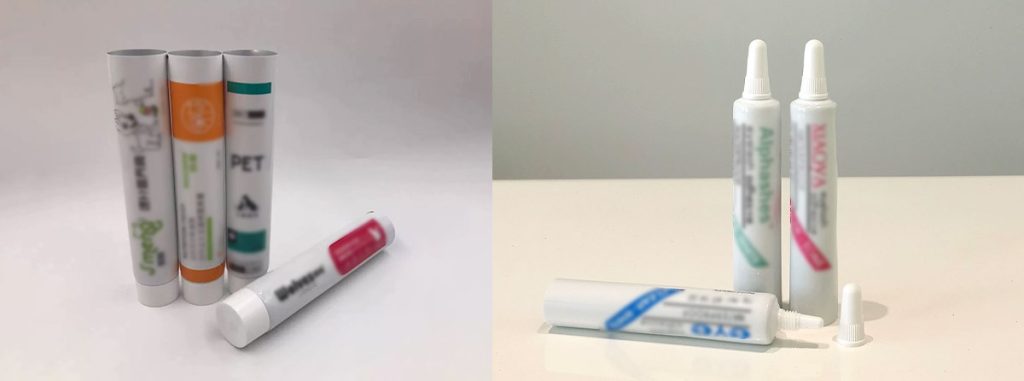
Child-resistant caps remain essential for protecting children and ensuring regulatory compliance in the pharmaceutical industry. Ongoing innovation in packaging safety, such as the use of lami tube making machines and laminated tubes, supports both effectiveness and sustainability. Recent advancements include smart technology integration, eco-friendly materials, and advanced printing options:
| Feature | Description |
|---|---|
| Smart Technology Integration | Real-time monitoring and data collection improve quality control. |
| Biodegradable and Recyclable Materials | Environmentally friendly laminated tubes enhance safety and sustainability. |
| Advanced Printing Technology | Custom designs increase consumer engagement and clarity. |
Manufacturers and families should prioritize child safety by following best practices and using secure medication packaging.
FAQ
What Makes a Child-Resistant Cap?
A child-resistant cap uses a special mechanism, such as push-and-turn or squeeze-and-turn. These designs require strength and coordination that most young children do not have. Adults can open them with ease.
Are Child-Resistant Caps Completely Child-Proof?
No cap is completely child-proof. Child-resistant caps lower the risk of accidental opening. Some children may still manage to open them. Supervision and safe storage remain important.
Why Do Manufacturers Use Lami Tube Making Machines?
Manufacturers use lami tube making machines to produce laminated tubes with secure closures. These machines help ensure consistent quality and meet safety standards for child-resistant packaging.
How Should Families Store Medicines with Child-Resistant Caps?
Families should always keep medicines in their original containers with the caps tightly closed. Store all medicines out of reach and sight of children. This practice adds another layer of safety.
What Should Someone Do If a Child Opens a Medicine Tube?
Call Poison Control or seek medical help right away. Keep the medicine tube and packaging for reference. Quick action can prevent serious harm.