


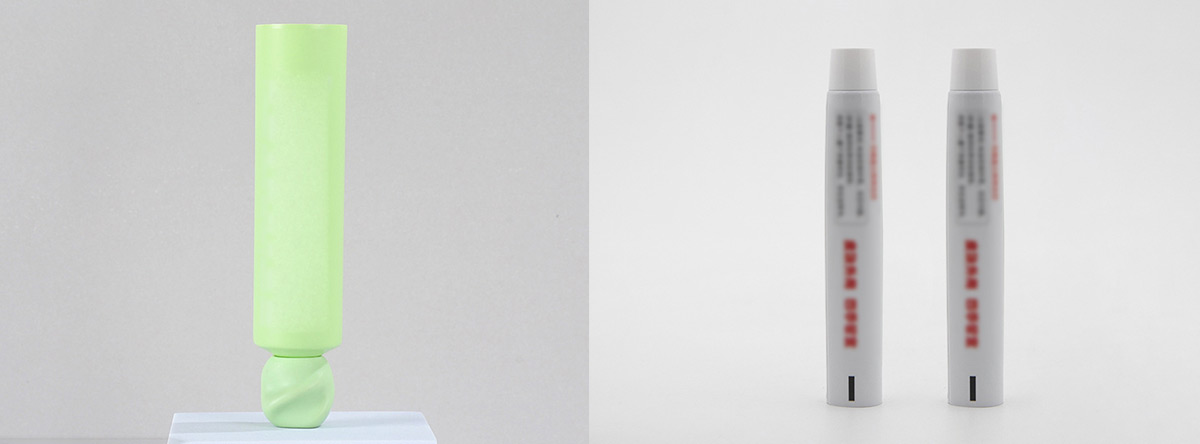
Manufacturers seek practical ways to enhance cutting accuracy and quality in lami tube manufacturing. Advanced technologies such as pneumatic cut-off devices deliver clean cuts and improve consistency. Six Sigma and FMEA methodologies drive measurable improvements in production outcomes.
A case study in the rubber processing industry showed that Six Sigma can identify and reduce defects, suggesting similar benefits in lami tube manufacturing.
- FMEA identifies product features and process tasks prone to defects.
- Teams use FMEA insights to modify processes and boost quality.
- FMEA provides measurable data for comparing defect rates.
Key Takeaways
- Adopt advanced technologies like pneumatic cut-off devices to achieve clean cuts and improve consistency in lami tube manufacturing.
- Implement Six Sigma and FMEA methodologies to identify defects and enhance production quality through measurable improvements.
- Regularly inspect and maintain equipment to prevent issues that disrupt the cutting process and reduce efficiency.
- Train operators thoroughly to minimize human errors, ensuring correct machine settings and proper material handling.
- Monitor environmental factors such as temperature and humidity to maintain cutting precision and overall product quality.
Cutting Challenges in Lami Tube Manufacturing
Material Variability
Manufacturers often face challenges when working with different materials in lami tube manufacturing. Each material type, such as aluminum, plastic, or laminate, reacts differently during the cutting process. Some materials stretch or compress, which can affect tube dimensions and surface finish. Variations in thickness and hardness may lead to inconsistent cuts and impact overall quality. Operators must adjust machine settings to accommodate these differences. Proper material selection and handling play a key role in maintaining quality control throughout production.
Tip: Regularly inspect incoming materials for uniformity to reduce defects and improve cutting accuracy.
Equipment Issues
Equipment problems frequently disrupt the cutting process and reduce efficiency. The following issues most often lead to defects in lami tube manufacturing:
- Slow cutting speed
- Insufficient precision
- Material waste
- Large heat-affected zones
- Complex operation
- Limited processing range
- Rough cutting surface
- High maintenance costs
- Noise pollution
- Poor environmental performance
Operators must monitor machines closely to prevent these problems. Routine maintenance and timely upgrades help minimize downtime and ensure consistent tube quality. Advanced cutting systems can address many of these challenges by improving speed, precision, and environmental performance.
Operator Mistakes
Human error remains a significant factor in cutting defects. Operators may set incorrect parameters, mishandle materials, or overlook machine calibration. These mistakes can result in uneven cuts, wasted materials, and lower product quality. Training programs and clear process documentation help reduce operator mistakes. Supervisors should encourage a culture of accountability and continuous improvement. Regular feedback and skill assessments support better performance and enhance quality control in slitting and cutting operations.
Cutting Accuracy Factors
Blade Sharpness
Blade sharpness plays a critical role in achieving high cutting accuracy and edge quality in lami tube manufacturing. Operators who use dull blades on a lami tube making machine often see rough edges and increased material waste. Sharp blades, especially those made from diamond-coated or carbide materials, deliver clean cuts and maintain consistent performance. Regular inspection and timely replacement of cutting tools help prevent defects and support optimal production outcomes.
Tip: Always check blade condition before starting the slitting process to avoid poor edge quality.
| Factor | Description |
|---|---|
| Tool selection and condition | Diamond-coated or carbide tools provide high accuracy. Regular inspection and replacement maintain consistent performance. |
| Cutting speed and feed rate | Optimizing speed prevents heat buildup and resin melting, while correct feed rate avoids rough edges. |
Machine Calibration
Machine calibration ensures that the laminated tube making machine maintains tight tolerances and high precision during production. Operators use QC20 ballbars, dial indicators, micrometers, and gauge blocks for precise calibration. Proper setup and alignment of the laser head are essential for accurate cuts. Strict calibration protocols keep machine axes aligned and compensate for wear or external factors. This process helps maintain quality and reduces deviations that can affect cutting accuracy.
- Calibration is essential for high product quality in CNC and lami tube machines.
- Proper alignment of the laser head prevents uneven cuts.
- Regular calibration supports consistent performance and precision.
Material Handling
Material handling directly affects cutting accuracy and overall quality in laminated tube production. Incorrect handling can introduce impurities, create a heterogeneous microstructure, and cause laps or seams due to structural discontinuities. These defects often arise during the forming process and can compromise edge quality. Operators must prepare materials carefully and follow strict handling procedures to minimize errors. Proper handling ensures that the slitting process produces tubes with uniform strength and appearance.
Note: Careful material handling reduces defects and supports consistent cutting results.
Environmental Impact
Environmental factors such as temperature, humidity, and dust influence cutting precision in lami tube manufacturing. Temperature fluctuations cause materials to expand or contract, affecting the accuracy of cuts. High humidity can make materials tacky, leading to poor edge quality. Dust and particulate matter may clog equipment and dull blades, reducing performance. Production facilities must control these variables to maintain stable conditions and support high-quality output.
- Temperature changes affect material stability.
- Humidity impacts cutting precision.
- Dust can clog machines and dull blades.
High-Precision Cutting Solutions
Pneumatic Cut-Off Devices
Pneumatic cut-off devices play a vital role in achieving clean and precise cuts in lami tube manufacturing. These devices use compressed air to drive the hot cutting knife, which slices through the laminated tube with consistent force. This method ensures that each tube section maintains uniform weight and length. Operators rely on pneumatic systems to reduce manual intervention, which helps maintain quality and supports effective quality control. The hot cutting knife delivers smooth cut edges, minimizing burrs and improving slit edge quality. Pneumatic cut-off devices also allow for rapid adjustments, which increases speed and reduces downtime during production. Many manufacturers choose this technology for its ability to handle high-volume orders while maintaining edge quality.
Tip: Regular maintenance of pneumatic systems and the hot cutting knife extends equipment life and ensures reliable performance.
Sizing and Calibration Units

Sizing and calibration units ensure that each laminated tube meets strict dimensional standards. These units use advanced sensors and calibration cylinders to measure tube diameter and roundness with high accuracy. The lami tube making machine often includes a rotational table that carries calibration cylinders, allowing for automatic calibration during the process. Laser sensors adjust their positions to match different tube diameters, which guarantees precise measurements for every batch. This system helps operators detect and correct deviations early, which supports consistent quality and reduces waste. Accurate sizing and calibration also improve the performance of the hot cutting knife, as tubes with correct dimensions produce better cut edges and slit edge quality.
- The geometry measurement system uses sensors to check tube dimensions and roundness.
- A rotational table with calibration cylinders provides automatic calibration.
- Laser sensors adapt to various tube diameters, ensuring accurate assessment.
Advanced Cutting Technologies
Recent advancements in high-precision cutting have transformed the way manufacturers process harder materials and meet stricter standards. Lami tube making machine now features high-precision control systems, fully automated operations, and modular designs. These improvements allow for flexible production lines that can adapt to changing demands. Energy-efficiency optimization systems help reduce waste and lower operational costs. The hot cutting knife, when paired with these technologies, delivers superior edge quality and supports faster production speeds.
The table below highlights key features of advanced cutting solutions:
| Feature | Description |
|---|---|
| High-Precision Control System | Ensures precise cutting in lami tube manufacturing. |
| Fully Automation and High-Efficiency | Reduces manual intervention, enhancing cutting precision. |
| Modular Design in Production Line | Allows flexible configuration to meet diverse production demands. |
| Energy-Efficiency Optimization System | Reduces energy waste, contributing to efficient cutting processes. |
Manufacturers benefit from these technologies in several ways. Tube laser cutting increases efficiency and allows for complex geometries that traditional methods cannot achieve. Precision cutting reduces the need for secondary processes, which saves time and resources. Less material waste means lower production costs and a smaller environmental footprint. The hot cutting knife, combined with advanced control systems, ensures that each cut meets the highest standards for quality and consistency.
| Benefit | Description |
|---|---|
| Increased Efficiency | Tube laser cutting offers faster production times, enhancing overall operational efficiency. |
| Precision | High accuracy in cutting reduces the need for secondary processes, ensuring consistent quality. |
| Reduced Material Waste | Less scrap material is produced, lowering production costs and minimizing environmental impact. |
| Complex Geometries | Ability to create intricate designs that are difficult to achieve with traditional methods. |
| Lower Operational Costs | Overall reduction in costs due to efficiency and waste reduction. |
Note: Advanced cutting technologies and the hot cutting knife help manufacturers achieve clean and precise cuts, even with challenging materials.
Slitting and Process Optimization
Slitting Techniques
Slitting methods play a crucial role in lami tube manufacturing. Operators select slitting techniques based on material thickness, desired edge quality, and production speed. Razor slitting offers high precision and works best for thin materials, producing clean cuts. Shear slitting provides versatility and maintains edge quality across a wide range of materials. Score slitting suits thicker materials but may compromise edge smoothness, which can affect product quality. Perf slitting enables controlled tearing, making it ideal for packaging films. Each slitting method influences edge quality, tolerances, and sealing performance. Shear slitting stands out for delivering clean edges and reduced dust, which supports high production efficiency and operational efficiency.
Tip: Choosing the right slitting method improves cutting accuracy and boosts production performance.
Thermosetting Resins
Thermosetting resins, such as phenolic and epoxy, enhance the durability and performance of laminated tubes. Epoxy glass cloth laminated tubes combine the strength of epoxy resin with the reinforcing properties of glass cloth. This composite structure provides superior mechanical strength and excellent electrical insulation. Epoxies resist chemical and moisture transmission, which extends product lifespan and improves operational efficiency. Manufacturers rely on these resins to maintain sealing integrity and withstand environmental factors. The integration of thermosetting resins ensures that tubes meet strict tolerances and deliver consistent sealing and edge quality throughout production.
- Epoxy resins offer the best chemical resistance for long-term sealing applications.
- Laminated tubes with thermosetting resins achieve higher production efficiency and durability.
Process Monitoring
Process monitoring supports consistent results in lami tube manufacturing. Advanced systems, such as the WI2000p weld inspection system, use laser-based detection to identify mismatch defects immediately after welding. Operators receive real-time alerts, which helps minimize rejects and improve product quality. This approach proves more reliable than other quality tools, including Eddy Current and Ultrasonic Testing. Continuous monitoring ensures that sealing, cutting, and slitting processes remain within tight tolerances. Production speed and efficiency increase when operators address defects promptly, leading to better production performance.
| Feature | Description |
|---|---|
| System Type | WI2000p weld inspection system |
| Detection Method | Laser-based system that detects mismatch defects immediately after welding |
| Benefits | Alerts operators in time to minimize rejects, leading to improved quality and fewer field defects |
| Comparison | More reliable than other quality tools like Eddy Current testing or Ultrasonic Testing techniques |
Note: Real-time process monitoring helps maintain high product quality and supports efficient production.
Conclusion

Manufacturers achieve better cutting accuracy and quality by adopting high-precision solutions, optimizing slitting methods, and using strong quality control. Continuous improvement brings clear benefits, such as increased production output, reduced waste, and enhanced product quality, as shown in the table below.
| Benefit | Description |
|---|---|
| Increased Production Output | Enhancements in manufacturing processes lead to reduced downtime and improved overall equipment effectiveness, boosting production output. |
| Reduced Waste | Continuous improvement helps identify and eliminate non-value-added activities, conserving resources and decreasing costs. |
| Enhanced Product Quality | Regular process reviews and refinements ensure quick addressing of inconsistencies and significant reduction of defects. |
Integrating advanced technologies and process monitoring improves precision, reduces variability, and allows real-time adjustments. These steps help manufacturers maintain high standards and support ongoing success.
FAQ
What Is the Most Common Cause of Cutting Defects in Lami Tube Manufacturing?
Operators often see defects from dull blades or poor machine calibration. Regular blade inspection and precise calibration help reduce these issues. Training supports better results.
Tip: Always check blade sharpness before starting production.
How Do Pneumatic Cut-Off Devices Improve Cutting Accuracy?
Pneumatic cut-off devices use compressed air for consistent force. This method creates clean edges and maintains tube length. Manufacturers prefer these devices for high-volume production.
| Benefit | Description |
|---|---|
| Consistency | Uniform cuts every time |
| Speed | Faster production process |
Why Is Process Monitoring Important for Quality Control?
Process monitoring detects defects early. Operators receive real-time alerts and can fix problems quickly. This approach improves product quality and reduces waste.
Note: Laser-based systems offer reliable detection for mismatch defects.
Which Slitting Technique Works Best for Thin Materials?
Razor slitting provides high precision for thin materials. Operators use this method to achieve clean edges and minimal dust. Shear slitting suits a wider range of thicknesses.
- Razor slitting: Best for thin films
- Shear slitting: Versatile for many materials
What Role Do Thermosetting Resins Play in Tube Durability?
Thermosetting resins, such as epoxy, strengthen tubes and improve resistance to chemicals. These materials help tubes last longer and maintain sealing integrity.
Epoxy resins offer excellent durability and chemical resistance.