


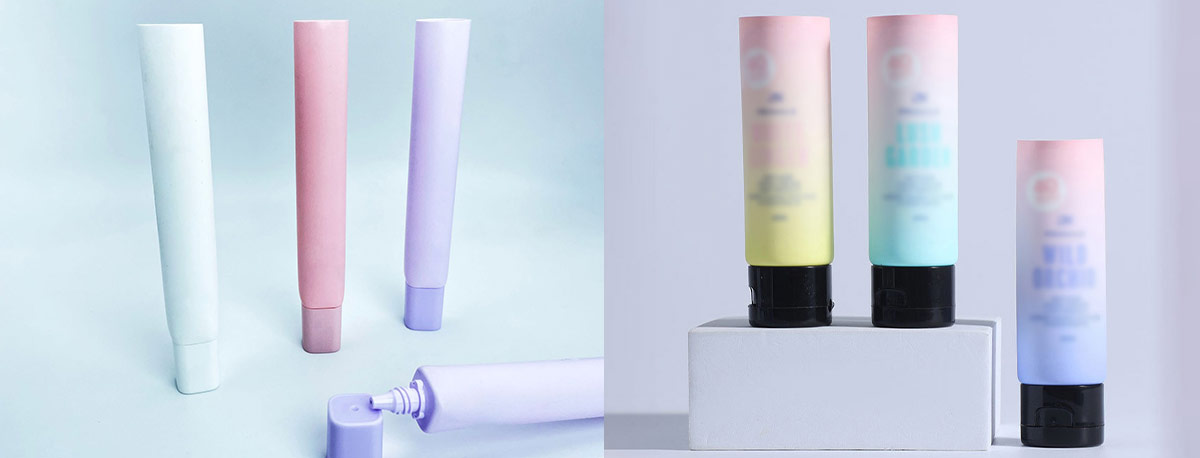
A controlled workshop environment plays a vital role in lami tube manufacturing. Proper temperature and humidity levels help maintain the structure and appearance of tubes. Clean air and surfaces prevent contamination, which protects product quality. Regular cleaning and equipment maintenance reduce defects. Sustainable materials and strict compliance with environmental standards support long-term success.
Key Takeaways
- Maintain stable temperature between 20°C and 25°C to prevent material deformation and ensure proper adhesive curing.
- Control humidity levels between 40% and 60% to enhance adhesive bond strength and prevent defects in laminated tubes.
- Ensure clean air quality in the workshop to minimize contamination and protect both product quality and worker safety.
- Implement regular cleaning and maintenance of equipment to reduce defects and improve manufacturing efficiency.
- Adopt sustainable materials like recyclable plastics and biodegradable options to support environmental compliance and enhance brand reputation.
Environmental Factors in Lami Tube Manufacturing
Temperature Control
Temperature plays a critical role in lami tube manufacturing. The lami tube making machine operates best within a stable temperature range. High temperatures can cause the laminated material to soften or deform, which leads to defects in the tubes. Low temperatures may slow down the manufacturing process and affect the flow of adhesives. Operators must monitor and adjust the temperature to maintain consistent product quality. Automation systems help regulate temperature, reducing the risk of human error and supporting zero defect manufacturing.
Humidity Regulation
Humidity affects both the manufacturing process and the final properties of laminated tubes. The curing process of adhesives, especially polyurethane (PU) lamination adhesives, depends on moisture levels. High humidity can cause excessive foaming in the adhesive, resulting in poor adhesion and weak bonds. Low humidity may cause the adhesive to dry too quickly, leading to incomplete curing and reduced bond strength. An optimal relative humidity range of 40% to 60% ensures strong and durable bonds in laminated tube manufacturing. Proper humidity control prevents defects and supports the production of high-quality tubes.
Air Quality
Air quality in the workshop directly impacts the performance of the laminated tube making machine and the cleanliness of tubes. Contaminants in the air can settle on the surface of laminated materials, causing imperfections and reducing product quality. Workshops must meet strict air quality standards to minimize contamination. The table below outlines key standards for air quality in lami tube manufacturing:
| Standard Type | Description |
|---|---|
| HAP Emission Limits | Standards that limit emissions of hazardous air pollutants from manufacturing operations. |
| MACT Implementation | Requires control of emissions to levels attainable by maximum achievable control technology. |
| Health Impact Considerations | Addresses potential toxic effects of pollutants, including irritation and organ damage. |
Maintaining clean air supports zero defect manufacturing and protects both workers and products.
Cleanliness
Cleanliness is essential for both equipment and the manufacturing environment. Dust, debris, and residue can cause defects in laminated tubes and reduce the efficiency of the lami tube making machine. Regular cleaning and lubrication keep equipment running smoothly and extend its lifespan. Industry data shows the benefits of proactive maintenance:
- The Energizer plant achieved a 98% completion rate for planned maintenance, demonstrating effective maintenance practices.
- Implementing oil analysis allowed the plant to extend oil change intervals significantly, saving over $10,000 in the first year alone.
- The proactive maintenance approach led to fewer machinery breakdowns and increased productivity, indicating improved performance due to regular cleaning and lubrication.
Routine inspection and cleaning prevent contamination and support consistent quality throughout the manufacturing process.
Quality Control in Laminated Tube Manufacturing
In-Line Quality Inspection
In-line quality inspection stands as a cornerstone of quality control and inspection in lami tube manufacturing. Operators use advanced technologies to monitor every stage of the manufacturing process. The lami tube making machine often integrates multi-layer quality inspection systems to detect issues early. These systems include Magnetic Flux Leakage (MFL), Eddy Current Testing (ECT), and Ultrasonic Testing (UT). Each technology offers unique benefits and limitations:
| Technology | Advantages | Disadvantages |
|---|---|---|
| MFL | High efficiency for volumetric defects in ferromagnetic pipes; Strong contamination resistance; Suitable for large-diameter pipelines | Limited to ferromagnetic materials; Low sensitivity to axial cracks; Requires measurable wall loss |
| ECT | High-precision surface crack detection; No couplant required; Rapid response | Limited to conductive materials; Shallow penetration depth; Susceptible to lift-off effects |
| UT | Accurate thickness measurement; Internal defect detection; Applicable to multi-material pipes | Requires coupling medium; Highly affected by surface roughness; Limited in high-temperature environments |
Quality inspection systems deliver measurable benefits. They reduce revision time, improve accuracy, and enhance operational efficiency. The table below highlights these advantages:
| Benefit | Description |
|---|---|
| Reduced Revision Time | Quality inspection systems can cut proofreading time in half, speeding up the quality control process. |
| Improved Accuracy | Early detection of errors ensures that products are accurate before printing, reducing downstream inspections. |
| Cost Savings | Prevents costly recalls and reprints by catching errors early, saving money and protecting reputation. |
| Enhanced Operational Efficiency | Streamlined processes and better communication between departments lead to improved workflow. |
Defect Prevention
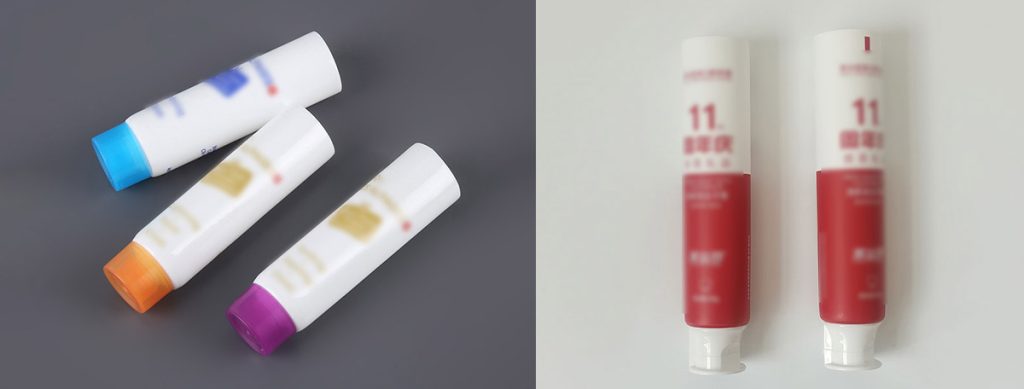
Defect prevention relies on both in-line quality inspection and environmental control. The lami tube making machine operates best in a stable environment. Operators monitor for common defects such as:
- PolyFlow missing
- Leakage from shoulders
- Printing defects
- Varnish or ink tape test failures
- Top seal missing
Automation and regular inspection help prevent these issues. Clean air, proper humidity, and controlled temperature all reduce the risk of defects in laminated tube production. Zero defect manufacturing becomes possible when the workshop maintains these standards.
Process Stability
Process stability ensures consistent quality in laminated tube production. Environmental factors play a direct role in this stability.
The study revealed that moisture presence significantly decreased adhesion between the glass and interlayer, with adhesion levels dropping to less than half compared to dry conditions. Additionally, aging tests showed that moisture penetration at the edges of the glass negatively impacted the durability of laminated glass, leading to reduced shear stiffness and bond strength.
Operators use in-line quality inspection to monitor for changes in the process. Stable conditions allow the lami tube making machine to produce tubes with uniform properties. Automation supports process consistency and reduces human error. Multi-layer quality inspection further ensures that each laminated tube meets strict standards.
Compliance and Sustainability
Environmental Standards
Lami tube manufacturing facilities must follow strict environmental standards to protect both the environment and public health. These standards cover water, air, chemical storage, and waste management. The table below outlines key regulations that guide the manufacturing process:
| Environmental Standard | Description |
|---|---|
| Clean Water Act (CWA) | Compliance for stormwater and wastewater management, including NPDES permits and SWPPPs. |
| Emergency Planning and Community Right-to-Know Act (EPCRA) | Regulations for chemical storage and reporting, including Tier II and TRI reporting. |
| Spill Prevention, Control, and Countermeasure (SPCC) Rule | Requirements for oil storage compliance and spill prevention measures. |
| Resource Conservation and Recovery Act (RCRA) | Regulations for hazardous and non-hazardous waste management, including classification and disposal. |
| Clean Air Act (CAA) | Compliance for air quality and emissions, including necessary air permits and reporting. |
| Environmental Audits | Regular audits to ensure compliance and identify gaps in environmental performance. |
International regulations also influence operations. Manufacturers must use recyclable materials, reduce carbon footprints, and meet strict packaging waste management rules. These efforts help maintain brand trust and support competitive positioning.
Sustainable Materials
The industry now focuses on sustainable materials to reduce environmental impact. Laminated tubes often use aluminum barrier laminate (ABL), recyclable plastics, and biodegradable options. The table below highlights common sustainable materials and their benefits:
| Sustainable Material Type | Environmental Benefits |
|---|---|
| Aluminum barrier laminate (ABL) | Meets stricter environmental regulations |
| Recyclable materials | Critical for eco-conscious packaging alternatives |
| Biodegradable materials | Reduces long-term waste in landfills |
| Fully recyclable PBL tubes | Reduces packaging waste and carbon footprint |
| Bio-based resins | Decreases reliance on fossil fuels and lowers emissions |
| Post-consumer recycled (PCR) materials | Promotes recycling and reduces landfill waste |
| Mono-material laminate tubes | Simplifies recycling processes, supporting circular economy initiatives |
By choosing these materials, manufacturers support zero defect manufacturing and improve the curing and lamination process. Automation helps ensure consistent use of sustainable materials throughout production.
Workshop Audits
Regular workshop audits play a key role in continuous improvement. Audits follow best practices:
- Planning: Define the audit’s scope and identify regulations.
- Site Inspection: Inspect the facility for compliance.
- Data Collection: Gather and review records.
- Reporting Findings: Summarize compliance and non-compliance.
- Implementing Corrective Actions: Recommend improvements.
- Continuous Improvement: Schedule regular audits and update practices.
Audits help identify nonconformities, assess compliance strategies, and uncover opportunities for better environmental performance. They ensure that the manufacturing process remains efficient and sustainable as new regulations emerge.
Conclusion
A well-controlled workshop environment ensures high-quality lami tube production. Strict temperature, humidity, air quality, and cleanliness standards help prevent defects and maintain process stability. Regular maintenance and in-line inspection further support consistent results. Manufacturers who prioritize sustainability and compliance gain long-term advantages:
- Improved profit margins through lower energy use
- Enhanced brand reputation and consumer trust
- Greater supply chain resilience
- Better access to investment capital
Early adopters of sustainable practices often see higher returns. Manufacturers should continue to invest in environmental control and sustainable solutions for lasting success.
FAQ
What Is the Ideal Temperature Range for Lami Tube Manufacturing?
Operators maintain a temperature range between 20°C and 25°C. This range helps prevent material deformation and supports consistent adhesive curing.
Tip: Automated systems help regulate temperature for optimal tube quality.
How Does Humidity Affect the Quality of Laminated Tubes?
Humidity influences adhesive curing and bond strength. High humidity can cause weak bonds, while low humidity may lead to incomplete curing.
- Recommended range: 40% to 60% relative humidity.
Why Is Air Quality Important in the Workshop?
Clean air prevents contamination of laminated materials. Dust and pollutants can cause defects and reduce product lifespan.
| Air Quality Benefit | Impact on Manufacturing |
|---|---|
| Reduced defects | Higher product quality |
| Safer environment | Protects workers |
What Sustainable Materials Do Manufacturers Use for Lami Tubes?
Manufacturers use aluminum barrier laminate, recyclable plastics, biodegradable materials, and bio-based resins.
Note: These materials support environmental compliance and reduce waste.
How Often Should Workshops Conduct Environmental Audits?
Facilities schedule audits at least once a year. Regular audits help identify compliance gaps and improve environmental performance.
- Audits include site inspection, data review, and corrective actions.