


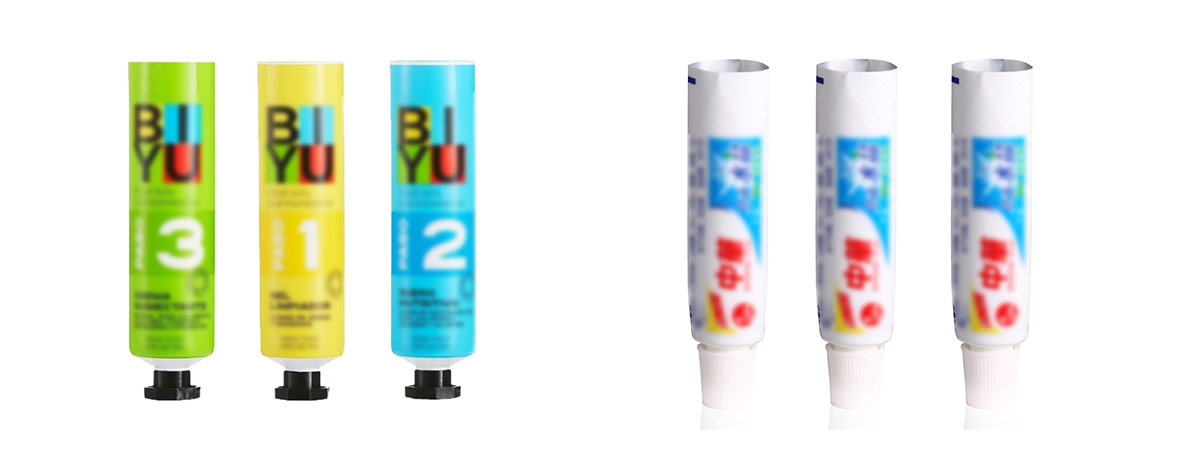
High-frequency welding uses electromagnetic energy to create strong seams in laminated tubes. Manufacturers rely on lami tube making machine because they deliver consistent welds with minimal distortion. Seam quality, production speed, and efficiency remain critical for companies in this sector.
- The global laminated tubes market reached US$ 2.10 billion in 2023.
- Projections show growth to US$ 4.03 billion by 2034.
- The market expects a CAGR of 6.1% from 2025 to 2034.
Lami tube manufacturing benefits from advanced welding techniques that support rapid production and durable products.
Key Takeaways
- High-frequency welding uses electromagnetic energy to create strong seams in laminated tubes, ensuring durability and minimal distortion.
- Laminated tube making machine operates efficiently, producing lami tubes at speeds of 100 to 120 meters per minute, which supports high-volume production.
- Automation in lami tube manufacturing enhances weld quality and reduces human error, leading to consistent and reliable results.
- Using materials like stainless steel, aluminum, and PVC allows for effective high-frequency welding, maximizing the strength and flexibility of the tubes.
- Investing in advanced technologies and sustainable practices helps manufacturers reduce costs, waste, and environmental impact while maintaining high product quality.
High-Frequency Welding in Lami Tube Manufacturing
Core Principles
High-frequency welding stands at the core of modern lami tube manufacturing. This process uses electromagnetic energy to heat and bond materials at their seam. The typical frequency for this method is 27.12 MHz, which allows for precise and rapid heating of thermoplastic layers. The energy targets only the weld area, leaving the rest of the tube unaffected. This selective heating ensures minimal distortion and strong, reliable seams.
The following table summarizes the main principles and advantages of high-frequency welding in lami tube manufacturing:
| Principle/Advantage | Description |
|---|---|
| High-Frequency Energy | Uses electromagnetic waves to generate heat within thermoplastic materials. |
| Strong and Reliable Welds | Produces welds as strong as or stronger than the original materials, ensuring durability. |
| Environmental Benefits | Minimizes scrap waste and uses clean electricity, supporting greener manufacturing practices. |
| Automation Compatibility | Scales easily and integrates with automated production lines. |
| Fast Production and Consistency | Delivers precise bonding and consistent results, boosting production efficiency. |
Lami tube making machines rely on these principles to deliver high-quality, durable tubes at scale. The process supports both speed and accuracy, which are essential for manufacturers aiming to meet market demands.
Suitable Materials
Lami tube manufacturing uses a range of materials that respond well to high-frequency welding. The most common materials include stainless steel, aluminum, and polyvinyl chloride (PVC). Each material offers unique properties that make it suitable for the process.
- Stainless steel serves as the main material for tube manufacturing due to its strength and resistance to corrosion.
- Aluminum is often shaped from flat strips and welded into tubes, offering lightweight and flexible options.
- PVC appears in various forms and is widely used because it responds efficiently to high-frequency energy.
The properties of these materials play a crucial role in the success of high-frequency welding. Electrical resistivity, for example, affects how the material heats under electromagnetic energy. Ferrite, with its higher resistivity, reduces unwanted eddy currents and makes cooling easier. Ceramics like MgO-ZrO2 and SiAlON provide excellent corrosion and wear resistance, which extends the lifespan of welding components. These ceramics also remain chemically inert, preventing reactions during the welding process.
Tip: Excluding water and oxygen from the weld area, especially when working with stainless steel, helps prevent defects. Using water-cooled return flow impeders and maintaining a low-pressure inert gas atmosphere can further improve weld quality.
Machine Technology
Modern lami tube making machines combine mechanical, electronic, and pneumatic technologies to optimize high-frequency welding. These machines handle aluminum-plastic laminated sheets and full-plastic laminated sheets, producing tubes with flat, firm seams and precise cuts.
Key features of advanced tube welding machines include:
- Automatic unwinder and roll-releasing devices for continuous material feed.
- Connection platforms and automatic edge cutting devices for precise sheet alignment.
- Automatic forming devices that shape the laminated tube before welding.
- High-frequency welding mechanisms that apply electromagnetic energy to the seam.
- Vertical and horizontal dragging devices to maintain tube position and tension.
- Automatic control and tracking rotary cutting devices for accurate tube length.
- Man-machine interface control systems for easy operation and monitoring.
The following table highlights the main components and features of a lami tube making machine:
| Component/Feature | Description |
|---|---|
| Machine Type | Aluminum-plastic laminated tube machine |
| Technologies Integrated | Mechanical, electronic, and pneumatic systems |
| Production Capability | Produces aluminum-plastic and plastic tubes in various specifications |
| Efficiency | High efficiency with low energy consumption |
| Operation | Simple operation and stable performance |
| Maintenance | Convenient and straightforward |
| Welding Technology | High-frequency welding applied |
| Weld Seam Quality | Flat, firm, and smooth seams |
| Sheet Replacement | Device for replacing sheets without stopping the machine, maximizing material use |
| Safety Features | Safe operation with low labor intensity |
| Main Components | Automatic unwinder, edge cutting, forming, welding, cutting, and control systems |
Tube welding machines designed for high-frequency welding ensure consistent seam quality and efficient production. These machines support the demands of large-scale lami tube manufacturing, making them essential for companies seeking to maintain high standards and productivity.
High-Frequency Process
Process Steps
The high-frequency welding process for laminated tube production follows a precise sequence. Each step ensures the final product meets strict quality standards. The process typically involves:
- Slitting: Operators slit coils to the required width for each tube size.
- Uncoiling: The slitted coil uncoils at the entry of the lami tube making machine. The ends shear and weld together for continuous operation.
- Accumulator: The accumulator stores steel strip, allowing uninterrupted production in the welding line.
- Forming: Forming rolls shape the slitted coils into a cylindrical tube with open edges.
- Welding: High-frequency energy heats the open edges to forging temperature. Forge rolls press the edges together, creating a strong seam.
- Sizing: After water quenching, sizing rolls apply a slight reduction to ensure the tube meets precise dimensions.
Note: Each step in the welding process contributes to the overall strength and consistency of the laminated tube.
PLC Control

Programmable Logic Controller (PLC) systems play a vital role in lami tube making machine. PLC control automates the high-frequency welding process, providing precise adjustments and enhancing operational efficiency. Key features include:
- Automated process management for consistent tube production.
- Precise control of mechanical, electronic, and pneumatic systems.
- Automatic warnings for failures and seamless roll re-feeding.
- Integration with high-frequency welding to produce smooth, firm seams.
A PLC-driven lami tube making machine ensures high productivity and low energy consumption. Automation reduces manual intervention, leading to more reliable and repeatable results.
| Advantage | Description |
|---|---|
| More Consistent Production | Automated systems eliminate manual variability, increasing production rates and profitability. |
| Increased Repeatability | Uniform standards and efficiency in repetitive tasks improve quality control. |
| Precision and Accuracy | PLCs maintain micron-level precision, reducing defects and material waste. |
| Increased Product Quality | Automated quality assurance reduces human error, boosting customer satisfaction. |
| Lower Operating Costs | Automation reduces labor costs and material waste, improving return on investment. |
Quality Control
Quality control measures ensure seam integrity in high-frequency welded laminated tubes. Operators monitor several factors during production:
- Input Power Control: Stable heating prevents defects such as virtual welding or overburning.
- Tube Groove Design: An ‘X’ shaped groove improves heating uniformity and weld strength.
- Welding Speed: Proper speed reduces defects like burrs and oxide layers.
Common defects include inclusions, pre-arc, insufficient fusion, sticky welding, cast welding, stomata, and jump welding. Each defect has specific preventive measures, such as controlling the V-shaped opening angle, maintaining clean cooling water, and adjusting welding power or speed.
Tip: Regular inspection and adjustment of the lami tube making machine help maintain high seam quality and minimize waste during production.
Advantages of High-Frequency Welding
Seam Quality
High-frequency welding delivers exceptional seam quality in laminated tube production. The process uses electromagnetic induction to heat the edges of thermoplastic materials. This targeted heating creates strong bonds at the seam without affecting the rest of the tube. Manufacturers value this method because it produces welds with high strength and minimal distortion. The resulting seams often match or exceed the strength of the original thermoplastic layers.
Lami tube making machines equipped with high-frequency systems consistently produce high quality welds. These machines ensure that each seam remains flat, firm, and smooth. The precision of the process reduces the risk of defects, such as inclusions or incomplete fusion. As a result, laminated tubes maintain their integrity during filling, sealing, and transportation. The durability of these welds supports the long-term performance of products in industries like cosmetics, pharmaceuticals, and food packaging.
Note: High-frequency welding also minimizes thermal distortion, which helps maintain the original shape and appearance of the laminated tube.
Speed and Efficiency
Manufacturers choose high-frequency welding for its unmatched speed and efficiency. Lami tube making machines using this technology can operate at production speeds between 100 and 120 meters per minute. This rate surpasses alternative methods, such as electric resistance welding (ERW), which operate at slower speeds.
| Welding Method | Average Production Speed (m/min) |
|---|---|
| High-Frequency Welding Machines | 100 to 120 |
| Electric Resistance Welding (ERW) | Slower than high-frequency welding |
High-frequency welding supports rapid and precise joining of thermoplastic materials. The process enables high-speed longitudinal welding, which is essential for large-scale manufacturing. Lami tube making machines benefit from this efficiency, allowing companies to meet high demand without sacrificing quality.
- High-frequency welding enables rapid and precise welding processes, crucial for efficiency.
- It utilizes electromagnetic induction to heat tube edges, allowing for high-speed longitudinal welding.
- This method can produce thin-walled steel tubes at speeds of up to several hundred meters per minute.
- Low operational and maintenance costs of induction welding equipment reduce downtime and simplify setup.
- High-quality welds with minimal thermal distortion enhance overall manufacturing efficiency.
The combination of speed and reliability makes high-frequency welding the preferred choice for laminated tube production.
Cost and Waste
High-frequency welding offers significant cost advantages for manufacturers. The process uses clean electricity and requires less energy than many traditional welding methods. Lami tube making machines designed for high-frequency welding operate with low maintenance needs, which reduces downtime and labor costs.
The precision of high-frequency welding minimizes material waste. By focusing heat only on the seam, the process avoids damaging surrounding thermoplastic layers. This targeted approach leads to fewer rejected tubes and less scrap material. Manufacturers can maximize the use of raw materials, which supports both cost savings and environmental sustainability.
High quality welds produced by this method also reduce the need for rework or repairs. The strength and durability of the seams ensure that laminated tubes meet strict industry standards. Companies benefit from lower production costs and improved profitability.
Tip: Reducing waste and energy consumption not only saves money but also supports greener manufacturing practices.
Innovations and Trends
Automation
Manufacturers continue to adopt advanced automation in lami tube making machines. Robotics now play a major role in improving the efficiency of welding. Automated sensing technology allows robotic welders to adjust operations based on the dimensions of each laminated tube. This adjustment leads to better weld quality and faster production. Modern robotic welding systems integrate with upstream quality checks and downstream inspections. These integrations help maximize efficiency and reduce defects.
Operators find cobots easy to manage. They do not need extensive programming knowledge to make quick adjustments. Cobots work safely alongside human workers and fit into existing workflows with minimal effort. The shift from hydraulic actuators to electric servo motors has increased the speed and precision of robotic welding. Manufacturers benefit from lower costs and higher productivity.
- Automated sensing improves weld quality and speed.
- Cobots enhance safety and flexibility.
- Electric servo motors boost precision and reduce costs.
Sustainability
Sustainability remains a top priority in lami tube manufacturing. Companies use lami tube making machines to minimize material wastage and improve energy efficiency. Technology now allows for recycling and repurposing of scrap materials, supporting greener production practices.
| Sustainability Benefit | Description |
|---|---|
| Reduced Material Wastage | Precision of modern machines minimizes material wastage. |
| Energy Efficiency | Advancements in technology contribute to energy-efficient manufacturing. |
| Recycling and Repurposing | Technology allows for recycling and repurposing of scrap materials. |
Manufacturers focus on reducing their environmental impact while maintaining high standards for laminated tube quality.
Future of Lami Tube Making Machines
The future of lami tube making machines looks promising. Manufacturers expect further improvements in automation and sustainability. Machines will likely feature smarter sensors and more advanced control systems. These upgrades will help maintain consistent welding quality and reduce downtime.
Companies continue to invest in research and development. They aim to create machines that produce laminated tubes with even greater efficiency and less waste. The industry will see more integration of digital technologies, such as real-time monitoring and predictive maintenance. These trends will shape the next generation of lami tube making machines.
Note: Staying updated with innovations ensures manufacturers remain competitive in the global market.
Conclusion

High-frequency welding offers manufacturers of laminated tubes clear advantages in efficiency, quality, and cost savings. The following table highlights key benefits:
| Key Advantage | Description |
|---|---|
| Efficiency | Lami tube making machines operate at high speeds with consistent output. |
| Quality | Produces strong, flawless seams essential for demanding industries. |
| Flexibility | Adapts to various tube sizes and materials with quick changeovers. |
| Energy Savings | Focused heating reduces waste and supports sustainability. |
| Cost Reduction | Automation lowers labor costs and improves profitability. |
Manufacturers should select robust equipment, optimize welding parameters, and leverage technical support. Ongoing investment in automation and sustainable materials ensures long-term competitiveness in the evolving lami tube market.
FAQ
What Is High-Frequency Welding in Laminated Tube Manufacturing?
High-frequency welding uses electromagnetic energy to bond the edges of laminated tubes. This process creates strong seams quickly. Manufacturers rely on lami tube making machines for consistent weld quality and efficient production.
Which Materials Work Best with Lami Tube Making Machines?
Lami tube making machines handle materials like aluminum, stainless steel, and PVC. These materials respond well to high-frequency energy. Each offers durability, flexibility, or corrosion resistance, making them ideal for laminated tube production.
How Does Automation Improve Weld Quality?
Automation in lami tube making machines ensures precise control over welding parameters. Automated systems reduce human error. They maintain consistent seam quality and boost production speed.
What Are Common Defects in Laminated Tube Welding?
Operators may encounter defects such as inclusions, insufficient fusion, or burrs. Regular inspection and adjustment of the lami tube making machine help prevent these issues. Proper groove design and stable input power also improve weld quality.
Why Do Manufacturers Prefer High-Frequency Welding?
Manufacturers choose high-frequency welding for its speed, reliability, and minimal waste. Lami tube making machines produce durable seams. This method supports high-volume production and reduces energy costs.