


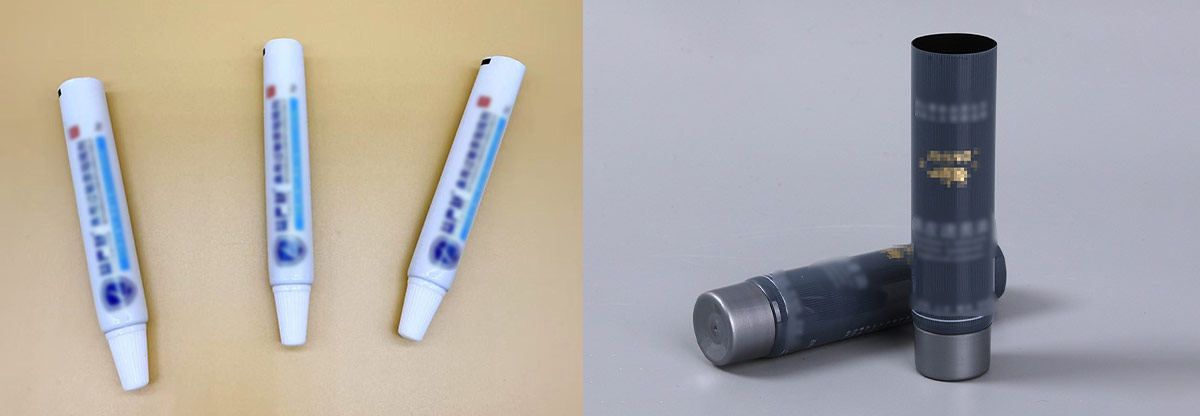
Frequent changeovers often slow down a lami tube production line and cause unwanted downtime. SMED, known as single minute exchange of die, began in Japanese manufacturing and focuses on reducing changeover time. SMED helps operators of a lami tube making machine organize tasks, improve efficiency, and cut downtime. SMED makes fast changeovers possible and supports continuous production in modern factories.
Key Takeaways
- SMED reduces changeover time to under ten minutes, boosting efficiency in lami tube production.
- Separating internal and external tasks allows operators to work while machines run, minimizing downtime.
- Using digital tools and AI helps track setup times and optimize workflows for faster changeovers.
- Implementing 5S organization improves workspace efficiency, leading to smoother changeover processes.
- Standardized procedures enhance consistency and reduce errors, resulting in higher product quality.
Why SMED for Lami Tube Production Line?
SMED Basics
SMED, or single minute exchange of die, is a lean manufacturing method that focuses on reducing setup times and improving efficiency. The main principle of SMED is to minimize the time needed for a changeover process. This approach breaks down each step, separates internal and external tasks, and streamlines the workflow. Operators use SMED to identify bottlenecks and parallelize activities, which leads to faster changeovers. The table below highlights core SMED techniques used in manufacturing environments:
| Technique Number | Technique Description |
|---|---|
| 1 | Separate internal from external setup operations |
| 2 | Convert internal to external setup |
| 3 | Standardize function, not shape |
| 4 | Use functional clamps or eliminate fasteners |
| 5 | Use intermediate jigs and fixtures |
| 6 | Adopt parallel operations |
| 7 | Eliminate adjustments |
| 8 | Mechanization |
SMED helps lami tube production convert changeover steps into external tasks, simplify remaining steps, and reduce time to under 10 minutes.
Changeover Challenges
Lami tube production lines faces several challenges during changeovers. Prolonged downtime disrupts schedules and reduces throughput. Many teams struggle with a lack of standardization, which leads to inconsistent results. The loss of tribal knowledge, especially when experienced workers retire, can leave gaps in skills. Lami tube making machine adds complexity, requiring specialized knowledge and increasing the risk of errors. Safety risks also rise during high-pressure changeover periods. The number of available workers, their mechanical skills, and the organization of tools all impact the efficiency of the changeover process.
- Prolonged downtime
- Lack of standardization
- Loss of tribal knowledge
- Complexity of modern equipment
- Safety risks
Key Benefits
Implementing single minute exchange of die in a lami tube production brings many advantages. Teams see increased machine work rates and more frequent changeovers, which boosts flexibility. Smaller lot sizes and reduced inventory help companies respond quickly to market demands. Standardized procedures improve consistency and reduce errors. The table below summarizes the main benefits:
| Advantage | Description |
|---|---|
| Increased capacity/machine work rates | More efficient use of machines leads to higher output |
| More frequent completions of changeovers | Reduces downtime and increases production flexibility |
| Reduced batch sizes / smaller lot sizes | Facilitates quicker responses to market demands |
| Reduced stock holdings / lower inventory | Minimizes costs associated with excess inventory |
| Less waste produced | Enhances sustainability and reduces costs |
| Standardized changeover procedures | Improves consistency and efficiency in operations |
| Less room for errors / improved quality | Leads to higher product quality and customer satisfaction |
| Fewer defects produced | Reduces rework and enhances overall efficiency |
| Improved safety and consistency | Creates a safer work environment and reliable processes |
| Lower production cost due to less downtime | Increases profitability by reducing operational costs |
SMED also improves overall equipment effectiveness (OEE) by increasing machine availability and productivity. In industries similar to laminated tube manufacturing, companies have reduced changeover times from hours to minutes by using SMED principles. This improvement leads to higher efficiency and better workflow across the laminated tube production.
Single Minute Exchange of Die Steps
Preparation and 5S
Preparation forms the foundation of any successful single minute exchange of die project. Teams on a lami tube production begin by organizing the workspace using the 5S methodology. This lean manufacturing approach includes Sort, Set in order, Shine, Standardize, and Sustain. Operators remove unnecessary items, arrange tools for easy access, and clean the area around the lami tube making machine. They then standardize locations for all equipment and maintain these standards over time. This preparation reduces wasted motion and ensures that every tool and part is ready before the changeover process begins. Efficient setups start with a clean, organized environment, which supports a smooth workflow and minimizes setup times.
Internal vs. External Tasks
The next step in single minute exchange of die focuses on separating internal and external tasks. Internal tasks require the lami tube making machine to stop, while external tasks can occur while the machine runs. Teams identify each step in the changeover and classify it as internal or external. They then move as many tasks as possible to the external category. For example, operators can prepare new laminated tube rolls or gather tools while the current batch finishes. This separation reduces machine downtime and supports quick tooling changeover. The SMED process for lami tube production lines follows these six steps:
- Measure changeover times.
- Identify internal and external elements.
- Move external elements to external.
- Shorten internal elements.
- Shorten external elements.
- Standardize and maintain new procedure.
By following this sequence, teams achieve lean manufacturing tool changeovers and reduce setup times to under ten minutes.
Streamlining Changeover

Streamlining the changeover process involves optimizing each step for speed and accuracy. Teams on a lami tube production line use several improvement strategies to create an optimized setup process. They group similar products or diameters to minimize roll changes and reduce downtime. Operators document settings for each product, allowing them to return quickly to a standard production baseline. Some facilities use laser-based monitoring systems to provide real-time feedback, which shortens setup and tuning time. The table below summarizes these strategies:
| Improvement Strategy | Description |
|---|---|
| Schedule similar products | Grouping similar products or diameters reduces the frequency of roll changes, minimizing downtime. |
| Document settings | Careful documentation of settings helps operators quickly return to a standard production baseline. |
| Use laser-based monitoring | A laser-based system provides real-time feedback, significantly reducing setup and tuning time. |
Bottlenecks can slow down the workflow during changeover. Static bottlenecks occur in the same part of the process due to fixed capacity. Dynamic bottlenecks shift within the production process and require real-time monitoring. Short-term bottlenecks result from temporary slowdowns, while long-term bottlenecks stem from equipment limitations. The table below outlines these bottlenecks and solutions:
| Type of Bottleneck | Description | Mitigation Strategies |
|---|---|---|
| Static Bottlenecks | Occur consistently in the same part of the process due to fixed capacity. | Identified through capacity analyses. |
| Dynamic Bottlenecks | Shift within the production process due to variable causes. | Require real-time performance monitoring tools to resolve. |
| Short-term Bottlenecks | Temporary slowdowns caused by various factors. | Resolved through contingency measures like emergency maintenance or expedited deliveries. |
| Long-term Bottlenecks | Persistent constraints from systemic issues or equipment limitations. | Often require significant investments for new machinery or redesigned processes to increase capacity. |
By addressing these bottlenecks, teams maintain a steady workflow and improve efficiency across the lami tube production line.
Parallel Operations
Parallel operations play a key role in reducing changeover time. Teams prepare materials, dies, or components in advance while the lami tube making machine continues to run. They assemble pre-set kits with all necessary tools and materials for the next production run. Effective communication among operators and support staff ensures smooth setup activities. The best practices for parallel operations include:
| Best Practice | Description |
|---|---|
| Prepare Materials in Advance | Set up materials, dies, or components while the machine is still running to save time. |
| Create Pre-Set Kits | Assemble kits with all necessary tools and materials for the next production run. |
| Improve Communication | Ensure coordination among operators and support staff for smooth setup activities. |
| Separate Internal and External Activities | Perform external activities while the machine is running to minimize downtime. |
| Convert Internal Activities to External | Change as many internal tasks to external ones to reduce idle machine time. |
| Parallel Processing | Allocate multiple workers to simultaneous tasks while monitoring for safety. |
These practices allow teams to perform multiple tasks at once, which shortens the total changeover time. Operators can achieve single minute exchange of die by combining preparation, task separation, streamlined steps, and parallel operations. This approach leads to efficient setups, improved workflow, and higher efficiency in lami tube production.
Teams that follow the SMED steps can reduce setup times from hours to under ten minutes, even with complex laminated tube products.
Changeover Tools and Digital Solutions
Setup Matrices
Setup matrices help teams on a lami tube production reduce setup times and achieve faster changeovers. These matrices organize each step of the changeover process, making it easier to spot delays and improve efficiency. Operators use setup matrices to track task completion times and identify bottlenecks. Regular analysis of this data guides updates to work instructions and tool organization. Teams often use interactive checklists on tablets, which provide step-by-step instructions and visual aids. This approach ensures consistency and safety during each changeover. The table below highlights effective changeover tools and practices for single minute exchange of die:
| Changeover Tool/Practice | Description |
|---|---|
| Digital Pre-Changeover Workflow | Uses PLC and touch-screen controls to automate setup and store tooling recipes. |
| Interactive Checklists on Tablets | Offers digital guides for operators, ensuring consistency and safety. |
| Safety and Area Readiness Review | Focuses on a clean, safe environment to prevent accidents and improve efficiency. |
| Systematic Dismantling Process | Recommends a reverse-order approach to minimize downtime and maintain organization. |
| Holistic Changeover Philosophy | Combines automation with skilled operator workflows for rapid, precise changeovers. |
Continuous improvement empowers operators to suggest refinements, leading to significant time savings and a more streamlined workflow execution.
Digital Tracking
Digital tracking systems play a vital role in lean manufacturing and SMED. These systems provide real-time data on setup times and the overall workflow. Operators receive digital work instructions that guide them through the optimal sequence for setup on a lami tube making machine. Digital work coordination assigns tasks based on operator skills and urgency, which supports quick tooling changeover. The table below outlines key features of digital tracking systems:
| Feature | Description |
|---|---|
| Digital Work Instructions | Step-by-step guidance for optimal setup sequence. |
| Digital Work Coordination | Assigns tasks based on skills and urgency, enabling real-time monitoring. |
| AI-driven Setup Optimization | Analyzes past setups to recommend optimized sequences. |
| Continuous Improvement | Uses real-time data tracking for ongoing enhancements in setup processes and efficiency. |
Digital tracking enables teams to monitor every step, reduce errors, and maintain high efficiency during each changeover.
AI Optimization
Artificial intelligence now supports single minute exchange of die by analyzing historical data from lami tube production. AI-driven systems recommend optimized sequences for setup, helping teams reduce setup times and improve workflow. These systems learn from each changeover, adapting to new products or changes in the laminated tube process. AI also helps teams identify patterns that cause delays, allowing for targeted improvements. By combining AI with lean manufacturing principles, companies achieve faster changeovers and maintain flexibility in production. This technology ensures that every changeover process becomes more efficient over time.
Teams that use digital tools and AI see significant reductions in setup times, improved efficiency, and greater responsiveness to customer needs.
Conclusion

SMED transforms the changeover process for lami tube making machine by reducing time and boosting efficiency. Industry experts recommend these first steps:
- Identify internal and external steps.
- Move internal steps to external.
- Use jigs and fixtures for external setups.
Manufacturers report a 51% drop in setup time and a 93.9% productivity gain. High-speed fillers and digital tools support lean manufacturing and a smoother workflow. Teams should start with 5S and small changes, then use digital solutions to optimize every changeover over time.
FAQ
What Is the Main Goal of SMED in Lami Tube Production?
The main goal of SMED is to reduce changeover time on a lami tube making machine. Teams aim to complete all setup steps in under ten minutes. This process increases productivity and flexibility in laminated tube manufacturing.
How Does SMED Improve Safety During Changeovers?
SMED encourages teams to organize tools and standardize steps. Operators work in a clean, orderly space around the lami tube making machine. This reduces accidents and creates a safer environment during laminated tube changeovers.
Can Digital Tools Help with SMED in Laminated Tube Production?
Yes. Digital tools track setup times and guide operators step by step. These systems help teams on a lami tube making machine spot delays and improve each changeover. AI can also suggest faster methods for laminated tube setups.
Why Separate Internal and External Tasks in SMED?
Teams separate internal and external tasks to reduce machine downtime. Operators perform external tasks while the lami tube making machine runs. This approach keeps the laminated tube line moving and shortens total changeover time.
What Are Common Mistakes When Starting SMED?
Teams sometimes skip the 5S step or fail to document each changeover. They may overlook training for new operators on the lami tube making machine. Consistent review and improvement help avoid these mistakes in laminated tube production.