

Influencing Factors and Optimization Techniques of Side Seam Quality Control in Lami Tube Manufacturing Process


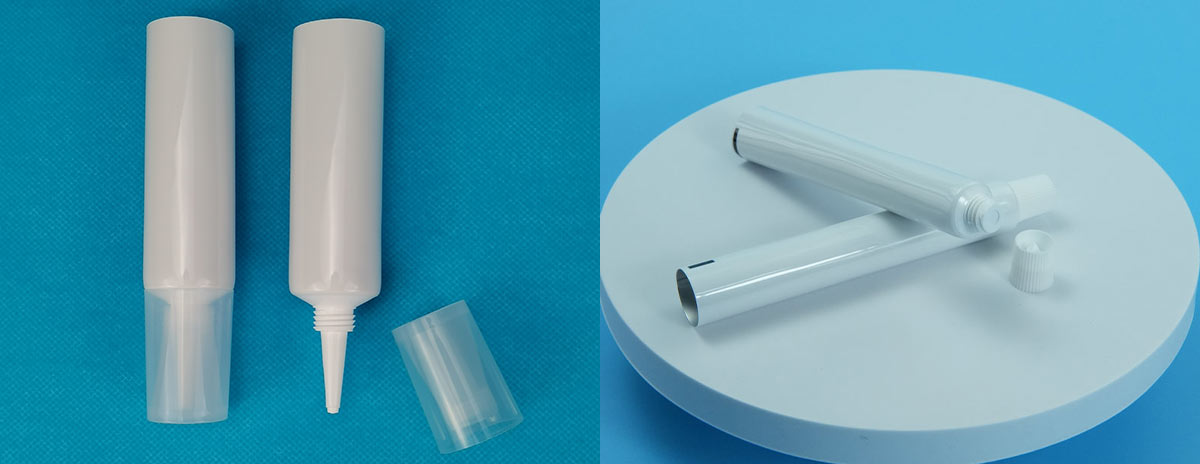
Material properties, machine settings, and sealing parameters directly influence Side Seam Quality Control in the production of laminated tubes. Operator skill often determines the consistency of seams produced by a lami tube making machine. NEOSeam technology and precision engineering enhance seam quality and help reduce waste, raising standards across the industry.
Key Takeaways
- Material properties, such as tensile strength and microstructural uniformity, are crucial for ensuring high seam quality in laminated tubes.
- Proper machine settings, including seam positioning and gap, directly affect the strength and appearance of seams, leading to better product quality.
- Operator skill is vital; trained technicians can identify and correct issues, ensuring consistent production and minimizing defects.
- Continuous process monitoring helps maintain uniformity and quality, allowing for quick adjustments to prevent defects during production.
- Investing in automation and training enhances efficiency, reduces waste, and improves seal integrity, ultimately supporting product safety and quality.
Influencing Factors in Side Seam Quality Control
Material Properties
Material properties play a decisive role in side seam quality control for laminated tube production. Mechanical properties such as tensile strength and pressure bearing capacity determine the seam’s ability to withstand stress during filling and use. Manufacturers measure these properties using tensile tests and burst pressure tests. Advanced characterization methods, including Electron backscattered diffraction (EBSD) and optical microscopy (OM), help analyze the microstructure. Post-processing steps like rolling and brazing can alter these properties, sometimes reducing pressure bearing capacity at specific rolling reduction ratios.
Careful selection of raw materials and process parameters can mitigate lamination defects and seam failures. Microstructural heterogeneity, impurities, and mechanical parameters all influence the likelihood of defects. By focusing on material composition and structure, manufacturers can reduce seam failure rates and improve overall side seam quality control.
- Key factors affecting material properties:
- Tensile strength
- Pressure bearing capacity
- Microstructural uniformity
- Impurity levels
Machine Settings
Machine settings on a laminated tube making machine directly impact side seam quality control. Operators must adjust seam positioning, seam gap, and wall ordering to achieve optimal results.
- Seam Positioning: Aligned, aligned back, or back seams are preferred, especially when seam painting is involved. Random seam placement can distribute weak points and enhance strength.
- Seam Gap: The ideal gap ranges from 0-15% of the nozzle size. This balance prevents bulging and maintains a visually appealing seam.
- Staggered Inner Seams: Varying the seam location across layers reduces stress points, improving strength and water tightness.
- Wall Ordering: Printing internal perimeters first minimizes visible artifacts. The inner-outer-inner order is optimal for laminated tube production.
Precision engineering and innovations like NEOSeam technology enable tighter control over these parameters, leading to consistent seam quality and reduced waste.
Sealing Parameters
Sealing parameters, including temperature, pressure, and dwell time, are critical for side seam quality control. The integrity of heat seals in laminated tubes depends on maintaining optimal conditions.
Research shows that increasing pressure improves contact between film layers but does not always enhance seal strength beyond a certain threshold. Excessive pressure can even weaken the seal. Temperature and dwell time must be carefully managed to prevent failures.
The interaction between sealing temperature, time, and pressure determines the strength and durability of the seam. Poor optimization leads to weak seals and leakages. Manufacturers must understand these mechanisms to achieve reliable side seam quality control.
Operator Skill
Operator skill influences every aspect of side seam quality control. Skilled technicians can identify subtle issues in machine settings, material handling, and sealing parameters. They adjust the lami tube making machine to maintain consistency and prevent defects.
Training programs and continuous education ensure operators stay updated on new technologies like NEOSeam and precision engineering methods.
- Experienced operators:
- Detect and correct process deviations
- Maintain equipment calibration
- Implement best practices for laminated tube manufacturing
Process Consistency
Process consistency is essential for effective side seam quality control. Variations in environmental conditions, raw material batches, or machine calibration can introduce defects.
Manufacturers use automated monitoring systems to track key parameters and maintain uniformity. Regular audits and data analysis help identify trends and prevent recurring issues.
Consistent processes reduce waste, improve seam integrity, and ensure high-quality laminated tubes reach the market.
Common Defects and Seal Integrity
Defect Types
Manufacturers encounter several defect types in the side seams of laminated tubes. The most frequent issues include incomplete seals, channel leaks, delamination, and weak seam strength. Incomplete seals often appear as gaps or voids along the seam. Channel leaks allow product to escape through microscopic pathways. Delamination occurs when layers separate due to poor adhesion or mechanical stress. Weak seam strength leads to seam failure during filling or use.
Operators using a lami tube making machine must identify these defects early to prevent product loss and maintain quality standards.
Root Causes
Root causes of side seam defects stem from multiple factors. Incorrect machine settings, such as improper seam gap or misaligned wall ordering, often result in incomplete seals. Variations in sealing parameters, including temperature and pressure, can cause weak seams or delamination. Material inconsistencies, such as uneven thickness or impurities, increase the risk of channel leaks. Inadequate operator skill and lack of process consistency also contribute to defect formation.
Thermoplastic composite pipe manufacturing and flexible packaging industries report similar challenges. Fiber waviness, poor heat-seal control, and microstructural heterogeneity frequently lead to seam failures.
Regular calibration and process monitoring help reduce these root causes and improve seam reliability.
Seal Integrity
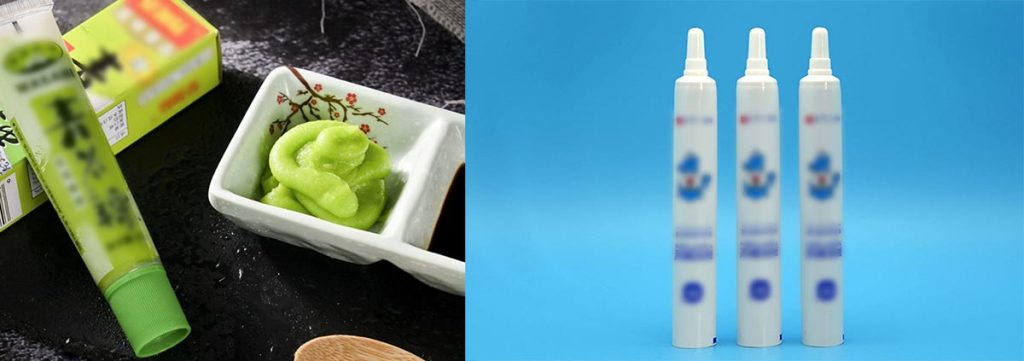
Seal integrity determines the performance and safety of laminated tubes. Manufacturers assess seal integrity using several industry-standard methods. The following table summarizes common techniques:
| Method | Description |
|---|---|
| Visual Inspection | Checks for visible defects in seals of flexible packages. |
| Dye Penetration Tests | Uses colored liquid to reveal leaks in package seals, effective for detecting small breaches. |
| Bubble Emission Tests | Detects gross leaks by submerging inflated packages underwater to observe bubble escape. |
| Vacuum Decay Tests | Highly sensitive method for detecting small leaks by monitoring pressure changes in a vacuum chamber. |
| Seal Strength Tests | Measures the force required to peel apart sealed surfaces, providing an objective measure of seal robustness. |
Industry benchmarks for seal integrity include:
- ASTM F1886: Visual inspection for defects.
- ASTM F1929: Dye penetration test for porous packaging.
- ASTM F2096: Bubble emission test for flexible packaging.
- ASTM F2338: Vacuum decay leak testing for critical applications.
- ASTM F88: Seal strength measurement for flexible barrier materials.
Operators rely on these methods to ensure that seams produced by a lami tube making machine meet strict quality requirements. High seal integrity prevents leaks, maintains product safety, and upholds the reputation of laminated tube manufacturers.
Optimization Techniques for Sealing and Quality Control
Material Selection
Material selection forms the foundation of effective sealing in lami tube manufacturing. Engineers evaluate each material based on its mechanical properties, which directly impact seal strength and durability. The following table outlines the primary criteria used to optimize side seam quality:
| Criteria | Description | Weight |
|---|---|---|
| Maximum breaking force F [N] | The force required to break the seam, critical for seam strength. | 0.5 |
| Total bending rigidity G [N m] | The resistance of the seam to bending, affecting durability. | 0.3 |
| Relative elongation at break ε [%] | The stretchability of the seam before breaking, important for flexibility. | 0.2 |
Manufacturers select materials that offer high maximum breaking force and optimal bending rigidity. These properties ensure that the seam can withstand the mechanical stresses encountered during the sealing process and product use. Relative elongation at break provides flexibility, which is essential for preventing cracks or splits in the seam. By prioritizing these criteria, companies improve seal quality and reduce the risk of seam failure in laminated tubes.
Machine Calibration
Precise machine calibration is essential for maintaining consistent sealing results on a lami tube making machine. Operators follow best practices to ensure that every tube meets strict quality standards. The table below summarizes these practices:
| Best Practice | Description |
|---|---|
| Regular Calibration | Ensures machines are consistent and repeatable, crucial for maintaining quality in production. |
| Verification of Machine Parameters | Involves checking various machine settings to ensure they are within specified tolerances. |
| Predictive Maintenance | Proactively maintaining machines to prevent breakdowns and ensure optimal performance. |
Operators regularly calibrate equipment to maintain uniform heat sealing conditions. They verify machine parameters, such as temperature, pressure, and dwell time, to ensure each setting aligns with the requirements of the sealing process. Predictive maintenance reduces unexpected downtime and helps sustain high seal strength throughout production. These steps minimize variability and support the production of high-quality laminated tubes.
Process Monitoring
Continuous process monitoring plays a vital role in optimizing the sealing process. Automated systems track key variables, including temperature, pressure, and speed, during every stage of production. Real-time data collection allows operators to detect deviations early and make immediate adjustments. This approach ensures that the sealing process remains stable and that seal strength does not fluctuate between batches.
Tip: Implementing digital monitoring tools enables manufacturers to identify trends and prevent recurring issues, leading to improved seal quality and reduced waste.
Process monitoring also supports compliance with industry standards. By maintaining detailed records, companies can demonstrate that their sealing process meets regulatory requirements and customer expectations. This transparency builds trust and enhances the reputation of laminated tube manufacturers.
Automation
Automation has transformed the sealing process in lami tube manufacturing. Technologies such as NEOSeam deliver seamless side-seam finishes, which enhance both the appearance and structural integrity of the tube. NEOSeam reduces material overlap, resulting in lighter tubes and less waste. This supports sustainability goals and lowers operational costs.
Automated systems increase production speed and ensure consistent seal strength. They also reduce labor costs and minimize human error. Digital controls and predictive maintenance features help prevent downtime and maintain high hygiene standards. The table below highlights the efficiency features and their impact on cost:
| Efficiency Feature | Impact on Cost |
|---|---|
| Automation | Reduces labor and errors |
| Digital controls | Minimizes downtime |
| Energy efficiency | Lowers operational expenses |
| High-speed production | Increases output, lowers unit cost |
However, automation presents some challenges:
- Potential higher per-unit costs compared to traditional packaging.
- Significant initial investment in automation technology.
- Dependence on technology can create vulnerabilities if system failures occur.
Despite these challenges, the benefits of automation—such as improved seal quality, higher output, and reduced waste—make it a valuable investment for manufacturers using a lami tube making machine.
Training
Operator training remains a cornerstone of sealing process optimization. Well-trained technicians understand the intricacies of the lami tube making machine and the laminated tube production process. They can quickly identify issues, adjust machine settings, and maintain optimal sealing conditions.
Training programs should cover:
- Proper material handling techniques.
- Calibration and maintenance procedures.
- Best practices for heat sealing and seal strength testing.
- Updates on advanced manufacturing techniques and new technologies like NEOSeam.
Note: Ongoing education ensures that operators stay current with industry advancements and maintain high standards of seal quality.
Companies that invest in comprehensive training see fewer defects, more consistent seal strength, and greater overall efficiency in tube sealing. Skilled operators contribute to the long-term success of laminated tube manufacturing by upholding quality and safety standards.
Conclusion
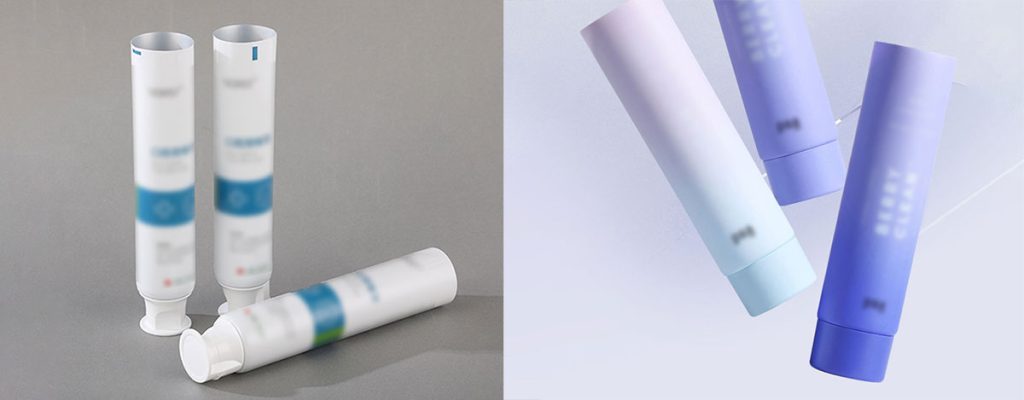
Seal integrity stands as the cornerstone of lami tube making machine. Manufacturers recognize that seal integrity directly impacts food quality, seal performance, and product safety. Seal integrity ensures that every laminated tube maintains food quality from production to consumer use. Seal integrity depends on material selection, machine calibration, and operator skill. Seal integrity also benefits from process monitoring and automation. Seal integrity supports food quality by preventing contamination and leakage. Seal integrity improves manufacturing efficiency and reduces waste. Seal integrity reflects the effectiveness of optimization techniques. Seal integrity drives continuous improvement in tube forming. Seal integrity encourages manufacturers to adopt new technologies and systematic approaches. Seal integrity remains the key to achieving superior seal performance and food quality.
FAQ
What Factors Affect Seal Integrity in Laminated Tube Packaging?
Seal integrity in laminated tube packaging depends on material selection, machine calibration, and operator skill. The lami tube making machine must maintain consistent sealing parameters. Adhesion between layers and seal strength also play critical roles in preventing leak formation and ensuring packaging quality.
How Can Manufacturers Prevent Leak Formation in Laminated Tube Packaging?
Manufacturers prevent leak formation by monitoring sealing parameters, using high-quality materials, and calibrating the lami tube making machine regularly. Automated systems detect early signs of leaks. Strong adhesion and optimal seal strength reduce the risk of leaks and improve packaging integrity.
Why Is Seal Strength Important for Packaging Quality?
Seal strength determines the durability and safety of laminated tube packaging. High seal strength prevents leaks and maintains product integrity. The lami tube making machine must produce seals with reliable adhesion to ensure packaging quality and protect contents from contamination.
What Role Does Adhesion Play in Seal Integrity?
Adhesion ensures that layers in laminated tube packaging bond securely. Strong adhesion prevents delamination and leak formation. The lami tube making machine must optimize sealing conditions to achieve maximum adhesion, which supports seal strength and overall packaging quality.
How Does Sustainability Impact Packaging Quality in Laminated Tube Manufacturing?
Sustainability influences packaging quality by encouraging the use of eco-friendly materials and efficient sealing processes. The lami tube making machine can reduce waste and improve seal integrity. Sustainable practices enhance packaging strength and minimize leak formation, supporting long-term product safety.