


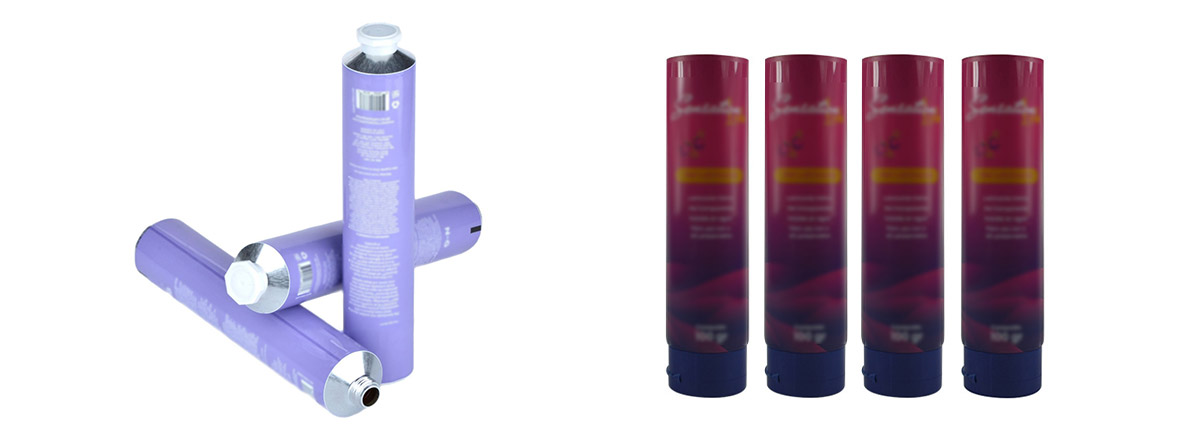
Selecting the right materials for a laminated tube plays a critical role in food packaging. Packaging professionals must consider how chemical migration can occur when substances transfer from packaging to food. Food safety depends on choosing inks and laminates that prevent harmful substances from leaching. Packaging components, such as inks, influence the likelihood of chemical migration. Regulatory compliance, substrate compatibility, and environmental sustainability remain essential factors in this decision process.
| Evidence Description | Impact on Food Safety and Packaging Performance |
|---|---|
| Food grade ink is formulated for safety in direct contact with food. | Prevents harmful substances from leaching into food, ensuring consumer safety. |
| Compliance with stringent regulatory standards. | Ensures that packaging meets safety requirements, enhancing food safety. |
Key Takeaways
- Choose food-grade laminates and inks to ensure safety and prevent harmful substances from leaching into food.
- Verify regulatory compliance by checking certifications and conducting regular audits to maintain food safety standards.
- Select materials with strong barrier properties to protect food from oxygen, moisture, and light, extending shelf life.
- Test inks and laminates together to ensure compatibility and avoid issues like poor adhesion or color fading.
- Prioritize sustainability by opting for recyclable and biodegradable materials to meet environmental goals and consumer expectations.
Key Criteria for Laminated Tube Food Packaging
Material Safety
Material safety forms the foundation of any food packaging solution. Manufacturers use materials like wax-coated paper, PE lamination, and PLA coating to create safe barriers between food and the environment. Each material offers unique properties and holds specific safety certifications. The table below summarizes the most common materials and their certifications:
| Material Type | Properties | Safety Certifications |
|---|---|---|
| Wax-Coated Paper | Biodegradable, moderate resistance to oil/moisture | FDA 21 CFR, EU 1935/2004, GB 4806 |
| PE Lamination | Waterproof, durable, recyclable | FDA 21 CFR, EU 1935/2004 |
| PLA Coating | Biodegradable, food-safe, oil-resistant | FDA 21 CFR, EU 1935/2004 |
These materials meet strict safety standards, ensuring that the laminated tube does not transfer harmful substances to food. Selecting certified materials protects consumers and upholds the quality of food packaging.
Regulatory Compliance
Regulatory compliance ensures that packaging meets national and international standards for food safety. Authorities such as the FDA, the European Union, and China’s GB 4806 set clear requirements for food packaging materials. Companies must verify that all laminates and inks comply with these regulations. Regular audits and documentation help maintain compliance and prevent costly recalls. Adhering to regulatory standards protects both consumers and brands.
Barrier Properties
Barrier properties play a vital role in protecting food from contamination and spoilage. Laminated tubes must block oxygen, moisture, and light to extend shelf life and preserve product quality. The following table outlines essential barrier properties:
| Barrier Property | Description |
|---|---|
| Oxygen Barrier | Prevents oxygen from entering, preserving freshness and shelf life of food. |
| Moisture Protection | Shields contents from moisture, reducing spoilage and contamination risks. |
| Light and UV Protection | Protects against light and UV radiation, enhancing product longevity. |
Strong barrier properties ensure that food packaging maintains freshness and safety throughout distribution and storage.
Mechanical Performance
Mechanical performance determines how well a laminated tube withstands handling and transportation. Researchers have found that bond strength in flexible laminates affects puncture resistance and flexibility. Strong adhesive bonds improve mechanical properties, while lower bond strength can increase flexibility and puncture resistance. The relationship between bond strength, flexibility, and puncture resistance is complex. Manufacturers must balance these factors to produce packaging that protects food and maintains its integrity during use.
Compatibility with Food Contents
Compatibility with food contents is essential for safe packaging. Not all laminate materials suit every type of food. Some plastics may leach chemicals, especially when in contact with acidic or fatty foods. Food-grade materials must form the layer that touches the food. Packaging professionals should always select materials that match the specific food product to avoid contamination and ensure safety.
- Not all laminate materials are safe for food contact.
- Certain plastics may leach harmful chemicals into food, particularly with acidic or fatty contents.
- It is crucial to select food-grade materials for layers in direct contact with food.
Sustainability Factors
Environmental sustainability has become a top priority in food packaging. Companies now seek materials that reduce waste and environmental impact. The table below highlights current trends in sustainable packaging:
| Trend Description | Example |
|---|---|
| Increasing demand for sustainable and recyclable packaging alternatives | Companies are focusing on developing laminated plastic tubes that are recyclable and sustainable. |
| Adoption of eco-friendly practices due to regulatory compliance and activism | Businesses are implementing recyclable and biodegradable materials to minimize waste. |
| Collaboration for innovative recyclable products | Kimpai Lamitube and Dow Thailand Group produced the first recyclable laminated toothpaste tube. |
| Recognition of sustainable packaging in the pharmaceutical sector | Hoffmann Neopac won the Pharmapack Sustainability Award for their Polyfoil MMB mono-material tubes. |
Sustainable materials such as PLA and recyclable PE help companies meet environmental sustainability goals. These choices also appeal to consumers who value eco-friendly packaging.
Integration with Lami Tube Making Machine
Integration with the lami tube making machine is critical for efficient production. The selected laminate must run smoothly on the machine to ensure consistent quality and minimize waste. Material thickness, flexibility, and adhesive properties affect how well the laminate performs during manufacturing. Packaging professionals should collaborate with machine suppliers to test new materials and optimize settings. This partnership helps maintain high standards in flexible food packaging and supports the production of safe, reliable tubes.
Ink Selection for Food Packaging Films
Selecting the right ink for food packaging films is a critical step in ensuring food safety, regulatory compliance, and packaging performance. The properties of inks used on food packaging films directly affect the outcome of food packaging testing, migration testing, and the overall quality of the laminated tube. Each aspect, from migration limits to odor and taste transfer, plays a unique role in protecting food and maintaining high safety standards.
Migration Limits
Migration limits define how much of a substance can transfer from food packaging films into food. Regulatory bodies in different regions set these limits to protect consumers. The European Union requires that materials in contact with food must not change the food’s composition or negatively affect its taste and odor. The United States and the EU have different approaches to migration testing and clearance, as shown below:
| Jurisdiction | Regulation | Key Points |
|---|---|---|
| EU | Regulation (EC) 1935/2004 | Establishes positive lists of permitted substances with numeric migration limits. |
| US | 21 CFR Part 176 | Focuses on clearance status and conditions of use, differing from EU’s SML testing. |
In the EU, Framework Regulation (EC) 1935/2004 mandates that materials in contact with food must not endanger health. Inks are not separately regulated but must comply with these general requirements once applied to packaging. Additional guidelines, such as Regulation (EU) 10/2011 for plastic food contact materials and the European Printing Ink Association (EuPIA) guidelines, help manufacturers meet safety standards. Some countries, like Switzerland and Germany, have their own specific migration requirements for inks used in food packaging films.
Migration testing is essential when the transfer of ink components to food is uncertain. These studies simulate real-world conditions to determine if migration levels pose a risk. Water-based inks, often used on the outside of food contact layers, require careful food packaging testing to ensure purity. Formulators use high-boiling, low-diffusivity components to minimize migration risks.
Substrate Compatibility
Ink compatibility with food packaging films such as PET, PE, and aluminum foil ensures strong adhesion, color stability, and durability. The choice of ink must match the substrate to prevent defects and maintain food safety. The table below summarizes common ink types and their compatibility with popular substrates:
| Ink Type | Substrate Compatibility | Performance Characteristics |
|---|---|---|
| Laminating Packaging Ink | PET, PE, Aluminum Foil | Long-term color stability (ΔE <2.0 after 6 months), lamination strength of 400 g/25 mm, prevents browning. |
| Laminating Ink Resin | PET, Aluminum, PE | Lamination bond strength of 450 g/25 mm, thermal resistance up to 220-250°C, excellent compatibility with nitrocellulose. |
| Surface Printing Ink | Aluminum Foil, BOPP, PET | High gloss finish, rapid drying, rub resistance, achieves gloss values of 70-90 GU. |
Selecting the right ink for each substrate supports effective food packaging testing and ensures the laminated tube meets performance and safety requirements.
Ink Amount and Surface Unit
The amount of ink applied to food packaging films affects both migration and the results of food packaging testing. Excessive ink can increase the risk of migration, especially if the ink contains small molecules that can move into food. Manufacturers must control ink laydown to meet migration limits and maintain print quality. Food packaging testing often includes measuring ink density and evaluating its impact on migration testing outcomes.
Tip: Use only the necessary amount of ink to achieve the desired print effect. This practice reduces migration risk and supports compliance with safety standards.
Color Fastness
Color fastness measures how well ink maintains its color on food packaging films over time. High color fastness ensures that packaging remains attractive and legible throughout its shelf life. Laminating packaging inks and resins offer long-term color stability, with minimal color change even after months of storage. Food packaging testing includes accelerated aging tests to assess color fastness and ensure the packaging meets quality expectations.
Drying Time and Smear Resistance
Drying time and smear resistance are crucial for efficient production and high-quality food packaging films. Different drying methods, such as heating, ultraviolet, and electron beam, affect how quickly inks cure. Fast-drying inks support high-speed production lines and reduce the risk of ink migration. They also improve smear and smudge resistance, which is vital for maintaining print quality during handling and transportation.
- Heating drying accelerates solvent evaporation and chemical reactions, achieving rapid drying for mass production.
- Ultraviolet drying uses UV rays for quick curing, ideal for high-speed printing.
- Electron beam drying triggers polymerization with electron beams, offering fast curing but at a higher equipment cost.
- Assisted evaporation can achieve drying times of less than one second for solvent ink formulations, depending on the substrate.
Fast-drying inks not only enhance production efficiency but also support sustainability by using less energy and improving durability. Food packaging testing often evaluates drying time and smear resistance to ensure the packaging meets industry standards.
Regulatory Standards

Regulatory standards for inks used in food packaging films vary by region. The German Printing Ink Ordinance (GIO) in Europe provides a legally binding positive list of substances allowed in printing inks for food contact materials. This ordinance fills a regulatory gap in the EU and ensures that harmful chemicals do not migrate into food. Compliance with these standards is essential for passing food packaging testing and migration testing.
Manufacturers must also follow Good Manufacturing Practices (GMPs) and stay updated on changes to regulations. Regular food packaging testing and documentation help companies demonstrate compliance and maintain consumer trust.
Odor and Taste Transfer
Odor and taste transfer can occur when ink components migrate from food packaging films into food. Different ink formulations may affect the sensory properties of food, making it essential to select inks that do not impart unwanted flavors or smells. Good Manufacturing Practices help prevent food adulteration by ensuring inks do not introduce harmful substances. Factors such as ink amount, substrate type, food type, and processing conditions influence the risk of odor and taste transfer.
Food packaging testing includes sensory evaluations to detect any changes in food caused by packaging. Migration testing also helps identify potential risks and supports the selection of safe, high-quality inks for food packaging films.
Note: Always conduct thorough food packaging testing and migration testing to ensure inks do not affect the taste or odor of food.
Regulatory Checklist for Food Packaging
Global Standards (FDA, EU, China)
Regulatory requirements for food packaging differ across regions. Each authority sets unique rules for laminates and inks. The table below compares the main approaches in the United States, European Union, and China:
| Region | Regulatory Approach | Key Features |
|---|---|---|
| FDA | Risk-based | Emphasizes functional barriers, flexibility in compliance, no prescriptive positive list for inks. |
| EU | Stricter national laws | Migration limits, specific migration limits for toxic substances, conservative thresholds for unassessed substances. |
| China | Dedicated standards | New ink standards, recognition of functional barriers, similar safety principles to EU regulations. |
Global food packaging testing standards require companies to understand these differences. They must ensure that packaging meets the correct requirements for each market.
Documentation and Certifications
Proper documentation proves compliance with safety standards and regulatory requirements. Buyers should request the following documents from suppliers:
- Certificate of Compliance (COC): A supplier declaration confirming compliance with regulations.
- Laboratory Test Reports: Independent verification of migration and absence of harmful substances.
- Supplier Declarations: Ingredient lists confirming raw materials used in inks.
- Printing Process Records: Information on curing, lamination, and quality control.
- Declaration of compliance: Specific to product and regulation, such as EU 1935/2004 or FDA.
- Technical Specification Sheet: Details on composition, coating chemistry, and processing conditions.
- Migration Testing Summary: Overview of overall and specific migration for substances of concern.
- Change Control Statement: Procedures for notifying changes in formulation.
- Certification Copies: Valid certifications such as ISO 9001, FSSC 22000, or BRCGS.
These records help buyers confirm the quality and safety of food packaging materials.
Supplier Verification
Supplier verification supports ongoing compliance and high quality. Companies conduct hazard analyses to identify suppliers who control significant food safety hazards. They evaluate suppliers for approval and set verification activities at regular intervals. Best practices include:
- Annual onsite audits for suppliers managing significant hazards.
- Sampling and testing of raw materials.
- Review of food safety records.
- Additional verification based on supplier performance and risk assessment.
Tip: Regular supplier verification ensures that packaging meets safety standards and regulatory requirements.
Practical Steps for Packaging Buyers
Specifying Laminates and Inks
Packaging buyers should define clear specifications when ordering materials for a laminated tube. These specifications help ensure the packaging meets food safety and performance needs. The table below outlines key parameters to include:
| Specification | Description |
|---|---|
| Thickness | Measured in microns, tailored for application requirements. |
| Tensile Strength | Indicates how much force the laminate can withstand before breaking. |
| Elongation at Break | Shows how much the laminate stretches before it breaks. |
| Heat Seal Strength | Ensures seals remain secure during packaging and storage. |
| Barrier Properties | Includes oxygen and water vapor transmission rates, and light protection. |
| Compliance | Must meet ISO 22000, FDA, EU 10/2011, and REACH food safety standards. |
Testing and Approval Process
A structured testing and approval process ensures packaging materials are safe for food. The following steps guide buyers through this process:
| Step | Description |
|---|---|
| 1 | Conduct migration testing to confirm no harmful substances transfer to food. |
| 2 | Use high-performance adhesives to avoid chemical risks. |
| 3 | Verify that adhesives are fully cured before shipment. |
| 4 | Specify low migration inks for sensitive food products. |
| 5 | Control set-off during printing to prevent ink transfer to food-contact layers. |
Supplier Questions
Buyers should ask suppliers targeted questions to assess safety and compliance:
- How do you address drying-speed and temperature-control challenges?
- Do you have an in-house R&D team and testing facilities?
- Can you provide residue, OTR, or MVTR test reports?
- Do you support solvent-free lamination or other low-impact structures?
- Do you have certification and export experience in Europe or North America?
Document Requests
Requesting the right documents helps verify compliance and quality:
- Safety data sheets (SDS) and certificates of compliance for all materials.
- Audit reports confirming good manufacturing practices.
- Contracts that define regulatory expectations.
- Scenario-specific Declaration of Compliance (DoC) with tested food types and temperatures.
- OTR/WVTR and extraction test reports for storage conditions.
- FDA Letter of Non-Objection (LNO) if recycled content is used.
Three categories of documentation confirm a food-grade claim: Declaration of Compliance, migration test reports, and traceability/change-control records.
Collaboration with Lami Tube Making Machine Suppliers
Effective collaboration with lami tube making machine suppliers ensures that selected laminates and inks run smoothly on production lines. Buyers should:
- Inquire about technical assistance and troubleshooting support.
- Review warranty terms and inventory management programs.
- Test new materials on the machine before full-scale production.
This partnership helps maintain packaging quality, extends shelf life, and supports compliance with food packaging standards.
Common Pitfalls in Food Packaging Selection
Migration Testing Oversights
Many companies overlook important steps during migration testing. They may not fully understand the materials used in their products or fail to identify chemicals that could migrate. Some teams select the wrong food simulants, which do not match the actual type of food the packaging will contact. Testing conditions, such as temperature and exposure time, sometimes do not reflect real-life scenarios. Incomplete information about the material, intended use, or regulatory needs can also lead to inaccurate results.
To avoid these mistakes, teams should:
- Identify all chemicals in the materials.
- Choose food simulants that match the actual food type.
- Set testing conditions that reflect real-world use.
- Provide clear details about the material and its use.
Ignoring Substrate Compatibility
Ignoring substrate compatibility can cause ink to fail or packaging to lose its protective qualities. When the ink does not match the film or laminate, problems like poor adhesion, color fading, or smearing may occur. These issues can lead to recalls or safety risks. Teams should always test inks and laminates together before full production.
Compliance Updates
Regulatory requirements for packaging change often. Recent updates focus on allergen management and digital traceability codes. Companies must follow the EU’s Framework Regulation (EC) No 1935/2004 and provide a Declaration of Compliance for legal acceptance. New rules may require recyclable or biodegradable materials and more supply chain transparency. A compliance management system helps companies track these changes and maintain proper documentation.
- Stay informed about regional regulations.
- Use digital tools for traceability.
- Disclose environmental impacts when required.
Machine Compatibility Issues
Machine compatibility problems can disrupt production and lower quality. Common issues include low laminate bonds, tunneling, poor chemical resistance, bubbles, haziness, and ink bleed. The table below shows frequent problems and their causes:
| Issue | Common Causes |
|---|---|
| Low laminate bonds | Low adhesive coating, poor wetting, wrong temperature, surface contamination |
| Tunneling in laminate | Incorrect mix ratios, web tension imbalance, excessive coating |
| Ink bleed or smear | Improperly dried inks, ink incompatibility |
Testing new materials on actual machines and working with suppliers can prevent these problems.
Conclusion

Selecting the right materials and inks for a laminated tube protects food safety and supports regulatory compliance. A structured process helps companies avoid migration risks, maintain product quality, and meet legal standards. The table below shows the benefits of careful selection:
| Concern | Description |
|---|---|
| Regulatory Compliance | Low migration inks help meet strict regulations, ensuring packaging does not transfer harmful substances to food. |
| Consumer Safety | These inks minimize health risks by reducing the chance of harmful substances leaching into food products. |
| Product Integrity | Prevents contamination that could affect the quality and taste of food or beverages. |
Buyers should use checklists, test materials, and work closely with suppliers and machine manufacturers for the best results.
FAQ
What Does “Food-Grade” Mean for Laminates and Inks?
“Food-grade” means the material or ink is safe for direct contact with food. It meets strict safety standards set by authorities like the FDA or EU. These products do not release harmful chemicals into food.
How Can Companies Verify Regulatory Compliance?
Companies should request certificates of compliance, migration test reports, and supplier declarations. They can also review audit records and technical data sheets. Regular supplier audits help maintain ongoing compliance.
Why Is Migration Testing Important?
Migration testing checks if chemicals move from packaging into food. This process protects consumers from harmful substances. It also helps companies meet legal requirements for food safety.
What Are Common Sustainable Materials for Laminated Tubes?
Common sustainable materials include PLA (polylactic acid) and recyclable PE (polyethylene). These materials reduce environmental impact. Many brands now choose them to support eco-friendly packaging goals.
How Do Buyers Ensure Machine Compatibility?
Buyers should test new laminates and inks on actual lami tube making machines. They can ask suppliers for technical support and review machine performance data. Collaboration with machine manufacturers helps prevent production issues.