


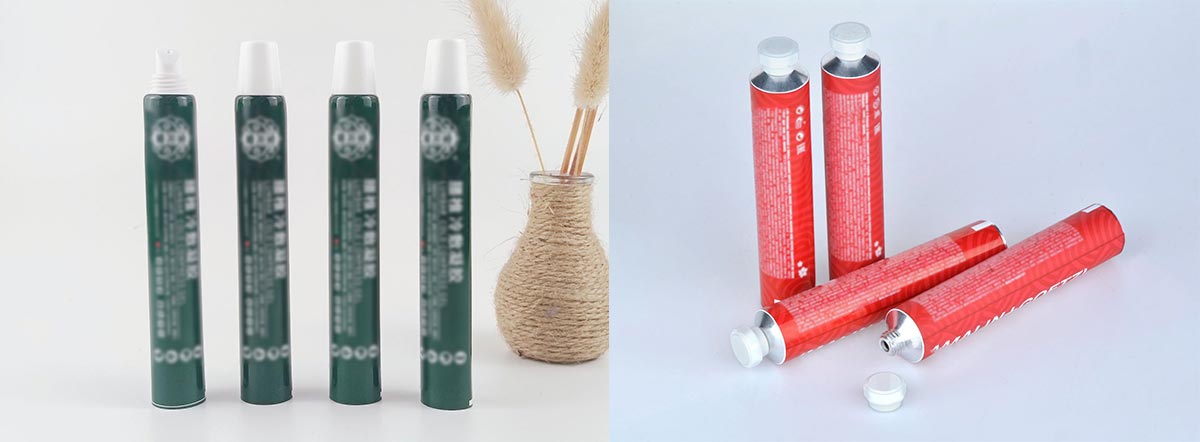
New sealing technologies have transformed lami tubes, making custom shapes possible for many industries. Automated systems now boost production efficiency and sustainability. Companies report a 25% drop in plastic waste after upgrading their sealing equipment. A cosmetic tube manufacturer introduced biodegradable tubes using advanced machinery.
| Impact Area | Description |
|---|---|
| Production Efficiency | Advanced machines increase throughput and productivity. |
| Sustainability | Eco-friendly materials and processes reduce environmental impact. |
| Waste Reduction | Automated systems decrease operational waste and energy consumption. |
- The laminated tubes market is set to grow from USD 2.8 billion in 2025 to USD 5.2 billion by 2035, with a CAGR of 6.4%.
- The cosmetics industry will hold a 52.3% share of this market in 2025.
Key Takeaways
- Automated sealing systems boost production speed and accuracy, reducing labor costs and waste.
- Sustainable materials like PCR plastics and sugarcane bioplastics help companies meet environmental goals.
- Customization in lami tubes enhances brand identity and consumer connection through unique designs.
- Advanced sealing technologies improve product protection, ensuring quality and extending shelf life.
- The lami tube market is growing rapidly, driven by demand for eco-friendly and personalized packaging solutions.
Innovations in Lami Tube Sealing
Automated Filling and Sealing Systems
Automated filling and sealing systems have transformed the production of lami tubes. These systems use advanced technology to increase speed, accuracy, and efficiency. A lami tube making machine can handle every step, from tube feeding to sealing and coding, with minimal human intervention. This automation reduces errors and labor costs.
| Advancement Type | Description |
|---|---|
| High-Speed Sealing Mechanisms | Linear, ultrasonic, and induction sealing for tamper-proofing. |
| Automation and Robotics | Automated changeover, defect-detection vision, and tube loading/unloading. |
| Precision Filling Technology | Servo pumps, laser fill level measurement, and piston filling for thick pastes. |
| Industry 4.0 Integration | IIoT data collection, AI sensors, and AR-enabled smart glasses for operators. |
| Custom-Engineered Solutions | Multi-tube filling heads for diverse needs. |
| Flexible, Modular Design | Quick changeover modules for various tube sizes and customized solutions. |
A typical automated system follows these steps:
- Feeds tubes and identifies registration marks.
- Fills, seals, codes, and trims tube ends.
- Outputs finished tubes efficiently.
These machines use touch screen controls for easy adjustments. They also feature ultrasonic sealing technology, which creates stable and neat seals with a low reject rate. Every step is meticulously controlled, ensuring precision and reducing waste.
Tip: Automated filling and sealing systems help cosmetic tube manufacturers achieve 100% accuracy, which minimizes product loss and maximizes efficiency.
Precision filling technology reduces material waste. Accurate filling ensures that each tube contains the correct amount of product, which prevents overfilling and underfilling. This accuracy supports sustainability goals by reducing resource consumption.
NEOSeam and Advanced Welding
NEOSeam technology represents a major innovation in lami tube packaging. This technology creates a seamless 360° design, which enhances the visual appeal of the tube. The high-quality side seam produced by NEOSeam improves the structural integrity of the tube, making it more durable.
Advanced welding methods, such as RF welding and laser welding, further improve the durability and appearance of lami tube seals. These methods produce strong, airtight, and watertight seams. The precision and control offered by advanced welding lead to uniform and attractive welds. This reduces the likelihood of defects and increases overall product quality.
A lami tube making machine equipped with NEOSeam and advanced welding capabilities allows manufacturers to offer unique customization options. They can create custom shapes and seamless designs that stand out on retail shelves. This level of customization supports branding and product differentiation.
PBL Tubes and Sustainable Solutions
Sustainability has become a key focus in lami tube packaging. PBL (Plastic Barrier Laminate) tubes use lightweight, multilayer construction. This design reduces transportation emissions while protecting the product inside. Many manufacturers now use recyclable mono-material tubes, which support recycling efforts and reduce environmental impact.
| Material Type | Contribution to Environmental Goals |
|---|---|
| PBL Tubes | Lightweight, multilayer design lowers transportation emissions and protects products. |
| PCR Plastic Squeeze Tubes | Made from post-consumer recycled materials, reducing plastic waste and carbon footprint. |
| Sugarcane Bioplastic Tubes | Derived from renewable sugarcane, lowering carbon footprints and reducing reliance on fossil fuels. |
| Kraft Paper Tubes | Made from recycled paperboard, offering biodegradable options for eco-conscious consumers. |
Lami tube packaging now includes options made from post-consumer recycled materials and renewable resources like sugarcane. Kraft paper tubes provide biodegradable alternatives for brands focused on eco-friendly solutions. These innovations help companies meet environmental goals and appeal to consumers who value sustainability.
Note: The shift toward sustainable materials and advanced sealing technologies reflects a broader trend in the packaging industry. Companies that adopt these innovations can reduce waste, improve efficiency, and enhance their brand image.
Laminated tube continues to evolve, driven by the demand for customization, sustainability, and performance. As new materials and sealing methods emerge, manufacturers can offer more choices to meet the needs of different industries.
Customization Trends in Lami Tube Packaging
Custom Cosmetic Tubes for Branding
Brands in the cosmetics industry rely on custom cosmetic tubes to build strong identities and connect with consumers. Cosmetic tube manufacturers use digital printing to create vibrant graphics and unique finishes that reflect brand values. Personalization plays a key role, as limited-edition designs and customized labels foster emotional connections. Technology integration, such as interactive packaging, encourages brand loyalty and repeat purchases.
| Aspect | Description |
|---|---|
| Unique Finishes | Communicate brand values and align with brand identity. |
| Personalization | Fosters emotional connections with consumers. |
| Technology Integration | Provides interactive experiences and enhances loyalty. |
Modern consumers seek exclusivity and connection. Custom cosmetic tubes often feature minimalist designs, which resonate with buyers and increase sales. Brands also choose eco-friendly materials to appeal to environmentally conscious shoppers.
Unique Seals and Shapes for Product Protection
Custom shapes and sizes in lami tubes offer more than visual appeal. They improve product protection, especially for sensitive formulations. Proper sealing maintains product quality and prevents leaks, evaporation, and spills. UV-resistant materials and airless technology preserve active ingredients and extend shelf life.
- Seals prevent contamination and maintain purity.
- Opaque packaging blocks harmful light.
- Airless designs protect sensitive contents.
Customization options allow brands to select tube sizes and shapes that suit specific products. This flexibility accommodates diverse market needs and ensures hygienic conditions during production.
Display Features and Retail Appeal
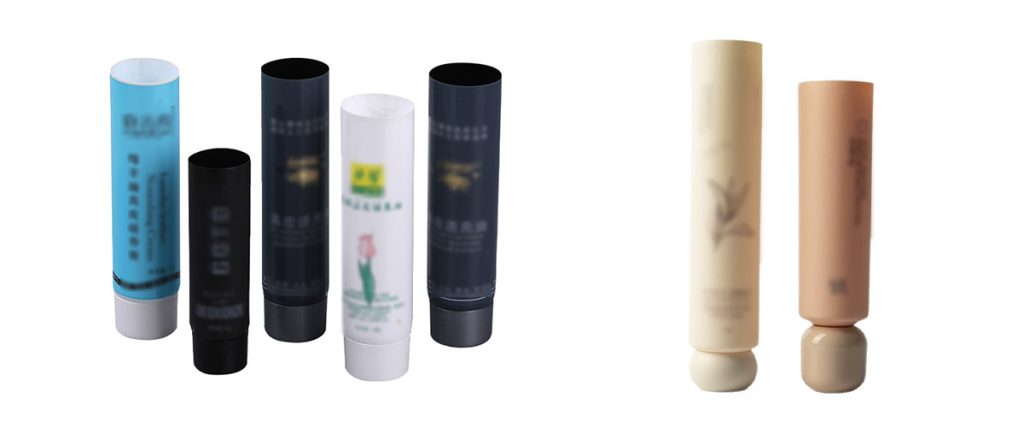
Display features in lami tube packaging influence consumer purchasing decisions. Brands use eye-catching designs, bold colors, and clear labeling to attract attention on retail shelves. Special finishes, such as matte or satin, add a premium feel. Digital printing enables high-resolution graphics that enhance shelf presence.
| Feature Type | Description |
|---|---|
| Tube Shapes | Oval, round, tall, or short tubes for visual variety. |
| Color Choices | Vibrant colors boost visual identity. |
| Typography | Unique fonts support brand recognition. |
| Special Finishes | Matte or satin finishes create a premium look. |
| Digital Printing | High-quality graphics make products stand out. |
Consumers prefer packaging that is easy to use, portable, and hygienic. Eco-friendly materials and unique designs foster brand loyalty. Social media and influencer endorsements further drive demand for innovative packaging.
Tip: Customization options in display features help brands create memorable experiences and encourage impulse purchases.
Sealing Technologies for Custom Plastic Tube Packaging
Heat and Ultrasonic Welding
Heat and ultrasonic welding stand as the primary methods for sealing custom plastic tube packaging. Each method offers unique advantages for different tube designs. Heat sealing uses temperature to bond materials, while ultrasonic welding relies on high-frequency vibrations. The following table highlights their main differences:
| Aspect | Heat Sealing | Ultrasonic Sealing |
|---|---|---|
| Working Principle | Sealing by temperature; difficult to control | Sealing by ultrasonic; easy to control |
| Application Ranges | Suitable for plastic tubes only | Suitable for plastic, aluminum-plastic, and composite tubes |
| Cost for Sealing Mold | Requires changing molds for different diameters; approx. $2000 | Requires changing only tube holders; approx. $250 |
| Stability | More complex; harder to repair | More stable; easier to test and repair |
Ultrasonic welding provides greater control and stability, making it ideal for custom plastic tube packaging with unique shapes. Cosmetic tube manufacturers often choose ultrasonic methods for tamper-evident features and a leak-proof design. Both methods create strong, permanent bonds that enhance durability and product integrity. Weld seams remain less visible, giving tubes a clean, professional look.
Seamless and Curved Seal Options
Seamless and curved seal options have become popular in advanced sealing techniques. These features help prevent leakage or bursting, which is essential for tamper-evident features. Curved seals add a premium finish and improve product visibility on retail shelves. Lami tube making machine now supports seamless and curved seals, allowing brands to offer customization that meets both functional and aesthetic needs.
- Seamless tubes reduce the risk of leaks.
- Curved seals enhance shelf appeal and brand recognition.
A cosmetic tube manufacturer can use these options to create packaging that stands out and protects sensitive formulas.
Material Choices and Tube Anatomy
Material selection plays a crucial role in the performance and recyclability of lami tubes. The table below compares common packaging materials:
| Packaging Material | Shelf Life Comparison | Barrier Properties |
|---|---|---|
| Plastic Barrier Laminates | Better than paper laminates | Superior protection against moisture and oxygen |
| Paper Laminates | Needs extra processing | Good for dry goods, less effective than plastic |
| Metal and Glass | Longest shelf lives | Impermeable to gases, light, and moisture |
Aluminum barrier laminate tubes achieve a recyclability rate of about 30%. Metallized polymer laminate tubes reduce metal depletion by 71% and fossil depletion by 21% compared to aluminum foil. Their global warming potential is half that of aluminum foil laminated tubes. Manufacturers like Essel Propack have developed ways to recycle post-industrial plastic and separate materials in laminated tubes without heat or chemicals, though multi-layer films still pose challenges.
The anatomy of a tube—head, shoulder, and orifice—affects the choice of sealing technology. For example, hot air sealing and ultrasonic sealing work best with certain tube shapes and materials. The type of tube, whether extruded, laminate, or aluminum, determines the most suitable sealing method to ensure safety and usability. Lami tube making machine enables advanced sealing techniques and customization, supporting the creation of tamper-evident features and high-performance packaging.
Choosing the Right Solution for Lami Tubes
Industry-Specific Needs
Selecting the right sealing technology for lami tubes depends on the product and the industry. Companies must consider precision in sealing and cutting, energy efficiency, and user-friendly interfaces. Built-in quality assurance systems help maintain high standards, while reliable after-sales support ensures smooth operations. The table below summarizes key criteria:
| Criteria | Description |
|---|---|
| Precision in sealing and cutting | Ensures perfect edges and leak-proof seals, enhancing the overall quality of the tubes. |
| Energy efficiency | Reduces operating costs and meets environmental standards, making production more sustainable. |
| User-friendly interfaces | Simplifies operation for less experienced workers, improving efficiency and reducing training time. |
| Quality assurance systems | Built-in inspection systems help maintain high product quality by detecting defects early. |
| After-sales support | Reliable support ensures minimal downtime and quick resolution of issues, enhancing long-term performance. |
Industry-specific regulations play a major role. For example:
- Packaging materials must comply with safety and quality standards to protect consumer health.
- In the pharmaceutical sector, laminated tubes must meet strict guidelines set by regulatory bodies like the FDA.
A cosmetic tube manufacturer often selects custom plastic tube packaging that meets both branding and regulatory requirements.
Balancing Sustainability and Performance
Manufacturers face challenges when balancing sustainability and performance. Over 70% of packaging developers report that trade-offs between these factors are their top innovation challenge. Key issues include:
- Maintaining barrier integrity and durability while using sustainable materials.
- Material sourcing and supply chain disruptions.
- Regulatory compliance with changing safety and environmental standards.
- Cost competitiveness, as advanced materials can increase expenses.
Manufacturers choose materials and coatings that balance eco-friendliness with protective qualities. They consider the type of product, brand positioning, cost constraints, and recyclability. For high-active formulas, full aluminum tubes with resistant coatings offer maximum protection. For stable creams or lotions, laminated tubes provide a premium look at lower cost.
Tip: Companies should evaluate both product needs and market trends before selecting custom plastic tube packaging.
Future Trends in Tube Packaging
Emerging trends continue to shape the future of lami tubes. The table below highlights key developments:
| Trend | Description |
|---|---|
| Technological Innovation | Enhances product performance, sustainability, and customization through advanced manufacturing techniques. |
| Automation and Smart Manufacturing | Improves efficiency, reduces lead times, and lowers production costs. |
| Innovations in Barrier Technology | Expands application possibilities with enhanced moisture and oxygen resistance. |
| Digital Printing and Customization | Allows brands to create unique designs appealing to consumer behavior trends. |
| Research into Sustainable Materials | Opens new avenues for sustainable packaging, aligning with consumer expectations. |
Advancements in lami tube making machine drive these trends. Automation and digital controls reduce labor and errors, while energy-efficient machinery lowers operational costs. Customization capabilities allow manufacturers to tailor tubes for brand identity and durability. Advanced barrier properties protect contents, and eco-friendly materials meet consumer demand for sustainable solutions.
Note: Smart packaging technologies, such as QR codes and NFC tags, increase consumer engagement and provide valuable product information.
Conclusion
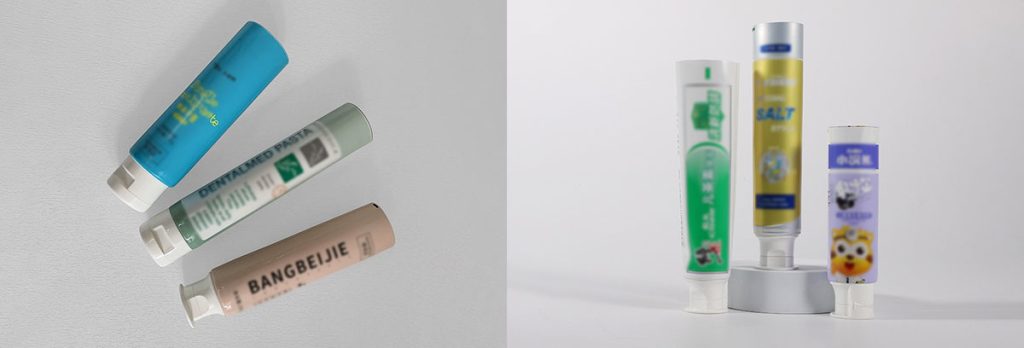
Innovative sealing technology and lami tube making machine have transformed packaging from standard to custom designs. Companies now benefit from automation, digital controls, and sustainable materials. Key developments include:
- Automation and smart packaging improve efficiency and reliability.
- Demand for personalized, eco-friendly tubes grows in cosmetics and pharmaceuticals.
- Quality inspection systems ensure product safety and appeal.
| Key Market Drivers | Key Trends Transforming the Market |
|---|---|
| Shift toward portable formats | Multi-layer barrier tubes gaining traction |
| Brand focus on barrier protection | Smart production lines and on-demand printing |
| Automation and digital printing | Demand for bioplastics and recyclable materials |
Businesses should select technologies that support both current needs and future trends in sustainability and customization.
FAQ
What Are the Main Benefits of Automated Sealing Systems?
Automated sealing systems increase production speed and accuracy. They reduce labor costs and minimize errors. Manufacturers achieve consistent quality and lower waste. These systems support sustainability goals and help companies meet industry standards.
How Does Lami Tube Making Machine Support Customization?
Lami tube making machine offers modular designs and flexible settings. Operators adjust tube sizes, shapes, and finishes easily. Machines integrate digital printing and advanced sealing methods. Brands create unique packaging that stands out in the market.
Which Materials Are Most Sustainable for Lami Tubes?
Manufacturers use PCR plastics, sugarcane bioplastics, and kraft paper for sustainable lami tubes. These materials reduce environmental impact. Companies select options based on recyclability, biodegradability, and product protection needs.
Why Do Cosmetic Brands Prefer Custom Tube Packaging?
Cosmetic brands choose custom tube packaging to enhance shelf appeal and brand identity. Unique shapes, vibrant graphics, and special finishes attract consumers. Customization supports product protection and meets regulatory requirements.
What Is the Difference Between Heat Sealing and Ultrasonic Sealing?
Heat sealing uses temperature to bond tube materials. Ultrasonic sealing relies on high-frequency vibrations. Ultrasonic methods offer better control and stability. Manufacturers select the method based on tube material and desired seal quality.