


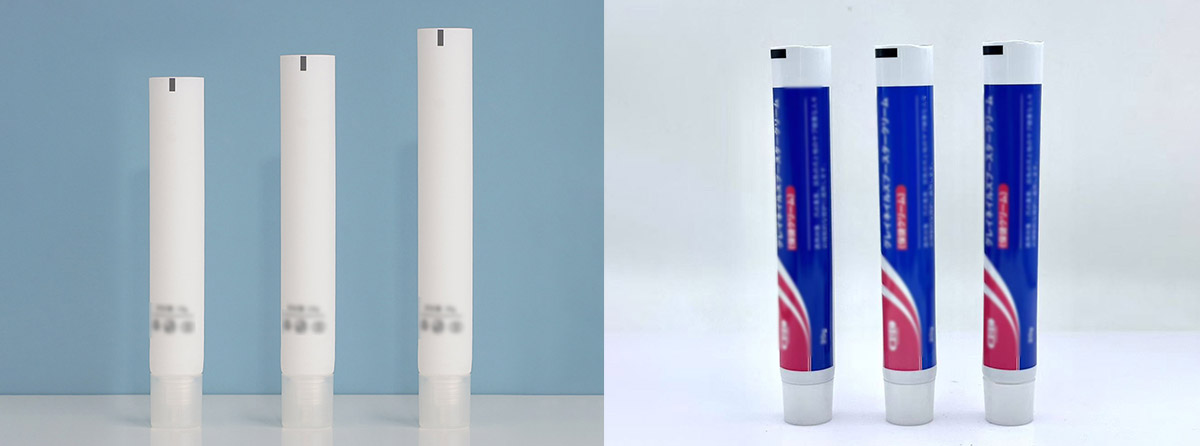
Preparation shapes every shift in lami tube production. Supervisors and operators strengthen safety and boost efficiency by following a thorough checklist.
- Careful checks at each stage protect laminated tubes from defects and keep production lines running smoothly.
- Attention to detail in material selection and equipment setup leads to consistent product quality.
Key Takeaways
- A pre-shift checklist ensures all machines are ready, reducing errors and downtime in lami tube production.
- Regular lubrication of equipment extends its life and maintains smooth operation, following a set schedule for different components.
- Operators must verify the quality of materials before production to ensure reliable tube performance and compliance with standards.
- Safety checks, including PPE and emergency equipment inspections, are crucial for maintaining a safe working environment.
- Continuous improvement of the checklist through regular updates and training enhances production quality and efficiency.
Machine Readiness
A successful shift in lami tube production begins with thorough machine readiness checks. Operators and supervisors must ensure every piece of equipment, especially the lami tube making machine, is fully prepared for the integrated manufacturing process. This preparation supports extrusion, lamination, tube formation, pressing, and sintering steps. Careful attention to inspection, lubrication, calibration, and safety systems helps prevent downtime and maintains product quality.
Machine Inspection
Operators inspect the laminated tube making machine and related equipment before each shift. They look for signs of wear and potential failures that could disrupt the production process. Common machine failures in lami tube production include:
- Erosion
- Corrosion
- Overheating
- Fatigue cracking
Early detection of these issues through pre-shift inspections prevents production losses and costly repairs. For tubes, specific inspection steps include:
- Burst Threshold Test: Set a pressure value and increase until the tube bursts to check if it meets the set value.
- Hold Test: Raise the tube pressure to a threshold and hold for five seconds to detect leaks.
- Hold Test to Burst Test: Combine the previous tests by holding pressure and then increasing until bursting.
Operators must check all machine surfaces, moving parts, and connections. They verify that pressing and sintering components are free from debris and damage. These steps ensure the equipment is ready for extrusion, lamination, and tube formation.
Lubrication Tasks
Lubrication keeps the lami tube making machine running smoothly. Operators follow a schedule to maintain optimal performance and prevent wear. The following table outlines recommended lubrication frequencies for key components:
| Component | Lubrication Frequency |
|---|---|
| Chains | Once a week |
| Guide Rails | Once a week |
| Bearings | Once a month |
| Cams | Once a month |
| Cylinder Rods | Every two weeks |
Operators apply lubricants to pressing and sintering mechanisms as well. Regular lubrication reduces friction, prevents overheating, and extends equipment life. They document each lubrication task to ensure consistency and accountability.
Calibration Checks
Calibration ensures the lami tube making machine produces tubes with precise dimensions and strong seals. Operators perform calibration checks before each shift and after any maintenance. Regular calibration and maintenance checks keep lamination machines in optimal condition, reducing maintenance costs and downtime.
Best practices for calibration checks include:
- Ensure the heating elements work correctly to maintain even lamination.
- Regularly check and adjust pressure settings according to material thickness.
- Monitor gauges and control panels for accurate readings and recalibrate if necessary.
Operators also follow manufacturer’s calibration guidelines and test the machine with sample runs post-calibration. The following table summarizes key calibration steps:
| Calibration Step | Purpose | Frequency |
|---|---|---|
| Forming roll setting | Controls tube diameter | Daily |
| Sealing temperature | Ensures strong seals | Per batch |
| Cutting length | Maintains tube uniformity | Per batch |
Calibration checks support the hot pressing sintering and pressing stages, ensuring the production process meets quality standards.
Safety Systems
Safety systems protect operators and maintain compliance with regulatory standards. Supervisors conduct risk assessments and safety inspections before commissioning machinery. They ensure the lami tube making machine meets national and international safety standards, such as:
- IEC 60204-1: Safety of machinery — Electrical equipment of machines
- IEC 61508-1: Functional safety of electrical/electronic/programmable electronic safety-related systems
- ANSI-ISO 12100: General principles for design, risk assessment, and risk reduction
Safety inspections by independent bodies are recommended. Local modifications to machinery may require a new conformity assessment. Operators check emergency stops, guards, and warning systems before starting the production process. These steps help prevent accidents during pressing, sintering, and tube formation.
Tip: Supervisors should document all safety checks and update protocols as regulations change.
Machine readiness forms the foundation of lami tube production. Careful inspection, lubrication, calibration, and safety checks ensure every shift begins with confidence and control.
Lami Tube Production: Material Preparation
Material Verification
Operators begin each shift by verifying all raw materials for the integrated manufacturing process. They check the quality of web stock, barrier layers, and resins used in the production of epoxy fiberglass rods and thin-walled tubes. High-quality, well-characterized materials ensure the preform meets the standards for both lami tube production and epoxy fiberglass laminated products. The following table summarizes key criteria for verifying materials used in laminated tube and thin-walled tube manufacturing:
| Criteria | Description |
|---|---|
| Barrier Properties | Oxygen transmission rate ≤0.5 cc/pkg/day |
| Migration Limits | Compliance with food/pharma application standards |
| Structural Integrity Validation | Pressure and seal strength tests for product reliability |
Operators also confirm compliance with CGMP standards and ensure a seamless transition to large-scale production. Material preparation errors, such as improper soaking or impurities in the preform, can cause lamination defects in thin-walled tubes. These defects impact the mechanical properties and integrity of the final product. Accurate control over soaking time and furnace temperature helps minimize these issues during the production process.
Storage Conditions
Proper storage conditions protect thin-walled preform materials and finished laminated tube products from damage. Operators store tubes and rods in temperature-controlled environments to avoid extreme heat or cold. They keep all thin-walled materials dry to prevent moisture-related defects. Direct sunlight or artificial light can degrade the preform and affect the quality of thin-walled tubes. Organized storage prevents contamination and supports the efficient flow of the production process.
Note: Regular inspections of storage areas help maintain optimal conditions for thin-walled and laminated tube materials.
Handling Procedures

Careful handling procedures reduce the risk of contamination or damage to thin-walled preform and laminated tube materials. Operators follow these steps:
- Handle all thin-walled tubes and rods with clean hands or gloves.
- Use tube racks and appropriate tools for safe transport and storage.
- Avoid dropping or throwing thin-walled preform materials.
- Clean tubes with suitable solutions to remove dirt.
- Inspect thin-walled tubes and rods regularly for signs of wear or damage.
- Store all thin-walled and laminated tube products in a clean, organized manner.
These procedures ensure the preform remains intact throughout the production process. Consistent material preparation supports the quality and reliability of thin-walled tubes and the overall lami tube production.
Tooling and Accessories
Tool Inventory
Operators begin each shift by reviewing the inventory of tools and dies required for lami tube production. They check for the presence of all essential items, such as forming dies, cutting blades, and alignment jigs. A complete inventory supports the integrated manufacturing process and prevents delays during tube formation. Operators also verify that specialized tools for thin-walled preform handling and sintering are available. The following table lists common tools and their uses:
| Tool Name | Use in Production |
|---|---|
| Forming Die | Shapes thin-walled tubes |
| Cutting Blade | Trims preform and rods |
| Sintering Jig | Holds preform during sintering |
| Pressing Fixture | Secures tubes for pressing |
Tip: Operators should update the tool inventory log after each shift to maintain accuracy.
Condition Check
Operators inspect each tool for signs of wear, damage, or contamination. They focus on surfaces that contact thin-walled preform materials, as even minor defects can affect tube quality. Sintering jigs and pressing fixtures must remain free from residue to ensure consistent results. Operators clean and calibrate tools as needed. They replace any tool that fails inspection to avoid defects in the final tubes. Regular condition checks help maintain the reliability of the hot pressing sintering and pressing stages.
Installation
Proper installation of tools and accessories ensures smooth production flow. Operators follow manufacturer guidelines when setting up forming dies and sintering jigs. They align pressing fixtures to match the dimensions of the thin-walled preform and rods. Secure installation prevents movement during pressing and sintering, which protects the integrity of the laminated preform. Operators test each setup with sample runs before starting full-scale production. This step confirms that all tools function correctly and that the thin-walled tubes meet quality standards.
Note: Supervisors should document installation procedures and provide training to new staff for consistent results.
Careful attention to tooling and accessories supports every stage of lami tube production. Reliable tools and precise installation reduce downtime and improve the quality of thin-walled tubes.
Quality Control Setup
Standards Review
Quality control in lami tube production begins with a clear understanding of industry standards. Operators and supervisors review guidelines before each shift. The process follows ISO 9001:2015 and ISO 14001:2015, which focus on quality management and environmental responsibility. The manufacturing area maintains ISO 8 purity class standards, which helps protect thin-walled tubes and rods from contamination.
The following table highlights key quality control standards:
| Quality Control Standard | Description |
|---|---|
| Material Integrity | Ensures the materials used are of high quality. |
| Printing Accuracy | Verifies that printed designs meet specifications. |
| Sealing Effectiveness | Tests the seals to prevent leakage. |
Operators check for incoming material quality, complete a pre-production checklist, and clear the line before starting. They monitor in-process control during pressing, sintering, and lamination. Before dispatch, they analyze and certify the finished tubes.
Sample Tools
Sample tools play a vital role in quality checks at every stage. Operators use these tools to test thin-walled preform, rods, and laminated preform during hot pressing sintering and sintering. They measure tube thickness, check seal strength, and inspect printing clarity. Sample tools also help verify the results of pressing and sintering steps.
- Calipers measure thin-walled tube dimensions.
- Pressure testers check seal effectiveness.
- Visual inspection tools identify surface defects.
Operators use these tools to ensure each preform meets the required standards before moving to the next stage.
Documentation
Accurate documentation supports traceability and accountability in production. Operators record visual checks for thin-walled tubes and rods, noting any visible defects. They complete a checklist that covers quantity, packaging, labeling, measurements, material certification, workmanship, and mechanical tests.
Adhering to ASTM and ASME guidelines ensures the reliability and durability of every product.
Supervisors store all records for future reference. This practice helps maintain high standards during pressing, sintering, and hot pressing sintering. Proper documentation also supports continuous improvement in lami tube production.
Safety and Compliance
PPE Check
Supervisors verify that all personal protective equipment (PPE) is available and in good condition before each shift. They inspect gloves, safety glasses, ear protection, and protective clothing. Operators wear PPE during every stage, including pressing and sintering. Clean and undamaged gear reduces the risk of injury and contamination. Supervisors remind staff to replace any worn or missing items. Proper PPE use supports a safe working environment and helps maintain product quality.
Tip: Supervisors should keep a checklist of required PPE and update it regularly to ensure compliance.
Emergency Equipment
Emergency equipment must remain accessible and functional in the production area. Supervisors check alarms, first-aid kits, fire extinguishers, and emergency lighting. They inspect exit signs and emergency exit routes daily. Eyewash stations and sprinkler systems receive weekly inspections for plumbed units. The table below shows recommended inspection frequencies for each type of emergency equipment:
| Emergency Equipment | Inspection Frequency |
|---|---|
| Employee Alarms Systems | Every other month, Annually |
| First-Aid Kits | Encouraged monthly |
| Emergency Lighting | Monthly, Annual |
| Exit Signs | Monthly |
| Fire Extinguishers | Monthly, Annual inspection |
| Emergency Eyewash Stations | Weekly for plumbed units |
| Sprinkler Systems | Weekly for plumbed units |
| Emergency Exit Routes | Daily visual |
| Fire Doors | Annual |
Regular inspections help prevent accidents during tube formation and sintering. Supervisors document each inspection and address any issues immediately.
Protocols
Compliance with plant safety standards requires strict adherence to established protocols. Supervisors follow these steps to ensure occupational safety regulations are met:
- Conduct a thorough assessment of all pipes and document current labeling practices.
- Develop a labeling plan with clear color codes and formats.
- Select durable labels suitable for the production environment.
- Prepare piping surfaces by cleaning and drying them before labeling.
- Create and apply labels with all necessary information.
- Train employees on the labeling system and record attendance.
- Implement a system for ongoing maintenance and updates of labels.
- Conduct regular audits to check labeling compliance.
- Maintain accurate records of all labeling activities.
Supervisors reinforce these protocols during every shift. They provide training and monitor compliance throughout pressing, sintering, and tube assembly. Consistent protocol enforcement protects employees and ensures regulatory standards are met.

Conclusion
A comprehensive pre-shift checklist supports consistent lami tube production quality and minimizes downtime. Daily use of structured checklists helps employees:
- Minimize errors and reduce waste, which protects the quality of tubes.
- Adhere to essential quality control measures at every stage.
- Detect potential issues early, preventing costly disruptions and ensuring compliance.
Continuous improvement keeps the checklist relevant. Teams can:
- Engage stakeholders to gather diverse ideas.
- Review and update the checklist regularly.
- Conduct training sessions for new processes.
- Use software solutions to streamline tasks and improve decision-making.
Supervisors should encourage daily checklist use and promote ongoing updates. Commitment to pre-shift protocols strengthens safety and product reliability.
FAQ
What Is the Purpose of a Pre-Shift Checklist in Lami Tube Production?
A pre-shift checklist helps operators and supervisors confirm that machines, materials, and safety systems are ready. This process reduces errors, prevents downtime, and supports consistent tube quality.
How Often Should Operators Lubricate Lami Tube Equipment?
Operators follow a set schedule for lubrication. For example, they lubricate chains and guide rails weekly, bearings and cams monthly, and cylinder rods every two weeks.
Regular lubrication extends equipment life and maintains smooth operation.
Which Materials Require Verification Before Production?
Operators verify web stock, barrier layers, and resins before each shift.
- They check for quality, compliance with standards, and absence of defects.
- Proper verification ensures reliable tube performance and product safety.
Why Is Documentation Important in the Production Process?
Documentation tracks inspections, maintenance, and quality checks.
| Benefit | Description |
|---|---|
| Traceability | Identifies issues quickly |
| Accountability | Confirms tasks are completed |
| Improvement | Supports process enhancements |
Accurate records help teams maintain high standards and meet regulations.