


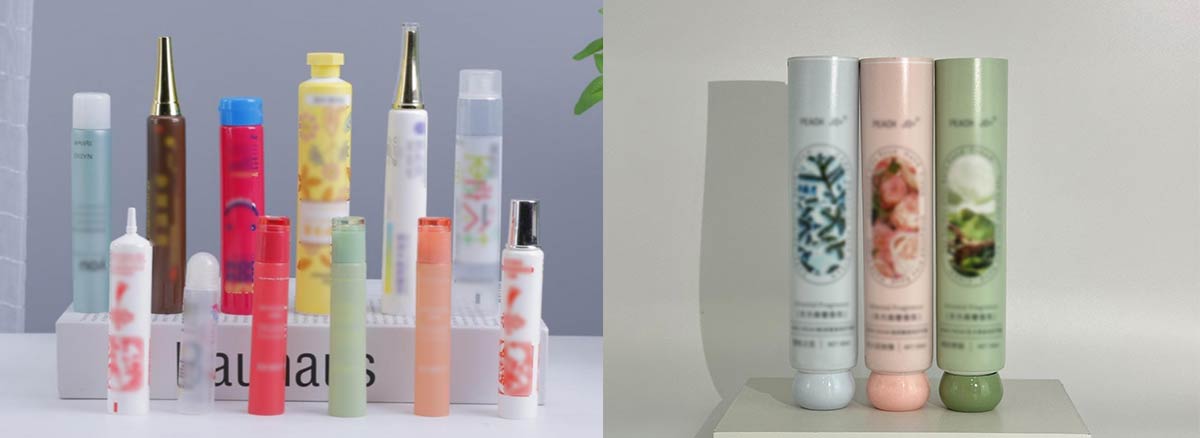
Oxygen exposure can shorten the shelf life of baby food and reduce its nutritional value. Nutrients such as Vitamin C and B vitamins break down when exposed to air, heat, or light, which can impact growth and development. Oxidation also affects the flavor and color of food, especially fat-soluble vitamins like A and E. Lami tubes have emerged as a reliable option in food packaging, offering advanced protection that helps preserve taste and nutrition. Effective packaging plays a key role in maintaining freshness and safety for infants.
Key Takeaways
- Lami tubes protect baby food from oxygen and moisture, helping to keep it fresh and nutritious for longer.
- These tubes use a multi-layer design that blocks harmful elements, preserving the flavor and aroma of baby food.
- Safety is enhanced with tamper-evident seals and lightweight materials, making them easy to transport and store.
- Lami tubes support portion control, allowing caregivers to dispense the right amount of food without waste.
- Using lami tubes can help reduce food spoilage and maintain high quality, ensuring infants receive safe and healthy meals.
Lami Tubes and Oxygen Protection
Barrier Role in Food Safety
Lami tubes play a crucial role in food packaging by providing a strong barrier against oxygen and moisture. These tubes use laminated or coated layers that prevent oxygen ingress, which helps extend the shelf life of baby food. The barrier properties of lami tubes protect sensitive nutrients and flavors from degradation. Food packaging must maintain freshness and safety, especially for infants who rely on nutrient-rich products. Lami tubes act as a shield, blocking external contaminants and preserving the quality of the food inside.
The effectiveness of lami tubes comes from their multi-layer structure. Each layer serves a specific function, such as blocking oxygen or moisture. Packaging materials like polyethylene and polypropylene are often used for their non-toxic and food-grade qualities. The barrier properties of these materials ensure that baby food remains safe and nutritious throughout its shelf life.
Oxygen exposure leads to lipid peroxidation in powdered milk and baby food, which causes changes in taste and smell, nutrient loss, and reduced shelf life. This is due to the formation of secondary reaction products that result from the oxidation process.
Regulatory agencies require food packaging to meet strict standards for barrier performance. The following table summarizes key requirements for baby food packaging:
| Requirement Type | Description |
|---|---|
| Material Safety | Non-toxic materials must be used, such as food-grade resins like PE and PP, to ensure safety. |
| Barrier Properties | High oxygen and moisture barrier properties are essential to prevent spoilage and maintain quality. |
| Compliance Standards | Must meet specific food safety regulations, including Australian Standard 2070–1999 and U.S. FDA guidelines. |
Why Oxygen Resistance Matters?
Oxygen resistance is essential in food packaging because it directly affects the safety and quality of baby food. When oxygen enters the package, it can trigger chemical reactions that degrade nutrients and alter flavors. Lami tubes provide superior resistance to oxygen, which helps prevent spoilage and nutrient loss.
Modified atmosphere packaging (MAP) creates an environment that slows or inhibits microbial growth. Techniques such as vacuum packing remove air, significantly reducing oxygen levels and limiting the growth of aerobic spoilage microorganisms. This process is vital for extending the shelf life and safety of baby food by preventing harmful microbes from reaching significant levels.
Vacuum packing removes all air from the package, resulting in extremely low residual oxygen levels. This method restricts the growth of aerobic microorganisms, such as molds and bacteria, while promoting anaerobic spoilage microflora that can thrive without oxygen. This approach is particularly effective in preserving baby food.
The use of antimicrobial agents in packaging materials enhances food safety and extends shelf life by inhibiting the growth of pathogens. These agents can be incorporated into the packaging material, effectively suppressing the growth of microorganisms that could contaminate baby food.
Lami tubes offer a combination of barrier protection, oxygen resistance, and sustainability. Their advanced design ensures that baby food remains fresh, safe, and nutritious from production to consumption.
Packaging Materials Comparison
Metal and Glass Packaging
Metal and glass packaging materials have set high standards for food packaging, especially in baby food applications. These materials provide strong barrier protection against oxygen and moisture. Metal cans block gases, odors, and water vapor, which helps maintain food safety and shelf life. Glass containers offer inertness and non-toxicity, preserving aroma and protecting food from external influences. Both packaging types prevent microbes and light from damaging the product.
- Metal packaging offers:
- Superior safety
- Longest shelf life
- Complete impermeability to gases and moisture
- Glass packaging provides:
- High barrier properties
- Effective protection against water vapor, gases, and odors
- Preservation of food aroma
| Aspect | Glass Packaging |
|---|---|
| Weight | Heavier than plastic containers or pouches |
| Cost | Not directly addressed |
| Recyclability | Glass is recyclable; metal lids need to be separated for recycling. |
Despite their excellent barrier properties, metal and glass packaging materials can be heavy and less convenient for transport. Glass requires careful handling, and recycling processes may involve separating components.
Plastic Packaging
Plastic packaging has become popular in food packaging due to its lightweight nature and flexibility. Manufacturers select materials based on the oxygen and moisture requirements of the product. Advances in material technology have improved barrier properties, helping to extend the shelf life of packaged food.
- Achieving optimal oxygen transmission rate and moisture vapor transmission rate is crucial for effective barrier performance.
- Enhanced barrier properties in plastics can improve food safety and freshness.
- Plastic packaging is efficient in energy and resource use, but single-use plastics contribute to significant waste.
| Evidence Type | Description |
|---|---|
| Plastic Production | 150 million tonnes of plastic used globally for packaging each year. |
| Greenhouse Gas Emissions | 3.4% of global greenhouse gas emissions come from plastic production. |
| Single-use Plastic | Half of all plastic produced is for single-use purposes. |
| Paper/Cardboard Impact | Paper and cardboard are more recyclable but contribute to deforestation. |
Plastic packaging materials offer convenience, but environmental concerns remain. Recycling rates are low, and single-use plastics create sustainability challenges.
Laminated Tubes in Food Packaging

Laminated tubes have advanced barrier properties that make them ideal for baby food packaging. These tubes use multi-layer designs to block oxygen and moisture. PBL tubes feature EVOH film, which prevents oxygen ingress and moisture impact. ABL tubes use aluminum foil, providing excellent protection against light, air, and moisture.
- Laminated tubes maintain food quality by preventing nutrient loss and spoilage.
- Barrier properties in these tubes rival those of metal and glass, while offering lightweight convenience.
- Lami tubes combine barrier protection with sustainability, as their design reduces material use and waste.
Laminated tube packaging materials stand out for their balance of barrier performance, safety, and environmental efficiency. Manufacturers rely on these tubes to deliver fresh, safe baby food with extended shelf life.
Lami Tubes Structure and Barrier Layers
Multi-Layer Design
Manufacturers design lami tubes with a multi-layer structure to achieve high barrier properties. Each layer serves a specific function in protecting food from external threats. The combination of aluminum and plastic polymers forms a robust shield that prevents oxygen and moisture from penetrating the packaging. This design is essential for maintaining the integrity of baby food and other sensitive products. The multi-layer approach extends shelf life and preserves nutritional value.
Lami tubes offer flexibility and durability, making them suitable for various food packaging applications. The laminated layers also enhance the visual appeal of the packaging, which is important for consumer products. Industries such as pharmaceuticals and cosmetics benefit from these tubes because they prevent contamination and keep products fresh for longer periods.
EVOH and Aluminum Barriers
Lami tubes use different barrier materials to achieve optimal protection. Two common types are Plastic Barrier Laminate (PBL) tubes and Aluminum Barrier Laminate (ABL) tubes. PBL tubes feature a double layer of polyethylene lined with EVOH barrier. This configuration provides an excellent barrier against air and oil, making it ideal for food packaging. ABL tubes contain an aluminum layer sandwiched between protective layers. This structure protects against light, moisture, and contaminants.
The following table highlights the differences between PBL and ABL tubes:
| Feature | ABL Tubes | PBL Tubes |
|---|---|---|
| Composition | Aluminum layer sandwiched between protective layers | Double layer of polyethylene lined with EVOH film |
| Barrier Effectiveness | Protects against light, moisture, and contaminants | Excellent barrier against air and oil |
| Applications | Toothpaste, cosmetics, creams, ointments | Cosmetics, shampoos, foods, health products |
| Shape Recovery | Not specified | Expands back to original shape after squeezing |
Both types of tubes deliver strong barrier properties, but their specific materials and structures suit different packaging needs. PBL tubes excel in applications where shape recovery and resistance to air and oil are important. ABL tubes provide superior protection against light and moisture, which is critical for food safety.
Lami Tube Making Machine
The lami tube making machine plays a vital role in producing tubes with consistent quality and high barrier properties. This equipment assembles multiple layers of packaging materials with precision, ensuring that each tube meets strict standards for food safety. Operators receive specialized training to identify and address production issues quickly. Quality Control Technicians monitor the production floor at all times, maintaining high standards throughout the manufacturing process.
Manufacturers implement several quality control measures during lami tube production:
- LMI Packaging holds SQF certification, which guarantees compliance with food safety and quality standards.
- Operators receive training to spot and resolve production problems.
- Quality Control Technicians conduct continuous monitoring on the production floor.
- Each order receives complete tracking and record-keeping for future reference.
- Quality control checks and inspections occur throughout the process to ensure all tubes meet required specifications.
These measures ensure that every tube provides reliable barrier protection for food packaging. The laminated tube making machine enables manufacturers to produce laminated tubes that consistently block oxygen and moisture, supporting both food safety and sustainability.
Barrier Performance in Food Packaging
Testing and Standards
Manufacturers use strict testing methods to measure the barrier properties of tubes in food packaging. These tests help ensure that packaging protects food from oxygen and moisture. The ASTM F 1307-02 test method stands out as a key standard. This method uses a coulometric sensor to measure the oxygen transmission rate after the tubes reach equilibrium in the test environment. The following table summarizes this important test:
| Test Method | Description |
|---|---|
| ASTM F 1307-02 | Standard Test Method for Oxygen Transmission Rate Through Dry Packages Using a Coulometric Sensor. Measures oxygen gas transmission after equilibration. |
Industry standards define what counts as a high barrier in packaging. For baby food, the oxygen transmission rate (OTR) must be very low. Packaging with an OTR less than or equal to 1 cc/100 in²/24 hours meets the high barrier requirement. This level of protection helps keep food safe and fresh.
- High barrier packaging has an OTR of less than 1 cc/100 in²/24 hours (15.5 cc/m²/24 hours).
- An OTR less than or equal to 1 cc/100 in²/24 hours is considered a high barrier.
Testing ensures that tubes meet these strict standards. Reliable barrier properties protect sensitive nutrients and flavors in baby food.
Real-World Results
In real-world settings, lami tubes show excellent performance in food packaging. These tubes maintain low oxygen and moisture levels inside the package. As a result, food stays fresh and safe for longer periods. Manufacturers choose these tubes because they combine strong barrier protection with lightweight packaging materials.
Tubes with advanced barrier layers prevent spoilage and nutrient loss. They also support sustainability by reducing waste and using fewer materials. Many companies report that tubes help extend shelf life and improve product quality. The multi-layer design of tubes blocks oxygen and moisture, which is vital for baby food.
Lami tubes offer a practical solution for food packaging. They deliver consistent barrier properties, protect food, and support sustainability goals. The use of high-quality tubes ensures that packaging meets industry standards and keeps food safe for consumers.
Benefits for Baby Food
Shelf Life and Freshness
Lami tubes deliver significant advantages for baby food by extending shelf life and preserving freshness. These tubes use advanced barrier properties to block oxygen and moisture, which slows down oxidation and spoilage. As a result, baby food maintains its nutritional value for a longer period. The packaging materials in these tubes help preserve the original flavor and aroma, ensuring that infants receive food that tastes and smells as intended.
Manufacturers choose tubes for food packaging because they protect against multiple threats. The following points highlight how lami tubes maintain freshness and nutritional quality:
- Extended shelf life: Tubes block oxygen and moisture, slowing down spoilage.
- Preservation of flavor and aroma: Tubes prevent oxygen exposure, keeping the food’s original taste and smell.
- Protection against moisture: Tubes guard against humidity, preventing mold and texture changes.
- Prevention of contamination: Tubes act as a shield against dust and microorganisms, supporting hygiene.
- Light protection: Tubes shield contents from UV rays, preserving vitamins and pigments.
These features help keep baby food safe and nutritious throughout its shelf life. The multi-layer design of tubes ensures that barrier properties remain consistent, supporting both quality and sustainability.
Safety and Convenience
Safety and convenience stand out as key benefits of using tubes in baby food packaging. The robust barrier in these tubes prevents contamination and supports hygiene, which is essential for infant health. Tubes offer a tamper-evident seal, giving parents confidence in the product’s safety. The lightweight design makes tubes easy to transport and store, reducing the risk of breakage compared to glass or metal packaging.
Tubes also provide portion control, allowing caregivers to dispense the right amount of food without waste. The packaging supports on-the-go feeding, making it easier for families with busy lifestyles. Manufacturers rely on tubes to deliver consistent quality and hygiene, ensuring that every meal meets strict safety standards.
Tip: Tubes with advanced barrier layers help maintain food quality and hygiene, making them a smart choice for modern baby food packaging.
Conclusion

Lami tubes stand out as a top choice for baby food packaging because they combine advanced barrier performance with reliable oxygen resistance. Manufacturers and parents prefer these tubes for several reasons:
- Convenience and mess-free feeding
- Portion control with single-serving sizes
- Shelf stability and preserved nutritional value
- Travel-friendly design and easy self-feeding
| Feature | Description |
|---|---|
| Barrier Properties | Multi-layer construction protects food from air, moisture, and light, extending shelf life. |
| Product Integrity | Tubes maintain freshness and block contaminants, supporting food safety. |
| Applications | Widely used in food, cosmetics, and pharmaceuticals for superior protection. |
Advances in lami tube technology and precise manufacturing give parents and manufacturers peace of mind, knowing baby food remains safe, fresh, and nutritious.
FAQ
What Makes Lami Tubes Suitable for Baby Food Packaging?
Lami tubes use multi-layer barriers that block oxygen and moisture. Manufacturers choose these tubes because they keep food fresh and safe. The lightweight design also makes them easy to handle and transport.
How Do Lami Tubes Compare to Glass and Metal Packaging?
Lami tubes provide strong barrier protection like glass and metal. They weigh less and resist breakage. Companies prefer lami tubes for convenience and safety in baby food packaging.
Tip: Lami tubes combine high barrier performance with easy handling, making them ideal for busy families.
Can Lami Tubes Be Recycled?
Some lami tubes use recyclable materials. Recycling depends on local facilities and the tube’s composition. Manufacturers continue to improve tube designs for better sustainability.
| Tube Type | Recyclable? |
|---|---|
| PBL | Often recyclable |
| ABL | Sometimes |
Do Lami Tubes Affect the Taste or Nutritional Value of Baby Food?
Lami tubes protect food from air and moisture. They help preserve flavor and nutrients. Parents can trust that baby food stays fresh until opened.