


Packaging plays a vital role in dental care, with laminated tubes now serving as a standard for oral care product containment. Dental professionals and consumers express concerns such as safety, hygiene, and ease of use.
- Increased costs from stricter testing and compliance
- Delays in product availability due to new regulations
- Debates over materials like dental amalgam
- Rising demand for sustainable and transparent packaging
These factors highlight the need for reliable solutions that protect both products and users.
Key Takeaways
- Laminated tubes provide excellent barrier protection against moisture, oxygen, and light, ensuring the effectiveness of dental products.
- These tubes enhance hygiene by minimizing contamination, making them ideal for sensitive oral care formulations.
- Customization options for laminated tubes allow brands to create unique packaging that stands out and meets consumer preferences.
- Choosing the right supplier for laminated tubes is crucial for maintaining product quality and sustainability in dental packaging.
- Laminated tubes support longer shelf life for dental products, benefiting both manufacturers and consumers.
Laminated Tubes in Dental Packaging
Role in Oral Care Products
Laminated tubes have transformed the way dental professionals and manufacturers approach packaging materials. Over the past decade, the dental industry has seen a significant shift toward oral care laminated tubes. This change reflects advancements in technology and a growing demand for reliable packaging. The market for laminated tubes continues to grow, driven by improvements in quality and functionality. Environmental concerns and competition from alternative packaging formats also influence these trends.
Note: Laminated tubes offer a combination of durability and flexibility, making them suitable for a wide range of oral care products.
The following table highlights the most common oral care products that utilize oral care tube laminates:
| Product Type | Description |
|---|---|
| Toothpaste | The most common product utilizing laminated tubes, often with custom designs for branding. |
| Teeth Whitening Gels | Packaged in laminated tubes to protect from external elements. |
| Medicated Gels | Used by dental professionals for precise application and hygiene. |
| Ayurvedic Toothpaste | Requires special packaging to preserve therapeutic benefits. |
| Herbal Toothpaste | Must remain fresh over extended use, requiring effective packaging. |
| Pain Relief Toothpaste | Needs hygienic packaging for sensitive teeth and gum issues. |
| Gel Toothpaste | Requires puncture-resistant seals to maintain quality and prevent leakage. |
Oral care laminated tubes protect sensitive formulations from exposure to air, moisture, and light. This protection ensures that products like medicated gels and herbal toothpaste remain effective throughout their intended shelf life. The use of oral care tube laminates also supports branding and product differentiation, which is important in a competitive market.
Why Use Laminated Tubes?
Manufacturers choose laminated tubes for their superior barrier properties. These tubes provide excellent protection against oxygen, moisture, and light. The aluminum layer in oral care laminated tubes acts as a strong barrier, preventing oxygen from entering and degrading the product. This feature is especially important for dental materials that require strict preservation of potency.
- Laminated tubes provide excellent barrier protection against oxygen, moisture, and light.
- They are ideal for products requiring stringent protection, such as dental materials.
- The aluminum layer in laminated tubes acts as an oxygen barrier, crucial for preserving potency.
A comparison of barrier protection between laminated tubes and extruded tubes shows clear advantages:
| Feature | Laminated Tubes | Extruded Tubes |
|---|---|---|
| Barrier Protection | Superior | Lacks advanced features |
| Blocks Oxygen | Yes | No |
| Blocks Moisture | Yes | No |
| Blocks Light | Yes | No |
Oral care tube laminates help maintain the freshness and effectiveness of dental materials. Products like antibiotic ointments and medicated gels benefit from this packaging, which extends shelf life and prevents microbial contamination. These qualities make laminated tubes a preferred choice for oral care products that demand high standards of safety and efficacy.
What Are Oral Care Laminated Tubes?
Structure and Materials
Oral care laminated tubes serve as advanced packaging materials for oral care products. Manufacturers design these tubes with a multi-layered structure that combines strength and flexibility. Each laminated tube features several layers, often including aluminum foil and plastic. These layers work together to create a protective barrier that shields the contents from moisture, air, and contamination. The aluminum layer provides excellent resistance to oxygen and light, while the plastic layer adds durability and a smooth surface for printing.
Tip: The multi-layered design of oral care laminated tubes helps maintain product quality and extends shelf life.
| Type | Material Composition | Key Properties |
|---|---|---|
| ABL | Aluminum Barrier Laminates | Excellent barrier properties, collapsible effect, used for various applications |
| PBL | Plastic Barrier Laminates | Attractive appearance, transparent, used primarily for cosmetics |
Aluminum foil and plastic remain the most frequently used materials in oral care tube laminates. These materials combine to form a strong barrier that protects sensitive dental formulations.
Types of Oral Care Tube Laminates
Oral care laminated tubes come in several types, each offering unique benefits for packaging materials. The main types include plastic barrier laminate tubes and aluminum barrier laminate tubes. Manufacturers select the type based on the requirements of the oral care products.
The table below outlines the differences among the main types of oral care tube laminates:
| Tube Type | Properties | Advantages | Applications |
|---|---|---|---|
| Plastic Laminate Tubes (PBL) | Light, flexible, cost-effective | Good for daily use, but recycling can be complex | Commonly used for toothpaste |
| Aluminum Tubes | Resistant to air, light, and moisture | Easy to recycle, but can dent easily | Suitable for sensitive formulas |
| Aluminum Barrier Laminate Tubes (ABL) | Combination of plastic and aluminum layers | Flexible yet protective, but recycling is challenging | Used for various oral care products |
Oral care tube laminates provide manufacturers with options to balance protection, appearance, and sustainability. Each type supports different needs, from daily toothpaste to specialized dental gels.
Manufacturing and Function
Tube Formation
Manufacturers use a precise process to create oral care laminated tubes. The journey begins with selecting high-quality packaging materials, which often include layers of plastic and aluminum. These materials undergo slitting, where large rolls are cut into narrower strips. Printing and varnishing follow, using advanced techniques such as flexo, letterpress, or digital printing to add branding and product information. The printed laminate is then rewound for the next stage.
A lami tube making machine plays a crucial role in tube formation. This machine forms the tube by side sealing the laminate into a cylindrical sleeve. The process continues with shouldering, where the tube receives its distinctive shape, and capping, which attaches the closure. Sorting and packing complete the process, preparing the laminated tubes for filling.
| Step | Description |
|---|---|
| Slitting | Cutting materials into strips |
| Printing and Varnish | Applying graphics and protective coating |
| Rewinding | Rolling the printed laminate for further processing |
| Tube Making | Side sealing, shouldering, capping, sorting, and packing |
The tube formation process directly impacts the durability and barrier properties of the finished product. Manufacturers select barrier layers such as aluminum or EVOH to limit oxygen permeation and enhance product longevity. Adhesive application and lamination ensure the structure remains strong and flexible, protecting the contents from external factors.
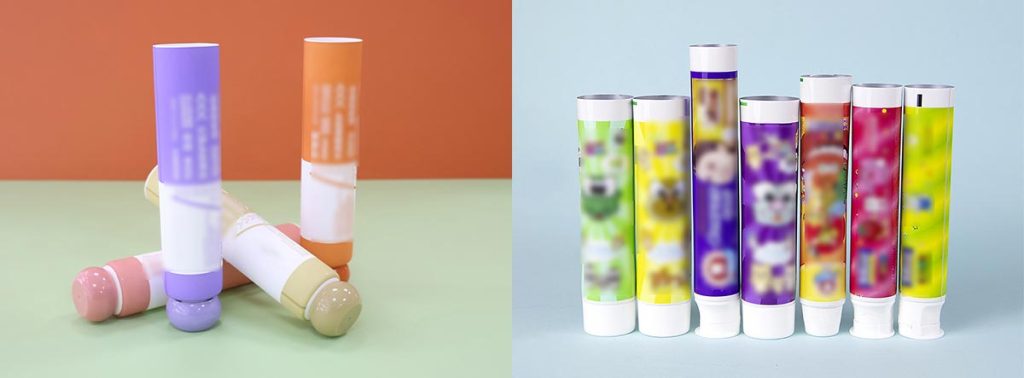
Sealing and Dispensing
Effective sealing and dispensing are essential for product safety and user satisfaction. Laminated tubes feature smooth, flexible exteriors that allow for secure sealing. The laminated tube making machine ensures high filling line speeds and precise closure attachment. Tamper-evident closures and customizable nozzle seals provide additional protection.
Manufacturers design these tubes with features that support precise dispensing. Pin-hole orifices suit low-viscosity products, while shoulder barriers help retain flavor and moisture. The multi-layered structure blocks light, oxygen, and moisture, maintaining the product’s texture and consistency.
| Property | Function | Result |
|---|---|---|
| Light resistance | Blocks UV rays | Protects sensitive ingredients |
| Oxygen barrier | Prevents oxidation | Extends shelf life |
| Moisture control | Reduces water vapor transfer | Maintains texture and consistency |
The design of laminated tubes ensures that products remain protected during storage and use. Their durability and flexibility make them ideal for travel and daily routines, keeping dental materials safe and effective.
Benefits for Oral Care Products
Barrier Protection
Laminated tubes provide outstanding protection against moisture and oxygen. Manufacturers design these tubes with multiple layers, including a barrier layer that blocks the penetration of harmful elements. This construction preserves the integrity of dental materials and keeps them effective for longer periods. Scientific studies show that the oxygen transmission rate (OTR) of these tubes determines their ability to protect sensitive products. The MIA laminate, which uses three polymer film layers, demonstrates how an oxygen barrier layer can enhance product preservation in modified atmosphere applications. Laminated tubes maintain the potency of ingredients, which is essential for oral care products that require strict quality control.
Note: The barrier properties of laminated tubes help prevent oxidation and moisture damage, which can degrade active ingredients in dental materials.
Hygiene and Shelf Life
Hygiene remains a top priority in dental packaging. Laminated tubes minimize contamination and enhance product preservation. The following table compares hygiene benefits between laminated tubes and traditional packaging:
| Hygiene Benefit | Laminated Tubes | Traditional Packaging |
|---|---|---|
| Minimize contamination | Yes | No |
| Enhance product preservation | Yes | No |
| Superior barrier protection | Yes | Limited |
Manufacturers use laminated tubes for gels that whiten teeth or relieve sensitivity. These tubes help avoid contamination and maintain product efficacy. Brands such as Sensodyne rely on laminated tubes to ensure product stability and consumer safety. The barrier properties of laminated films can extend shelf life by up to 20%. When handled properly and stored under controlled conditions, laminated tubes and similar materials can maintain sterility for up to 24 months.
- Laminated tubes are flexible and lightweight, making them ideal for packaging toothpaste and other oral hygiene products.
- They provide a high barrier against moisture and contamination, which helps maintain product integrity.
User Convenience
Laminated tubes offer several features that enhance user convenience. Ergonomic designs improve comfort during application. Advanced barrier properties ensure that products remain fresh and effective throughout their use. Manufacturers can customize laminated tubes to create tailored experiences for consumers.
- Long nozzle designs allow for precise application, reducing wastage and improving control.
- Customizable options let brands adjust tube size, shape, and dispensing features to meet specific needs.
Consumers benefit from easy-to-use packaging that protects dental materials and supports daily routines. Laminated tubes combine durability, flexibility, and user-friendly features, making them a preferred choice for oral care products.
Choosing Oral Care Laminated Tubes
Quality Factors
Dental professionals and manufacturers must evaluate several quality factors when selecting packaging for oral care products. These factors help ensure product safety, effectiveness, and consumer satisfaction.
- Excellent barrier properties protect contents from moisture, oxygen, and light.
- High durability and flexibility prevent damage during handling and use.
- Lightweight and portable nature supports easy transportation and storage.
- Controlled dispensing allows for precise application and reduces waste.
- Customizable packaging and aesthetics enhance brand appeal.
- Non-toxic and inert materials ensure product safety.
- Sustainable packaging options address environmental concerns.
- Compliance with all regulations and standards guarantees market acceptance.
Tip: Always check that packaging meets both safety and regulatory requirements before making a final selection.
Laminated tubes also play a key role in maintaining user health and safety. Detailed printed packaging provides essential information, including contents, branding, directions for use, and important caution or allergy details. This information supports regulatory compliance and builds consumer trust.
Customization
Customization options allow brands to stand out in a competitive market. Manufacturers can tailor packaging to reflect unique brand identities and product features.
- Unique design elements such as colors, logos, and finishes support brand differentiation.
- Targeted marketing themes highlight natural ingredients or sustainability.
- Personalized packaging with fun graphics and eco-friendly messaging increases consumer engagement.
- Techniques like color selection, direct printing, embossing, and special finishes create a premium look.
- Biodegradable materials and recyclable designs offer sustainable choices.
These options help brands connect with consumers and communicate product values effectively.
Supplier Selection
Choosing the right supplier impacts product quality, sustainability, and supply chain stability. Manufacturers should evaluate suppliers using the following criteria:
| Criteria | Description |
|---|---|
| Sustainability | Focus on sustainable production capabilities to meet environmental standards. |
| Regulatory Compliance | Ensure adherence to industry regulations and standards for safety and quality. |
| Technological Innovation | Assess the ability to innovate and adapt to new tube design technologies. |
| Supply Chain Resilience | Evaluate reliability and stability to mitigate risks. |
Manufacturers can streamline procurement by working with reputable suppliers and securing long-term agreements. Multi-year contracts help stabilize prices and ensure a steady supply. Digitalization in the supply chain, including real-time monitoring and blockchain-based traceability, further enhances regulatory compliance and builds consumer trust.
Conclusion
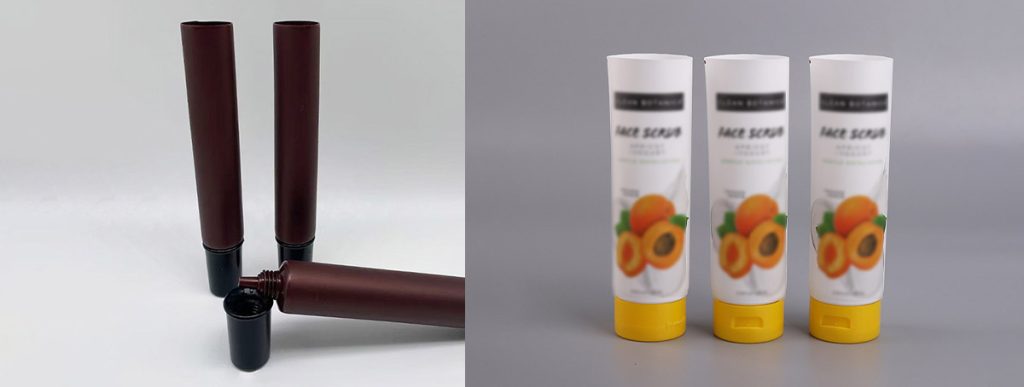
Laminated tubes deliver strong barrier properties, versatility, tamper resistance, and longer shelf life for oral care products.
| Advantage | Description |
|---|---|
| Barrier Properties | Protects contents from air, light, and moisture. |
| Versatility | Suitable for various oral care products. |
| Tamper Resistance | Ensures hygiene and safety. |
| Shelf Life | Improves product longevity. |
Dental professionals and manufacturers benefit from these features. New trends include eco-friendly materials, smart packaging, and digital integration.
- Integration of AI and Industry 4.0 improves production and sustainability.
- Smart labels and QR codes enhance consumer engagement.
Laminated tubes continue to shape the future of dental packaging with innovation and reliability.
FAQ
What Makes Laminated Tubes Different from Regular Tubes?
Laminated tubes use multiple layers, including aluminum or plastic, to create a strong barrier. Regular tubes often lack these protective layers. Laminated tubes keep dental materials safe from air, moisture, and light.
Can Laminated Tubes Be Recycled?
Some laminated tubes can be recycled, especially those made with plastic barrier laminates. However, tubes with aluminum layers may require specialized recycling facilities. Always check local recycling guidelines.
Why Do Dental Products Need Barrier Protection?
Dental products contain sensitive ingredients. Exposure to air or moisture can reduce their effectiveness. Laminated tubes provide a barrier that helps maintain product quality and extends shelf life.
How Do Laminated Tubes Improve Hygiene?
Laminated tubes prevent contamination by sealing the product inside. Tamper-evident closures and secure seals keep the contents clean and safe for users.
Are Laminated Tubes Customizable for Branding?
Yes. Manufacturers can print logos, colors, and designs directly on laminated tubes. Custom shapes and dispensing features help brands stand out and meet consumer needs.