


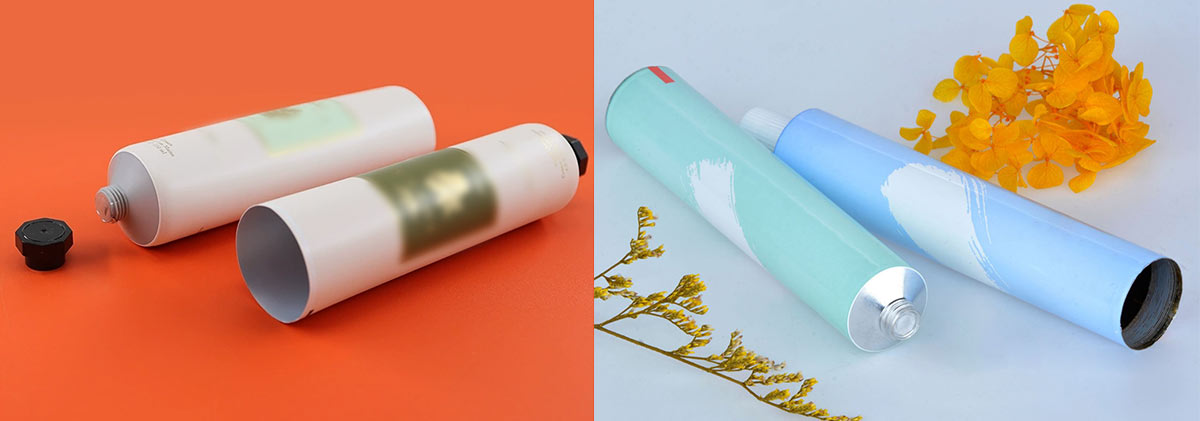
Manufacturers face urgent challenges when printing on laminated tubes. Poor print quality often reduces product value and lowers customer trust. The choice of printing method, such as rotogravure printing, influences both appearance and cost.
Consistent performance from the lami tube making machine ensures reliable results.
| Printing Method | Quality Impact | Cost Implication |
|---|---|---|
| Digital Printing | High graphic quality | Higher cost for low quantities |
| Offset Printing | Lower graphic quality | Lower cost for high quantities |
| Hot Stamping | Attention-grabbing | Varies based on design |
| Silk Screen Printing | High visual appeal | Moderate cost |
| In-Mold Label (IML) | Premium graphics | Higher cost, but superior quality |
Operators must control both the process and equipment to prevent defects in lami tube manufacturing.
Key Takeaways
- High print quality is crucial for brand image. Use sharp graphics and accurate colors to attract customers and build trust.
- Prevent printing errors to save costs. Address issues like smudges and misalignments early to avoid scrapping entire batches.
- Maintain consistent machine performance. Regular calibration and monitoring of equipment help ensure reliable printing results.
- Control environmental factors. Monitor temperature and humidity to prevent issues like ink bleeding and curling.
- Invest in staff training. Skilled operators can effectively manage equipment and materials, reducing errors and improving production quality.
Print Quality in Lami Tube Manufacturing
Brand Impact
Print quality shapes how customers view a product. When printing on lami tubes, brands rely on sharp graphics and accurate color fidelity to stand out on crowded shelves. A tube with crisp, vibrant images signals professionalism and care. Inconsistent or faded printing can make even a premium product appear cheap. Many brands choose rotogravure printing for its ability to deliver fine details and rich colors. This method helps maintain a consistent look across large batches, which builds trust with consumers. Customers often judge a product by its packaging before trying what is inside.
Cost Risks
Printing errors can lead to significant financial losses in lami tube manufacturing. Defects such as smudges, misaligned graphics, or color shifts may force operators to scrap entire batches. Each wasted tube increases material costs and delays delivery schedules. Reprinting also consumes more ink and energy, raising production expenses. Companies that fail to control printing quality may face returns or complaints from clients. These issues can damage business relationships and reduce profit margins. Preventing errors at the source saves both time and money.
Machine Consistency
Consistent machine performance is essential for high-quality printing. Lami tube production uses advanced features to ensure reliable results. The table below shows how different aspects of the production process contribute to print quality:
| Feature | Contribution to Print Quality |
|---|---|
| Mature and stable production process | Ensures high degree of consistency in indicators |
| Intelligent control system | Reduces manual intervention, leading to more consistent results |
| Modular design in production line | Allows for flexible configurations to meet diverse production demands |
A stable process keeps printing variables under control. Intelligent systems reduce human error and keep results uniform. Modular designs let manufacturers adjust quickly to new printing requirements. These factors help maintain quality and reduce downtime in lami tube manufacturing.
Common Printing Issues
Color Variation
Color variation stands out as a frequent challenge in lami tube manufacturing. Operators notice shifts in color from one batch to another, which can affect brand consistency. Several factors contribute to this issue:
- Material properties, such as the type of film or laminate, influence color accuracy. For example, biaxially oriented polypropylene (BOPP) offers clarity, while cellulose (CLS) films may introduce a yellowish tint.
- Equipment maintenance plays a critical role. Regular cleaning and calibration of printing presses help minimize color shifts.
- Environmental influences, including lighting conditions and temperature, alter the perception of color in printed materials.
Tip: Poor shadowing on printing plates and imbalanced ink roller pressure often cause inconsistent color. Variations in light sources also impact color perception.
Operators must monitor these variables to maintain color fidelity, especially when using rotogravure printing for high-quality graphics.
Ink Bleeding
Ink bleeding occurs when ink spreads beyond its intended boundaries, resulting in blurry or fuzzy images. This problem often arises due to excessive ink viscosity or improper drying times. Material selection also affects ink behavior. Films with low surface energy may not hold ink well, causing it to migrate. Ink bleeding can reduce the sharpness of printed graphics and make text difficult to read. Operators should adjust ink formulation and drying conditions to prevent this issue.
Streaks and Smudges
Streaks and smudges appear as unwanted lines or patches on the tube surface. These printing errors usually result from dirty rollers, uneven pressure, or contaminated substrates. Inconsistent ink application can also lead to streaking. Smudges often occur when the ink does not dry properly before handling. Regular cleaning of equipment and careful control of ink viscosity help reduce these defects.
Registration Errors
Registration errors impact the alignment and readability of printed graphics on lami tubes. When colors or images do not line up correctly, the final product looks unprofessional. Common causes include misaligned printing plates and mechanical issues in the press.
- Registration errors lead to color misalignment, which affects the alignment of printed graphics.
- Overlapping colors create patterns that reduce visual clarity.
- Undesirable patterns, such as rosette and moiré, detract from readability.
- Misalignment of printing plates causes registration errors.
- Even minor misregistration can skew the print, affecting color patterns and design accuracy.
- Proper registration is essential to prevent visual distortions in printed graphics.
Poor registration can make logos and text difficult to read, which damages brand image.
Bubbling
Bubbling refers to the formation of air pockets or blisters under the printed surface. This defect often results from process conditions such as:
- Insufficient supply roll tension, which traps air between the film and image.
- Feeding items too quickly, causing bubbles if the laminator cannot process them fast enough.
- Hot spots in the laminator, which boil ink and create bubbles.
- Low operating temperatures, leading to tiny air bubbles and hazy areas known as silvering.
Operators must control tension, speed, and temperature during lamination to prevent bubbling.
Print Curl
Print curl describes the tendency of the tube material to bend or warp after printing. This issue often arises from uneven ink distribution, excessive moisture, or improper drying. Curling can make tubes difficult to handle and fill. Operators should monitor humidity levels and ensure uniform ink application to minimize this defect.
Necking and Elongation
Necking and elongation occur when the tube material stretches unevenly during printing or lamination. These defects distort graphics and text, making them appear stretched or compressed. High tension or improper web handling usually causes necking. Operators should adjust tension settings and use materials with stable mechanical properties to avoid these problems.
Infeed Waves and Ripples
Infeed waves and ripples appear as undulating patterns on the tube surface. These printing errors often result from uneven web tension or mechanical vibrations in the press. Variations in material thickness can also contribute. Waves and ripples affect print registration and overall tube quality, making the product look flawed.
Ink Adhesion
Ink adhesion measures how well ink bonds to the tube surface. Poor adhesion leads to flaking, peeling, or fading of printed graphics. Several factors influence ink adhesion:
| Factor | Description |
|---|---|
| Surface Coating | Impacts visual appearance and physical performance of the print. |
| Substrate Properties | Includes control of dot size, density, adhesion, non-blocking, and resistance to environmental stress. |
| Surface Energy | Must be compatible with ink surface tension for effective wetting and adhesion. |
| Printing Method | Different methods may require specific topcoats and ink systems for optimal adhesion. |
| Ink Formulation | Chemistry of ink binder must match with topcoat for improved adhesion performance. |
| Environmental Resistance | Substrates must maintain performance over time and under various conditions. |
Operators should select compatible inks and substrates to ensure strong adhesion and long-lasting prints.
Web Tension Problems

Web tension problems affect print registration and overall tube quality. Variations in tension can cause misalignment and defects in printed materials. The elasticity of the paper and moisture content may cause the substrate to stretch or contract, complicating registration across printing units. Mechanical operation of the press can worsen these problems, resulting in printing defects like slurring and doubling. Operators must monitor and adjust tension settings to maintain consistent print quality.
Note: Effective troubleshooting of web tension issues helps prevent poor registration and other printing errors.
Troubleshooting Guide
Root Cause Analysis
Operators in lami tube manufacturing must identify the source of printing defects before applying solutions. A systematic approach helps teams find the main cause and prevent future problems. The following table outlines common methodologies used for root cause analysis:
| Methodology | Description |
|---|---|
| Traditional Methods | Teams use Pareto Analysis, Fishbone Diagram, and Five-Whys to pinpoint defects. |
| Machine Learning | Artificial intelligence automates and improves defect detection and analysis. |
| Goal of RCA | The process aims to stop failures from recurring by finding the primary cause. |
| Application in Industry 4.0 | Manufacturers use RCA to reduce scrap rates and improve overall quality. |
Operators should collect data from the laminated tube making machine and review production logs. They can use these methods to analyze patterns and identify faulty components or process steps. By focusing on the root cause, teams avoid repeated troubleshooting and improve lamination quality.
Adjusting Ink Viscosity
Ink viscosity plays a major role in printing quality. Operators must monitor and adjust viscosity to match the requirements of rotogravure printing and other methods. Problems such as blurred patterns or incomplete coverage often result from incorrect viscosity. The following points show how viscosity adjustments resolve common issues:
- High viscosity causes poor ink flow, leading to incomplete printing and blurry images.
- Low viscosity results in thin coverage and uneven ink layers.
- Adjusting viscosity ensures optimal flow, which improves print quality.
- Low-viscosity inks dry quickly, reducing smudging and bleeding.
- Operators tailor viscosity for each printing process to minimize defects like poor adhesion.
- Controlling viscosity helps achieve consistent color and even ink spread.
Operators should use viscosity cups and follow manufacturer guidelines. The lami tube making machine often includes sensors and controls for real-time viscosity adjustments. These features help maintain lamination quality and reduce downtime.
Tip: Regularly check ink viscosity during production runs to prevent sudden changes in print quality.
Tension and Pressure Settings
Proper tension and pressure settings are essential for high-quality printing and lamination. Incorrect tension can cause web waves, ripples, and registration errors. Pressure settings affect ink transfer and edge sealing. Operators should follow these steps:
- Monitor web tension using built-in sensors on the lami tube making machine.
- Adjust tension to keep the substrate flat and prevent stretching or wrinkling.
- Set pressure according to material thickness and ink type.
- Test edge sealing to avoid peeling and ensure lamination quality.
Operators should record settings for each batch and make small adjustments as needed. Consistent tension and pressure help prevent troubleshooting lamination problems and maintain print accuracy.
Machine Calibration
The lami tube making machine must operate within precise parameters to deliver consistent results. Calibration ensures that all components work together for optimal printing and lamination quality. Operators should:
- Calibrate printing plates and rollers before each production run.
- Use automated calibration features when available.
- Check alignment of mechanical parts to prevent registration errors.
- Inspect sensors and control systems for accuracy.
Regular calibration reduces the risk of defects and supports efficient troubleshooting. Well-calibrated machines produce uniform prints and minimize waste.
Note: Schedule calibration checks as part of routine maintenance to keep the lami tube making machine in top condition.
Material Checks
Material quality affects every stage of lami tube manufacturing. Operators must inspect films, inks, and adhesives before use. Steps for effective material checks include:
- Examine substrate for uniform thickness and surface energy.
- Test ink compatibility with the chosen film and topcoat.
- Check adhesive properties for strong bonding and resistance to environmental stress.
- Store materials in controlled environments to prevent moisture absorption.
Operators should document material sources and batch numbers. The lami tube making machine may include automated inspection systems to detect defects early. Careful material checks support lamination quality and reduce the need for troubleshooting.
Fixing Lamination Defects
Lamination defects can lower print quality and damage the final product. Operators must address these issues quickly to maintain production standards. Effective solutions include:
- Adjust the laminator’s temperature to match the film’s recommended settings. This prevents cloudy finishes.
- Clean rollers and plates regularly to remove adhesive residue.
- Set proper pressure for edge sealing to avoid peeling.
- Feed material flat and evenly, using tension adjustments to prevent wrinkled edges.
- Minimize silvering by preparing materials correctly, using high-quality film, and allowing for proper cooling.
Operators should use the troubleshooting guide to track defect patterns and apply targeted solutions. The lami tube making machine often provides real-time feedback, helping teams respond quickly to lamination problems.
Callout: Quick action on lamination defects protects product value and builds customer trust.
Prevention in Lami Tube Manufacturing
Maintenance
Regular maintenance keeps printing equipment in top condition. Operators follow a routine to prevent breakdowns and reduce troubleshooting. They clean and dust machines to remove contaminants. Lubrication of moving parts prevents wear. Rollers need inspection and adjustment for proper function. Monitoring temperature and pressure settings ensures optimal performance. Worn-out parts require replacement to maintain efficiency. Calibration of machine settings guarantees accuracy. Professional maintenance checks help spot issues early.
- Clean and dust equipment regularly.
- Lubricate moving parts.
- Inspect and adjust rollers.
- Monitor temperature and pressure.
- Replace worn parts.
- Calibrate machine settings.
- Schedule professional checks.
A well-maintained lami tube making machine supports consistent results in rotogravure printing.
Quality Control
Quality control measures help manufacturers catch defects before products reach customers. Operators use high-resolution printing to create vibrant, smudge-free designs. Adhesion tests check that graphics do not peel or fade. Barcode and regulatory labeling inspections confirm accurate placement and compliance with standards.
| Quality Control Measure | Description |
|---|---|
| High-Resolution Printing | Utilizes advanced printing technologies to ensure vibrant, high-definition designs and smudge-free prints. |
| Adhesion Tests | Ensures that printed graphics do not peel or fade, maintaining quality in various environments. |
| Barcode and Regulatory Labeling | Inspects for accurate placement of barcodes and compliance with industry standards. |
These steps reduce the risk of printing defects and improve product reliability in lami tube manufacturing.
Staff Training
Training programs teach employees how to operate printing equipment and handle materials safely. Online sessions offer interactive learning for unlimited operators. Three-day operator training provides hands-on experience and MPS certification. On-press training helps employees learn about inks, adhesives, and substrates. Knowledge transfer covers color management and product safety.
- Improve flexo operating skills
- Stay updated on printing industry developments
- Increase productivity
- Become MPS certified all-round EF operators
- On-press training for employees
- Knowledge transfer about inks, adhesives, and substrates
- Training on color management and product safety
Skilled staff help maintain high standards and reduce errors during production.
Material Storage
Proper material storage protects substrates, inks, and adhesives from damage. Operators store materials in controlled environments to prevent moisture absorption. They check packaging for signs of contamination. Temperature and humidity control keeps materials stable. Good storage practices support consistent print quality and reduce waste.
Tip: Store all printing materials away from direct sunlight and extreme temperatures to maintain their properties.
Expert Tips
Process Optimization
Manufacturers improve print quality by optimizing each step in production. They analyze workflow to identify bottlenecks. Teams set clear standards for ink mixing and drying times. Operators monitor machine speed and adjust settings for consistent output. Regular reviews help teams spot areas for improvement. Many companies use checklists to track daily tasks. This approach reduces errors and increases efficiency.
Tip: Teams should document successful adjustments to share best practices across shifts.
Material Compatibility
Selecting compatible materials ensures strong adhesion and vibrant graphics. Operators test inks with different substrates before full production. They check how adhesives bond with films under various conditions. Some companies use tables to compare material properties:
| Material Type | Ink Compatibility | Adhesive Strength |
|---|---|---|
| BOPP | High | Moderate |
| CLS | Medium | High |
| PET | High | High |
Testing helps prevent costly defects in lami tube manufacturing. Operators avoid mixing materials that react poorly together.
Environmental Control
Controlling the environment inside the production area protects print quality. Teams monitor temperature and humidity levels. High humidity can cause ink bleeding or curling. Low temperatures may slow drying and affect adhesion. Operators use sensors to track changes. They adjust ventilation and heating systems as needed. Clean rooms reduce dust and contamination.
Note: Stable conditions support consistent results in rotogravure printing.
Automation
Automation increases accuracy and reduces manual errors. Machines with automated controls adjust tension and pressure in real time. Sensors detect defects and alert operators quickly. Companies use software to schedule maintenance and track production data. Automated systems help teams respond faster to problems. This technology supports high-volume production with fewer mistakes.
- Automated tension control
- Real-time defect detection
- Scheduled maintenance alerts
Automation allows manufacturers to focus on quality and efficiency.
Conclusion
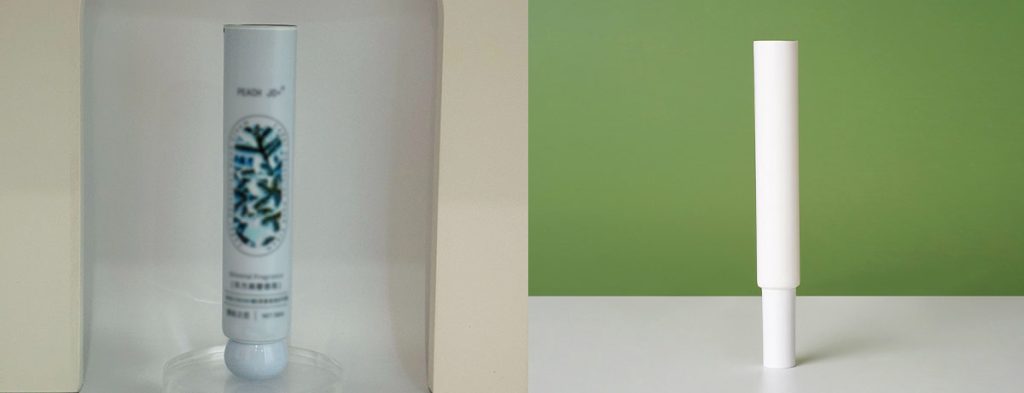
Proactive troubleshooting and prevention help manufacturers achieve reliable results in lami tube manufacturing. Teams who follow maintenance routines and apply expert tips see fewer defects and higher customer satisfaction. Investment in advanced equipment supports consistent print quality. Ongoing learning keeps operators prepared for new challenges. Readers can share experiences or seek advice to improve their production process.
Share your best practices or ask questions in the comments to support the community.
FAQ
What Causes Color Variation in Lami Tube Printing?
Operators often see color variation due to changes in material properties, ink formulation, or machine calibration. Environmental factors such as temperature and lighting also affect color consistency. Regular checks and adjustments help maintain uniform color across batches.
Tip: Use color management tools for better accuracy.
How Can Operators Prevent Ink Bleeding?
Operators control ink bleeding by adjusting ink viscosity and drying times. Selecting compatible substrates with higher surface energy improves ink stability. Routine equipment cleaning and proper ink formulation also reduce the risk of bleeding.
- Check ink viscosity regularly
- Use recommended drying settings
Why Do Registration Errors Occur?
Registration errors happen when printing plates or machine components lose alignment. Mechanical vibrations and inconsistent web tension also contribute. Operators should calibrate machines and monitor tension to keep graphics properly aligned.
| Cause | Solution |
|---|---|
| Plate misalignment | Recalibrate plates |
| Web tension issues | Adjust tension |
What Is the Best Way to Fix Bubbling During Lamination?
Operators fix bubbling by controlling supply roll tension, adjusting laminator speed, and setting correct temperatures. Cleaning rollers and feeding materials evenly also help. Monitoring these factors prevents air pockets and ensures a smooth finish.
Note: Use high-quality film for better lamination results.
How Does Automation Improve Print Quality?
Automation allows machines to adjust tension and pressure in real time. Sensors detect defects quickly, and software schedules maintenance. These features reduce manual errors and support consistent, high-quality production.
- Automated tension control
- Real-time defect alerts