


Manufacturers achieve precise roundness and straightness in lami tube production by combining advanced process control with robust inspection systems. Operators monitor real-time data and make timely adjustments, which reduces defects and ensures every tube meets strict standards. The use of a lami tube making machine with controlled winding, high-quality materials, and strong adhesives leads to consistent laminated tube quality.
| Manufacturing Process | Contribution to Roundness and Straightness |
|---|---|
| Controlled winding techniques | Ensures consistent wall thickness and superior crush strength, enhancing roundness and straightness. |
| Use of high-quality materials | Provides dimensional stability and performance under load conditions, contributing to overall product quality. |
| Precision-wound ‘poker chip’ stacks | Results in high-integrity laminated tubes with superior uniformity. |
| Application of strong adhesives | Boosts axial and radial strength, ensuring structural integrity. |
Real-time monitoring and automated inspection data help operators standardize lami tube production, transforming inspection insights into effective process control. These practices allow manufacturers to deliver every lami tube to industry standards and meet customer expectations for laminated tube performance.
Key Takeaways
- Precise roundness and straightness are crucial for the quality and performance of laminated tubes. Manufacturers must monitor these parameters to prevent defects.
- Real-time monitoring and automated inspection systems help operators make quick adjustments, reducing waste and improving efficiency in production.
- Regular calibration and maintenance of equipment ensure accurate measurements and consistent product quality. This practice supports high manufacturing standards.
- Operator training is essential for maintaining quality. Well-trained staff can quickly identify issues and implement corrective actions to uphold production standards.
- Combining various inspection methods, such as manual tools and optical systems, provides a comprehensive approach to quality control, ensuring every tube meets industry requirements.
Importance in Lami Tube Production
Product Quality
Roundness and straightness play a vital role in the overall quality of laminated tubes. Manufacturers rely on precise control of these parameters to prevent defects and ensure consistent performance. When a laminated tube making machine produces tubes with high roundness, the components retain oil efficiently, disperse oil evenly, and minimize fuel leakage. This reduces excessive vibration and friction, which are critical for final assembly and long-term durability.
- Roundness directly impacts the functionality and longevity of laminated tube components.
- Straightness ensures that tubes fit accurately in automated systems and maintain structural integrity during use.
A lack of straightness or poor roundness can lead to several quality issues. The table below highlights common defects and their risks:
| Defect Type | Description | Risks |
|---|---|---|
| Straightness Deviation or Bowing | Deviation of the tube from a perfectly straight axis due to uneven cooling or misaligned rolling. | Installation issues, Reduced fitment accuracy in automated systems. |
Manufacturers use lami tube making machine to minimize these defects and maintain high standards in production. Consistent quality leads to reliable laminated tube applications in various industries.
Performance and Compliance
Straightness and roundness are not only essential for product quality but also for meeting regulatory standards and customer expectations. Industry standards such as ASTM, DIN, and EN specify strict tolerances for length, straightness, and roundness in laminated tube production. These standards ensure that tubes connect properly in systems, do not bend or twist, and maintain a uniform shape for smooth flow.
| Tolerance Type | Importance | Standards |
|---|---|---|
| Length Tolerance | Affects how tubes connect in systems. | ASTM, DIN, EN |
| Straightness | Ensures tubes do not bend or twist. | ASTM, DIN, EN |
| Roundness | Keeps the tube shape uniform for smooth flow. | ASTM, DIN, EN |
Manufacturers must monitor straightness throughout production to comply with these regulations. Customers expect laminated tubes to perform reliably in their applications, and any deviation from straightness can result in installation problems or reduced efficiency. By integrating advanced inspection systems and maintaining strict process control, manufacturers deliver products that meet both regulatory requirements and customer needs.
Maintaining straightness and roundness in laminated tube production supports high product quality, regulatory compliance, and customer satisfaction. Lami tube making machines and rigorous inspection methods help manufacturers achieve these goals.
Control Methods
Process Parameters
Manufacturers control roundness and straightness by optimizing process parameters. Temperature, pressure, and speed play a major role in shaping the dimensions of each laminated tube. Operators adjust these variables to maintain consistent wall thickness and prevent deformation. The process begins with the selection of raw materials, which must meet strict specifications for quality and uniformity. During production, the lami tube making machine applies controlled heat and pressure to bond layers together. Speed settings influence how quickly materials move through the process, affecting the final tube dimensions.
A well-calibrated process reduces the risk of ovality and bowing. Operators monitor process data and make adjustments to keep dimensions within tolerance. This method ensures that every laminated tube meets industry standards for roundness and straightness.
| Process Parameter | Impact on Dimensions | Control Method |
|---|---|---|
| Temperature | Affects bonding and shrinkage | Automated sensors and manual checks |
| Pressure | Influences wall thickness and tube shape | Real-time monitoring and adjustment |
| Speed | Determines material flow and cooling | Programmable controls on lami tube making machine |
Tip: Consistent process control leads to fewer defects and higher product quality.
Inline Monitoring
Inline monitoring provides real-time feedback during the manufacturing process. Sensors and cameras track tube dimensions as each laminated tube moves through the production line. This method allows operators to detect deviations in roundness and straightness immediately. In-process monitoring helps identify problems before they affect large batches.
Lami tube making machines use automated systems to measure dimensions at multiple points. Data from inline monitoring systems guide operators in making quick corrections. This process reduces waste and improves overall efficiency. Monitoring also supports documentation for quality assurance and regulatory compliance.
Production Line Alignment
Production line alignment has a direct impact on the straightness of laminated tubes. Misalignment can cause tubes to bend or twist, leading to defects. Manufacturers follow best practices to maintain proper alignment throughout the process.
- Regular checks of guide rolls ensure they remain mechanically tight and free from wear.
- Mill bases must stay level and align with auxiliary equipment for consistent tube dimensions.
- Weld box assemblies require good mechanical integrity and clean components to support straight tube formation.
Operators inspect equipment and make adjustments as needed. Proper alignment supports the process by keeping tube dimensions stable and reducing the risk of straightness deviation.
Lami Tube Making Machine Advances
Modern lami tube making machines feature advanced controls and automation. These machines use precision sensors to monitor process variables and tube dimensions. Automated adjustment systems respond to changes in material or environmental conditions. This method improves consistency and reduces human error.
Regular maintenance of the lami tube making machine ensures all components function correctly. Operators clean and calibrate sensors, replace worn parts, and update software. Advanced machines also support data logging for process analysis and continuous improvement.
Manufacturers rely on these advances to maintain tight control over tube dimensions. The process benefits from faster production rates and higher accuracy. Laminated tube quality improves as a result of these technological upgrades.
Note: Investing in lami tube making machines and maintaining them regularly helps manufacturers achieve superior roundness and straightness.
Inspection Methods
Manual Tools
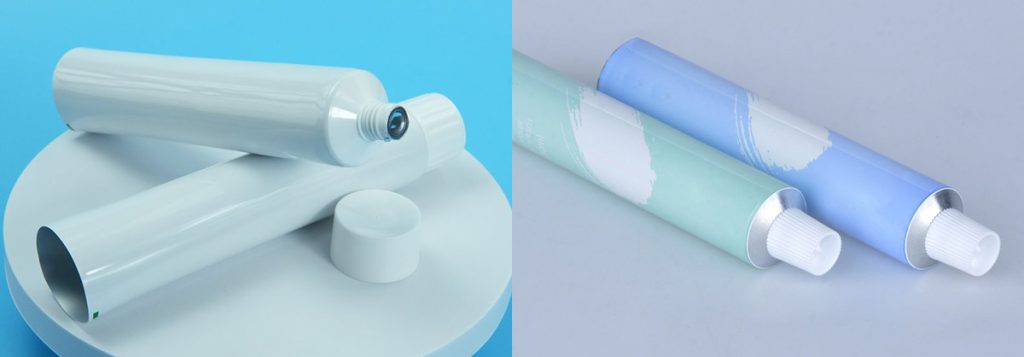
Operators use manual tools to check roundness and straightness in laminated tube production. Calipers, micrometers, and dial gauges provide direct measurement of tube diameter and straightness deviation. These tools help workers identify deviation from the required specifications. The measuring system relies on physical contact with the tube surface, which allows for quick checks during production. Workers record measurement data to track trends and spot issues early. Manual inspection remains important for small batches and for verifying automated results.
Optical Systems
Optical inspection systems offer advanced measurement capabilities for laminated tube production. These systems use multi-stage sensors to capture geometric data, including roundness and straightness deviation. Four 3D scanners measure the outer contour of each tube, while cameras detect surface defects and irregularities. The measuring system achieves high accuracy, with roundness measured to 0.015 mm and diameter to 0.010 mm. Automated optical systems work alongside the lami tube making machine, providing real-time feedback and reducing human error. Operators rely on these systems to maintain strict quality standards and minimize deviation.
- Multi-stage sensors capture geometric data.
- Four 3D scanners measure outer contour.
- Cameras check for surface defects.
- Accuracy for roundness reaches 0.015 mm.
- Diameter measurement achieves 0.010 mm precision.
Optical inspection systems help manufacturers detect straightness deviation quickly, ensuring every laminated tube meets industry requirements.
SPC Techniques
Statistical Process Control (SPC) techniques play a key role in monitoring straightness deviation and roundness during production. Operators collect measurement data from both manual and automated systems. SPC charts display trends and highlight deviation from target values. The measuring system uses control limits based on industry standards, such as ASTM and DIN. When deviation exceeds acceptable levels, operators investigate the cause and adjust the lami tube making machine. SPC techniques support continuous improvement and help manufacturers maintain consistent laminated tube quality.
Visual Checks
Visual inspection remains a practical method for detecting straightness deviation and surface defects. Operators examine each laminated tube for bowing, twisting, or irregularities. They compare tube appearance against reference samples and documented standards. Visual checks often reveal issues that measurement tools may miss, such as discoloration or adhesive problems. Workers perform visual inspection at multiple stages, including after winding and before packaging. This method complements automated systems and helps ensure every tube meets customer expectations.
Tip: Combining visual checks with measurement tools provides a comprehensive approach to quality control.
Comparison with Paper Tubes
Inspection methods for laminated tubes differ from those used in paper tube manufacturing. Paper tubes and paper cores often require less precise measurement due to their application in packaging and non-critical uses. Laminated tube production demands tighter control of straightness deviation and roundness, especially for tubes used in cosmetic or pharmaceutical products. The measuring system for paper tubes typically includes calipers and visual checks, but rarely uses advanced optical systems. Paper tube manufacturing focuses on bulk production, where minor deviation may not affect performance. In contrast, laminated tube inspection relies on high-accuracy measurement and automated systems to meet strict industry standards.
| Inspection Method | Laminated Tube Production | Paper Tube Manufacturing |
|---|---|---|
| Manual Tools | High frequency, precise measurement | Basic checks, less frequent |
| Optical Systems | Advanced, multi-stage sensors | Rarely used |
| SPC Techniques | Essential for process control | Limited application |
| Visual Checks | Detailed, multiple stages | Basic, end-of-line |
| Measuring System Accuracy | 0.015 mm (roundness), 0.010 mm (diameter) | Lower accuracy |
Manufacturers choose inspection methods based on product requirements. Laminated tube production uses a combination of manual, optical, and statistical techniques to control straightness deviation and roundness. Paper tube manufacturing relies more on visual checks and basic measurement tools, as paper tubes and paper cores do not require the same level of precision.
Note: Laminated tube inspection ensures high product quality, while paper tube manufacturing prioritizes speed and cost efficiency.
Quality Best Practices
Calibration and Maintenance
Regular calibration and maintenance of inspection equipment and the lami tube making machine support high process reliability. Operators check measuring tools and sensors to ensure accurate readings. They follow a schedule for calibration, which helps maintain tight manufacturing tolerances. Maintenance tasks include cleaning, lubricating, and replacing worn parts. These actions prevent unexpected breakdowns and keep the production line running smoothly. Consistent calibration and maintenance help manufacturers meet quality criteria and maintain process reliability.
Operator Training
Well-trained operators play a key role in achieving tight manufacturing tolerances and high process reliability. Training programs teach workers how to use inspection tools, interpret measurement data, and adjust the lami tube making machine. Operators learn to recognize signs of straightness deviation and roundness issues. They also receive instruction on documentation practices, which support traceability and continuous improvement. Ongoing training ensures that staff stay updated on new technologies and best practices for laminated tube production.
Tip: Regular training sessions help operators respond quickly to process changes and maintain quality standards.
Root Cause Analysis
When straightness deviation or roundness defects occur, operators use root cause analysis to identify the source. They review process data, inspect equipment, and examine recent changes in materials or settings. This method helps teams find underlying problems rather than just treating symptoms. Root cause analysis supports process reliability by preventing repeat issues. Teams document findings and share solutions across shifts to improve overall quality.
Corrective Actions
Manufacturers use several corrective actions to address roundness and straightness defects in laminated tube production. The table below summarizes effective methods and their impact:
| Corrective Action | Description | Effectiveness |
|---|---|---|
| Use of Mandrels | Mandrels are inserted into hollow profiles before bending to reduce deformation. | Helps in restraining flattening distortion and reduces wrinkling and folding. |
| Application of Axial Tension | Axial tension is applied during the bending process to improve shape retention. | Enhances the working limit and reduces splitting during bending. |
| Laminated Elastic Mandrels | These mandrels are used in conjunction with axial tension for better results. | Significantly decreases cross-sectional deformation in aluminum alloy tubes. |
Operators select corrective actions based on the type of defect and the required tolerances. For example, using mandrels and applying axial tension can help maintain tight manufacturing tolerances and improve the shape of each laminated tube. These methods increase process reliability and reduce the risk of future defects.
Conclusion

Manufacturers achieve precise roundness and straightness in laminated tube production by combining lami tube making machines, real-time monitoring, and skilled operators. Integrated quality systems, such as on-machine measurement and sensor-based tooling, drive continuous improvement:
The development of an on-machine measurement system (OMMS) for evaluating roundness and straightness errors utilizes non-contact measurement principles. This system captures continuous cross-sectional profile data and processes it using advanced methods for outlier replacement and denoising, ensuring high accuracy in measuring straightness and roundness deviations, which is essential for maintaining quality in lami tube manufacturing.
Regular upgrades and training help teams maintain high standards. Manufacturers should review their processes to ensure every laminated tube meets industry expectations.
FAQ
What Is the Role of a Lami Tube Making Machine in Custom Tube Production?
A lami tube making machine shapes and bonds layers to create laminated tubes with precise dimensions. Manufacturers use this equipment for custom tube production, ensuring roundness and straightness. The machine supports high-quality standards for custom tubes in cosmetic and pharmaceutical packaging.
How Do Manufacturers Ensure Roundness in Laminated Tube Production?
Manufacturers monitor process parameters and use custom inspection tools. They adjust temperature and pressure on the lami tube making machine. Inline sensors and manual gauges help maintain roundness. Custom techniques improve tube quality and reduce defects in laminated tube production.
Why Is Straightness Important for Custom Paper Tubes and Laminated Tubes?
Straightness affects how custom paper tubes and laminated tubes fit in automated systems. Manufacturers rely on custom inspection methods to check for bowing or twisting. Accurate straightness ensures reliable performance in custom packaging and other paper tube applications.
What Are the Main Differences Between Laminated Tube and Paper Tube Production?
Laminated tube production uses advanced machines and custom inspection systems for tight tolerances. Paper tube production focuses on bulk output and basic checks. Custom paper tubes require less precision than laminated tubes, which serve critical custom packaging needs.
Can Custom Inspection Methods Improve Quality in Both Laminated and Paper Tube Applications?
Custom inspection methods, such as optical systems and SPC charts, help manufacturers detect defects early. These techniques improve quality for both laminated tubes and custom paper tubes. Reliable inspection supports better results in custom packaging and other paper tube applications.