


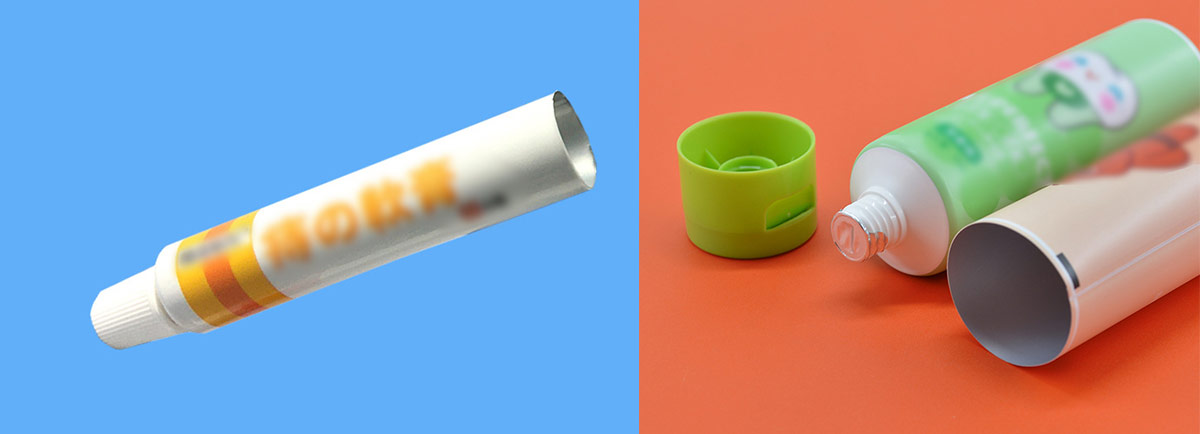
Surface defects in lami tube manufacturing often reduce quality and increase costs. Manufacturers achieve high quality by controlling every step in lami tube manufacturing. Operators inspect each laminated tube for quality before packaging. Attention to detail during lami tube manufacturing prevents defects. Operators of lami tube making machine maintain equipment regularly, which supports consistent quality. Proper adjustment of the laminated tube making machine helps maintain the surface of the laminated tube. Quality improves when workers receive training focused on lami tube manufacturing. Production teams check quality standards throughout lami tube manufacturing to avoid errors.
Key Takeaways
- Regular maintenance of lami tube making machine reduces defects and improves production efficiency.
- Controlling temperature and pressure during lamination prevents common issues like bubbling and wrinkling.
- Thorough surface cleaning and quality checks before lamination minimize the risk of air bubbles and adhesion problems.
- Implementing effective surface treatments, such as corona or plasma, enhances adhesive bonding and reduces defects.
- Training staff on machine operation and defect recognition is crucial for maintaining high-quality production.
Lami Tube Manufacturing Surface Issues
Overview
Manufacturers often encounter several surface defects during lami tube production. These defects include bubbling, wrinkling, and adhesion problems. Industry surveys highlight additional issues such as folding defects, large folding defects, small cracks, linear scratches, scarring, quenching cracks, convex hulls, and straight scratches. Each defect affects the surface of the tube in different ways. Some defects appear as shallow pits or fine cracks, while others show up as deep folds or longitudinal scratches.
Surface defects can reduce the visual appeal and structural integrity of lami tubes. Customers may reject products with visible flaws, leading to increased waste and higher production costs.
Causes
Surface defects arise from several factors during lamination. Incorrect temperature and pressure settings often cause bubbling and wrinkling. Dust and moisture on the surface can interfere with film adhesion. Poor roll tension may result in uneven coating or air bubbles. Tool wear and improper machine adjustment also contribute to surface problems. Inadequate inspection before and after lamination allows defects to go unnoticed.
Common causes of surface defects:
- Improper rolling temperature and pressure
- Dust or moisture on the surface
- Worn tools or equipment
- Incorrect roll tension
- Lack of thorough inspection
Prevention
Manufacturers use several process controls to prevent surface defects in lami tube production. Regular tool maintenance and replacement help maintain a smooth surface. Controlled rolling temperature and pressure reduce the risk of bubbling and wrinkling during lamination. Visual inspection followed by advanced testing methods, such as eddy current or magnetic flux testing, ensures early detection of surface flaws. Protective atmosphere furnaces and controlled descaling minimize oxidation and scarring. Post-process pickling or polishing improves the surface finish. High-quality billets, inspected with ultrasonic testing, lower the chance of defects before lamination begins. Strict control of piercing operations and billet conditioning further protect the surface.
| Prevention Method | Benefit for Surface Quality |
|---|---|
| Tool maintenance | Reduces scratches and pits |
| Temperature and pressure control | Prevents bubbling and wrinkling |
| Visual and advanced inspection | Detects surface defects early |
| Protective atmosphere furnaces | Limits oxidation and scarring |
| Post-process polishing | Improves surface smoothness |
Manufacturers who follow these steps achieve better surface quality and reduce production costs. Consistent process control and attention to detail during lamination help prevent most common surface issues.
Common Lamination Issues
Bubbling During Lamination
Bubbling is one of the most common lamination issues in lami tube manufacturing. Operators often notice bubbles forming between the film and the laminated tube surface. These bubbles can weaken the tube and reduce its visual appeal.
Main causes of bubbling during lamination:
- Incorrect temperature settings on the lami tube making machine can create air pockets or poor bonding.
- Uneven pressure from misaligned or damaged rollers leads to bubbling.
- Improper feeding technique causes the film to fold, trapping air.
- Moisture trapped inside the laminating film creates steam when heated, resulting in bubbles.
- Low-quality laminating film with uneven adhesive can cause bubbling.
Tip: Bubbling often signals problems with machine setup or material quality. Operators should check temperature, pressure, and film quality before starting production.
Actionable prevention tips:
- Maintain a clean surface by wiping the laminated tube with a lint-free cloth.
- Apply even pressure during lamination to ensure proper adhesive bonding.
- Align the lamination film carefully to prevent air pockets.
- Use high-quality film and components for durability.
- Implement controlled cooling after thermal processing to avoid thermal stress.
- Follow recommended lamination pressures and times for optimal bonding.
- Conduct quality control checks throughout production.
Wrinkling
Wrinkling is another frequent defect in lami tube manufacturing. Wrinkles appear as creases or folds on the film surface, making the laminated tube look uneven and less attractive.
Factors that contribute to wrinkling during lamination include improper alignment and maintenance of the lami tube making machine. Roll bending can cause uneven speeds across the panel, leading to wrinkling, especially in thin laminates. Uneven air cylinder pressures also play a role, as consistent clamp pressures are necessary to avoid long wrinkles. Excessive lamination pressure can create post-lamination wrinkles due to heat and stress in the material.
Prevention steps for wrinkling during lamination:
- Use fresh laminating sheets to avoid wrinkling.
- Store sheets in a cool, dry place to prevent humidity-related problems.
- Ensure the laminated tube is clean and free of debris before lamination.
- Use a rolling laminator for even heat distribution.
- Opt for thin laminating sheets to reduce wrinkling risk.
- Follow the lami tube making machine manufacturer’s instructions.
- Laminate slowly to prevent heat-induced wrinkling.
- Allow the laminated tube to cool completely before handling.
- Ensure meticulous material alignment before feeding into the lami tube making machine.
- Regularly calibrate and adjust machine settings.
- Choose high-quality, clean, dry, and uniformly thick materials.
Film Adhesion Problems
Film adhesion problems, often described as “film not sticking,” can lead to delamination or poor bonding in lami tube manufacturing. These issues reduce the strength and durability of the laminated tube.
Adhesion problems arise from several sources. Adhesive compatibility, surface preparation, and incorrect temperature and pressure settings are common causes. Voids, skips, dewetting, and delamination often result from improper adhesive application, insufficient curing, and surface contamination. Quality control and compatibility tests help identify and address these issues.
To improve adhesion, manufacturers use surface treatments such as corona, flame, or atmospheric plasma. These methods increase the surface energy of the materials, ensuring better adhesive bonding. Selecting the right adhesive is crucial; it should have a surface tension lower than that of the substrate by about 10 dynes/cm. Proper surface preparation prevents delamination and ensures a durable bond.
Note: Operators should always check adhesive compatibility and surface cleanliness before starting lamination.
Uneven Coating
Uneven coating is a common lamination issue that affects the appearance and performance of the laminated tube. This defect can result from inconsistent machine settings or poor material quality.
| Cause | Solution |
|---|---|
| Uneven die temperature | Precisely control die temperature |
| Improper adjustment of die lip gap | Adjust die lip gap |
| Worn extruder screw | Regularly maintain the extruder |
| Uneven substrate thickness | Ensure substrate quality |
- Inconsistent pressure or temperature settings require careful adjustment based on the thickness of the film.
- Maintaining consistent temperature across the width of the lami tube making machine helps prevent uneven coating.
| Maintenance Practice | Description |
|---|---|
| Regular Cleaning | Prevents dust and adhesive residue from affecting machine performance, ensuring smooth operation. |
| Lubrication of Moving Parts | Maintains functionality of rollers and gears, preventing wear that could lead to uneven coating. |
| Roller Inspection | Ensures rollers are not worn or misaligned, which is crucial for applying laminate evenly. |
| Monitoring Temperature and Pressure | Ensures proper adhesion of laminate; incorrect settings can lead to poor lamination quality. |
Air Bubbles
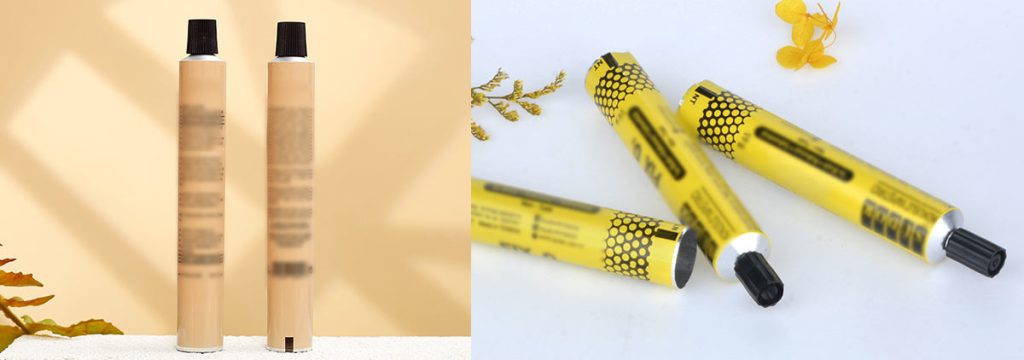
Air bubbles are small pockets of air trapped between the film and the laminated tube. These bubbles can weaken the tube and create visible defects.
Air bubbles often result from dust, moisture, or improper roll tension during lamination. Static electricity can also attract dust to the film, increasing the risk of bubbling. Operators should inspect the surface under good lighting to ensure it is spotless before lamination.
Prevention tips for air bubbles:
- Clean the laminated tube surface thoroughly before lamination.
- Control humidity and static electricity in the production area.
- Adjust roll tension on the lami tube making machine to prevent air pockets.
- Use high-quality film and adhesives for better bonding.
Quality control at every stage of lamination helps reduce common lamination issues such as bubbling, wrinkling, and poor adhesion. Operators who follow these steps achieve smoother, more durable laminated tubes.
Solving Bubbling Issues
Causes
Bubbling during lamination often disrupts the surface quality of lami tubes. Operators notice bubbles forming between the film and the substrate, which can weaken the tube and reduce its appearance. Technical literature identifies several main causes for bubbling. The following table summarizes these causes and their explanations:
| Cause | Explanation |
|---|---|
| Insufficient tension | Air gets trapped between the film and substrate when the film is not taut as it enters the nip. |
| Feeding speed too fast | Bubbles form if the item enters the nip faster than the laminator’s speed. |
| Excessive heat | Hot spots cause moist ink to boil, leading to bubbles, especially when the print is not dry. |
| Poor adhesive bonding | Inadequate bonding between adhesive and substrate results in bubbling. |
Operators also encounter bubbling due to contamination, static electricity issues, and improper surface treating solutions. Dust and moisture on the substrate can trap air, while static electricity issues attract particles that interfere with bonding. Surface treating solutions such as corona, plasma, or flame treatment help improve adhesion and reduce bubbling. De-lamination often follows bubbling if the bond fails, leading to further defects.
Tip: Bubbling signals problems with process control, substrate quality, or environmental conditions. Operators should monitor these factors closely to prevent defects.
Solutions
Manufacturers use several step-by-step solutions to address bubbling during lamination. Industry experts recommend the following actions:
- Control environmental humidity. Dehumidify the workshop in high-humidity conditions and minimize the exposure time of substrates to air.
- Optimize adhesive usage. Follow the adhesive manufacturer’s guidelines for viscosity and application amount to ensure even coverage.
- Improve substrate quality. Select high-quality substrates and clean their surfaces to remove impurities and contamination.
- Adjust lamination process parameters. Set lamination pressure, winding tension, coating temperature, and splicing machine speed according to material characteristics and equipment capabilities.
- Maintain and replace equipment. Inspect and maintain equipment regularly. Replace worn or damaged parts promptly.
- Improve workshop environment. Keep the workshop clean to reduce dust. Consider setting up a separate room for lamination operations if necessary.
- Control solvent residue in printed film. Ensure solvent residue in printed film stays below 3mg/m² to guarantee proper adhesive bonding.
Operators also use surface treating solutions to enhance adhesion and prevent bubbling. Corona, plasma, and flame treatments increase surface energy, which helps adhesives bond more effectively. These treatments reduce the risk of de-lamination and improve overall tube quality.
Note: Consistent process control and equipment maintenance help manufacturers solve bubbling issues, solving wrinkling issues, solving film not sticking issues, and solving de-lamination. Operators who address static electricity issues and contamination achieve smoother lamination results.
Manufacturers who follow these steps reduce bubbling and prevent de-lamination. They achieve higher quality and fewer defects in lami tube production.
Lamination Surface Treatment
Surface preparation plays a key role in preventing defects during lamination. Proper surface treatment increases the effectiveness of adhesive application and ensures strong lamination adhesion. When manufacturers prepare the surface correctly, they reduce the risk of bubbling, wrinkling, and poor bonding. Each treatment method targets specific surface challenges and helps create a long lasting bond.
Corona Treatment
Corona treatment uses high-voltage electrical discharge to modify the surface of plastic films. This process increases surface energy, making the material more receptive to adhesive application. Operators often choose corona treatment for its speed and effectiveness. The improved surface energy allows the adhesive to spread evenly, which enhances lamination adhesion. This method works well for most plastic substrates and helps prevent delamination.
Tip: Corona treatment provides a cost-effective way to improve adhesive bonding and reduce surface defects.
Plasma Treatment
Plasma treatment exposes the tube surface to ionized gas. This process cleans the surface and introduces functional groups that improve adhesive application. Plasma treatment works at low temperatures, so it does not damage sensitive materials. The treated surface allows the adhesive to form a strong bond, which increases lamination adhesion. Plasma treatment also removes organic contaminants, which can interfere with adhesive performance.
Manufacturers often use plasma treatment when they need precise surface preparation. This method supports consistent adhesive application and helps maintain high-quality lamination.
Flame Treatment
Flame treatment passes the tube surface through a controlled flame. The heat oxidizes the surface, raising its energy and making it more suitable for adhesive application. Flame treatment is fast and effective for many types of plastic and metal substrates. The process improves lamination adhesion by allowing the adhesive to wet the surface completely. Operators must control the flame carefully to avoid damaging the material.
| Surface Treatment | Main Benefit | Typical Use Case |
|---|---|---|
| Corona | Increases surface energy | Plastic films |
| Plasma | Cleans and activates surface | Sensitive materials |
| Flame | Oxidizes and energizes | Plastics and metals |
Note: Effective surface preparation with these treatments ensures a reliable adhesive bond and reduces the risk of lamination defects.
Process Control and Machine Maintenance
Key Parameters
Operators must monitor key parameters to prevent surface defects in lami tube manufacturing. Temperature, pressure, and hold times directly affect the quality of the laminated tube. If the temperature is too high, moisture can evaporate too quickly, causing bubbles or weak adhesion. Low pressure may result in poor bonding during lamination. Hold times that are too short can leave static pockets or incomplete curing. Environmental control also plays a vital role. Proper humidity levels help maintain material integrity and prevent corrosion, microbial growth, and compromised adhesive properties. Consistent humidity prevents reactions that could compromise product integrity, reducing the likelihood of defects. Effective dust management minimizes contamination risks, which can lead to product defects. Regular cleaning and maintenance of equipment and workshops are necessary to keep the air dust-free and maintain product quality.
Lami Tube Making Machine Care
Regular maintenance of the lami tube making machine reduces defect rates and improves production efficiency. Preventive maintenance operations increased the average time between failures for machine Alba 26 by 42%. For machine Crupp 21, the average time between failures increased by 46% after preventive maintenance. Operators should inspect rollers, replace worn parts, and clean the machine to prevent static buildup and dust accumulation. Advances in lami tube making machine also contribute to defect reduction:
| Aspect | Contribution to Defect Reduction |
|---|---|
| Automation | Minimizes human intervention, reducing the risk of errors |
| Precision Engineering | Ensures consistent quality and dimensions of tubes |
| Smart Technology Integration | Allows for real-time monitoring and optimization of processes |
Automated inspection systems for size measurement and sealing performance tests help classify and package qualified tubes. These innovations support consistent lamination quality and reduce static-related issues.
Staff Training
Well-trained staff play a crucial role in defect prevention. Operators must understand how to adjust process parameters and recognize early signs of static or moisture problems. Training programs should cover machine operation, maintenance routines, and environmental controls. Staff who know how to manage static and moisture can quickly address issues before they affect the laminated tube. Regular workshops and refresher courses keep teams updated on the latest lamination techniques and process improvements.
Tip: A skilled team, combined with lami tube making machine and strict process control, ensures high-quality laminated tubes with minimal defects.
Conclusion
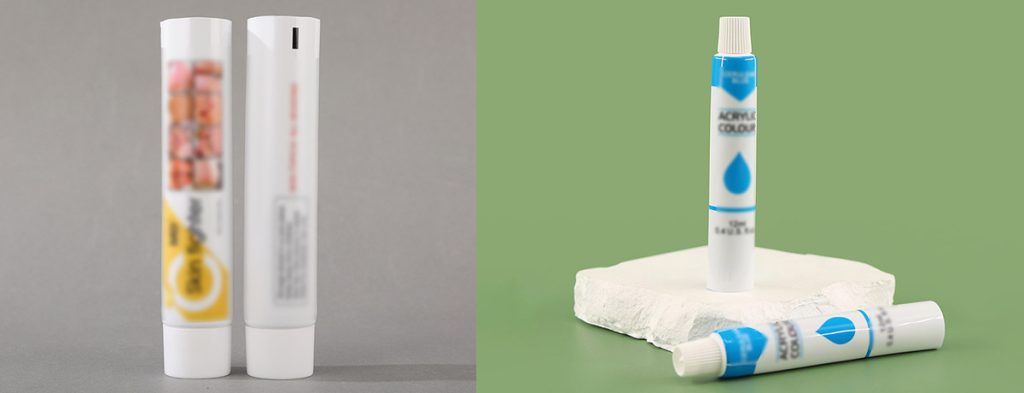
Manufacturers achieve consistent, high-quality lami tubes by focusing on process control, machine maintenance, and effective surface treatment. They monitor key parameters and train staff to spot defects early. Quality management systems help track improvements in product quality:
| QMS Type | Purpose | Documentation Requirement |
|---|---|---|
| ISO 9001 | Provides a framework for quality management and continuous improvement. | In-depth documentation to track progress. |
| Total Quality Management (TQM) | Focuses on long-term success through customer satisfaction. | Requires detailed records of quality initiatives. |
| Six Sigma | Aims to reduce defects and improve processes through data analysis. | Documentation of defect rates and improvements. |
Teams who apply these strategies see fewer defects and greater customer satisfaction.
FAQ
What Causes the Most Common Surface Defects in Lami Tubes?
Operators often see bubbling, wrinkling, and poor adhesion. These defects usually result from incorrect temperature, pressure, or contamination. Machine misalignment and poor material quality also contribute. Regular checks and proper machine settings help reduce these issues.
How Can Operators Prevent Air Bubbles During Lamination?
Operators should clean surfaces thoroughly and control humidity. Adjusting roll tension and using high-quality film also help. Monitoring static electricity reduces dust attraction. Quality checks at each stage further prevent air bubbles from forming.
Why Is Surface Treatment Important in Lami Tube Manufacturing?
Surface treatment increases the surface energy of materials. This process helps adhesives bond better. Methods like corona, plasma, or flame treatment prepare the surface for strong adhesion. Proper treatment reduces defects such as delamination and bubbling.
How Often Should Lami Tube Making Machines Be Maintained?
Manufacturers recommend regular maintenance based on usage. Operators should inspect rollers, clean parts, and replace worn components. Preventive maintenance increases machine reliability and reduces the risk of defects during production.
What Training Should Staff Receive to Prevent Defects?
Staff should learn machine operation, maintenance routines, and environmental controls. Training includes recognizing early signs of defects and understanding process parameters. Regular workshops keep teams updated on best practices and new technologies.