


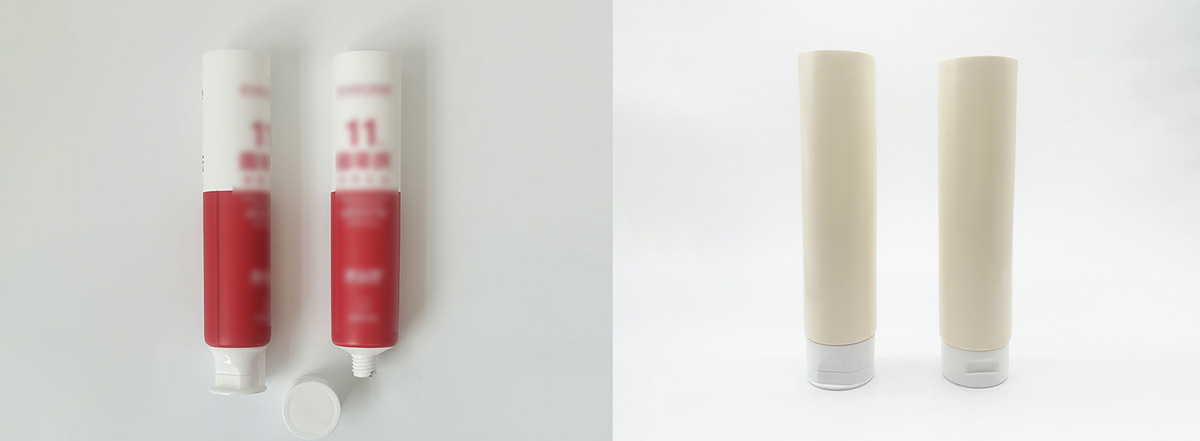
Laminated printing provides essential protection and durability for printed materials. Key features and quality points include moisture resistance, UV defense, and enhanced visual appeal. Businesses and marketers benefit from longer-lasting prints and increased customer attraction. Understanding both features and quality points helps companies select effective solutions. Manufacturing processes, such as the lami tube making machine, play a crucial role in delivering consistent quality.
Recent market data shows strong growth in laminated printing:
- The laminated label market size reached USD 36.5 billion in 2025.
- North America expects a CAGR of 8.32% until 2030.
- Commercial laminating machines hold a 47.3% market share in 2025.
| Benefit | Description |
|---|---|
| Moisture Protection | Laminated prints are waterproof, protecting them from rain and humidity. |
| UV Defense | Laminated materials resist UV rays, preventing color fading and maintaining readability. |
| Damage Shielding | The plastic covering protects against scratches and tears, ensuring longevity. |
| Aesthetic Advantages | Lamination enhances visual appeal, making prints more attractive to customers. |
Key Takeaways
- Laminated printing protects materials from moisture, UV rays, and physical damage, extending their lifespan.
- Different lamination types, like matte and glossy, enhance visual appeal and can influence customer attraction.
- Using a laminated tube making machine improves production efficiency and ensures high-quality packaging.
- Regular inspection of laminated materials helps maintain quality and prevents common issues like peeling and bubbling.
- Choosing the right lamination thickness is crucial for balancing protection and visual appeal.
Lamination in Printing
Process
Lamination in printing adds a protective layer to printed materials, improving their durability and appearance. The process follows several key steps:
- Preparation of the printed material. Operators trim and clean the sheets to remove dust or debris.
- Feeding the substrate. Workers insert the sheets into the laminated tube making machine.
- Applying the film. The machine uses hot or cold lamination methods to bond the film to the substrate.
- Bonding and cooling. The machine presses the layers together and cools the laminated sheet.
- Post-lamination finishing. Additional steps, such as die-cutting or embossing, may follow.
Lamination in printing ensures that marketing materials, such as brochures and business cards, resist moisture and damage. The lami tube making machine plays a vital role in producing laminated tube packaging, which requires precise lamination for product protection.
Types of Lamination
Printers use several types of lamination to achieve different finishes and effects. The most common types include:
- Matte lamination: This finish provides a non-reflective, smooth surface. It reduces glare and creates a sophisticated look. Matte lamination also enhances color depth and offers a writable surface.
- Glossy lamination: This finish delivers a shiny, reflective surface. It makes colors appear more vibrant and gives marketing materials a high-quality appearance. Glossy lamination is water-resistant but can show fingerprints.
- Soft touch lamination: This finish offers a velvety texture and a luxurious feel. It resists fingerprints and adds a unique branding element to packaging.
Lamination in printing allows businesses to select the best finish for their marketing materials, depending on the desired look and function.
Lami Tube Machine
The lami tube making machine has transformed the production of laminated tube packaging. This advanced equipment brings several benefits:
| Feature | Benefit |
|---|---|
| Advanced Automation | Increases production efficiency and reduces manual labor. |
| High-Speed Capabilities | Produces more laminated tubes in less time, boosting overall productivity. |
| Multi-layer Production | Creates tubes with optimal sealing and smoothness for diverse needs. |
| Enhanced Aesthetic Appeal | Ensures accurate design, meeting consumer preferences for packaging. |
Manufacturers now use digital printing and automation to improve lamination quality. These technologies enable detailed designs, faster production, and sustainable options. The lami tube making machine supports the growing demand for laminated tube packaging in various industries. Lamination in printing continues to evolve, offering better protection and visual appeal for all types of marketing materials.
Laminated Printing Features
Protection
Laminated printing offers strong protection for printed materials. The lamination process creates a barrier that shields against water, scratches, smudges, UV rays, and stains. This protective layer extends the life of graphics exposed to frequent handling or harsh environments. Laminated tube packaging, for example, benefits from this protection by keeping products safe from moisture and dirt during transport and storage.
- Extends the life of graphics exposed to wear and tear
- Provides a barrier against everyday damage
- Shields from UV light and helps maintain color integrity
- Prevents moisture from penetrating printed materials
- Protects against dirt and smudges, making prints easy to clean
Laminated printing acts as a shield in high-traffic areas, preventing scratches, scuffs, and abrasions. This level of protection ensures that marketing materials, menus, and packaging maintain their appearance and function over time.
Durability
Durability stands as a key benefit of laminated printing. The lamination process bonds multiple layers, which enhances the mechanical strength of printed products. Material testing studies show that this composite structure improves overall performance and environmental protection.
| Benefit | Description |
|---|---|
| Mechanical Stability | Bonding multiple layers enhances the mechanical strength of printed products. |
| Environmental Protection | Lamination provides a barrier against moisture, UV light, and other environmental factors. |
| Overall Performance | The composite structure created through lamination improves the overall functionality of products. |
Laminated materials show high resistance to chemicals, dampness, and UV light. Compared to non-laminated alternatives, laminated printing significantly extends the lifespan of products. Laminated tubes, for instance, can survive harsh conditions and maintain their structure, making them ideal for cosmetics and pharmaceuticals. Enhanced durability means these products withstand daily use and repeated handling without losing quality.
Visual Appeal

Laminated printing enhances the visual appeal of printed materials. The lamination process intensifies color vibrancy and creates a smooth, attractive finish. Glossy lamination makes colors pop and adds shine, while matte and soft touch finishes offer a sophisticated look and unique tactile experience. Designers often use bolder colors to counteract the slight muting effect of some finishes, such as soft touch lamination.
- Soft touch lamination can reduce color intensity due to its matte finish, which diffuses light.
- This effect is significant for bright and saturated colors, as well as metallic inks.
- Designers are encouraged to use bolder colors in their designs to counteract the muting effect of lamination.
Improved visual appeal increases customer attraction and brand recognition. Finishing quality remains a critical factor in customer satisfaction, as highlighted in recent print buyer surveys. Laminated tubes and packaging benefit from these visual enhancements, making products stand out on store shelves.
Versatility
Laminated printing demonstrates versatility across many industries and applications. Businesses use lamination for art prints, posters, menus, booklets, signs, wall graphics, photo prints, brochures, annual reports, and more. Laminated tubes also serve a wide range of products, from cosmetics to food packaging.
Lamination offers easy cleaning and maintenance. When laminated surfaces become soiled, users can wipe them clean without damaging the print. This feature proves especially useful for menus, signage, and packaging that require frequent cleaning.
“Laminated graphics—especially those that have been installed for a long period of time—tend to be easier to remove,” says Bellah. “The overlam helps keep the window film from tearing into small pieces during removal. Fewer hours of labor mean more profit for one’s shop.”
Laminated printing provides enhanced durability, damage protection, and visual enhancement, making it a cost-effective solution for many projects. The process also supports sustainability when using eco-friendly laminates or coatings, offering recyclable and biodegradable options for environmentally conscious businesses.
Quality Points in Lamination
Adhesion & Sealing
Strong adhesion and proper sealing define high-quality lamination. Manufacturers focus on surface preparation to ensure the film bonds tightly to the substrate. They use methods like dyne testing, water break testing, and contact angle measurement to check surface readiness. These tests help prevent common issues such as bubbling, wrinkling, and de-lamination. Consistent monitoring at critical control points in production helps maintain adhesion quality. Proper sealing at the edges prevents moisture and contaminants from entering, which supports protection against wear and tear. When lamination achieves excellent adhesion, the result is a product that resists peeling and maintains its structure over time.
Finish Quality
Finish quality plays a vital role in the appearance and performance of laminated products. Industry standards, such as UL 969 and related certifications, set benchmarks for finish consistency and durability. The table below highlights key standards:
| Standard/Certification | Description |
|---|---|
| UL 969 | Covers the durability and performance of printed labels, ensuring they meet specific requirements for finish consistency and other performance metrics. |
| PGDQ2 | Covers printed labels and mechanically affixed labels manufactured by a label printer/converter, ensuring they are tested in accordance with ANSI/UL 969. |
| PGJI2 | Covers printed labels and unprinted stocks evaluated for additional printing by end-use product manufacturers, tested in accordance with ANSI/UL 969. |
| PGGU2 | Covers materials used to make labels, including blank label stocks and laminating adhesives, tested in accordance with ANSI/UL 969. |
| PGIM2 | Covers printed in-mold labels intended to be embedded into molded plastic parts, tested in accordance with ANSI/UL 969. |
| PGCT2 | Covers labels and tags affixed to flexible cords or hoses, tested in accordance with ANSI/CAN/UL 969A. |
| PGIS2 | Covers labels evaluated for compliance with specific UL end-product standards, with performance requirements that may differ from ANSI/UL 969. |
A smooth, even finish without bubbles or wrinkles signals high quality. Manufacturers also select the right lamination thickness for each product. For sensitive items, a thickness of 3 to 5 mil offers enhanced protection, while less sensitive items may use 1 to 2 mil. This careful selection ensures both visual appeal and functional performance.
Longevity
Lamination extends the lifespan of printed materials by providing robust durability. Laminated prints resist water, UV rays, and physical damage. They maintain their appearance and integrity, even after frequent handling. The protective layer prevents folds, bends, and frayed edges, supporting long-lasting graphics. Laminated aluminum sheets, for example, withstand weather and keep prints looking new. The film also shields against scratches and graffiti, reducing maintenance needs. High-quality lamination ensures that products remain attractive and functional for years, making them a smart choice for businesses seeking reliable, long-term solutions.
Conclusion

Laminated printing delivers protection, durability, visual appeal, and versatile application for printed materials such as cards, brochures, posters, and folders. Industry experts recommend evaluating the nature of materials, adhesive technology, and machine design. Automated systems help detect flaws in printed materials early. Businesses should inspect material integrity, printing accuracy, and sealing effectiveness. Common mistakes include neglecting film thickness, rushing lamination, and misaligning documents. Choosing the right lamination ensures cost-effective, reusable, and cleanable printed materials with resistance to fingerprints and smudges, uv protection, and enhanced reusability and cleanability.
| Practical Tip | Benefit |
|---|---|
| Test burst threshold | Confirms safety and durability of materials |
| Inspect for leaks and flaws | Ensures quality in printed materials |
- Businesses should match lamination to the application and consider cleanability for long-term use.
FAQ
What Materials Can Be Laminated?
Paper, cardboard, and flexible plastics work well for lamination. Printers often laminate business cards, posters, menus, and packaging. Some specialty films allow lamination of photographs and digital prints.
Tip: Always check if the material can withstand heat if using thermal lamination.
How Does Lamination Improve Print Longevity?
Lamination adds a protective film that shields prints from water, UV rays, and scratches. This barrier helps maintain color and structure for years.
| Benefit | Effect |
|---|---|
| Water resistance | Prevents warping |
| UV protection | Stops fading |
Can Laminated Prints Be Recycled?
Many laminated prints cannot enter standard recycling streams due to mixed materials. Some eco-friendly laminates allow recycling or composting. Always check local recycling guidelines.
- Eco-friendly options exist
- Standard laminates may not be recyclable
What Is the Difference Between Gloss and Matte Lamination?
Gloss lamination creates a shiny, reflective surface that makes colors pop. Matte lamination offers a smooth, non-reflective finish for a subtle look. Both finishes protect prints but provide different visual effects.
Note: Matte finishes reduce glare, making them ideal for reading materials.
Why Use a Lami Tube Making Machine?
A lami tube making machine automates the production of laminated tubes. This equipment ensures precise layering, strong seals, and high-speed output. Manufacturers rely on these machines for consistent quality in packaging.
- Ensures uniform thickness
- Increases production speed