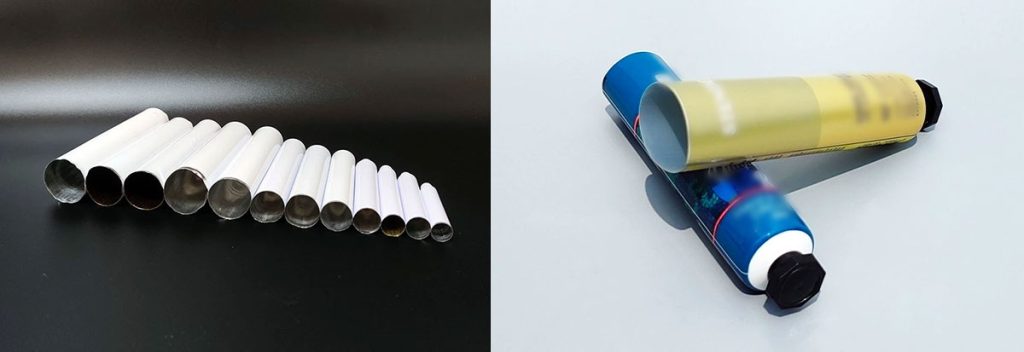
Laminated tube packaging supports growth and sustainability in Latin America and Africa. Companies invest in advanced machinery and infrastructure to meet rising demand. The market attracts attention as local production increases with lami tube making machine and tube laminating film technology. Businesses use these developments to create new opportunities and drive progress.
Key Takeaways
Laminated tubes are in high demand due to urbanization and rising incomes, especially in the food and healthcare sectors.
Investing in local manufacturing and advanced technology can help businesses meet the growing need for sustainable packaging solutions.
Sustainability trends are shaping the market, with eco-friendly materials becoming essential for attracting consumers and complying with regulations.
Strategic partnerships and technology transfers can enhance production capabilities and foster innovation in the laminated tube market.
Companies that prioritize sustainability and local production are likely to gain a competitive edge and expand their market share.
Laminated Tube Market Overview
Demand Trends
The market for laminated tubes in Latin America and Africa shows strong momentum. Higher consumption of packaged goods drives demand for lami tubes. The food and healthcare sectors require reliable packaging, which increases the need for advanced solutions. Urbanization and rising disposable incomes encourage consumers to spend more on personal care and healthcare products. The tube laminating film market supports local manufacturing, making it easier for businesses to meet regional demand. Growth in the personal care and cosmetics industry also boosts the market for lami tubes. Sustainable packaging solutions attract attention as companies seek to reduce environmental impact.
Several factors fuel market expansion for laminated tubes. Advancements in packaging technology improve the quality and durability of lamitubes and multilayer lamitubes. The tube laminating film market enables local manufacturers to produce innovative packaging. Laminated tube making machine plays a key role in boosting production capacity. Increased government investment and the entry of multinational companies in Brazil and Mexico accelerate growth. In Africa, economic diversification and infrastructure growth support the laminated tube market, despite challenges such as funding scarcity. The competitive landscape includes large companies and small to medium enterprises, which fosters innovation and technological solutions.
Infrastructure & Investment
Infrastructure improvements and rising investments shape the future of the laminated tube market. Projects in Latin America, especially in urban areas, drive growth for lamitubes and multilayer lamitubes. The tube laminating film market benefits from foreign investments and infrastructure development, which create opportunities for local manufacturing. Lami tube making machine helps businesses increase production and share in the market. In Africa, infrastructure growth and economic diversification support the expansion of lami tubes. Both regions see a mix of large and small enterprises, which encourages innovation and sustainability in packaging.
Opportunities and Potential
Key Industries
Laminated tubes have become essential in several high-impact sectors across Latin America and Africa. The cosmetics industry leads the way, using lami tubes for creams, lotions, and gels. Pharmaceutical companies rely on laminated tubes for ointments and topical medications. Food packaging also benefits from multilayer lamitubes, which protect products like sauces and condiments. Oral care brands use laminated tubes for toothpaste and gels, taking advantage of the tube laminating film market to ensure product safety and shelf appeal.
The tube laminating film market supports these industries by providing advanced materials that improve durability and barrier properties. Lami tubes and multilayer lamitubes offer lightweight, flexible, and hygienic packaging solutions. Companies in these sectors recognize the market growth potential and invest in technological innovations to meet rising demand. The tube laminating film market enables local manufacturers to produce high-quality laminated tubes, which helps them compete with global brands.
The cosmetics, pharmaceuticals, food, and oral care sectors drive demand for lami tubes , creating new opportunities for market expansion.
Market Entry Potential
Latin America and Africa present unique advantages for new entrants in the laminated tube market. Latin America, especially Brazil and Chile, aligns with global environmental standards. These countries implement Extended Producer Responsibility (EPR) frameworks, which encourage cosmetic manufacturers to adopt eco-friendly packaging. The demand for laminated tubes made from recyclable materials continues to rise. Public and regulatory pressure to reduce plastic waste shapes the market and creates opportunities for partnerships with local packaging innovators.
Africa offers a rapidly growing consumer base and increasing urbanization. The tube laminating film market in Africa supports local production of lami tubes. Companies entering the market can leverage regional strengths, such as access to raw materials and a young workforce. The market rewards businesses that adapt to local preferences and invest in sustainable solutions. The tube laminating film market also enables companies to respond quickly to changing consumer needs.
New entrants find opportunities in the tube laminating film market by focusing on eco-friendly laminated tubes and building partnerships with local innovators.
Innovation & Sustainability
Innovation and sustainability trends shape the future of laminated tubes in Latin America and Africa. The tube laminating film market drives the adoption of new materials and production methods. Companies introduce biodegradable polymers and recyclable laminates to meet the demand for sustainable packaging. The market sees a shift toward lamitubes and multilayer lamitubes that offer improved recyclability and a reduced carbon footprint.
The ABL and PBL tubes market adapts to sustainable packaging by using biodegradable polymers and recyclable laminates.
Regulatory focus on sustainability influences production practices in both regions.
ABL and PBL tubes provide advantages in recyclability and a lower carbon footprint compared to traditional packaging.
Lami tubes and multilayer lamitubes support sustainability by reducing material waste and energy use. The tube laminating film market encourages technological innovations that improve efficiency and product quality. Companies that invest in sustainable solutions gain a competitive edge and increase their market share. The focus on eco-friendly packaging aligns with consumer expectations and regulatory requirements.
The tube laminating film market leads the way in sustainability trends, offering innovative solutions that support market growth and environmental responsibility.
Challenges
Supply Chain
Manufacturers in Latin America and Africa face several supply chain challenges in the laminated tube market. They encounter regulatory complexity because packaging rules differ across countries, especially for food-contact applications. Production costs for laminated tubes are 30-40% higher than standard tubes, which creates barriers in price-sensitive markets. Raw material price volatility, particularly for specialized polymers, makes cost forecasting difficult and puts pressure on profit margins. Global supply chain disruptions and rising raw material costs have affected production and distribution, making it hard for companies to meet demand.
Regulatory complexity across markets
High production costs for laminated tubes
Volatile raw material prices
Disruptions in global supply chains
Supply chain challenges can limit market growth and affect the ability of manufacturers to increase their share.
Regulation
Regulatory frameworks play a major role in shaping the laminated tube market. South America has introduced reforms that improve healthcare access and boost pharmaceutical production capabilities. These changes support market growth and encourage companies to invest in advanced packaging solutions. In Africa, better healthcare infrastructure and increased pharmaceutical availability depend on regulatory improvements. Companies must stay informed about changing regulations to maintain compliance and benefit from market opportunities.
Improved healthcare infrastructure in Africa supports the market.
Companies must adapt to evolving regulations to maintain their share.
Consumer Awareness
Consumer awareness about the benefits of laminated tubes continues to rise in Latin America and Africa. People recognize the advantages of sustainable packaging solutions, such as recyclability and a lower carbon footprint. This growing environmental consciousness among consumers and companies supports market growth and encourages the adoption of innovative solutions. As awareness increases, demand for laminated tube packaging rises, helping companies expand their market share.
Awareness of sustainable packaging solutions is growing.
Laminated tubes offer recyclability and a lower carbon footprint.
Environmental consciousness supports market growth and demand.
Increased consumer awareness drives demand for laminated tube packaging and supports market expansion.
Strategies for Success
Local Manufacturing
Local manufacturing of laminated tubes and multilayer lamitubes creates new opportunities for businesses in Latin America and Africa. Companies invest in lami tube making machine to boost production and meet market demand for high-quality packaging solutions. These machines enhance productivity and reduce labor costs, which helps local manufacturers compete with global brands. The adoption of automatic and semi-automatic lami tube making machines allows businesses to optimize production processes and improve operational efficiency.
Rising middle-class population, demand for affordable personal care products, urbanization, and awareness of hygienic packaging.
Infrastructure limitations, dependency on imported raw materials, but local manufacturing investments create opportunities.
Middle East & Africa
Economic diversification, increasing healthcare spending, growth in premium cosmetic packaging, and modern retail infrastructure.
High initial production costs and limited recycling infrastructure, but advanced packaging technologies and government focus on sustainability offer growth prospects.
Local manufacturers use lami tubes and multilayer lamitubes to serve the cosmetics, food packaging, and pharmaceutical sectors. Investments in local production facilities help companies increase their market share and respond quickly to changing consumer preferences. The tube laminating film market supports these efforts by providing environmentally friendly laminating films and advanced materials for sustainable packaging practices.
Tip: Companies that prioritize local manufacturing and invest in lami tube making machine gain a competitive edge in the laminated tubes market.
Technology & Partnerships
Technological innovations and strategic partnerships drive growth in the laminated tubes market. Businesses adopt new technologies to produce lamitubes and multilayer lamitubes that meet the needs of the cosmetics, food packaging, and oral care industries. Lami tube making machine provides advanced packaging solutions and help manufacturers deliver high-quality products efficiently.
Key strategies include:
Collaborations with international partners to transfer technology and share expertise.
Investments in research and development to create innovative lamitubes and multilayer lamitubes.
Major players in the market use collaborations to introduce new solutions and improve operational efficiency. These partnerships support the adoption of environmentally friendly laminating films and sustainable packaging practices. Companies that embrace technological advancements and build strong alliances increase their share and unlock new opportunities for growth.
Note: Technology transfer and partnerships accelerate innovation and help businesses adapt to sustainability trends in the laminated tubes market.
Sustainability Initiatives
Sustainability shapes the future of laminated tubes and multilayer lamitubes in Latin America and Africa. Companies implement sustainable packaging practices to reduce environmental impact and meet consumer expectations for eco-friendly packaging. The tube laminating film market offers solutions such as recyclable laminates and biodegradable polymers, which support sustainability goals.
Businesses focus on:
Reducing material waste and energy consumption in the production of lami tubes and multilayer lamitubes.
Using environmentally friendly laminating films to create eco-friendly packaging.
Educating consumers about the benefits of sustainable packaging and promoting responsible disposal practices.
Sustainability initiatives align with regulatory requirements and market demand for innovative solutions. Companies that invest in sustainable packaging increase their market share and contribute to long-term growth. The adoption of technological innovations and collaboration with industry partners help businesses stay ahead of sustainability trends and deliver high-quality packaging solutions.
Callout: Sustainability initiatives and eco-friendly packaging drive innovation and create new opportunities for growth in the laminated tubes market.
Future Outlook
Market Trends
The market for laminated tube packaging in Latin America and Africa continues to expand. Urbanization and rising disposable incomes drive demand for quality packaging. Companies see opportunities in local production and strategic partnerships. The market is projected to reach USD 3.5 billion by 2033, with a CAGR of 6.2%. Growth in food packaging and personal care products supports this expansion. The market rewards businesses that adapt quickly to changing consumer needs and invest in sustainable packaging solutions.
Urbanization increases demand for packaging.
Disposable incomes rise, boosting market growth.
Local production and partnerships create new opportunities.
The market in Latin America and Africa shows strong potential for companies that focus on quality and sustainability trends.
Innovations
Technological innovations shape the future of the market. Companies invest in automation to improve operational efficiency. Flexible machinery allows manufacturers to offer personalized packaging solutions. Digital integration and data tracking become standard features, helping businesses monitor production and optimize processes. The market encourages innovation in eco-friendly packaging and sustainable solutions. Companies that adopt new technologies increase their share and respond to consumer preferences.
Automation enhances efficiency in tube manufacturing.
Digital integration improves data tracking and quality control.
Innovation drives the market forward, creating opportunities for businesses to deliver advanced solutions.
Sustainability Focus
Sustainability remains a key focus in the market. Companies introduce eco-friendly packaging and recyclable materials to meet consumer expectations. Sustainable packaging solutions reduce environmental impact and support long-term market growth. Businesses educate consumers about responsible disposal and the benefits of eco-friendly products. The market values technological advancements that promote sustainability trends and eco-friendly practices.
Eco-friendly packaging gains popularity among consumers.
Sustainable packaging solutions support market growth.
Companies promote responsible disposal and environmental awareness.
Sustainability trends guide the market toward innovative and eco-friendly solutions.
Conclusion
Stakeholders in Latin America and Africa can unlock significant growth by focusing on local manufacturing, advanced technology, and sustainability. Innovations in multi-layer films and smart packaging solutions drive the market forward. Key steps include investing in high-potential areas, conducting feasibility studies, and staying informed about disruptive technologies. Growing consumer demand for recyclable materials and the rise of e-commerce create new opportunities for those who invest in lami tube making machine and advanced film technology.
FAQ
What Is the Tube Laminating Film Market?
The tube laminating film market supplies films used to produce packaging tubes. Manufacturers use these films to create strong, flexible, and attractive tubes for cosmetics, food, and pharmaceuticals. The market supports local production and helps companies meet growing demand for advanced packaging.
How Does the Tube Laminating Film Market Support Sustainability?
The tube laminating film market promotes sustainability by offering recyclable and biodegradable films. Companies choose these materials to reduce waste and environmental impact. The market encourages innovation in eco-friendly packaging, helping businesses meet consumer expectations for responsible products.
Which Industries Benefit Most from the Tube Laminating Film Market?
Cosmetics, pharmaceuticals, food, and oral care industries benefit most from the tube laminating film market. These sectors require reliable, hygienic, and attractive packaging. The market provides advanced films that improve product safety and shelf appeal, supporting growth in these high-impact industries.
What Are the Main Challenges in the Tube Laminating Film Market?
Manufacturers face supply chain disruptions, high production costs, and changing regulations in the tube laminating film market. Companies must adapt quickly to market changes and invest in technology to stay competitive. The market rewards businesses that overcome these challenges with innovation.
Why Are Laminated Tubes Important for Modern Packaging?
Laminated tubes offer durability, flexibility, and protection for products. They keep contents safe from contamination and extend shelf life. The tube laminating film market enables manufacturers to produce high-quality laminated tubes that meet the needs of consumers and industries.
If you are interested in our Lami Tube making machine, please fill out below form, or send email to info@lamitubemakingmachine.com.