


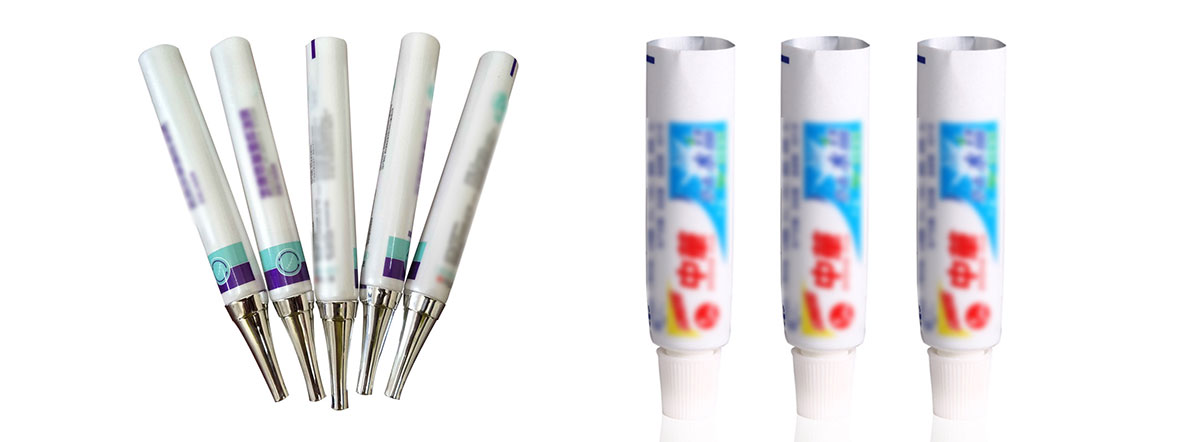
Toothpaste tubes have changed dramatically over time. Manufacturers first used metal, then switched to plastic, and now often use the laminated tube for toothpaste packaging. Many people remember squeezing a metal tube or notice how easy it is to use today’s toothpaste. These changes affect consumers and the environment in many ways.
- Energy consumption for producing a toothpaste tube reaches about 39 MJ.
- Production pollution can reach 2280 g per tube.
- In 2012, oral care packaging hit 31 billion units globally, with plastic tubes in Asia Pacific rising 4% each year.
Have you ever wondered how the toothpaste tube in your bathroom affects the world around you?
Key Takeaways
- Toothpaste tubes have evolved from metal to plastic and now to laminated materials, improving convenience and sustainability.
- Plastic tubes are lightweight and easy to use, but many are not effectively recyclable, raising environmental concerns.
- Laminated tubes offer superior protection for sensitive ingredients, making them a preferred choice for modern toothpaste packaging.
- Sustainability is a major focus in toothpaste packaging, with innovations like biodegradable materials and refill programs gaining popularity.
- The future of toothpaste tubes will prioritize eco-friendly designs and user convenience, addressing consumer demand for sustainable options.
Historical Evolution of Toothpaste Tubes
Early Metal Tubes: Tin and Lead
The historical evolution of toothpaste began with the introduction of the first toothpaste tube in the late 19th century. Early toothpaste tubes used metals like tin and lead. These materials allowed manufacturers to create collapsible packaging that kept the product fresh and easy to dispense.
- The original collapsible toothpaste tubes were made of lead.
- Early tubes often combined tin and lead, which provided flexibility and protection from air and moisture.
- Many people remember the metallic taste or the difficulty in squeezing out the last bit of toothpaste from these early toothpaste tubes.
These early tubes marked a significant step in the evolution of tube materials, making toothpaste more convenient for daily use.
Impact of World War II on Packaging
World War II changed the landscape of packaging for many consumer goods, including toothpaste. Material shortages forced companies to seek alternatives to metal. The war also spurred innovation in both product formulation and packaging.
| Change in Toothpaste | Description |
|---|---|
| Synthetic Detergents | Allowed manufacturers to replace soap with emulsifying agents for better performance. |
| Introduction of Fluoride | Fluoride was added to enhance cavity prevention. |
| First Striped Toothpaste | The innovation of striped toothpaste occurred post-war. |
By the 1940s, toothpaste gained popularity over powders, capturing 75% of the market by 1949. Marketing shifted focus from cosmetic benefits to oral health, emphasizing the destruction of decay-causing bacteria. The first fluoride toothpaste appeared in 1950, and Crest’s fluoride toothpaste received ADA endorsement in 1955. These changes reflected a growing awareness of oral health and the need for improved packaging solutions.
Transition to Plastics in the 1950s
The transition from metal to plastic marked a new chapter in the historical evolution of toothpaste. Plastic offered several advantages over metal, such as lighter weight, lower cost, and greater flexibility. Manufacturers quickly adopted plastic for toothpaste tubes, which made them easier to squeeze and less prone to cracking.
The timeline below highlights key events in the shift from metal to plastic packaging:
- 2013: Colgate-Palmolive began developing a recyclable toothpaste tube from HDPE.
- 2014: Initiation of design and testing phases for the new tube.
- 2016: Creation of a soft, squeezable tube from HDPE.
- 2017: Presentation of recyclable tube development to the Association of Plastic Recyclers.
- 2019: First recyclable tubes shipped to stores under Tom’s of Maine brand.
- 2021: Awarded U.S. Patent for the recyclable plastic package.
- 2024: Announcement that over 90% of toothpaste tubes in the U.S. are now recyclable.
Material shortages and technological advancements played a crucial role in this evolution. In 2019, Colgate introduced the first recyclable toothpaste tube certified by the APR. This innovation replaced traditional multilayer packaging with mono-material packaging, making recycling easier and more efficient.
The historical evolution of toothpaste packaging shows how necessity and innovation drive change. Early toothpaste tubes made from metal gave way to plastic as new materials and technologies emerged. Today, the focus remains on improving both the functionality and sustainability of every tube.
Plastic Toothpaste Tubes
Rise of Plastic Packaging
Plastic packaging for toothpaste began to dominate the market in the mid-20th century. Manufacturers recognized that plastic tubes offered greater flexibility and durability compared to metal. The global shift accelerated as companies invested in new materials and technologies.
- In 2023, bio-based plastics production exceeded 2 million metric tons, with a large share used for tube packaging.
- Over $1 billion went into research and development for recyclable and biodegradable tube options last year.
- More than 5,000 brands worldwide now support sustainable packaging initiatives, increasing demand for eco-friendly plastic tubes.
The market for recyclable toothpaste tubes continues to grow. Consumer demand for sustainable products drives innovation. Regulatory frameworks encourage companies to adopt eco-friendly packaging. Major manufacturers collaborate with recycling programs and invest in advanced technologies to expand the market for recyclable tubes.
Benefits and Drawbacks for Consumers
Plastic toothpaste tubes provide several advantages for users. They are lightweight and easy to squeeze, which makes dispensing toothpaste simple. The tubes resist cracking and maintain product freshness.
However, some drawbacks exist.
- Marketing claims about HDPE toothpaste tubes being recyclable have faced scrutiny.
- A consumer watchdog group reports that many tubes are not effectively recycled, raising concerns for eco-conscious buyers.
- Some consumers feel misled by marketing practices, which can influence their purchasing decisions.
Plastic tubes offer convenience, but the controversy around recyclable tubes highlights the need for transparency in packaging claims.
Environmental Concerns
Plastic toothpaste tubes present significant environmental challenges.
- Each year, about 20 billion toothpaste tubes enter the global waste stream.
- The complex multi-layered structure of most tubes makes recycling nearly impossible.
- Toothpaste tubes rank among the top 50 items found in ocean debris, contributing to marine pollution.
- A 2020 study in Science of The Total Environment identified personal care product waste, including toothpaste tubes, as a major source of microplastic contamination in aquatic systems.
- Tubes can persist in landfills for 400 to 1,000 years, creating long-term waste management issues.
These facts show that while recyclable tubes offer hope, the environmental impact of plastic toothpaste packaging remains a major concern.
Laminated Tube Technology
What Is a Laminated Tube?
A laminated tube combines multiple layers of materials to create a strong, flexible package. Manufacturers design these tubes to protect sensitive products like toothpaste from air, moisture, and light. The structure usually includes a barrier layer made of aluminum or plastic. This barrier keeps the contents fresh and safe from contamination.
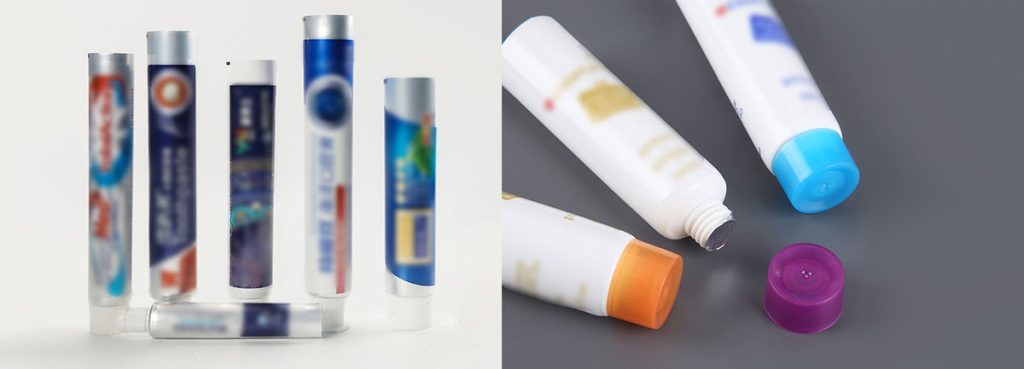
| Feature | Description |
|---|---|
| Composition | Multilayer structure including a barrier layer of aluminum or plastic. |
| Manufacturing Process | Tubes are formed by welding longitudinal edges and sealing with closures for product integrity. |
| Barrier Properties | Aluminum is impermeable to light and air, preventing contamination and preserving contents. |
| Customization Options | Options for shoulder design, internal lacquer, and printing finishes. |
| Industry Applications | Widely used in oral care, cosmetics, and pharmaceuticals. |
Manufacturers often use a precise diameter of 12.7mm for laminated tube production. This size matches industry standards and works well with automated filling machines. The high-barrier laminate material, often 250/12 in thickness, includes an aluminum foil layer. This layer protects against oxygen and light, which helps preserve active ingredients and extend shelf life.
- High-quality laminate structure with customizable thickness.
- Recommended closure systems for product integrity and user convenience.
- Compliance with industry standards for quality and safety.
Aluminum Barrier Laminate (ABL)
Aluminum Barrier Laminate, or ABL, plays a key role in modern laminated tube. Premium brands use ABL tubes to provide superior protection against oxygen, moisture, and light. This protection is essential for products with sensitive ingredients, such as retinoids and Vitamin C. These ingredients stay potent and effective for longer periods.
- ABL tubes provide enhanced protection against light, oxygen, and vapor.
- Pharmaceutical companies rely on ABL tubes to maintain the safety and efficacy of medicinal products.
- Market testing shows that consumers prefer ABL tubes for medicated gels and premium skincare products.
ABL technology ensures that toothpaste and other sensitive products remain stable and safe throughout their shelf life.
Lami Tube Making Machine Innovations
The lami tube making machine has transformed the production of laminated tubes. Recent advancements focus on sustainability, barrier technology, and user experience.
- Manufacturers now use recycled content and bio-based plastics to produce tubes.
- Innovations in Plastic Barrier Laminate (PBL) and Aluminum Barrier Laminate (ABL) technologies improve product protection.
- Smart packaging features, such as NFC tags, help with product authentication.
- Enhanced dispensing mechanisms and tamper-evident seals improve user convenience.
- E-commerce has influenced tube design, leading to more durable packaging and premium unboxing experiences.
These innovations support the growing demand for eco-friendly and high-performance packaging. The lami tube making machine continues to drive progress in the industry.
Advantages over Metal and Plastic Tubes
Laminated tubes offer several advantages over traditional metal and plastic tubes. The global laminated tubes market reached a value of USD 1.6 billion in 2024 and is expected to grow rapidly. This growth comes from the demand for advanced packaging in personal care, pharmaceuticals, and cosmetics.
- Laminated tubes provide superior barrier protection against moisture, oxygen, and light.
- Sensitive formulations benefit from the high-barrier properties of laminated tubes.
- Consumers prefer recyclable and eco-friendly packaging solutions.
- Brands are adopting recyclable and reduced-aluminum laminated tubes to meet environmental regulations.
- Technological advancements in printing and barrier technology improve both sustainability and appearance.
- Europe leads in using recyclable, mono-material laminated tubes due to strict environmental standards.
Note: The recycling rate for HDPE tubes in the U.S. is about 30%. More than 75% of all HDPE squeeze tubes on the U.S. market are designed for recycling. This trend highlights the importance of innovation in laminated tube technology for both consumers and the environment.
Laminated tubes combine the best features of metal and plastic tubes. They offer strong protection, attractive design options, and improved sustainability. The continued innovation in this field ensures that laminated tube technology will remain at the forefront of packaging solutions.
Modern Trends in Toothpaste Packaging
Sustainability and Eco-Friendly Solutions
Manufacturers now prioritize sustainability in toothpaste packaging. The market for oral care laminate tube packaging is projected to grow from USD 1.1 billion in 2023 to USD 1.7 billion by 2032, driven by consumer awareness and demand for convenient, eco-friendly options. Companies adopt recyclable materials and sustainable materials to reduce environmental impact. Colgate shared its recyclable tube design, encouraging other brands to follow. Ninety percent of Colgate’s U.S. brands have switched to recyclable tubes, setting an industry standard. Procter & Gamble partnered with Albea to develop recyclable HDPE tubes, aiming for a global transition by 2025.
Note: The U.S. Federal Trade Commission’s Green Guides require that at least 60% of consumers must have access to recycling facilities for packaging to be labeled recyclable. This regulation shapes how companies design and market their products.
| Eco-Friendly Solution | Description |
|---|---|
| Biodegradable Tubes | Biodegradable polymers help reduce environmental impact at the end of the product lifecycle. |
| Minimalist Packaging Designs | Using less material while maintaining product integrity cuts down on waste. |
| Return and Refill Programs | Refill models allow consumers to purchase toothpaste refills, reducing plastic waste. |
Innovative designs, such as piston mechanisms, help reduce product wastage and improve user experience. Polypropylene and high-density polyethylene are identified as more eco-friendly than traditional aluminum and laminated tubes. Recycling challenges remain, as contamination and material complexity hinder effective recycling.
Future of Toothpaste Tubes
The future of toothpaste tubes centers on sustainability and user convenience. The global toothpaste tube squeezer market is expected to reach USD 250 million by 2031, with strong growth driven by household convenience and waste reduction awareness. Ergonomic handles and wall-mounted designs enhance functionality. Automatic squeezing mechanisms are gaining popularity as consumers seek easier ways to use every last drop.
A survey by Mintel found that 64% of consumers prefer packaging that allows them to squeeze out all product. Manufacturers face challenges, including consumer habits, cost considerations, and limited availability of sustainable products in mainstream retail.
| Challenge Type | Description |
|---|---|
| Habit and Convenience | Traditional tubes are familiar, requiring adjustment to new dispensing methods. |
| Cost Considerations | Sustainable options may have higher upfront costs. |
| Availability Challenges | Limited access to sustainable products in mainstream retail. |
Sustainability initiatives will continue to drive innovation. Companies will focus on recyclable materials and biodegradable plastics to meet consumer demand and regulatory requirements. The industry will see more minimalist designs and refill programs, supporting a greener future for toothpaste packaging.
Conclusion
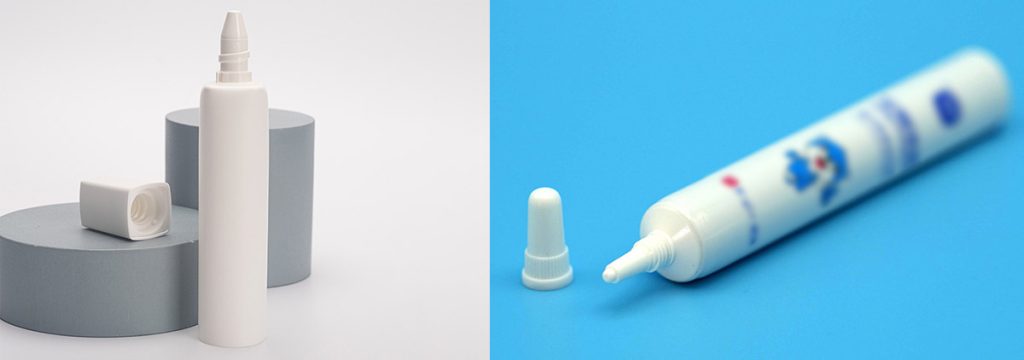
The evolution of toothpaste tubes reflects major shifts in materials and technology.
| Year/Period | Material Used | Reason for Transition |
|---|---|---|
| Late 19th century | Glass jars | Messy application |
| 1890s | Tin and lead tubes | Airtight, cost reduction |
| WWII | Mixed tubes | Metal shortage |
| 1950s | Plastic tubes | Ingredient compatibility |
| 1990s | All-plastic tubes | Convenience |
| Present | Cardboard boxes | Easier packing |
Recent innovations include biodegradable plastics, recyclable HDPE tubes, and industry collaboration for circular systems. Brands now focus on eco-friendly materials and smart packaging technologies. Future toothpaste packaging will likely reduce environmental impact and improve user experience through advanced design and sustainability.
FAQ
What Materials Do Manufacturers Use in Modern Toothpaste Tubes?
Manufacturers often use laminated materials, such as aluminum barrier laminate (ABL) or plastic barrier laminate (PBL). These materials protect toothpaste from air and moisture. Some brands now use recyclable HDPE plastic to support sustainability.
Why Did Companies Stop Using Metal Tubes for Toothpaste?
Companies stopped using metal tubes because plastic and laminate tubes offer better flexibility, lower cost, and improved product protection. Metal tubes also posed health risks due to lead content and were harder to recycle.
Are Toothpaste Tubes Recyclable Today?
Many toothpaste tubes are now recyclable, especially those made from HDPE plastic. However, recycling depends on local facilities. Consumers should check recycling symbols and local guidelines before disposal.
How Do Laminated Tubes Help the Environment?
Laminated tubes use less material and often include recyclable layers. They provide strong barriers, which help reduce product waste. Some brands use bio-based plastics or recycled content to lower environmental impact.
What Innovations Can Consumers Expect in Toothpaste Packaging?
Consumers can expect more recyclable and biodegradable tubes, smart packaging features, and refillable options. Brands focus on reducing waste and improving convenience through new designs and materials.