


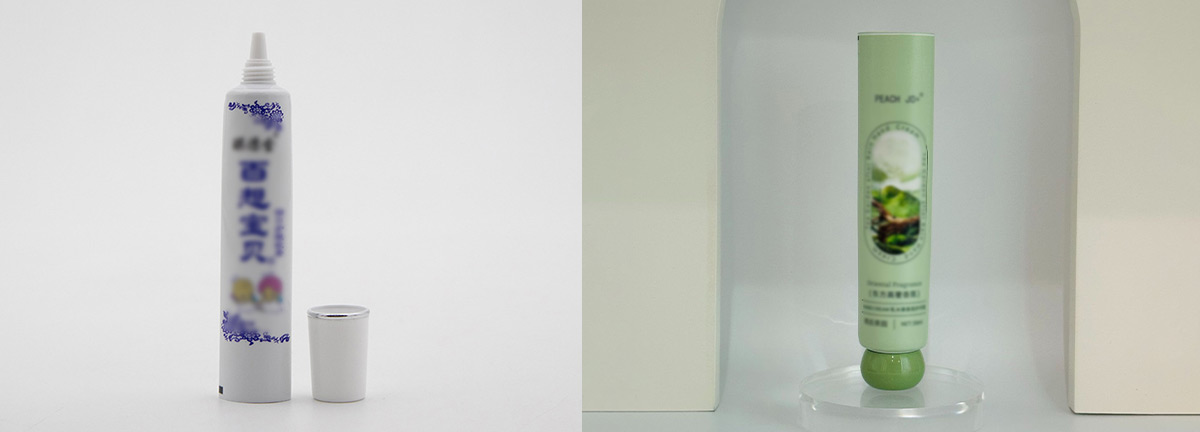
Air leak prevention plays a crucial role in the lami tube manufacturing process. Daily inspections and immediate action on leaks reduce downtime and keep maintenance costs low. Proactive maintenance ensures smooth operation and consistent tube quality. The following table highlights how these practices impact production efficiency and product quality:
| Evidence Point | Impact on Production Efficiency and Product Quality |
|---|---|
| Regular inspections help identify leaks | Reduces downtime and maintenance costs |
| Proactive maintenance ensures smooth operation | Achieves consistent quality in production |
| Immediate action on leaks prevents disruptions | Avoids increased costs and hazards |
| Routine maintenance of pneumatic filters | Ensures clean air reaches components, enhancing quality |
Key Takeaways
- Conduct daily pneumatic checks to identify leaks early. This practice reduces downtime and maintenance costs.
- Implement proper sealing techniques, like hot air sealing, to ensure strong seals. Strong seals prevent air leaks and enhance product quality.
- Maintain optimal temperature settings for different tube materials. Correct temperatures ensure effective sealing and prevent weak seals.
- Utilize pressure and crush testing to assess tube integrity. These tests help catch leaks and ensure reliable tube performance.
- Monitor moisture levels regularly to prevent corrosion. Proper moisture control protects equipment and maintains product integrity.
Best Practices in Lami Tube Manufacturing Process
Daily Pneumatic Checks
Routine inspection forms the backbone of air leak prevention in the lami tube manufacturing process. Operators start each shift by examining pneumatic components for visible damage and wear. They listen for hissing sounds, which often indicate air leaks, especially in larger systems. Regular lubrication of moving parts helps avoid wear and extends the lifespan of pneumatic systems. Moisture control remains essential; air dryers and humidity monitors prevent water damage and maintain system integrity. Inspecting pneumatic filters ensures clean air reaches every part, reducing the risk of contaminants entering the process.
Tip: Daily checks on the lami tube making machine help identify common problems such as air leaks, worn seals, and moisture control issues before they affect production.
Checklist for Daily Pneumatic Checks:
- Inspect pneumatic components for damage and wear.
- Lubricate moving parts to prevent friction and extend life.
- Monitor humidity levels and use air dryers for moisture control.
- Check pneumatic filters to maintain air quality.
- Listen for hissing sounds to detect leaks.
Integrating these routines into daily operations ensures consistent tube quality and minimizes downtime. The process also supports the longevity of both the laminated tube making machine and the laminated tubes.
Seal Area Heating
Proper sealing techniques play a critical role in preventing air leaks during the lami tube manufacturing process. Hot air sealing stands out as an effective method for creating strong seals in both plastic and laminated tube materials. The process directs heated air into the tube, softening the material and allowing for a secure seal. This technique not only ensures the integrity of the seal but also enhances the visual appeal of the tube bag.
- Speed: Hot air sealing enables rapid sealing, which suits high-volume bagging operations.
- Versatility: The method works with various tube materials, accommodating diverse packaging needs.
- Seal Quality: Strong, reliable seals prevent leaks and maintain product protection.
The choice of sealing method directly impacts seal integrity. Hot air sealing produces reliable seals that prevent air leaks, ensuring product protection and maintaining quality throughout the bagging process. Operators should always use the correct sealant and sealant tape at the crimp point to reinforce the seal and fill any voids. Bagging to the part must be precise to avoid gaps that could lead to leaks.
Temperature Settings
Temperature control remains a key factor in achieving leak-proof seals in the lami tube manufacturing process. Operators must set optimal heat levels for different materials. For example, polyethylene tubes require higher temperatures than laminate tubes to form adequate seals. Many lami tube making machines offer adjustable heat settings, allowing operators to fine-tune temperatures based on the tube material.
Best Practices for Temperature Control:
- Optimal Heat Settings for Various Materials: Adjust temperature according to tube type, whether plastic or laminated tube.
- Control Over Pressure and Dwell Time: Apply sufficient pressure and manage dwell time to ensure a strong bond during bagging.
- Real-Time Monitoring of Sealing Parameters: Use sensors to monitor temperature, pressure, and sealing time. Automatic adjustments help maintain consistency across large production volumes.
Note: Regular review of temperature, pressure, and dwell time settings helps prevent common problems such as weak seals and air leaks.
Operators should always use the recommended sealant and sealant tape for each tube bag. Consistent temperature control, combined with proper bagging techniques, ensures that the sealant flows evenly in the sealing area, filling voids and preventing leaks. This approach supports the overall integrity of the tube and reduces the risk of problems during the bagging process.
Tube Seal Testing Methods
Pressure Testing
Pressure testing stands as a vital step in the lami tube manufacturing process. Operators use this method to evaluate the integrity of each tube produced by the lami tube making machine. Pressure decay leak testing quickly identifies small leaks, especially in tubes with volumes up to one liter. The differential decay method offers speed and accuracy, making it suitable for high-volume production environments. Air flow measurement provides a direct reading of leak rates, usually in cubic centimeters per minute. Mass flow and laminar flow measurement help pinpoint the location and severity of leaks. Laminar flow measurement involves checking pressure differences in a flow tube. A blockage results in lower pressure readings, while a large leak causes higher readings.
Note: Pressure testing helps manufacturers detect common problems such as weak seals and micro-leaks before tubes reach packaging.
Industry standards guide the pressure testing process. The MSS SP-61-2019 standard sets requirements and acceptance criteria for pressure testing, especially in sectors like oil and gas, power generation, and chemical processing.
| Standard Name | Description | Application Areas |
|---|---|---|
| MSS SP-61-2019 | Establishes requirements and acceptance criteria for pressure testing of valves. | Oil and gas, power generation, chemical processing |
Crush Testing

Crush testing provides another reliable method for assessing tube seal strength. Operators apply force to the laminated tube, simulating real-world handling and transportation conditions. This process reveals weak points in the seal that may not appear during pressure testing. Crush testing helps identify problems such as incomplete sealing or material fatigue. The lami tube making machine must produce tubes that withstand both internal pressure and external force. Consistent crush testing ensures that each tube maintains its shape and seal integrity throughout its lifecycle.
- Crush testing exposes hidden defects.
- It verifies the durability of the seal under stress.
- The process supports quality control and reduces the risk of leaks during distribution.
Both pressure and crush testing play essential roles in preventing air leaks. These methods allow manufacturers to catch problems early, ensuring strong seals and reliable tube performance.
Finding Leaks in Production
Visual Inspection
Operators in the lami tube manufacturing process rely on visual inspection as the first step in finding leaks. They examine each tube for signs of damage, incomplete seals, or irregularities. Bright lighting and magnification tools help reveal small holes or weak spots. Operators often rotate the tube and check the seal area from multiple angles. They look for bubbles, wrinkles, or gaps that may indicate air leaks. Visual inspection quickly identifies common problems before they affect the production process.
Tip: Consistent visual checks at every stage of production help catch defects early and reduce the risk of faulty tubes reaching packaging.
Leak Detection Tools
Advanced leak detection tools improve the accuracy of finding leaks in the production process. Operators use air pressure testers to detect leaks that visual inspection might miss. These devices apply controlled air pressure inside the tube and measure any drop in pressure. A rapid decrease signals a leak. Ultrasonic detectors also assist in finding leaks by picking up high-frequency sounds produced by escaping air. Some facilities use dye penetration tests, where a colored liquid highlights leaks in the seal area.
A comparison of basic and advanced leak detection methods:
| Method | Detection Level | Equipment Needed | Speed |
|---|---|---|---|
| Visual Inspection | Basic | Light, magnifier | Fast |
| Air Pressure Testing | Advanced | Pressure tester | Moderate |
| Ultrasonic Detection | Advanced | Ultrasonic detector | Fast |
| Dye Penetration Test | Advanced | Dye, UV light | Moderate |
Operators prioritize repairing leaks based on their severity and location. Immediate repairs prevent further problems and minimize downtime. Regular training ensures that staff can use both basic and advanced methods for finding leaks. This approach maintains high tube quality and supports efficient production.
Sealant and Flow Behavior
Elastomer Application
Manufacturers use elastomer sealant at the crimp point to create a leak-proof seal in every tube. The sealant acts as a flexible barrier that fills small gaps and prevents air from escaping. During the process, operators apply the sealant precisely to the crimp area. This step ensures that the sealant covers all potential leak paths. Elastomer sealant adapts to slight changes in shape or pressure, which helps maintain the integrity of the tube during handling and storage.
Tip: Always use the recommended type and amount of sealant for each tube design. Too little sealant can lead to leaks, while too much may cause other problems, such as excess material buildup.
A well-chosen sealant improves the overall strength of the seal. It also helps the tube withstand pressure changes during filling and transportation.
Flow in Sealing Area
The flow behavior of the sealant in the sealing area plays a key role in preventing leaks. When the process heats the tube, the sealant must flow evenly to fill all voids and spaces. Uneven flow can leave gaps, which may result in air leaks. Operators monitor the flow to ensure complete coverage of the sealing area.
A simple checklist for good flow behavior:
- Confirm the sealant reaches all parts of the crimp point.
- Check for even distribution after the process.
- Adjust temperature and pressure settings if flow appears uneven.
Proper flow of the sealant reduces the risk of leaks and supports long-term tube performance. By focusing on both the application and flow of the sealant, manufacturers can prevent common problems and improve product quality.
Lubrication and Moisture Control
Lubrication Schedule
A well-planned lubrication schedule helps maintain the efficiency of equipment in lami tube manufacturing. Operators follow a routine to apply lubricants to moving parts, such as bearings and pneumatic cylinders. This schedule reduces friction and prevents wear, which extends the lifespan of machinery. They record each lubrication event in a maintenance log. The log provides a clear history and helps identify patterns that may signal mechanical problems.
Tip: Operators should use the recommended lubricant for each machine part. Using the wrong type can cause damage and lead to unexpected breakdowns.
A sample lubrication schedule includes:
- Daily lubrication of high-use components
- Weekly checks for signs of excess wear
- Monthly replacement of lubricant in critical areas
- Immediate attention to any unusual noises or increased resistance
A consistent lubrication schedule supports smooth operation and reduces the risk of downtime. It also helps maintain the quality of each tube produced during the process.
Moisture Monitoring
Moisture control plays a vital role in preventing air leaks and maintaining product integrity. Operators use moisture sensors and air dryers to keep humidity levels within safe limits. High moisture can cause corrosion and affect the sealing process. They check moisture readings at regular intervals and adjust equipment settings as needed.
A simple table for moisture monitoring tasks:
| Task | Frequency | Tool Used |
|---|---|---|
| Check humidity sensor | Every shift | Humidity sensor |
| Inspect air dryer function | Daily | Air dryer |
| Record moisture levels | Weekly | Maintenance log |
Operators address moisture-related problems quickly to avoid damage to machinery and finished tubes. Regular monitoring ensures that the process remains stable and that products meet quality standards.
Conclusion
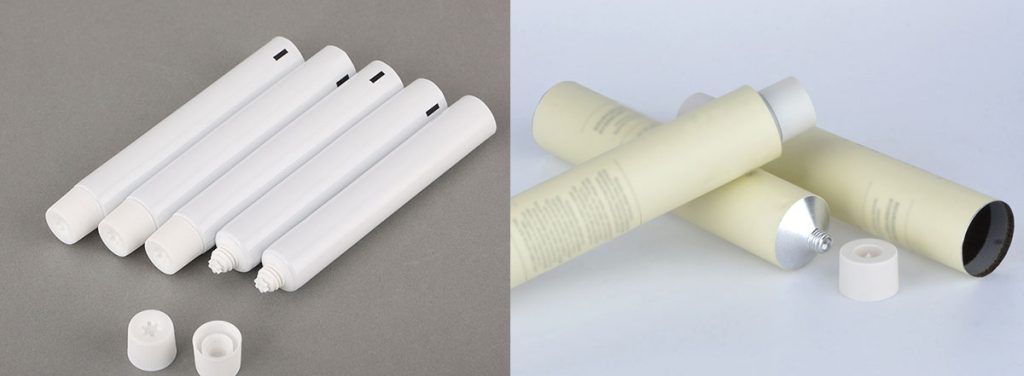
Manufacturers improve tube quality and operational efficiency by following best practices in air leak prevention. They address problems early and maintain a stable process through daily checks, proper sealing, and regular testing. Consistent application of these strategies supports ongoing improvement.
Manufacturers should review procedures often and train staff to keep standards high.
FAQ
What Causes Air Leaks in Lami Tube Manufacturing?
Air leaks often result from damaged seals, improper temperature settings, or worn pneumatic components. Operators may also find leaks when sealant does not flow evenly or when moisture affects the sealing process.
How Often Should Operators Perform Leak Checks?
Operators should perform leak checks at the start of every shift. Daily inspections help catch issues early and maintain consistent tube quality. Regular checks also reduce downtime and prevent costly repairs.
Which Tools Help Detect Air Leaks Most Effectively?
Pressure testers and ultrasonic detectors provide accurate leak detection. Visual inspection remains useful for spotting obvious defects. Dye penetration tests can highlight hidden leaks in the seal area.
Why Is Temperature Control Important for Sealing?
Temperature control ensures the sealant flows properly and bonds the tube material. Incorrect temperatures can cause weak seals or incomplete coverage, leading to air leaks and reduced tube strength.
What Role Does Moisture Play in the Manufacturing Process?
Moisture can cause corrosion and interfere with the sealing process. Operators use air dryers and humidity sensors to keep moisture levels low. Proper moisture control helps maintain equipment and product quality.