


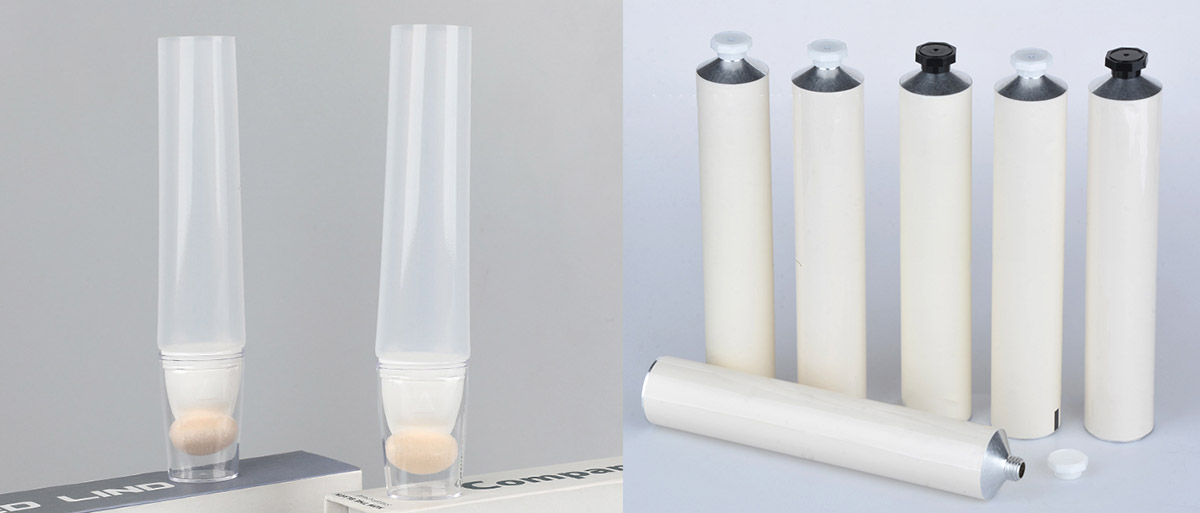
Lami tube manufacturing continues to transform as the industry faces increasing demand for advanced cosmetic packaging and sustainable solutions. The global laminated tubes market reached approximately USD 2.10 billion in 2023, with projections of strong market growth driven by the packaging industry and automatic laminated tube filling equipment. Industry leaders now focus on equipment that enhances efficiency, sustainability, and product quality. New technology and innovation in equipment, especially in laminated tube making machine, present significant opportunities. Trends in cosmetic packaging and the laminated tubes market highlight the vital role of equipment, manufacturing, and innovations in meeting demand.
Key Takeaways
- Automation and smart filling systems boost production speed, reduce labor costs, and improve product quality with precise filling and sealing.
- Sustainable laminates and eco-friendly materials help reduce environmental impact and support recycling goals in tube manufacturing.
- Digital printing and premium finishes enable fast, customizable, and attractive packaging designs that enhance brand identity.
- Innovations like NEOSeam technology and precision engineering reduce waste, improve tube appearance, and increase manufacturing efficiency.
- High-speed production equipment allows manufacturers to meet growing market demand while maintaining hygiene and quality standards.
Lami Tube Manufacturing Technology
Automation Advances
Automation has become the cornerstone of lami tube manufacturing, driving efficiency and transforming the industry. Manufacturers now rely on laminated tube making machine to streamline production and reduce labor costs. These machines perform continuous operations such as feeding, filling, sealing, and coding, minimizing manual intervention. The integration of robotics and artificial intelligence in lami tube making machines has improved accuracy, speed, and operational efficiency. Programmable logic controllers (PLCs) and human-machine interfaces (HMIs) enhance operational control, allowing quick changeovers and reducing downtime.
Automation projects focus on increasing productivity and reducing labor costs, even with high initial investments. Automated systems enable 24/7 operation, supporting high-speed production and compliance with regulatory standards. The industry faces rising labor costs and skill shortages, making automation essential for maintaining competitiveness.
Key automation features in laminate tubes production include:
- Real-time monitoring and predictive maintenance through IoT connectivity.
- Ultrasonic sealing technology for precise and consistent sealing, complementing hot air sealing methods.
- Modular, adaptable equipment with minimal changeover time for diverse tube sizes and product types.
- Advanced diagnostics and automated cleaning modules to maintain hygiene and reduce downtime.
Automation in lami tube manufacturing aligns with broader packaging sector trends, but the industry places greater emphasis on contamination control, precision sealing, and sustainability. Industry 4.0 integration enables smart sensors, machine learning, and digital transformation, supporting rapid product launches and customizable packaging.
Smart Filling Systems
Smart filling systems represent a significant innovation breakthrough in laminate tubes production. These systems use advanced control mechanisms to ensure precise filling and sealing, supporting product consistency and quality. Laminated tube making machine now features adjustable speeds, modular designs, and compatibility with various tube materials, including plastic, aluminum, and laminated tubes.
| Key Feature | Description and Role in Enhancing Product Consistency |
|---|---|
| Smart Integration | Seamless connectivity with packaging systems, improving synchronization and manufacturing efficiency. |
| Real-time Monitoring (PLCs, HMIs) | Continuous quality control and quick adjustments, minimizing downtime and errors. |
| Intelligent Vision Systems | Precise tube alignment and positioning, reducing filling errors and improving uniformity. |
| Advanced Filling Mechanisms | Piston fillers or peristaltic pumps for precise dosage control, ensuring consistent product quantity in each tube. |
| Ultrasonic and Heat Sealing | Airtight, secure seals preserving product integrity and consistency across tubes. |
| Modular Customization | Adaptation to different tube sizes and materials, maintaining consistent output across diverse product lines. |
| Automated Cleaning & Maintenance | Maintains hygiene and machine performance, reducing contamination risks and ensuring consistent operation. |
| Material Compatibility | Handles various tube materials (plastic, aluminum, laminated), ensuring consistent processing regardless of tube type. |
| Coding and Marking Systems | Adds traceability and quality control, supporting compliance and product consistency. |
| Automation Control Systems | PLCs and interfaces govern the process, enabling precise control and monitoring. |
Smart filling systems in lami tube making machine offer high accuracy, preventing underfilling or overfilling. Precision sensors and automated controls detect and correct errors instantly. These systems require minimal maintenance, leading to less downtime and sustained performance. Automated cleaning modules ensure compliance with hygiene and safety standards, which is critical in industries such as pharmaceuticals, cosmetics, and food.
Cost implications of implementing smart filling systems include high capital equipment costs and increased expenses for skilled labor and maintenance. Regulatory compliance and equipment obsolescence risk add complexity, but efficiency gains offset initial investments. Productivity improvements of up to 30% and operational cost reductions around 20% support long-term cost recovery. Government incentives and financing programs help manufacturers manage financial burdens, while environmental and safety regulations align with sustainability goals.
High-Speed Production
High-speed production defines the competitive edge in the laminated tubes market. Automatic laminated tube filling equipment now achieves output rates up to 250 tubes per minute, as demonstrated by models like the PackSys Global AG LT 250. This capability allows manufacturers to meet growing demand for laminate tubes in cosmetics, pharmaceuticals, and food industries.
| Production Line Model | Maximum Output Rate (tubes/min) |
|---|---|
| PackSys Global AG LT 250 | 250 |
| Hinterkopf H240 | 240 |
| PackSys Global AG Mini 120 | 120 |
High-speed lami tube manufacturing relies on advanced equipment with robust automation features. These machines perform continuous, high-speed operations, including feeding, filling, sealing, and coding, without manual intervention. Automation enhances precision, hygiene, and consistency, enabling quick changeovers and reducing downtime. Manufacturers benefit from shortened delivery times and reduced unit costs, making automation essential for achieving required production speeds.
Despite the advantages, the industry faces challenges such as rising raw material costs, complexities in switching to sustainable materials, and the financial burden of investing in new equipment. Intense competition and innovation pressure, especially for smaller manufacturers, drive the need for constant technological advancements. Supply chain issues and regulatory compliance add further complexity, but advancements in automation and smart equipment continue to support industry growth.
The adoption of high-speed automatic laminated tube filling equipment positions manufacturers to respond rapidly to market changes, launch new products efficiently, and maintain high standards of quality and hygiene. These technological advancements ensure that lami tube manufacturing remains at the forefront of packaging innovation.
Material Innovations
Sustainable Laminates
The market of laminated tube has experienced a significant shift toward sustainable laminates, driven by consumer demand and regulatory changes. Companies in the industry now prioritize eco-friendly solutions that reduce environmental impact and support circular economy goals. Sustainable laminates use bio-based plastics, recyclable aluminum, and paper-based tubes to replace traditional petrochemical-based materials. These eco-friendly versions offer improved recyclability and lower emissions during production.
Manufacturers such as Albéa and EPL Ltd. lead the way with innovation in mono-material tubes and recyclable designs. Albéa’s Greenleaf® tube, certified by APR and RecyClass, eliminates aluminum barriers in favor of all-plastic laminates, enhancing recyclability and reducing weight. EPL Ltd.’s Platina™ tube also meets global recycling standards, while TUBEX has introduced a 100% recycled aluminum applicator tube with excellent barrier properties. The industry invests in biodegradable polymers like PLA and sugarcane-based plastics, which break down naturally and support sustainability targets.
Sustainable laminates outperform traditional materials in recyclability and environmental impact. Traditional laminate tubes rely on non-biodegradable, non-recyclable films that contribute to plastic pollution. In contrast, new biodegradable laminates use cellulose, polylactic acid, and VOC-free UV coatings, making them more environmentally friendly and easier to recycle.
The packaging industry benefits from these innovations, as sustainable laminates maintain durability and barrier performance while reducing ecological footprints. The trend toward mono-material tubes, increased recycled content, and third-party certifications demonstrates the industry’s commitment to sustainability and market growth.
- Key sustainable laminate trends in the laminated tubes market:
- Adoption of bio-based and recycled plastics
- Mono-material tube designs for easier recycling
- Biodegradable and compostable options
- Third-party certifications for recyclability and carbon footprint
- Strategic collaborations to accelerate innovation
Multi-Layer Barrier Films
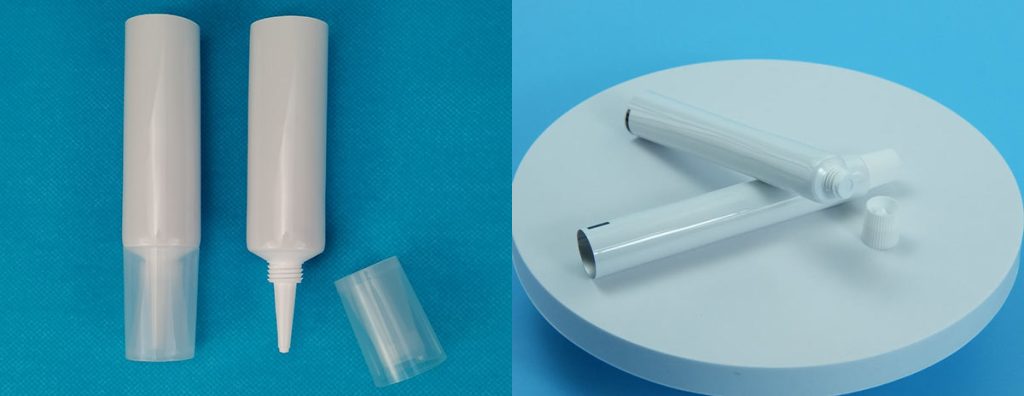
Multi-layer barrier films represent a major technological advancement in laminated tubes. These films combine layers of polyethylene, polypropylene, and barrier resins such as EVOH to deliver superior protection for cosmetic packaging and other sensitive products. The multi-layer structure blocks moisture, oxygen, and UV radiation, which extends shelf life and preserves product quality.
| Barrier Type | Performance Benefit |
|---|---|
| Moisture Barrier | Up to 98% reduction in water vapor transmission, preventing product deterioration |
| Oxygen Barrier | Up to 99.9% reduction in oxygen penetration, reducing oxidation and spoilage |
| UV Protection | 100% blocking of UV light, protecting sensitive contents |
Multi-layer barrier films in the laminated tubes market allow manufacturers to tailor barrier properties for specific applications. For example, dry foods can achieve a shelf life extension of 12-18 months, beverages 6-12 months, and personal care products up to 36 months. The films maintain mechanical strength and toughness even at reduced thicknesses, supporting both durability and sustainability.
Recent innovations include the use of recyclable and bio-based materials, such as EVOH, which offers superior gas barrier properties and chemical resistance. Industry leaders like Amcor and Huhtamaki have launched recyclable barrier tubes and formed partnerships to address recycling challenges. The shift toward mono-material tubes and chemical recycling alternatives reflects the industry’s focus on sustainability and eco-friendly solutions.
- Notable trends in multi-layer barrier film technology:
- Integration of RFID tracking and tamper-proof features for smart packaging
- Increased automation and digitalization in production
- Customizable barrier levels for diverse product needs
- Ongoing research into recycling solutions for complex multi-layer structures
Anti-Microbial Coatings
Anti-microbial coatings have emerged as a critical innovation in laminate tubes, especially for cosmetic packaging and personal care products. These coatings prevent bacterial adhesion, biofilm formation, and microbial growth, ensuring product safety and extending shelf life. Scientific studies confirm that coatings based on quaternary ammonium compounds (QACs) effectively target pathogens such as Escherichia coli and Staphylococcus aureus.
- Key findings from recent research:
- QAC-based coatings prevent bacterial growth and biofilm formation on tube surfaces.
- Incorporating benzalkonium chloride into chitosan membranes enhances both durability and antibacterial effectiveness.
- Surface grafting of QACs onto polymer films increases antimicrobial activity by up to 1000-fold against Gram-negative bacteria.
- Dual-functional coatings combine anti-adhesion and bactericidal properties, delivering a synergistic “repel-and-kill” effect.
- Environmental factors like pH and temperature influence the performance and longevity of antimicrobial coatings.
The industry recognizes the value of these coatings for maintaining hygiene and product integrity. As the laminated tubes market grows, manufacturers invest in advanced antimicrobial technologies to meet regulatory standards and consumer expectations for safety. The adoption of anti-microbial coatings aligns with broader trends in sustainability and technological advancements, supporting the development of eco-friendly, high-performance laminate tubes.
Printing and Customization Technology
Digital Printing
Digital printing has revolutionized cosmetic packaging in the laminated tubes market. This technology enables full-color, photo-quality prints on tubes of any size or shape, surpassing traditional methods that limit color and design complexity. Manufacturers now achieve faster turnaround times and lower production costs, especially for small and medium runs. Digital printing eliminates the need for printing plates, reducing setup time and supporting rapid design changes. Variable data printing allows each tube to feature unique codes, names, or graphics, making it ideal for personalized campaigns and limited editions. The global digital printing market continues to grow, reflecting the industry’s shift toward flexible, high-quality packaging solutions.
| Decoration Method | Description/Feature |
|---|---|
| Full-color offset printing | Enables vibrant, multi-color designs on tubes |
| Silk Screening | Traditional method for detailed decoration |
| Hot Stamping | Adds metallic or textured effects |
| Coating Options | Gloss or matte finishes available |
“The way modern tubes are produced – the decoration possibilities are endless.” – Mark Konstandt, Manager of Purchasing / Supplier Relationships
Premium Finishes
Premium finishes have become a defining feature in cosmetic packaging, especially as the industry seeks to differentiate products in a crowded market. Decorative laminates, foil finishes, matte-laminate, and soft-touch coatings now dominate new launches. In 2023, 68% of new cosmetic products used laminated tubes under 100 ml, often with decorative laminates. Foil-finished tubes saw a 26% growth from 2021 to 2024, driven by prestige skincare and BB creams. Matte and soft-touch finishes continue to gain popularity, particularly in North America. High-barrier tubes without EVOH, such as HuhtamäkiOyj’s blueloop™ Tube ONE, improve recyclability and cost efficiency. Regional preferences shape trends, with Europe favoring aluminum barrier laminates and Latin America preferring plastic barriers.
- Decorative laminates and foil finishes enhance shelf appeal.
- Matte-laminate and soft-touch finishes provide a premium tactile experience.
- High-barrier tubes without EVOH support sustainability goals.
Personalization Trends
Personalization drives innovation in the cosmetic packaging industry. The rise of AI and precision medicine in cosmetics fuels demand for flexible, customizable laminated tubes. Brands respond to sustainability concerns by adopting recyclable, biodegradable, and refillable tubes. The clean beauty movement values transparent, non-toxic, and ethically sourced packaging. Digital printing enables high-resolution, short-run production, supporting fast time-to-market and consumer personalization. Smart packaging features, such as QR codes and NFC chips, enhance engagement and authenticity. Laminated tubes now serve as strategic marketing assets, combining branding, sustainability, and user experience. Consumer demand for quality packaging as part of the product experience positions laminated tubes as key differentiators in the beauty sector.
- AI-driven personalization and eco-friendly materials shape packaging trends.
- Smart features and digital printing support rapid customization.
- Laminated tubes elevate brand identity and consumer satisfaction.
Innovations in Process Efficiency
NEOSeam Technology
NEOSeam technology has transformed the laminated tubes market by delivering seamless side-seam finishes and improving material efficiency. Manufacturers use this innovation in automatic laminated tube filling equipment to reduce visible seams, which enhances both aesthetics and product integrity. The lami tube making machine equipped with NEOSeam technology minimizes material overlap, resulting in less waste and lighter tubes. This process supports sustainability goals and aligns with the industry’s push for eco-friendly packaging. Companies like Hoffmann Neopac AG have adopted NEOSeam in their equipment, achieving higher production speeds and consistent quality. The integration of NEOSeam into automatic laminated tube filling equipment demonstrates how advanced equipment can optimize resources and reduce environmental impact.
Waste Reduction
Waste reduction remains a top priority in the laminated tubes market. Leading manufacturers implement circular economy models and energy-efficient processes in their automatic laminated tube filling equipment. These strategies include recycling production waste, using post-consumer recycled plastics, and adopting lightweight tube designs. The laminated tube making machine now features online monitoring systems that dynamically adjust parameters to minimize defects and material loss. Automation in equipment ensures precise control, reducing scrap rates and supporting zero-waste production lines. Companies like Essel Propack and Amcor have introduced recyclable tubes and sustainable materials, further decreasing waste. Efficient equipment and automation not only lower costs but also help manufacturers meet regulatory and environmental standards.
Precision Engineering
Precision engineering drives cost-effectiveness and product quality in lami tube manufacturing. Advanced equipment such as automatic laminated tube filling equipment uses CNC machining, laser cutting, and robotics to achieve sub-micron tolerances. The lami tube making machine benefits from real-time monitoring and automated adjustments, ensuring consistent output and minimal defects. Tooling redesign and re-engineered assembly fixtures in equipment have increased output and reduced operator fatigue. Automation in precision engineering allows manufacturers to maintain high standards while lowering assembly costs. The adoption of these innovations in automatic laminated tube filling equipment supports scalable, reliable, and efficient production, giving companies a competitive edge in the laminated tubes market.
Conclusion
Technological advancements continue to redefine the laminated tubes market, driving efficiency, sustainability, and product quality. Companies investing in automation, AI integration, and eco-friendly materials gain a competitive edge and unlock growth opportunities. Manufacturers, brands, and investors can leverage these opportunities by:
- Adopting sustainable materials and recyclable closures to meet regulatory demands.
- Investing in smart packaging features such as QR codes and NFC tags for enhanced consumer engagement.
- Focusing on customization and short-run production to capture niche markets.
- Building strategic partnerships and prioritizing R&D for continuous innovation.
| Future Trend Area | Description |
|---|---|
| Sustainability | Eco-friendly materials and circular economy practices |
| Automation & AI | Improved efficiency and predictive maintenance |
| Smart Dispensing | Tamper-evident, child-resistant, and RFID-enabled closures |
| Regional Growth | Asia-Pacific and Europe leading market expansion |
Forward-thinking companies that embrace these opportunities will shape the future of lami tube manufacturing and secure long-term growth opportunities in an evolving global market.
FAQ
What Are the Main Benefits of Automation in Lami Tube Manufacturing?
Automation increases production speed, improves consistency, and reduces labor costs. Manufacturers achieve higher output and better quality control. Automated systems also support real-time monitoring and predictive maintenance, which helps prevent downtime and maintain hygiene standards.
How Do Sustainable Laminates Impact the Environment?
Sustainable laminates use recyclable or bio-based materials. These materials reduce plastic waste and lower carbon emissions. Companies that adopt sustainable laminates help support circular economy goals and meet regulatory requirements for eco-friendly packaging.
Why Is Digital Printing Important for Laminated Tubes?
Digital printing allows manufacturers to create high-quality, customizable designs quickly. This technology supports short production runs and rapid design changes. Brands use digital printing to enhance shelf appeal and offer personalized packaging for consumers.
What Role Does NEOSeam Technology Play in Process Efficiency?
NEOSeam technology creates seamless tube finishes and reduces material overlap. This innovation minimizes waste and improves tube appearance. Manufacturers benefit from higher production speeds and consistent product quality.
How Do Anti-Microbial Coatings Enhance Product Safety?
Anti-microbial coatings prevent bacteria and mold from growing on tube surfaces. These coatings help maintain product integrity and extend shelf life. Manufacturers use them to meet hygiene standards in cosmetics, pharmaceuticals, and food packaging.