


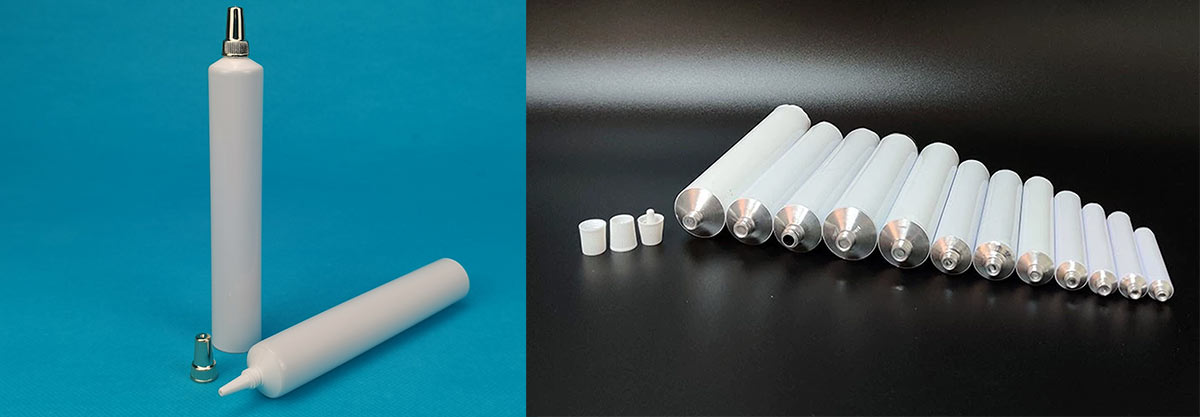
Hot Air Welding plays a crucial role in PBL tube manufacturing by forming durable, seamless bonds between tube components. Growing demand for high-quality packaging drives the need for reliable welding methods.
| Market Segment | Year | Market Size (USD Billion) | CAGR (%) | Projection Year | Projected Market Size (USD Billion) |
|---|---|---|---|---|---|
| Plastic Barrier Laminate (PBL) Tubes | 2024 | 1.2 | 9.2 | 2033 | 2.5 |
Manufacturers benefit from strong molecular bonds and precise temperature control, but they face challenges such as material compatibility and maintaining barrier layer integrity.
Key Takeaways
- Hot air welding creates strong, seamless bonds in PBL tubes, improving durability and production speed.
- Precise temperature control and proper welding parameters are essential to avoid defects and maintain tube quality.
- Hot air welding supports key processes like tube sealing, shoulder welding, and end finishing for reliable packaging.
- Manufacturers face challenges like maintaining barrier layer integrity, controlling heat distribution, and managing raw material costs.
- Automation, process optimization, and careful material selection help improve weld quality and production efficiency.
Hot Air Welding in PBL Tubes
PBL Tube Structure
Plastic Barrier Laminate (PBL) tubes feature a multi-layered design that combines strength, flexibility, and barrier protection. Each component plays a specific role in the tube’s performance and directly affects the welding process. The following table outlines the main components and their influence on welding and structural integrity:
| Component/Aspect | Description and Role | Influence on Welding Process and Structural Performance |
|---|---|---|
| Steel Tube | Outer shell providing confinement and structural support | Welding internal steel bars or ribs inside the tube improves bonding, reduces voids and debonding, enhancing interface stability |
| Core Concrete | Fills the steel tube, works compositely with steel | Concrete interacts with welded ribs to improve mechanical occlusion and stress distribution |
| PBL Stiffening Ribs | Perforated ribs with holes embedded in concrete acting as shear connectors | Welding ensures strong attachment, improves shear capacity, delays separation between steel and concrete, enhances stiffness and durability |
| Welding Parameters | Number of welded bars, spacing, rib geometry | Critical for optimizing composite action, mechanical performance, crack resistance, and durability |
| Mechanical Effects | Improved bond strength, energy dissipation, stress transfer, crack resistance | Welding enhances mechanical occlusion, reduces defects, improves energy dissipation and durability |
Internally welded circular steel bars inside the steel tube significantly enhance the bond strength between steel and concrete. These welded reinforcements increase mechanical occlusion and improve stress distribution. Experimental tests show that optimal welding parameters, such as three turns of circular bars spaced at 350 mm, maximize bonding and structural stability. This process also limits moisture ingress and corrosion, which improves the durability and longevity of PBL tube structures.
Welding Process
Hot Air Welding joins the tube body and shoulder, creating a seamless and durable bond. The process uses specialized equipment, such as a lami tube making machine, which ensures precise temperature control and consistent weld quality. Operators use non-stick coated forming rings to prevent material adhesion and maintain smooth tube surfaces.
During production, the laminated tube making machine directs hot air to the joint area, heating the plastic layers to their optimal fusion temperature. The machine then presses the components together, allowing the materials to bond at the molecular level. This method reduces the risk of voids and debonding, which can compromise tube integrity. Proper adjustment of welding parameters, including temperature, speed, and pressure, ensures strong attachment of stiffening ribs and maintains the barrier properties of the tube.
Tip: Consistent monitoring of welding parameters and regular maintenance of forming rings help manufacturers achieve high-quality welds and extend equipment lifespan.
Applications
Tube Sealing
Manufacturers rely on tube sealing to protect product contents and maintain package integrity. Hot Air Welding softens the walls of laminated tube by directing heated air into the open cavity. This process makes the material pliable, allowing for precise crimping and welding. Operators achieve a secure seal quickly, which supports high-volume production.
- Hot Air Welding offers a fast cycle time, making it suitable for large manufacturing runs.
- The method produces a consistent and reliable seal, reducing the risk of leaks.
- Ultrasonic sealing uses high-frequency vibration to generate heat, but it requires more processing time and does not match the efficiency of hot air welding for mass production.
Note: Reliable tube sealing prevents contamination and extends shelf life, which is essential for packaging applications in cosmetics, pharmaceuticals, and food industries.
Shoulder Welding
Shoulder welding joins the tube body to the shoulder, forming a seamless transition between components. This step requires precise alignment and controlled heat application. Operators use lami tube making machine to direct hot air to the joint, ensuring uniform fusion across the interface.
A well-executed shoulder weld enhances the tube’s structural strength and maintains the barrier properties of the laminate. Manufacturers often monitor temperature and pressure to avoid defects such as voids or weak bonds. Consistent shoulder welding supports automated assembly lines and reduces production downtime.
End Finishing
End finishing shapes and seals the tube’s opening, preparing it for filling and capping. The process involves trimming excess material and smoothing the edges. Hot Air Welding plays a role in sealing the end, creating a clean and durable finish.
| Step | Purpose | Benefit |
|---|---|---|
| Trimming | Removes excess material | Ensures uniform tube length |
| Smoothing | Refines edge appearance | Improves consumer safety |
| Sealing | Closes tube opening | Prevents leakage and tampering |
Manufacturers prioritize end finishing to enhance product presentation and ensure user safety. A well-finished tube resists damage during transport and storage.
Challenges
Temperature Control
Manufacturers face significant challenges in maintaining precise temperature control during Hot Air Welding. PVC, a common material in PBL tubes, has a narrow melt temperature range. Operators must use digital temperature controls to match the heat exactly to the material’s requirements. Overheating degrades the PVC, weakening its structure. Underheating results in incomplete welds and weak bonds. Both scenarios lead to weld defects and reduced mechanical strength. Consistent temperature stability within ±5°F ensures strong, reliable welds and preserves the tube’s structural integrity.
To address these challenges, manufacturers use several monitoring and control methods:
- Temperature regulators and thermo sensors provide real-time feedback.
- Control relays and electronic relays help maintain the set temperature.
- Flowmeters and flow regulators adjust airflow for optimal welding conditions.
- Integrated electrical heaters keep the hot air at the required temperature.
- Specialized modules in the production line, such as the body maker and capping station, ensure temperature control at each welding stage.
Tip: Regular calibration of temperature sensors and controllers helps prevent weld defects and ensures consistent product quality.
Barrier Layer Integrity
Maintaining the integrity of the barrier layer is critical in laminated tube manufacturing. The barrier layer protects the contents from moisture, oxygen, and contaminants. Any compromise in this layer can lead to leaks, reduced shelf life, or product spoilage. During Hot Air Welding, excessive heat or uneven pressure can damage the barrier, creating weak spots or pinholes.
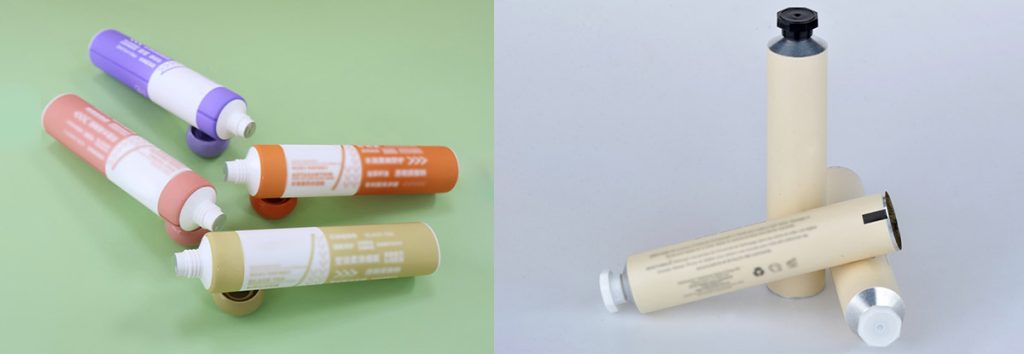
Manufacturers rely on established testing standards to evaluate barrier layer integrity:
- ASTM F88 measures seal strength through peel tests, ensuring the seal resists separation.
- ASTM F2096 detects leaks by pressurizing the package and observing for bubbles.
- ASTM F1980 provides guidelines for accelerated aging, simulating long-term storage effects.
- ASTM D7177 uses air channel testing to verify weld integrity and minimum peel strength, identifying weak or flawed weld areas.
These standards help manufacturers detect leaks, measure seal strength, and confirm weld quality. Air channel testing, in particular, offers a non-destructive and sensitive method for identifying tiny holes, especially at complex seam junctions.
Raw Material Costs
Raw material costs represent a significant portion of PBL tube production expenses. Fluctuations in the price of plastic resin pellets and other commodities directly impact overall manufacturing costs. Geopolitical events and currency exchange rates can cause sudden changes in raw material prices, affecting supply chains and production budgets. When raw material costs rise, manufacturers may need to absorb the increase or pass it on to customers, which can reduce profitability.
Manufacturers use several strategies to manage these risks:
- Develop a raw material management agenda aligned with business goals.
- Increase supply chain transparency to monitor price changes.
- Build strategic supplier alliances to reduce dependency.
- Secure long-term supply agreements and optimize material use.
- Manage inventory strategically, such as stockpiling when prices are low.
- Track price changes using indices to anticipate and respond to fluctuations.
Note: Indirect costs, such as transportation and labor, often rise alongside raw material prices, further impacting production costs.
Heat Distribution
Uniform heat distribution is essential for producing high-quality welds in laminated tubes. Uneven heating can cause localized melting, incomplete fusion, or thermal damage to the laminate layers. These issues result in weak welds, visible defects, or compromised barrier properties. Operators must carefully adjust airflow, temperature, and pressure to ensure even heat application across the weld area.
Modern Hot Air Welding machines use advanced controls to distribute heat evenly. Flow regulators and specialized nozzles help direct hot air precisely where needed. Regular maintenance of heating elements and airflow systems also supports consistent heat distribution. By focusing on these factors, manufacturers can minimize defects and maintain the performance of laminated tubes.
Solutions
Process Optimization
Manufacturers achieve better weld quality by optimizing process parameters. They adjust temperature, speed, and pressure to match the specific laminate structure. Operators use digital controls to set precise values for each parameter. Consistent monitoring helps prevent overheating or underheating. Automated systems record data and alert staff to deviations. This approach reduces defects and improves production efficiency.
Tip: Regularly review process data to identify trends and make timely adjustments.
Material Selection
Choosing the right materials ensures strong bonds and maintains barrier properties. Manufacturers select laminate films with compatible melting points. They test samples for weldability before full-scale production. Material suppliers provide technical data sheets that guide selection. Using high-quality resins and barrier layers reduces the risk of weld failure.
| Material Property | Importance in Welding |
|---|---|
| Melting Point | Ensures proper fusion |
| Barrier Strength | Maintains product safety |
| Flexibility | Prevents cracking |
Quality Assurance
Quality assurance teams use advanced testing to verify weld integrity. They perform peel tests, leak detection, and visual inspections. Automated inspection systems scan each tube for defects. These systems use cameras and sensors to detect weak spots or pinholes. Regular audits of the production line help maintain high standards.
- Peel tests measure bond strength.
- Leak tests ensure barrier integrity.
- Visual checks catch cosmetic flaws.
Hot Air Welding Machines
Modern Hot Air Welding machines feature precise temperature and airflow controls. Manufacturers invest in equipment with programmable settings and real-time monitoring. Machines with non-stick forming rings reduce material buildup. Regular maintenance keeps machines running smoothly and extends their lifespan.
Note: Upgrading to automated welding machines can increase consistency and reduce labor costs.
Trends
Automation
Automation continues to transform PBL tube manufacturing. Modern production lines use advanced robotics and programmable logic controllers to handle repetitive tasks. Automated systems monitor temperature, pressure, and speed with high precision. These systems reduce human error and improve consistency in weld quality. Operators can track real-time data and make quick adjustments when needed. Automated inspection stations use cameras and sensors to detect defects, ensuring only high-quality tubes reach packaging. Manufacturers benefit from increased throughput and lower labor costs. They also achieve faster changeovers between product types, which supports flexible production schedules.
Note: Automation not only boosts efficiency but also enhances workplace safety by minimizing manual intervention in high-temperature processes.
Sustainability
Sustainability has become a central focus in PBL tube production. Manufacturers now adopt eco-friendly materials and processes to reduce environmental impact. They use biodegradable materials for durable plastic tubes, which helps decrease plastic waste. Recyclable plastic laminated tubes support circular economy initiatives. Many companies incorporate eco-friendly materials such as polyethylene (PE) and other sustainable options in their packaging. The industry also sees a shift toward refillable products and minimalistic designs that use less material and generate less waste.
- Manufacturers collaborate with governments and consumers to improve waste management and promote sustainable packaging.
- Vacuum aluminised films replace traditional aluminum foil, using only a fraction of the material while maintaining barrier properties.
- These films offer better folding resistance and toughness, which reduces material waste and extends product life.
- The use of vacuum aluminised films also saves energy and lowers production costs.
- Hot stamping enhances the appearance of laminated sheets, though it presents adhesion challenges and is mainly used for premium products.
Sustainable innovations in materials and design help manufacturers meet regulatory requirements and consumer expectations for greener packaging.
Conclusion
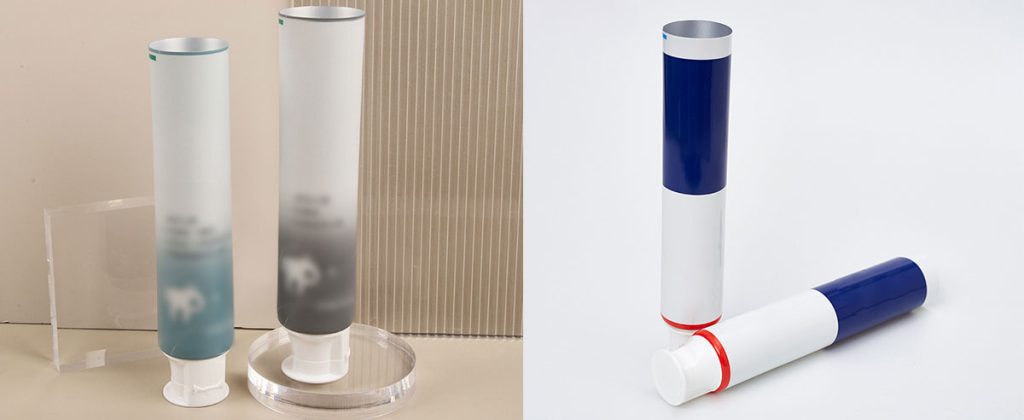
Mastering advanced welding techniques remains essential for producing high-quality PBL tubes. Recent case studies highlight several best practices:
- Surface preparation, including cleaning and abrasion, improves weld quality.
- Consistent heat and steady pressure during welding and cooling maintain integrity.
- Nitrogen gas and efficient equipment reduce defects and costs. Industry leaders drive innovation by integrating automation, robotics, and real-time monitoring. They invest in energy-efficient solutions and smart systems to ensure reliability and meet evolving market demands. Continuous improvement and strategic R&D keep manufacturers competitive in a rapidly changing industry.
FAQ
What Are the Main Advantages of Hot Air Welding in PBL Tube Manufacturing?
Hot air welding creates strong, seamless bonds. Manufacturers achieve high production speeds and consistent weld quality. The process supports automation and reduces the risk of leaks or contamination.
How Do Manufacturers Ensure Consistent Weld Quality?
Quality assurance teams use automated inspection systems. They perform peel tests, leak detection, and visual checks. Regular audits and equipment maintenance help maintain high standards.
Which Materials Work Best for Hot Air Welding of PBL Tubes?
| Material Type | Benefit |
|---|---|
| Polyethylene (PE) | Good weldability |
| Barrier Films | Maintains integrity |
| Biodegradable resins | Eco-friendly option |
Manufacturers select materials with compatible melting points and strong barrier properties.
What Is the Most Common Challenge During the Welding Process?
Uneven temperature control often causes weld defects. Operators must monitor heat distribution closely. Digital controls and regular calibration help prevent overheating or underheating.