


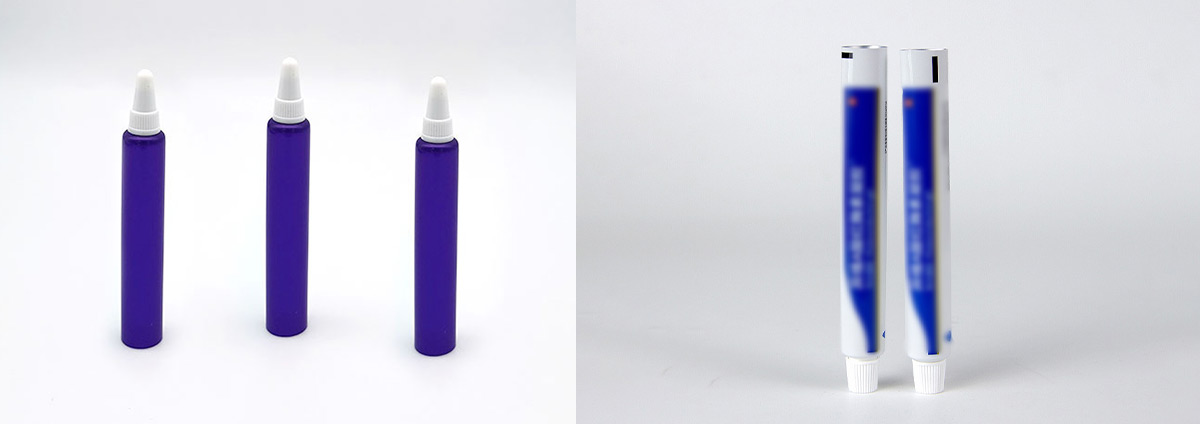
Laminated tube manufacturing relies on precise measurement to optimize the production line. The OEE formula helps engineers and managers track efficiency by evaluating three crucial factors: Availability, Performance, and Quality. They must validate Ideal Cycle Time for each lami tube making machine to ensure correct OEE calculation. Accurate data collection supports reliable results and reveals gaps in manufacturing. The OEE formula shows how production teams can boost output and minimize waste.
Key Takeaways
- Understand OEE as a measure of efficiency in laminated tube manufacturing, focusing on Availability, Performance, and Quality.
- Validate the ideal cycle time for machines to ensure accurate OEE calculations and identify performance gaps.
- Collect accurate data using digital monitoring systems to track production metrics and improve overall equipment effectiveness.
- Identify and address the Six Big Losses in manufacturing to enhance OEE and reduce downtime.
- Implement lean methods and preventive maintenance to streamline processes and boost production efficiency.
OEE Formula in Laminated Tube Manufacturing
OEE Components Overview
OEE, or Overall Equipment Effectiveness, measures how well a lami tube making machine performs in laminated tube manufacturing. The formula combines three factors: availability, performance, and quality. Availability shows how much time the machine runs compared to planned production time. Performance compares the actual output to the maximum possible output, using the ideal cycle time. Quality measures the percentage of good tubes produced. The industry standard for OEE in manufacturing is 85 percent or higher. An average OEE below 60 percent signals major improvement opportunities. Teams use oee availability calculation, oee performance calculation, and oee quality calculation to pinpoint losses and boost efficiency.
Ideal Cycle Time Validation
Validating the ideal cycle time is essential for accurate oee performance calculation. The ideal cycle time represents the fastest rate a laminated tube making machine can produce a laminated tube without defects. Engineers must test machines under optimal conditions to set this benchmark. If the ideal cycle time is too high or too low, the oee calculation will not reflect true performance. Regular checks help maintain reliable benchmarks and support continuous improvement. Machine learning algorithms can adjust process parameters like heating and pressure, ensuring optimal sealing and consistent cycle times.
Importance of Accurate Data Collection
Accurate data collection forms the backbone of oee tracking in laminated tube manufacturing. Digital monitoring systems record production data in real time. Remote production monitoring and analysis identify issues that impact overall equipment effectiveness. AI-powered vision systems inspect every tube for defects, improving quality control. Predictive maintenance uses sensor data to forecast equipment failures and reduce downtime. These technologies enable teams to initiate improvement cycles based on production data. Multi-tier technical support, both remote and onsite, helps maintain continuous production and a high average oee.
Step-by-Step OEE Calculation
Data Gathering for OEE
Accurate oee calculation in laminated tube manufacturing begins with systematic data gathering. Teams must collect essential data points from each lami tube making machine to ensure reliable results. The following information forms the foundation for calculating overall equipment effectiveness:
- Record all equipment failures, especially unplanned stops longer than five minutes. Categorize these by internal stops, upstream (starved), or downstream (blocked) issues.
- Track setup and adjustment times by noting every changeover, from the last unit of one product to the first unit of the next.
- Calculate performance loss using ideal cycle time, total parts produced, and run time. Avoid manual tracking of minor stops or reduced speed.
- Monitor production rejects by comparing the number of units entering a critical process step to the number of units shipped. Focus on defects that affect throughput at the constraint.
- Track startup rejects separately during startup phases and after each changeover to capture early production quality issues.
Tip: Digital monitoring systems and AI-powered vision inspection can automate much of this data collection, reducing errors and improving response time.
Calculating Availability, Performance, Quality
Once the data is collected, teams can calculate the three core components of oee for each lami tube making machine. Each metric highlights a different aspect of manufacturing efficiency.
Availability measures the percentage of planned production time that the machine is actually running. Common downtime causes in lami tube making machines include uneven nip pressure, speed changes without parameter correction, poor calibration discipline, bonding stability failures, and mechanical issues such as worn couplings or bearings.
Performance compares the actual output to the maximum possible output, using the ideal cycle time. This calculation reveals losses from running at reduced speed or frequent minor stops.
Quality measures the proportion of good tubes produced compared to the total output. Frequent quality defects in laminated tube production include tolerance deviations, leaking pouches, start-stop loss, and setup loss. These issues can lead to misalignment, failed seals, and wasted resources.
The following table summarizes the step-by-step calculations for a typical shift:
| Metric | Calculation | Result |
|---|---|---|
| Total Products Made | 10,408 cartons | |
| Defective Products | 500 cartons | |
| Number of Good Products | 10,408 – 500 = 9,908 cartons | |
| Quality Calculation | (9,908 / 10,408) x 100 = 94.8% | 94.8% |
Note: Always use the number of good products for both performance and quality calculations to ensure accurate oee results.
Example OEE Calculation
Consider a real-world scenario in laminated tube manufacturing. A lami tube making machine operates for an eight-hour shift (480 minutes). The planned production time is 450 minutes after accounting for scheduled breaks. During the shift, the machine experiences 30 minutes of unplanned downtime due to a bonding stability failure and a worn bearing.
- Availability:
Planned Production Time = 450 minutes
Unplanned Downtime = 30 minutes
Run Time = 450 – 30 = 420 minutes
Availability = (420 / 450) x 100 = 93.3% - Performance:
Ideal Cycle Time = 2 seconds per tube
Run Time = 420 minutes = 25,200 seconds
Maximum Possible Output = 25,200 / 2 = 12,600 tubes
Actual Output = 10,408 tubes
Performance = (10,408 / 12,600) x 100 = 82.6% - Quality:
Number of Good Products = 10,408 – 500 = 9,908 tubes
Quality = (9,908 / 10,408) x 100 = 94.8% - OEE Calculation:
OEE = Availability x Performance x Quality
OEE = 0.933 x 0.826 x 0.948 = 0.729, or 72.9%
This oee value shows that the lami tube making machine operates below the industry benchmark of 85%. The main losses come from unplanned downtime and performance gaps. By addressing mechanical issues and optimizing speed settings, teams can improve overall equipment effectiveness and boost output in laminated tube manufacturing.
Callout: Regular analysis of oee data helps teams identify trends, prioritize maintenance, and target process improvements for higher efficiency.
Identifying OEE Losses
Six Big Losses in Laminated Tube Manufacturing
The Six Big Losses framework helps teams in laminated tube manufacturing pinpoint the main sources of downtime and inefficiency. Each loss affects a specific OEE metric and can reduce output from a lami tube making machine. The losses include:
- Unplanned stops (Availability loss)
- Planned stops (Availability loss)
- Small stops (Performance loss)
- Slow cycles (Performance loss)
- Production defects (Quality loss)
- Startup defects (Quality loss)
These losses often appear as equipment failures, setup delays, minor jams, slow running, scrap, and startup rejects. Teams use root cause analysis tools like the Fishbone diagram to trace issues. For example, idle and minor stoppages frequently cause the largest OEE losses. After targeted improvement actions, plants have seen OEE rise from 56% to over 71%.
| Type of Loss | Affected OEE Metric | Examples of Causes |
|---|---|---|
| Equipment failure | Availability | Tooling failure, unplanned maintenance, equipment failure |
| Setup and adjustments | Availability | Setup/changeover, material shortage, operator shortage |
| Idling and minor stops | Performance | Obstructed product flow, equipment jams, misfeeds |
| Reduced speed | Performance | Rough running, under nameplate capacity, operator inefficiency |
| Process defects | Quality | Scrap, rework, incorrect assembly |
| Reduced yield | Quality | Scrap, in-process damage, incorrect assembly |
Recognizing Losses on Lami Tube Making Machines
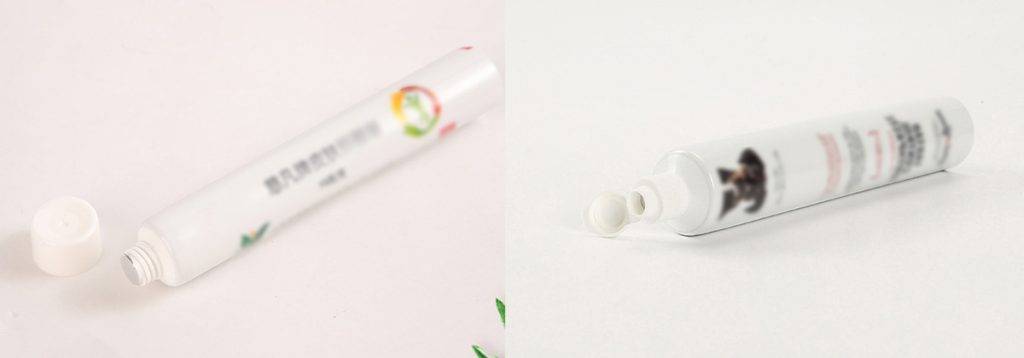
Operators and engineers must monitor downtime events closely. They should track every unplanned stop, setup delay, and minor jam. Frequent downtime in lami tube making machines often results from worn bearings, uneven nip pressure, or poor calibration. Slow cycles may signal rough running or operator inefficiency. Quality losses appear as leaking laminated tubes, tolerance deviations, or startup rejects. Teams should use digital monitoring and vision inspection to spot hidden losses and improve OEE.
Tip: Regular OEE analysis reveals trends and helps prioritize improvement actions for each lami tube making machine.
Common OEE Mistakes
Mistakes during OEE calculation can distort performance metrics and hide true losses. The most common errors include:
| Mistake Description | Impact on OEE Calculation |
|---|---|
| Not capturing small interruptions (sensor faults, brief jams) | Distorts performance metrics and underestimates hidden losses |
| Counting rework as good production | Misrepresents quality and hides first-pass yield issues |
| Averaging OEE across different lines or shifts | Gives misleading overall performance assessments |
| Using OEE as a scorecard instead of a tool for improvement | Fails to drive root-cause analysis and continuous improvement |
Teams should avoid these mistakes by tracking all downtime, separating rework from good production, and analyzing OEE for each lami tube making machine. They should use OEE as a tool to guide improvement, not just as a scorecard.
Strategies to Improve OEE
Lean Methods for Laminated Tube Manufacturing
Lean manufacturing methods help teams identify and eliminate waste in the production line. In laminated tube manufacturing, these strategies focus on maximizing value while minimizing unnecessary steps. Operators use real-time tracking to monitor run time, detect bottlenecks, and reduce downtime. Techniques such as 5S, value stream mapping, and just-in-time production improve efficiency and streamline the manufacturing process. Teams apply standardized work practices to ensure every lami tube making machine operates at peak performance. By removing non-value-added activities, lean methods support manufacturing process improvements and boost overall manufacturing productivity.
Tip: Real-time tracking of run time and production data allows teams to respond quickly to issues and maintain high efficiency.
Preventive Maintenance
Preventive maintenance programs play a critical role in reducing downtime and optimizing equipment utilization. In lami tube making machine, the shift from traditional maintenance to predictive and preventive approaches enables teams to monitor asset degradation and make informed decisions. This process integrates real-time data and advanced tools, leading to improved oee and longer run time for each lami tube making machine. Preventive maintenance strategies include regular inspections, lubrication, calibration, and professional servicing.
| Maintenance Task | Recommended Frequency | Key Tools/Supplies | Potential Risks if Neglected |
|---|---|---|---|
| Surface Cleaning | After each use | Cleaning solution, brushes, lint-free cloths | Cross-contamination, product spoilage |
| Deep Cleaning | Weekly/Biweekly | Disassembly tools, degreasers, compressed air | Corrosion, clogged nozzles, bacterial growth |
| Lubrication | Every 40–80 operating hours | Manufacturer-approved lubricants, grease gun | Increased friction, bearing failure, motor strain |
| Inspection | Monthly/Quarterly | Flashlight, calipers, alignment gauge | Component failure, inaccurate fills, safety hazards |
| Calibration | Before major runs or product changeovers | Weighing scale, calibration weights, software interface | Wastage, non-compliance, customer complaints |
| Professional Service | Annually or per manufacturer schedule | Diagnostics software, specialized tools | Reduced efficiency, voided warranties, system crashes |
- Preventive maintenance reduces unplanned downtime and supports real-time tracking of machine health.
- Optimized run time and fewer breakdowns directly improve oee and production output.
- Effective maintenance strategies lower costs and prevent lost opportunities in manufacturing.
Process Standardization
Standardizing processes ensures consistent quality and efficiency across the production line. In laminated tube manufacturing, teams document best practices and create standard operating procedures (SOPs) for every step. This approach reduces variation, simplifies training, and supports real-time tracking of performance. Fully automatic lami tube making machines with advanced controls and smart sensors further enhance run time and minimize downtime.
| Machine Type | Production Rate (tubes/min) | Key Features |
|---|---|---|
| Fully Automatic | 40 – 50 (up to 100) | Advanced controls, variable speed drives, servo motors, smart sensors, reduced downtime |
| Semi-Automatic | 15 – 20 | Auto-feed systems, real-time defect detection, quick-change tooling, suitable for small-scale production |
| SOP Number | Description |
|---|---|
| SOP-877-001 | Material Inspection and Acceptance |
| SOP-877-002 | Equipment Setup and Calibration |
| SOP-877-010 | Quality Control Sampling and Testing |
| SOP-877-020 | Document Control and Recordkeeping |
| SOP-877-030 | Employee Health and Safety |
- Quality enhancement through standardized processes ensures consistent product quality.
- Safety and compliance reduce risks and support regulatory adherence.
- Efficiency and cost reduction streamline operations and optimize resource use.
- Training and workforce development become easier with clear documentation.
Note: Real-time tracking of SOP compliance helps maintain high efficiency and supports continuous improvement.
Team Training and Continuous Improvement
Team training and continuous improvement initiatives drive long-term gains in oee and production efficiency. When employees understand oee metrics and real-time tracking, they can identify inefficiencies and set clear improvement goals. The PDCA (Plan, Do, Check, Act) framework standardizes problem-solving and supports ongoing manufacturing process improvements. Standardized work and regular training sessions ensure that every operator can maximize run time and minimize downtime on each lami tube making machine.
- Eliminating waste increases productivity and safety, which improves efficiency and reduces downtime.
- Oee tracking allows teams to analyze downtime, performance, and quality in real time.
- Understanding oee helps employers monitor progress and set realistic improvement targets.
- Continuous improvement requires team involvement and regular feedback to sustain high performance.
Callout: Real-time tracking and continuous improvement empower teams to maintain high efficiency and adapt quickly to changes in the production line.
Conclusion

To achieve high efficiency in laminated tube manufacturing, teams should follow these steps:
- Calculate Availability by measuring run time against planned production time for each lami tube making machine.
- Measure Performance by comparing actual speed to ideal cycle time.
- Assess Quality by tracking good laminated tubes produced on the first pass.
- Multiply these values to find the oee score and identify main losses.
Regular analysis and lean strategies help teams maintain strong results and adapt quickly to production changes.
FAQ
What Is the Ideal OEE Benchmark for Laminated Tube Manufacturing?
Most experts set the OEE benchmark at 85% for laminated tube production. If a lami tube making machine scores below this, teams should investigate losses and apply improvement strategies.
How Often Should Teams Review OEE Data?
Teams should review OEE data daily or weekly. Frequent analysis helps them spot trends, address issues quickly, and maintain high efficiency on each lami tube making machine.
Which Losses Affect Lami Tube Making Machines Most?
Unplanned downtime and slow cycles often cause the biggest losses. Worn bearings, poor calibration, and operator errors can reduce OEE in laminated tube manufacturing.
Can Automation Improve OEE in Laminated Tube Production?
Yes. Automation, such as AI-powered vision inspection and real-time monitoring, helps teams reduce defects and downtime. These tools boost OEE by improving both quality and run time.
Why Is Accurate Data Collection Important for OEE?
Accurate data collection ensures reliable OEE calculations. Teams need precise records from each lami tube making machine to identify true losses and drive effective improvements.