


Tube forming technology converts flat laminate into perfect cylinders for paper tubes by using a multi-step process. Manufacturers begin by unrolling multi-layered laminate web stock, which often includes barrier layers made from polymers or aluminum for packaging. The process starts with feeding the web stock into lami tube making machine that wrap it around a core mandrel, forming a cylinder. High frequency welding fuses the edges, ensuring a seamless tube. Laminated tube making machine produces uniform tube lengths, while shoulder and cap assembly complete the manufacturing. This technology delivers precision and high quality in food packaging, paper tubes, and other applications. Manufacturers rely on this process for reliable packaging cores in food, paper tubes, and industrial cores.
Key Takeaways
- Tube forming turns flat laminate into strong, seamless cylinders using precise winding, heat sealing, and automated cutting.
- Multi-layer laminate materials with barrier layers protect food and pharmaceuticals from moisture, oxygen, and light, extending shelf life.
- Advanced heat sealing methods like ultrasonic and hot air sealing ensure airtight tubes that keep contents safe and fresh.
- High-precision cutting and automated assembly maintain tube quality, shape, and durability for various packaging needs.
- Paper tubes serve many uses in food, cosmetics, and pharmaceuticals, offering protection, custom designs, and eco-friendly options.
Tube Forming Process
Laminate Web Stock
Laminate tube manufacturing begins with the selection of high-quality laminate web stock. Manufacturers use multi-layered laminates to create tubes with specific barrier properties. These laminates often include layers such as high-density polyethylene (HDPE), ethylene vinyl alcohol (EVOH), and compatibilizers. The structure of the laminate web stock plays a crucial role in the performance of paper tubes, especially for food packaging and industrial cores.
| Component / Layer | Typical Composition / Thickness Range | Description / Function |
|---|---|---|
| High Density Polyethylene (HDPE) | 50% to 60% by weight | Main polymer matrix providing structural integrity |
| Ethylene Vinyl Alcohol (EVOH) | 30% to 40% by weight | Barrier layer restricting passage of gases, moisture, aroma, and flavor |
| Compatibilizer (e.g., maleic anhydride copolymer or ionomer) | 10% to 20% by weight | Adhesive layer improving compatibility between HDPE and EVOH layers |
| Polyolefin layer (polyethylene or polypropylene) | Thickness: 40 to 100 microns | Outer and inner skin layers of the inner barrier liner |
| Barrier layer (EVOH or aluminum foil) | Thickness: 10 to 25 microns | Central barrier layer providing protection against oxygen, moisture, aroma, and chemical resistivity |
| Tie layer (acid copolymer or maleic anhydride grafted copolymer) | Thickness: ~25 microns (each side of barrier layer) | Binds polyolefin layers to the barrier layer |
The chart below shows the weight percent ranges of key components in laminate web stock:
The thickness and layering of these laminates do not significantly change the tensile strength of tubes. Instead, they enhance flexibility, seam strength, and barrier properties. This flexibility is essential for winding the laminate around a core mandrel during tube forming. The presence of a barrier layer, such as EVOH or aluminum foil, ensures that food, cosmetics, and pharmaceuticals remain protected from moisture, oxygen, and light. Lamination on both sides of the base sheet improves seam strength, which is critical for the durability of spiral wound tubes and other packaging cores.
Feeding and Wrapping
The tube forming process continues with the feeding and wrapping of the laminate web stock. A laminated tube making machine automatically feeds the laminate into the winding section. Sensors monitor key parameters such as tube presence, tube position, tube count, and tube alignment. These sensors, including photoelectric and proximity switches, ensure that each core is correctly positioned for the next stage. The process uses a programmable logic controller (PLC) system with a human-machine interface (HMI) for real-time monitoring and control.
During wrapping, the laminate web stock winds around a mandrel. The mandrel size determines the final diameter and shape of the laminated tube. Selecting the correct mandrel is essential for maintaining the integrity of the tube during winding. If the wall of the tube is thick or the bend radius is large, the tube can support itself. For thinner walls or tighter bends, the process requires a standard or high-pressure mandrel to prevent distortion, wrinkles, or collapse. The mandrel supports the laminated tube at the bend point, ensuring that the cross-section remains consistent and the tube maintains its perfect cylindrical shape.
Automation in the feeding and wrapping stages increases throughput, improves quality, and enhances safety. Consistent monitoring of bundle shape, strapping tension, and strap positions ensures that paper tubes remain undamaged and ready for the next manufacturing step.
Heat Sealing
After winding, the process moves to heat sealing. This stage fuses the edges of the laminate to form a seamless tube. Manufacturers use several heat sealing methods, including hot air tube sealing, high frequency sealing, ultrasonic tube sealing, and hot jaw tube sealing. Each method offers different advantages for laminated tube manufacturing.
| Heat Sealing Method | Description | Efficiency & Speed | Quality & Compatibility |
|---|---|---|---|
| Hot Air Tube Sealing | Uses hot air nozzles to soften inner tube walls before sealing. Compatible with plastic and laminate tubes. | Fastest speeds, ideal for large production runs. Requires change parts for different tube diameters. | Produces professional, high-quality seals. Broad compatibility including newer tube materials. |
| High Frequency Sealing | Creates eddy currents in aluminum layers of laminate tubes to heat and seal. | Slower than hot air sealing. | Limited to laminate tubes with aluminum layers. Seal appearance is below professional standards. |
| Ultrasonic Tube Sealing | Uses ultrasonic vibrations to generate frictional heat inside thermoplastic layers. | Faster than conventional heat sealing; no preheating or cooling needed. Energy efficient. | Produces clean, reliable seals. Suitable for thermoplastic tubes (LDPE, HDPE, laminated plastic). Not compatible with aluminum tubes. |
| Hot Jaw Tube Sealing | Simple method applying heat via convection through jaws pressing the tube closed. | Slowest sealing option. | Low-cost but produces subpar seal quality. Good for small batch testing. |
| Aluminum Tube Crimping | Mechanical folding/crimping of aluminum tubes instead of heat sealing. | Efficient for aluminum tubes; fold complexity affects speed and seal strength. | Different fold styles (single, saddle, triple) affect seal strength and aesthetics. Not a heat sealing method. |
Ultrasonic tube sealing stands out for its speed and energy efficiency. It seals tubes in less than a second by focusing heat only at the edges, which preserves the integrity of the tube contents. Hot air tube sealing is ideal for large production runs of paper tubes and laminated tubes, producing high-quality seals compatible with a wide range of packaging materials.
Barrier layers play a vital role during heat sealing. These layers, made from materials like EVOH or aluminum foil, protect the tube contents from moisture, oxygen, light, and odors. The barrier layer prevents the transfer of gases and moisture, extending the shelf life of food and pharmaceutical products. While the barrier layer shields the contents, the sealant layer forms the actual heat seal, ensuring the tube remains airtight and secure.
- Heat sealing involves contact between the print, barrier, and sealant layers.
- Barrier layers prevent the ingress or egress of gases and moisture.
- These layers are essential for maintaining product quality during and after the manufacturing process.
The combination of advanced technology, precise winding, and effective heat sealing ensures that paper tube manufacturing produces strong, flexible, and reliable packaging cores for food, cosmetics, and industrial applications.
Cutting and Assembly
Cutting Tubes
Manufacturers rely on advanced cutting technologies to produce paper tubes with precise lengths and clean edges. The process begins after winding, when tubes move from the mandrel to the cutting station. Automation plays a key role in this stage, as servo-driven loading mechanisms and inline systems handle paper cores efficiently. Operators use high-precision lasers, including CO2 and Nd:YAG systems, to minimize heat-affected zones and prevent deformation. Multi-process laser cutting reduces secondary operations, resulting in cleaner cuts and less material waste.
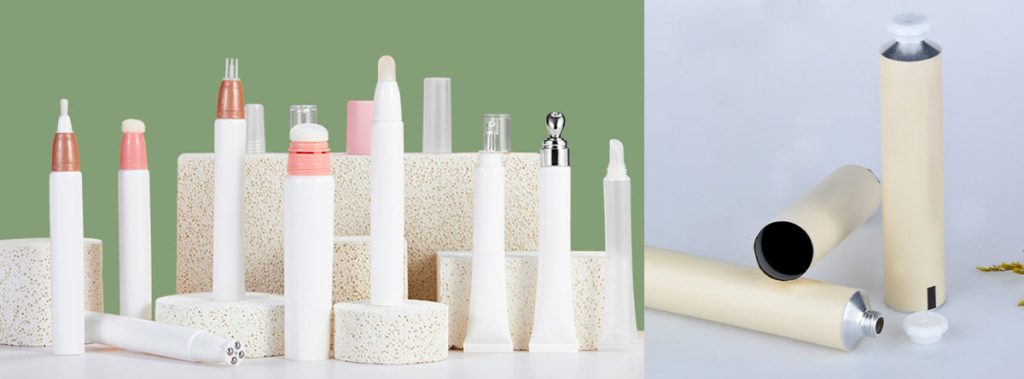
CAD/CAM integration allows automatic nesting and optimized cutting paths, which reduces errors and maximizes tube usage. AI-powered optimization tools analyze tube patterns, adjust cutting speed and laser power, and provide real-time data for continuous improvement. Advanced blade technologies, such as carbide-tipped blades, improve cutting performance and durability. Electrochemical machining offers burr-free, stress-free cuts for heat-sensitive materials.
| Technology Type | Key Features and Benefits |
|---|---|
| 5-Axis Laser Tube Cutting | Full CNC control; accommodates various tube profiles; extremely tight cut length tolerances (±0.003″); minimal heat-affected zones; automated loading/unloading |
| Electrochemical Machining (ECM) | Burr-free, stress-free cuts; no heat input; maintains geometry without deformation; ideal for heat-sensitive materials and tight tolerances |
| Cutoff Lathes & Specialty Equipment | High-speed cutting; burr-free finishes; supports various materials and sizes; reliable for high-volume runs with consistent length accuracy |
Accuracy in tube cutting directly impacts the quality of paper tubes. High accuracy ensures consistent results, minimizes material deformation, and reduces scrap. Laser cutting technology enables intricate designs with microscopic detail, improving both visual and functional quality. Manufacturers achieve length tolerances as tight as ±0.002 inches, supporting high-speed production without distortion or material loss. This precision is essential for producing packaging cores for food, cosmetics, and industrial applications.
Shoulder and Cap Integration
After cutting, the process moves to shoulder and cap integration. Manufacturers fuse preformed shoulders and caps to the tube body using automated assembly systems. The shoulder provides structural support and defines the opening of the tube, while the cap ensures secure closure. Automation in this stage increases throughput and consistency, reducing human error.
Operators use heat sealing, ultrasonic welding, or mechanical crimping to attach shoulders and caps to paper tubes. The choice of method depends on the material and intended use of the packaging. For food packaging, manufacturers prioritize airtight seals to protect contents from moisture and contamination. Consistent integration of shoulders and caps maintains the integrity of paper cores and ensures reliable performance in packaging applications.
Precision in cutting and assembly guarantees that paper tubes meet strict industry standards for length, shape, and durability. Manufacturers achieve high-quality packaging cores by controlling every step of the process, from winding to final assembly.
Materials in Tube Manufacturing
Composite Structure
Laminated tube manufacturing relies on advanced composite structures to meet the demands of modern packaging. Manufacturers select composite tubes based on the intended application, such as food, pharmaceutical, or industrial packaging. Concrete-filled fiber-reinforced polymer and steel composite tubes offer improved strength and durability for structural columns. These composite structures resist corrosion and provide a long service life, making them ideal for infrastructure projects.
Pultruded and pull-wound composite tubes use glass, carbon, aramid, or hybrid fibers combined with resins like epoxy or polyester. These methods allow manufacturers to tailor the mechanical properties of paper tubes, ensuring that each core meets specific requirements. Hybrid composites balance cost and performance, making them popular for high-volume packaging and food applications. Convolute tubes, often made from fiberglass with carbon fiber reinforcement, deliver flexibility and strength for aerospace, automotive, and medical packaging.
The winding process shapes the composite structure, ensuring that each paper core maintains its integrity during use. The lami tube making machine enables precise winding and layering, producing consistent paper cores for food and pharmaceutical packaging. Manufacturers also consider recyclability when choosing materials. Thermoplastic composites, such as polypropylene with continuous fibers, allow full recyclability. These materials support the circular economy by enabling reuse and reducing waste. Paper tubes made from recycled paperboard further lower emissions and support sustainable packaging.
Barrier Layers
Barrier layers play a critical role in paper tube manufacturing, especially for food and pharmaceutical packaging. Manufacturers use several types of barrier materials to protect contents from moisture, oxygen, and light. The most effective options include:
- Aluminum barrier laminates (ABL): These tubes feature a thin aluminum layer between plastic layers, providing excellent protection against oxygen, moisture, and light.
- Plastic barrier laminates (PBL): Made entirely from plastic, PBL tube manufacturing offers strong barrier properties and environmental benefits.
- Ethylene vinyl alcohol (EVOH): This material acts as a barrier against oxygen and gases, often combined with plastics for flexibility.
- PolyFoil tubes: These combine aluminum and polymer layers for superior protection.
Designs of laminated tube ensure that each core maintains product integrity and extends shelf life. The choice of barrier layer directly affects the shelf life of food products. Oxygen and moisture barriers prevent spoilage, preserve aroma, and protect nutrients. Light barriers shield sensitive products from UV radiation. Manufacturers select barrier materials based on the storage needs of food and pharmaceutical packaging. Safety, regulatory compliance, and durability guide material selection, ensuring that paper tubes and paper cores meet industry standards.
The winding and manufacturing process integrates these barrier layers into each core, using a lami tube making machine for precision. This approach guarantees that every paper core delivers reliable protection for food, pharmaceuticals, and other sensitive products. Recyclability remains a key consideration, as manufacturers seek materials that balance performance, safety, and environmental impact. Metal packaging materials, such as steel and aluminum, offer additional strength and recyclability for specialized cores and packaging.
Quality and Applications of Tube
Seam Integrity
Manufacturers rely on advanced tube forming technology to create seamless, durable tubes for a wide range of packaging applications. Seam integrity plays a critical role in the performance of paper tubes, packaging tubes, and cores. High-quality seams prevent leaks, contamination, and deformation, which is essential for food, pharmaceutical, and personal care packaging.
To ensure seam integrity, manufacturers use a combination of non-destructive and mechanical testing methods:
- Visual inspection detects surface irregularities on seams.
- Ultrasonic testing uses high-frequency sound waves to find internal seam discontinuities.
- Radiographic testing employs X-rays or gamma rays to reveal internal seam defects.
- Magnetic particle testing identifies flaws in ferromagnetic materials.
- Eddy current testing detects surface and subsurface defects.
- Liquid penetrant testing locates surface-breaking seam defects.
Mechanical tests further verify seam strength and flexibility. These include hardness testing, tube-flattening, drift-expanding, flanging, ring-expanding, and compression tests. Each method follows international standards such as ISO 9001 and ASTM A370, ensuring consistent quality across all paper tubes and packaging tubes. Quality assurance teams document results and use trained personnel to maintain high standards in custom manufacturing.
Uses In Packaging
Tubes produced through precise winding and advanced forming technology serve many packaging applications. The multi-layer structure and barrier properties of paper tubes and packaging tubes make them ideal for protecting food, cosmetics, and pharmaceuticals.
Common applications include:
- Oral care products like toothpaste and gels
- Skincare items such as moisturizers, serums, and sunscreens
- Cosmetics including creams, lotions, and makeup
- Food packaging for sauces, condiments, and spreads
- Pharmaceutical ointments and topical medications
These packaging tubes offer several advantages over other packaging solutions. Laminated tubes provide enhanced durability and barrier protection, combining plastic and metal packaging materials to shield contents from light, oxygen, and moisture. This extends shelf life and preserves product quality. Tubes also support custom designs, vibrant printing, and unique shapes, which increase shelf appeal and brand recognition.
Manufacturers choose tubes for their versatility, cost-effectiveness, and ability to meet strict hygiene standards. The winding process ensures that each core maintains its shape and strength, supporting a variety of food and industrial applications. Custom paper tubes and paper cores can be tailored for specific needs, from personal care to industrial cores. The use of metal packaging materials, such as aluminum and steel, further enhances durability and recyclability in specialized cores and packaging tubes.
Tubes remain a preferred choice for packaging solutions due to their balance of protection, flexibility, and visual appeal. Advanced tube forming technology continues to drive innovation in food, pharmaceutical, and custom packaging applications.
Conclusion

Tube forming transforms flat laminate into perfect paper tubes by combining precise winding, advanced sealing, and automated cutting. Each stage, from core winding to final assembly, ensures that packaging meets strict standards for food, custom, and industrial applications. Manufacturers use adaptive controls and real-time monitoring to maintain quality and consistency. Material selection shapes the durability, recyclability, and eco-friendly performance of packaging tubes and cores. As sustainability and eco-friendly packaging drive innovation, future applications will focus on custom, recyclable, and sustainable packaging solutions for food and other core-based packaging applications.
Key process controls include high-frequency welding, adaptive wall thickness control, and automated quality checks. These steps guarantee that paper tubes and cores deliver reliable performance in food, custom, and eco-friendly packaging applications.
| Future Trends in Tube Forming Technology | Explanation |
|---|---|
| Sustainability Initiatives | Mono-material tubes and bio-based barriers improve recyclability and eco-friendly packaging. |
| Advanced Customization | Custom designs and premium finishes enhance packaging for food and other applications. |
FAQ
What Makes Tube Forming Important for Food Packaging?
Tube forming creates strong, seamless tubes that protect food from moisture and air. This process helps keep food fresh and safe. Manufacturers use these tubes for many types of food packaging because they offer reliable protection and extend shelf life.
How Do Barrier Layers Improve Food Packaging Tubes?
Barrier layers block oxygen, moisture, and light. These layers help prevent food spoilage and keep flavors intact. Manufacturers choose barrier materials based on the type of food and the storage needs. This ensures that food packaging meets safety and quality standards.
Can Tube Forming Technology Support Sustainable Food Packaging?
Manufacturers use recyclable materials and eco-friendly designs in tube forming. This supports sustainable food packaging. Paper tubes made from recycled materials reduce waste. Many companies now focus on creating food packaging that protects products and helps the environment.
What Types of Food Products Use Tube Packaging?
Tube packaging works well for sauces, spreads, creams, and pastes. Many food companies use tubes for condiments, dairy products, and ready-to-eat foods. The tube design makes it easy to store and dispense food, which improves convenience for consumers.
How Does Tube Forming Ensure Food Safety in Packaging?
Tube forming uses precise sealing and cutting. This prevents leaks and contamination. Manufacturers test each tube to make sure it meets food safety standards. Reliable tube forming helps keep food safe from production to the consumer.