


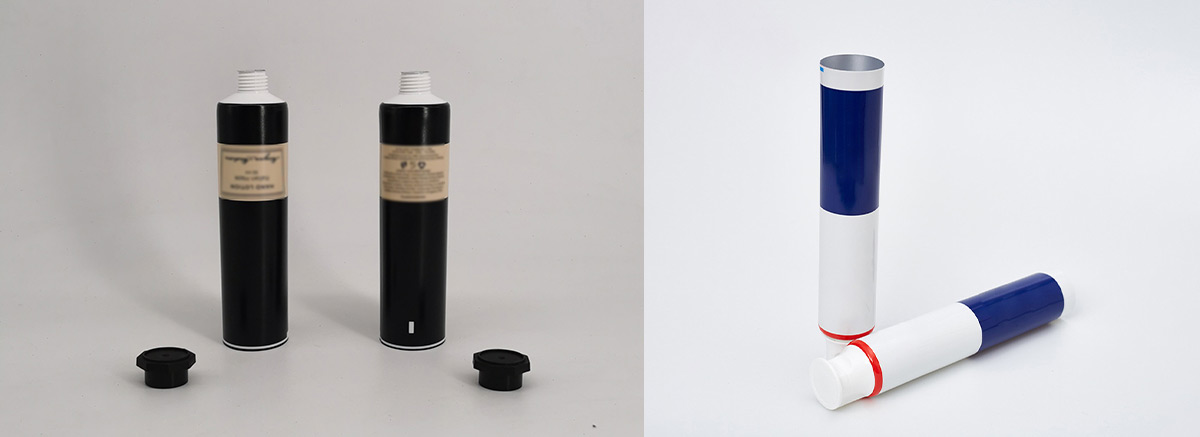
Sterile Packaging plays a vital role in preserving the quality of eye ointments and burn creams. Laminated tubes have become the preferred solution for these sensitive products because they offer strong protection against external threats.
- They block moisture, oxygen, and UV light, which helps maintain product safety and effectiveness.
- The aluminum barrier inside the tube keeps the medicine stable until the user opens it.
- The tube’s design allows for heat sealing and reduces the risk of pinholes.
Laminated tubes also support eco-friendly practices, making them a smart choice for both manufacturers and patients.
Key Takeaways
- Laminated tubes provide strong protection against moisture, oxygen, and light, ensuring the safety and effectiveness of eye ointments and burn creams.
- These tubes support eco-friendly practices by using recyclable materials, helping companies reduce their environmental impact.
- Customization options for laminated tubes enhance user experience, allowing for tailored sizes, applicators, and branding to meet specific needs.
- Tamper-evident seals on laminated tubes ensure product integrity, building consumer trust and compliance with safety regulations.
- The multi-layer structure of laminated tubes extends shelf life, preserving the strength and freshness of sensitive medical products.
Sterile Packaging Needs
Medical Product Requirements
Sterile packaging plays a critical role in the pharmaceutical industry. It protects sensitive medical products from contamination and ensures patient safety. Regulatory agencies require strict controls for packaging, especially for products used in or near the eyes and on damaged skin. Facilities must use controlled environments with HEPA filtration and follow current Good Manufacturing Practice (cGMP) guidelines. Aseptic techniques during compounding and terminal sterilization through solution filtration help prevent contamination. Compliance with USP <797> standards is necessary to guarantee the safety and quality of these products.
The physical and chemical properties of medical products influence packaging choices. For example, viscosity affects how easily a product dispenses, while stability determines the need for protection from light and moisture. Packaging materials must not react with the product. The table below highlights key factors:
| Factor | Description |
|---|---|
| Viscosity | Impacts dispensing and application. |
| Stability | Requires protection from light and moisture to maintain effectiveness. |
| Compatibility | Ensures packaging does not interact negatively with the product. |
Eye Ointments and Burn Creams
Eye ointments and burn creams require sterile packaging to prevent infections and maintain product efficacy. The eyes and damaged skin are highly sensitive to bacteria and other contaminants. Even with preservatives, ointments can become contaminated, especially at the tip of the container. Recent innovations in packaging, such as antimicrobial features, help reduce microbial counts and improve safety.
The primary contamination risk associated with eye drops is the risk of bacterial contamination. Researchers have identified the following as among the most common types of bacterial contaminants found in non-sterile eye drops: Alpha Streptococcus, Bacillus SPP, Coagulase Negative Staphylococcus, Enterobacter Cloacae, Haemophilus, Klebsiella Oxytoca, Proteus, Pseudomonas Aeruginosa (P. aeruginosa), Serratia SPP, Staph Aureus.
Sterility is essential for these products to prevent infections and protect sensitive tissues. Packaging must also shield products from light, use biocompatible materials, and offer ergonomic designs for easy use. These requirements ensure that eye ointments and burn creams remain safe and effective throughout their shelf life.
Laminated Tubes Overview
Structure and Materials
Laminated tubes play a crucial role in pharmaceutical packaging, especially for products that demand high standards of sterility and protection. Manufacturers design these tubes with multiple layers, usually combining aluminum and plastic. This multi-layer construction helps maintain the quality and efficacy of sensitive healthcare products. The aluminum layer acts as a core barrier, while the plastic layers provide flexibility and durability.
A lami tube making machine assembles these layers with precision, ensuring each tube meets strict pharmaceutical standards. The process involves bonding the materials together, forming a seamless tube that resists leaks and contamination. This advanced machinery allows for consistent quality and supports the production of tubes in various sizes and shapes.
The table below highlights the most common materials used in laminated tubes for medical applications and their advantages:
| Material Type | Advantages |
|---|---|
| Aluminum Barrier Laminate (ABL) | Excellent barrier properties, protects contents from environmental contamination |
| Plastic Barrier Laminate (PBL) | Flexible, customizable, and also provides good barrier properties |
Note: The choice of material depends on the specific needs of the product, such as required barrier strength, flexibility, and compatibility with the ointment or cream.
Barrier Protection
Laminated tubes offer outstanding barrier protection, which is essential for maintaining the safety and effectiveness of eye ointments and burn creams. The aluminum layer inside the tube blocks oxygen, helping to preserve the freshness and potency of the product. This barrier also prevents moisture from entering, which reduces the risk of spoilage and contamination.
- The aluminum layer acts as a barrier against oxygen, which is vital for maintaining the freshness and effectiveness of pharmaceutical products.
- It also protects against moisture, preventing spoilage and contamination, especially for sensitive items.
- Additionally, the tubes shield products from light and UV radiation, enhancing their efficacy and extending shelf life.
Manufacturers use several testing methods to evaluate the barrier properties of laminated tubes. Water vapor transmission rate (WVTR) testing is a key method for assessing how well the tube prevents moisture from passing through. Common testing techniques include the gravimetric method (cup method), infrared sensor method, and humidity sensor method. These tests follow standards such as ASTM F1249, ensuring reliable results and early detection of any weaknesses in the packaging.
Sterile Packaging relies on these advanced barrier features to protect sensitive medical products from environmental threats. By combining strong materials and precise manufacturing, laminated tubes help ensure that eye ointments and burn creams remain safe and effective until the moment of use.
Benefits
Shelf Life
Laminated tubes offer significant advantages for extending the shelf life of eye ointments and burn creams. Their multi-layered structure provides a strong barrier against moisture, oxygen, and light. These features help maintain the stability and effectiveness of sensitive medical products. The following table compares the protective features of laminated tubes with other packaging types:
| Feature | Laminated Tubes | Other Packaging Types |
|---|---|---|
| Moisture Protection | Yes | Varies |
| Oxygen Barrier | Yes | Varies |
| Light Protection | Yes | Varies |
| Shelf Life Extension | Yes | Limited |
Laminated tubes help preserve the strength and freshness of pharmaceutical products. The high barrier properties protect the contents from environmental threats. The product remains effective for a longer period, which is essential for patient safety.
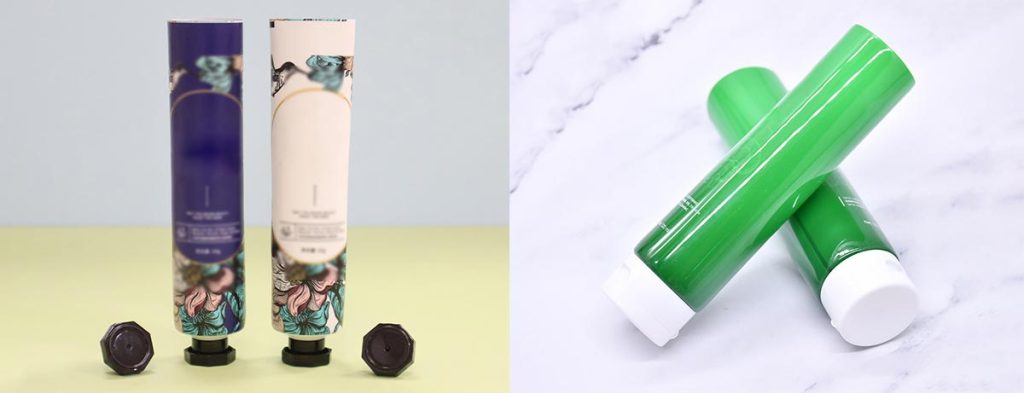
- Laminated tubes have high barrier properties that protect products from light, oxygen, and moisture.
- They help maintain the strength, freshness, and effectiveness of pharmaceutical products.
- The integrity and freshness of the product are preserved, leading to a longer shelf life.
- Durable materials withstand wear and tear, preventing leakage and maintaining shape after repeated use.
- The layers provide a protective barrier against UV radiation and temperature changes, preserving stability and effectiveness.
Sterile Packaging with laminated tubes ensures that eye ointments and burn creams remain safe and potent until the end of their shelf life.
Eco-Friendliness
Laminated tubes also support eco-friendly practices in pharmaceutical packaging. Manufacturers often use recyclable materials, such as aluminum, in the tube’s construction. This approach reduces the environmental impact compared to traditional plastic or single-use packaging.
- High recyclability: Aluminum can be recycled indefinitely, while plastic takes hundreds of years to decompose.
- Reduced carbon footprint: Producing aluminum results in lower carbon emissions, especially when recycled.
- Lightweight and efficient transportation: Aluminum tubes are lighter, which lowers transportation costs and reduces fuel consumption.
These eco-friendly features make laminated tubes a responsible choice for companies that want to reduce their environmental footprint.
Tip: Choosing laminated tubes for medical products can help companies meet sustainability goals and appeal to environmentally conscious consumers.
Customization and Applicators
Laminated tubes offer a wide range of customization options to meet the needs of pharmaceutical brands and patients. Manufacturers can tailor the tube’s size, applicator type, and appearance to suit specific products and user preferences. The table below highlights some of the most common customization aspects:
| Customization Aspect | Details |
|---|---|
| Applicator Types | Child-resistant laminate tubes, Roller Ball Applicator Tube, Sponge Applicator Tube, Standard Orifice Tube |
| Sizes | Multiple sizes for roller balls and sponges, various standard orifice and tube diameter sizes |
| Branding Options | Color choices for tubes and caps, glossy and matte finishes, foil and cold stamping, colored printing up to 6 colors |
Laminated tubes can be designed with various colors, graphics, and finishes to enhance brand visibility. Multi-layered construction allows for further customization to meet the requirements of different pharmaceutical products.
- Laminated tubes can be customized with design options including colors, graphics, and finishes.
- Multi-layered construction supports specific pharmaceutical product requirements.
These options help manufacturers create user-friendly packaging that stands out on pharmacy shelves and provides a better experience for patients.
Sterility Features
Tamper-Evident Seals
Tamper-evident seals play a vital role in maintaining the safety of pharmaceutical products. Laminated tubes often include these seals to provide visible evidence if someone has tried to open the package before purchase or use. This feature helps prevent contamination and unauthorized access. Customers can trust that the product remains untouched and safe for use.
- Tamper-evident seals offer clear signs of tampering.
- They help identify and trace products accurately.
- These seals prevent contamination and discourage unauthorized access.
- They build consumer trust and support brand loyalty.
- Tamper-evident features ensure compliance with strict industry regulations.
The table below highlights key tamper-evident packaging standards in the pharmaceutical sector:
| Tamper-Evident Feature | Description |
|---|---|
| Visible Evidence | Packaging must show clear signs of tampering. |
| Distinctive Design | Unique patterns or logos that are hard to copy. |
| Labeling Requirements | Labels must state the tamper-evident features. |
| Compliance | Must meet FDA and DSCSA regulations. |
Sterile Packaging with tamper-evident seals helps companies meet regulatory requirements and assures patients of product integrity.
Internal Lacquer and Quality
The internal lacquer of laminated tubes protects the contents from direct contact with aluminum. Manufacturers use a food-grade epoxy phenolic resin, cured at high temperatures, to create this barrier. This coating prevents chemical reactions that could lead to contamination and helps control microbial growth. The lacquer also blocks air and moisture, keeping the product pure and stable.
- The lacquer isolates acids, alkalis, and solvents, ensuring product purity.
- It serves as a barrier against external factors that could spoil the medicine.
- Quality control tests check the lacquer’s adhesion, flexibility, and compatibility with the product.
Quality control measures include:
- Adhesion tests to ensure the lacquer does not lift from the surface.
- Flexibility tests to confirm the coating stays intact when the tube bends.
- Compatibility tests to check for discoloration or gas formation.
Laminated tubes must comply with international standards such as ISO 11607, which covers materials, sterile barrier systems, and manufacturing validation. These standards guarantee that Sterile Packaging for eye ointments and burn creams meets the highest safety and quality requirements.
Conclusion
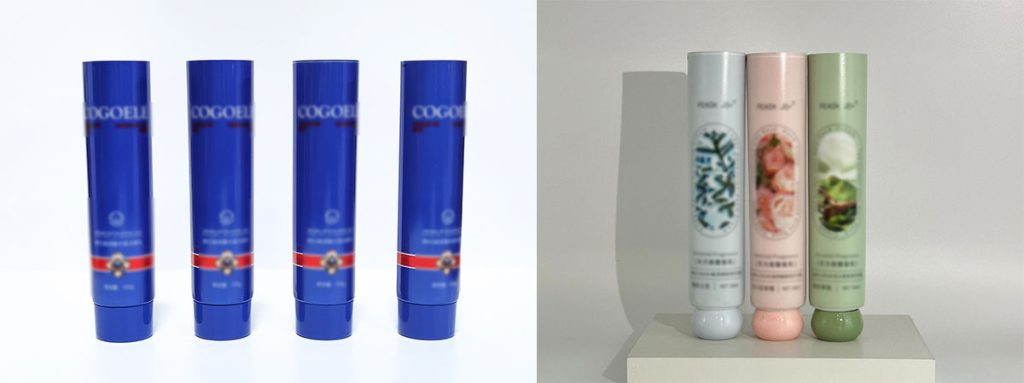
Laminated tubes stand out as the optimal solution for Sterile Packaging of eye ointments and burn creams. Pharmaceutical experts highlight several advantages:
- Soft-tipped designs reduce injury risk and improve user experience.
- Custom colors and applicators help patients identify treatments easily.
| Advantages | Disadvantages |
|---|---|
| Superior barrier properties | Complex manufacturing |
| Flexibility and easy dispensing | Higher cost than plastic tubes |
| Aesthetic appeal | Recycling challenges |
The industry is shifting toward sustainable, high-barrier laminates and smart closures, driven by regulatory demands and technological innovation. Laminated tubes deliver safety, shelf life, eco-friendliness, and convenience for sensitive medical products.
FAQ
What Makes Laminated Tubes Suitable for Sterile Packaging?
Laminated tubes use multiple layers to block moisture, oxygen, and light. This structure keeps medical creams and ointments safe from contamination. The tubes also support tamper-evident seals and internal lacquers, which help maintain sterility.
Can Laminated Tubes Be Recycled?
Many laminated tubes use recyclable materials like aluminum. Some recycling centers accept these tubes, but local rules may vary. Manufacturers continue to improve tube designs for better recycling and reduced environmental impact.
How Do Tamper-Evident Seals Work on Laminated Tubes?
Tamper-evident seals show clear signs if someone opens the tube before purchase or use. These seals help prevent contamination and build trust with patients. They also help companies meet strict safety regulations.
Are Laminated Tubes Safe for Eye Ointmentsand Burn Creams?
Yes. Laminated tubes use biocompatible materials and internal lacquers to prevent reactions with the medicine. These features keep sensitive products safe for use on eyes and damaged skin.
What Customization Options Exist for Laminated Tubes?
Manufacturers offer many options, such as different applicator types, tube sizes, and branding features. Companies can choose colors, finishes, and graphics to match their brand and improve patient experience.