


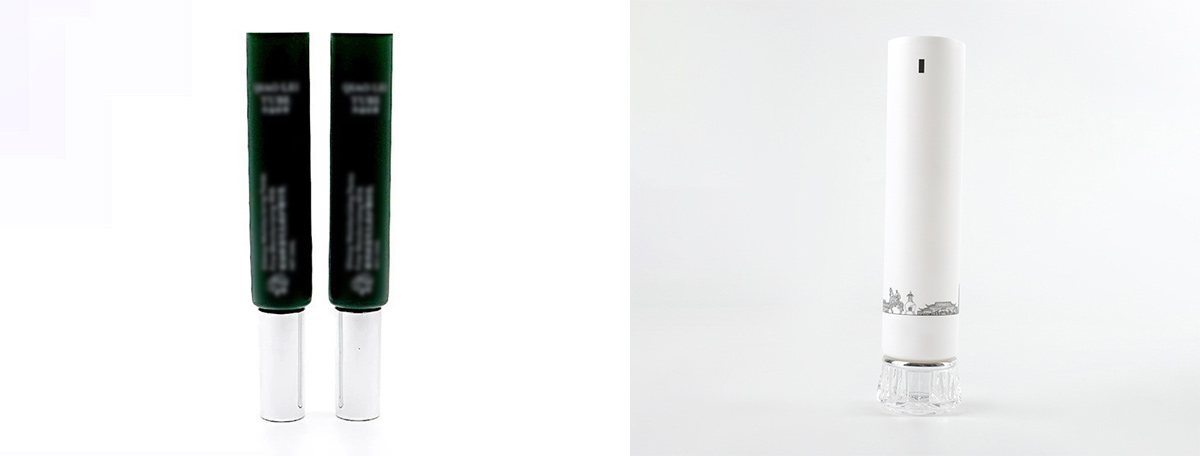
A single neglected sensor can halt laminated tube manufacturing, causing jams, costly downtime, and quality issues. In one recent case, a faulty photoelectric eye led to repeated misfeeds, resulting in a 15% increase in product defects and hours of lost production. Factories that adopt predictive or preventive maintenance see a clear difference:
| Impact of Maintenance Strategy | Effect on Production Efficiency | Effect on Product Quality |
|---|---|---|
| Predictive Maintenance | Reduced unplanned downtime by 30% | 15% reduction in product defects |
| Preventive Maintenance | Maintains equipment performance | Reduces likelihood of quality issues |
| Corrective Maintenance | Frequent failures lead to quality variations | N/A |
Proper maintenance ensures smooth and reliable manufacturing.
Key Takeaways
- Regular maintenance of sensors prevents costly downtime and production jams. Schedule routine checks to ensure smooth operation.
- Implement predictive maintenance strategies to reduce unplanned downtime by up to 30%. This approach enhances overall production efficiency.
- Real-time error detection through well-maintained photoelectric eyes improves product quality. Address issues immediately to minimize defects.
- Proper installation and calibration of sensors are crucial. Follow systematic procedures to ensure accurate detection and alignment.
- Invest in ongoing training for staff to maintain high standards in laminated tube production. Knowledgeable operators can quickly identify and resolve sensor issues.
Importance in Laminated Tube Manufacturing
Preventing Jams and Downtime
Smooth operation in laminated tube manufacturing depends on the reliability of every conveyor and control system. When a sensor fails, the conveyor may stop unexpectedly, causing jams and production delays. Operators rely on sensors to keep the lami tube making machine running efficiently. Well-maintained sensors help prevent these issues by providing constant feedback and early warnings.
- Early detection allows maintenance teams to address problems before they escalate.
- Condition-based monitoring gives real-time data, so teams can intervene quickly.
- Vibration monitoring helps spot abnormal patterns that may signal a conveyor malfunction.
- Temperature monitoring alerts staff to changes that could affect the control system or conveyor performance.
These steps reduce unplanned downtime and keep the laminated tube manufacturing process on track. Regular sensor checks and prompt repairs ensure that the conveyor moves tubes smoothly, minimizing the risk of jams.
Real-Time Error Detection
Real-time error detection plays a critical role in maintaining product quality. Photoelectric eyes and other sensors monitor the conveyor and control the position of each laminated tube. If a tube shifts or a misfeed occurs, the control system receives an immediate alert. Operators can then stop the laminated tube making machine and correct the issue before defective tubes reach the next stage.
This approach reduces waste and improves consistency. The conveyor works in harmony with the control system, ensuring that each laminated tube meets strict quality standards. By investing in sensor maintenance, manufacturers protect their equipment and maintain high output levels.
Sensor Types and Functions
Photoelectric Eye Sensors
Photo eye sensors play a central role in the lami tube making machine. These devices use light to detect the presence or position of laminated tubes on the conveyor. Operators rely on photo eye sensors for accurate tube placement and alignment. The sensors do not require physical contact, which helps extend their operating life and reduce wear.
The following table highlights the unique features and advantages of photo eye sensors compared to other sensor types:
| Feature/Advantage | Description |
|---|---|
| Non-contact detection | Identify objects without direct contact, leading to a long operating life. |
| Long detection range | Capable of detecting objects at significant distances. |
| High switching speed | Operate with a switching speed ranging from 30 microseconds to 30 milliseconds. |
| Small object recognition | Can recognize very small objects effectively. |
| Versatile material recognition | Able to recognize various materials, including glass, plastic, wood, and liquid. |
| Fast response time | Response time is less than one millisecond. |
| High reliability | Particularly reliable for fast part counting applications. |
| Immunity to magnetic fields | Magnetic fields do not affect their performance. |
| Easy installation | Simple to install and adjust, enhancing usability. |
| Compact size | Small dimensions make them suitable for a wide range of applications. |
| Competitive pricing | Generally priced competitively compared to other sensor types. |
Photo eye sensors offer fast response times and high reliability. They can recognize small objects and different materials, which is important for laminated tube production. Their compact size and easy installation make them ideal for use in tight spaces on the lami tube making machine.
Tip: Regular cleaning of photo eye sensors prevents dust buildup and ensures accurate detection.
Other Key Sensors
Manufacturers use several other sensor types in laminated tube production. Inductive sensors detect metal parts and help monitor moving components. Capacitive sensors identify non-metallic objects, such as plastic tubes or packaging materials. Ultrasonic sensors measure distance and detect transparent or colored tubes that may challenge other sensor types.
Operators select the right sensor based on the specific needs of the lami tube making machine. Each sensor type contributes to smooth operation and consistent quality. Proper maintenance of all sensors ensures reliable detection and reduces the risk of jams or misfeeds.
Installation and Maintenance
Installation Steps

Proper installation and alignment of photo eye sensors on a lami tube making machine form the foundation for reliable operation in the material handling industry. Technicians should follow a systematic approach to ensure accuracy and safety during installation and maintenance. The following steps outline the recommended procedure:
- Switch the lami tube making machine to manual mode. This step prevents hazards that can occur during high-speed operation.
- Pass marked laminated tube film through the center of the photo eye sensor’s sensing zone. Adjust the sensor until the detection light indicates successful calibration.
- Move film cuts back and forth in front of the photo eye sensor by hand. The indicator should alternate consistently, confirming sensitivity and stability.
- Record all settings during verification. Test the system at slow speeds to ensure proper operation.
- Calibrate each photo eye sensor and verify alignment. Misalignment can cause miscuts or incorrect patterns, disrupting the conveyor and control systems.
Note: Careful alignment of photo eye sensors ensures accurate detection and reduces the risk of jams in the conveyor system controls.
Common installation errors can compromise sensor performance and lead to downtime in the material handling industry. The table below highlights frequent mistakes and solutions:
| Installation Error | Description | Solution |
|---|---|---|
| Sensor Wiring | Small gauge wire is vulnerable to damage and can melt due to heat. | Use high-temperature resistant wiring and separate from hot plumbing with thermal insulation. |
| Moisture Issues | Wiring exposed to moisture can cause false readings. | Ensure wiring is waterproof and weatherproof, especially for outdoor installations. |
| Terminal Connections | Poorly protected connections can corrode and change circuit resistance. | Mount connectors to shed moisture and wrap them to be weatherproof. |
| Broken Connections | Wires can break during installation or due to external factors. | Tug lightly on connections to ensure they are secure and verify continuity after installation. |
Routine Maintenance Tasks
Routine maintenance of photo eye sensors and other components in the conveyor system controls is essential for laminated tube manufacturing. Maintenance teams in the material handling industry should establish daily, weekly, and monthly routines to maximize sensor lifespan and prevent moisture ingress.
- Check all electrical connections for security and remove dust buildup.
- Calibrate each photo eye sensor regularly to maintain optimal sensitivity and range.
- Document every maintenance activity, including cleaning and calibration records.
- Clean the lens and reflector of each photo eye sensor using non-abrasive materials and suitable cleaning solutions.
- Adjust the maintenance schedule based on the dust levels in the manufacturing environment.
Moisture and humidity present significant risks to photo eye sensor performance and longevity. In high-humidity environments, condensation can form, leading to short circuits and corrosion. Degraded insulation may cause inaccurate readings and slow response times. Regular maintenance and strategic placement of sensors help mitigate these risks. Sensor elements exposed to high humidity often fail due to water damage, affecting both solder joints and the sensor itself. Water exposure under high temperature and humidity conditions can further degrade performance.
Tip: Prevent moisture ingress by using weatherproof wiring and mounting connectors to shed water. This practice extends the lifespan of photo eye sensors and reduces downtime in the conveyor.
Best Practices
Manufacturers in the material handling industry can maximize efficiency and minimize downtime by following best practices for installation and maintenance of photo eye sensors and control systems. Customizable dashboards provide quick visualization of production data, supporting better decision-making. Real-time data collection from photo eye sensors helps identify operational bottlenecks and predict maintenance needs, reducing idle time in the conveyor.
Investing in equipment monitoring sensors enables early detection of machine failures through real-time analytics. Analyzing historical data allows teams to predict potential problems and plan maintenance, avoiding unplanned downtime. Predictive maintenance, driven by data, minimizes wear and tear, extending the lifespan of the lami tube making machine and reducing downtime.
Leading manufacturers structure their maintenance schedules using advanced techniques. The table below summarizes the impact of these strategies:
| Technique | Impact |
|---|---|
| Advanced scheduling techniques | Maximizes maintenance effectiveness while minimizing operational impact |
| Predictive analytics | Improves overall maintenance efficiency by 40-55% |
| AI-powered systems | Reduces emergency repairs by 70% and improves schedule adherence by 85% |
| Integrated platforms | Eliminates 60% of maintenance delays and coordination conflicts |
| Coordination with production schedules | Reduces maintenance-related downtime by 45-60% |
| Dynamic scheduling systems | Maintains 95% schedule efficiency during disruptions |
| Multi-skill workforce planning | Reduces technician idle time by 40-50% |
| Automated parts ordering | Prevents 85% of maintenance delays due to inventory shortages |
| Production-integrated maintenance windows | Minimizes operational disruption |
| Dynamic priority adjustment systems | Responds to equipment condition changes |
| Cross-functional coordination | Reduces scheduling conflicts by 70% |
| Performance dashboards | Provides real-time scheduling efficiency visibility |
| Mobile scheduling tools | Improves field technician coordination and productivity |
Callout: Integrating maintenance windows with production schedules and using mobile scheduling tools can reduce downtime and improve productivity in laminated tube manufacturing.
By following these best practices, manufacturers ensure that photo eye sensors, conveyor system controls, and control systems operate efficiently. This approach supports reliable handling of laminated tubes and maintains high standards in the material handling industry.
Troubleshooting and Reliability
Common Sensor Issues
Operators in laminated tube manufacturing often encounter sensor problems that disrupt production. Photo eye sensor malfunctions can lead to lamination defects, which affect the quality of every laminated tube. Several root causes contribute to these issues:
- Nonmetallic inclusions in raw materials can interfere with sensor readings.
- Improper soaking processes may cause inconsistencies in tube surfaces.
- The quality of raw materials directly impacts the performance of the photo eye sensor.
- Hairy shrinkage cavities on the surface of rolled cast billets can trigger false signals.
- Variations in process parameters, such as furnace and soaking temperatures, can alter sensor sensitivity.
Photo eye sensor issues often result in jams or misfeeds on the lami tube making machine. Operators must remain vigilant for signs of trouble, such as inconsistent detection or unexpected stops in the control system. Early identification of these problems helps prevent larger disruptions.
To quickly identify and diagnose sensor malfunctions, operators can use several methods. The table below outlines effective approaches:
| Method/Framework | Description |
|---|---|
| Automated Fault Detection | Uses advanced algorithms and data-driven models to enhance speed and accuracy of fault identification. |
| Integration of Intelligent Algorithms | Improves reliability of sensor systems during production. |
| Soft Sensors | Offers a promising approach to enhance fault detection capabilities. |
An integrated fault diagnosis framework can distinguish between process and sensor faults. This system uses a cycle temporal algorithm embedded in dynamic kernel principal component analysis. It improves detection speed and accuracy, which has proven effective in real-world manufacturing environments.
Operators should also consider these steps:
- Human error often causes faults in industrial applications, so automated systems help reduce mistakes.
- Computer-aided diagnosis increases the speed and precision of fault detection and recovery.
- Effective fault detection systems lower risks and costs associated with maintenance.
Tip: Regularly monitor the control system for unusual patterns or alerts from the photo eye sensor. Early action can prevent costly downtime.
Quick Fixes and Replacement
When a photo eye sensor fails, quick action ensures minimal disruption to the lami tube making machine. Operators can apply several effective solutions:
- Verify that the correct photo eye sensor was installed and that any replacement matches the application.
- Consider sensors designed to overcome specific challenges, such as dust, vibration, or high temperatures, instead of simply replacing with the same model.
- Create a list of operating conditions and measurement ranges to avoid unsuitable sensors.
- Choose sensors that withstand environmental challenges common in laminated tube manufacturing.
- Assess the physical location of the photo eye sensor to reduce environmental effects.
If a sensor requires replacement, operators should follow a structured procedure:
- Recognize the signs of sensor failure, such as erratic readings or repeated faults in the control system.
- Select replacement photo eye sensors based on environmental factors like temperature, dust, and vibration.
- Ensure the chosen sensor technology suits the specific application to avoid frequent failures.
- For critical applications, incorporate redundancy to maintain reliability and safety.
Note: Always document the replacement process and update maintenance records. This practice supports future troubleshooting and improves overall maintenance efficiency.
Operators who follow these quick fixes and replacement steps help maintain smooth operation of the lami tube making machine. Consistent maintenance of the photo eye sensor and control system reduces downtime and supports high-quality laminated tube production.

Conclusion
Regular sensor and photoelectric eye maintenance in laminated tube manufacturing improves reliability, reduces waste, and extends equipment life. Proactive maintenance on the lami tube making machine includes:
- Monitoring equipment health and scheduling tasks based on real-time data.
- Preventing failures before they occur.
- Identifying issues early through inspections.
| Maintenance Task | Description |
|---|---|
| Inspect physical condition and mounting integrity | Ensure sensors are securely mounted and undamaged. |
| Clean sensor tips with appropriate solvent | Remove contaminants for accurate readings. |
| Perform calibration | Maintain measurement accuracy. |
Manufacturing professionals benefit from structured training programs, online classes, and apprenticeships. Ongoing education and attention to detail help maintain high standards in laminated tube production.
FAQ
How Often Should Operators Clean Photoelectric Eye Sensors?
Operators should clean photoelectric eye sensors on the lami tube making machine daily in dusty environments. In cleaner areas, weekly cleaning often works. Regular cleaning prevents dust buildup and ensures accurate detection of each laminated tube.
What Signs Indicate Sensor Failure on a Lami Tube Making Machine?
Common signs include erratic readings, frequent jams, or unexpected machine stops. Operators may also notice misaligned laminated tubes or increased product defects. Quick identification helps prevent extended downtime.
Can Moisture Damage Sensors in Laminated Tube Production?
Yes, moisture can cause short circuits, corrosion, and inaccurate readings. Operators should use weatherproof wiring and mount connectors to shed water. Regular inspections help prevent moisture-related failures.
Why Is Calibration Important for Photoelectric Eye Sensors?
Calibration ensures each sensor detects laminated tubes accurately. Without regular calibration, sensors may miss tubes or trigger false alarms. Proper calibration maintains product quality and reduces waste.
What Should Operators Do If a Sensor Needs Replacement?
Operators should select a sensor designed for the specific environment of the lami tube making machine. They must document the replacement and test the new sensor before resuming production. This process ensures reliable laminated tube manufacturing.